2002 Dodge Ram 2500 Wheel Interchange and Fitment
Known OEM Fitment For 2002 Dodge Ram 2500
The following values are the available reference data for the 2002 Dodge Ram 2500. Fitment can vary by trim, axle configuration, brake package, wheel design, and market. Confirm the specifications on your vehicle before purchasing wheels or tires.
| Specification |
Provided reference value |
| Bolt pattern |
8x165.1, or 8 studs on a 165.1 mm pitch circle diameter |
| Center bore |
121.3 mm |
| Thread size |
M14 x 1.5 |
| Rim diameter |
18 inches |
| Rim width |
7.5 inches |
| Wheel offset |
ET45, or 45 mm |
| Backspacing |
5.52 inches |
| Listed tire section width |
245 mm |
| Listed tire aspect ratio |
70 percent |
| Listed tire rim diameter |
17 inches |
There is an apparent diameter mismatch in the supplied data: the listed rim diameter is 18 inches, while the listed tire rim diameter is 17 inches. A 17-inch tire cannot be mounted on an 18-inch wheel. Treat these as separate reference fields until you confirm the actual wheel and tire combination on the vehicle. Check the tire sidewall, wheel markings, door-jamb label, owner documentation, and the appropriate OEM service information.
The bolt pattern, center bore, offset, width, and brake clearance all matter. Matching the 8x165.1 bolt pattern alone does not prove that a donor wheel is safe or compatible.
How To Use The Wheel Interchange Calculator
Use the calculator to compare a donor vehicle's wheel with the wheel you plan to install on your 2002 Dodge Ram 2500. Enter the donor vehicle under “Wheels from” and enter this Dodge under “Installed on.” The comparison is useful for reviewing bolt pattern, center bore, wheel width, diameter, offset, and related dimensional differences.
- Start with the donor vehicle and enter the wheel diameter, width, and offset shown on the donor wheel or its reliable specification source.
- Confirm the installed vehicle fields against the wheel markings, OEM documentation, or the vehicle itself. Do not assume every 2002 Ram 2500 has identical equipment.
- Use “Custom wheel size” to test a proposed rim diameter, rim width, and offset.
- Use “Custom tire size” to enter tire section width and aspect ratio when evaluating a complete wheel and tire package.
- Review the changes in inner clearance, outer position, and overall diameter, then inspect the vehicle in person before driving.
Changing the custom rim diameter updates the tire diameter in the comparison. Recheck speedometer effect, suspension clearance, fender clearance, brake clearance, and load capacity whenever the wheel or tire size changes. Calculator results are a screening tool, not a substitute for a physical test fit or OEM approval.
Fitment Checklist Before You Buy
- Confirm the wheel has an 8x165.1 bolt pattern and eight lug holes.
- Check that the center bore is compatible with the 121.3 mm hub. A smaller bore will not fit over the hub. A larger bore may require correctly sized hub-centric rings if the wheel manufacturer permits them.
- Verify the wheel's stamped diameter, width, and offset. Do not rely only on an online listing or a seller's description.
- Confirm that the offset and backspacing provide clearance to the brake components, steering parts, suspension, and inner wheel well.
- Check the tire's load rating, load range, speed rating, diameter, and approved rim-width range for a heavy-duty pickup.
- Make sure the tire's rim diameter matches the wheel diameter. Resolve the supplied 17-inch and 18-inch reference discrepancy before ordering.
- Inspect used wheels for cracks, bends, severe corrosion, repaired damage, elongated lug holes, and missing or damaged valve-stem areas.
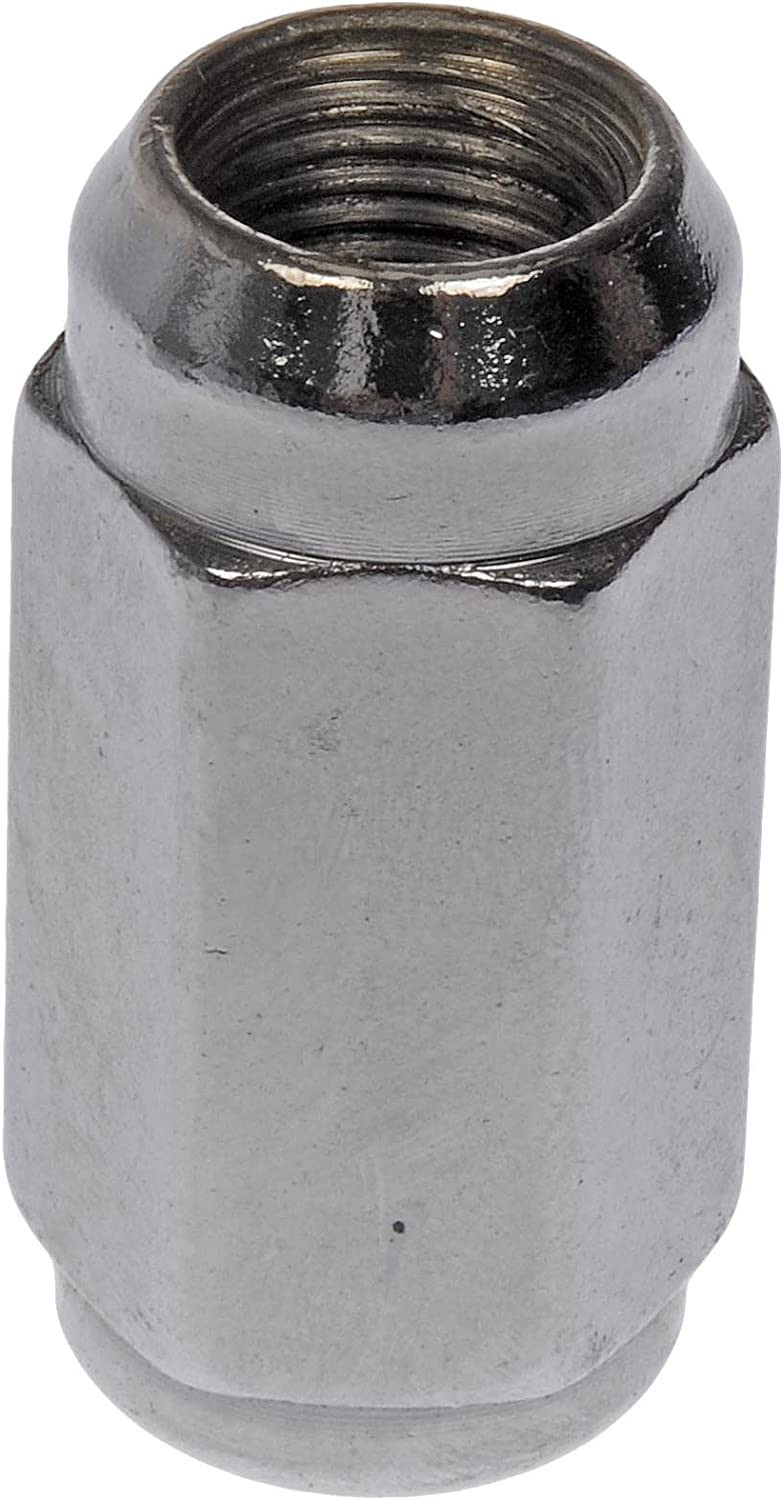
- Confirm lug-nut seat type and thread compatibility. The supplied thread reference is M14 x 1.5, but the lug-nut seat must also match the wheel.
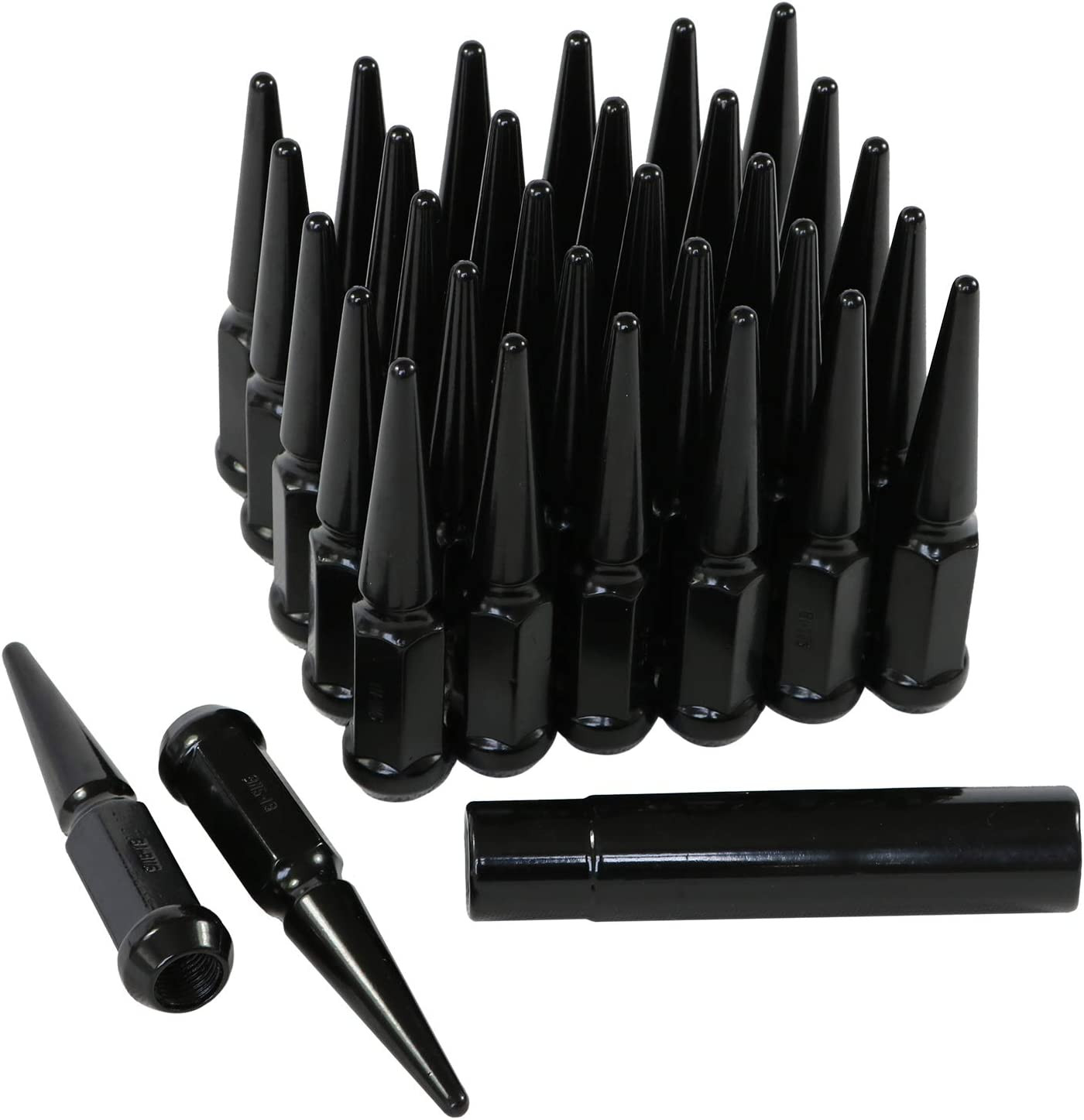
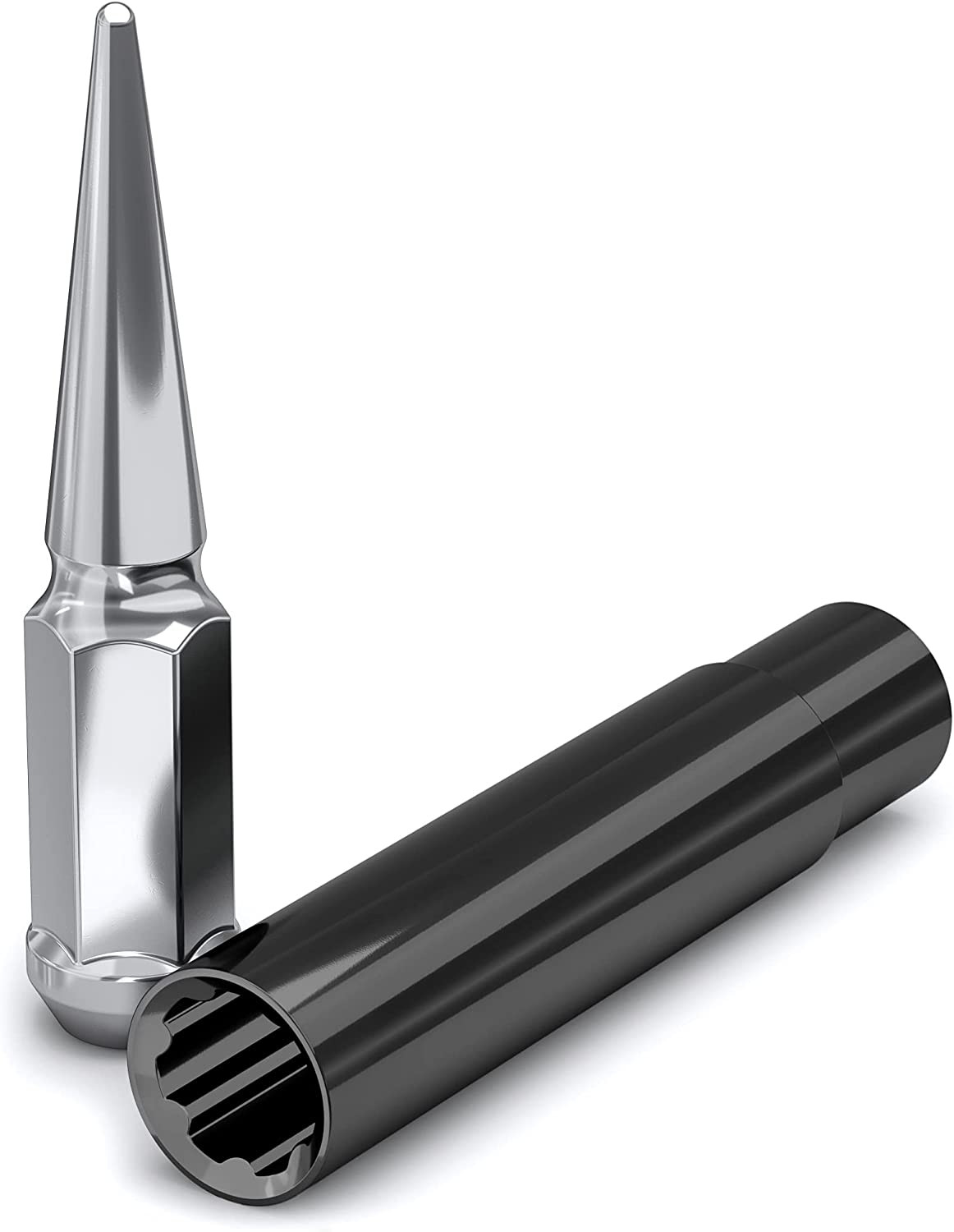
- Check whether the wheel requires special lug nuts, shank-style hardware, spacers, or hub rings. Avoid spacers and adapters unless they are specifically engineered, correctly installed, and approved for the application.
Plus Sizing And Common Upgrades
Plus sizing means changing wheel diameter while selecting a tire with a shorter or taller sidewall to manage overall tire diameter. It is not automatically an upgrade. A larger wheel can reduce sidewall protection, increase impact risk, add weight, and affect ride quality. A smaller wheel may have more sidewall but may not clear the brake package.
Use the calculator's custom wheel and tire fields to compare proposed combinations with the reference setup. Pay particular attention to overall tire diameter, section width, wheel offset, and the amount of wheel movement toward the suspension or fender. The calculator cannot confirm physical brake clearance, tire bulge, steering travel, or contact under suspension compression.
Do not choose a tire solely because its section width or aspect ratio appears close to the listed 245/70 value. Verify the tire manufacturer's approved rim width, load rating, and actual dimensions. For a truck used to carry or tow, maintain an appropriate load capacity and follow the vehicle and tire manufacturer's limits.
Installation Tips
- Install wheels on clean, dry hub and wheel mounting surfaces. Remove rust scale and debris without removing metal from the mating surfaces.
- Install the correct lug nuts by hand first. Cross-threaded or mismatched hardware can damage the studs and wheel.
- Torque the lug nuts in the manufacturer's specified sequence and to the manufacturer's specified torque. The correct value is not provided here, so confirm it in the owner documentation or an OEM service source for the exact vehicle.
- Lower the vehicle only after the wheel is securely located and the lug nuts are properly tightened.
- Recheck lug-nut torque after the first short drive and again according to the wheel or vehicle manufacturer's instructions.
- Check tire pressure with the tires cold and use the vehicle's recommended pressure unless a qualified tire professional determines another setting is appropriate for the selected tire and load.
- Turn the steering from lock to lock and inspect for contact. Also check clearance with the suspension loaded and after a cautious road test.
- Stop immediately if you notice rubbing, vibration, steering pull, loose hardware, loss of pressure, or unusual noise.
Tools And Helpful Supplies
Useful equipment includes a properly sized socket, a calibrated torque wrench, a tire-pressure gauge, a tread-depth gauge, a flashlight, a ruler or caliper for checking wheel markings and clearances, and suitable wheel chocks. A torque wrench is available through Amazon automotive torque wrench search results. A tire-pressure gauge can be found in Amazon digital tire pressure gauge search results.
Use lifting equipment only on approved lift points and support the vehicle with properly rated jack stands. Never work under a vehicle supported only by a jack.
FAQs
What is the bolt pattern for the 2002 Dodge Ram 2500?
The provided reference fitment is 8x165.1. Confirm the pattern and wheel application before installing a donor wheel.
What center bore is listed for this truck?
The provided center bore is 121.3 mm. A wheel with a smaller center bore will not fit over the hub. A larger bore may need a properly sized hub-centric solution if allowed by the wheel manufacturer.
What lug thread size is provided?
The supplied thread reference is M14 x 1.5. Lug-nut thread size is only one part of compatibility. The lug-nut seat, shank, length, and wheel design must also match.
Can I use the listed 245/70 tire on the listed 18-inch rim?
The provided data lists a 17-inch tire rim diameter and an 18-inch rim diameter, so the values do not describe a directly matching wheel and tire package. Check the tire sidewall and wheel stamp, then confirm the correct combination with OEM and tire-manufacturer information.
Does the 8x165.1 bolt pattern guarantee that a wheel fits?
No. The wheel must also clear the brakes and suspension, have a compatible center bore, use the correct lug hardware, and provide suitable diameter, width, offset, backspacing, and load capacity.
How do I compare a donor wheel with this truck?
Enter the donor under “Wheels from” and the 2002 Dodge Ram 2500 under “Installed on.” Then compare the donor dimensions with the vehicle reference values and test proposed dimensions using the custom wheel size fields.
Will changing wheel diameter change tire diameter?
In the calculator, changing rim diameter updates the tire diameter in the comparison. Select a compatible tire size afterward and verify the resulting clearance, load rating, and speedometer effect.
Where can I confirm the final specifications?
Use the vehicle's door-jamb label, tire sidewalls, wheel markings, owner documentation, and an OEM service source. If the markings conflict with an online specification, pause the purchase and have the vehicle or wheel inspected by a qualified technician.