2010 Dodge Ram 2500 Wheel Interchange, Specs, And Fitment Guide
Known OEM Fitment For 2010 Dodge Ram 2500
This section lists what is currently known for the 2010 Ram 2500 from this page. Some specs can vary by trim, axle, and option package. If a value looks different from your truck, verify it on your driver door placard, in the owner’s manual, or through a dealer using your VIN. You can also use the on-page calculator to compare against your exact setup.
| Bolt pattern |
8x165.1 mm (also called 8x6.5) |
| Center bore |
121.3 mm |
| Thread size |
M14 x 1.5 |
| Known wheel size |
Diameter 20 in, width 8.0 in, offset ET 50 mm, backspacing 5.97 in |
| Known tire size |
245/70R17 |
Notes: Factory wheel and tire sizes can differ by trim. The wheel size listed above and the tire size shown above are both provided on this page, which indicates multiple OEM configurations may have been offered. Confirm your truck’s original size by checking the door placard and comparing in the calculator.
How To Use The Wheel Interchange Calculator
The calculator on wheelinterchange.com lets you compare a donor wheel and tire setup to your 2010 Ram 2500 so you can predict clearance, stance, and speedometer effects before buying.
- Step 1 - In Wheels from, select the donor vehicle or enter a custom wheel size if you know the exact diameter, width, and offset you want to test.
- Step 2 - In Installed on, select 2010 Dodge Ram 2500. Enter the OEM size you verified from your door placard or the known values above.
- Step 3 - Use Custom wheel size to change rim diameter, width, and offset for the donor setup. The visual and numbers will update to show inner clearance, outer poke, and backspacing differences.
- Step 4 - Use Custom tire size to adjust section width and aspect ratio. When you change rim diameter, the calculator updates overall tire diameter in the comparison so you can keep close to stock height if desired.
- Step 5 - Review results. Watch inner clearance to the knuckle and brake, outer poke past the fender, tire diameter change, and speedometer error.
Red flags to watch in the results:
- Negative inner clearance or very small margin near the control arm, leaf spring, or brake caliper.
- Outer poke that extends past the fender or mud flap where it could contact under compression.
- Large tire diameter increase that can hit fenders or the bumper at full lock or over bumps.
- Very low offset that reduces hub engagement or requires longer studs.
Fitment Checklist Before You Buy
- Bolt pattern - Wheels must be 8x165.1 mm. Do not attempt to fit 8x170 or 8x180.
- Center bore - OEM hub is 121.3 mm. Aftermarket wheels usually have a larger bore that will fit over the hub. If using rings, confirm material and load suitability for a heavy duty truck.
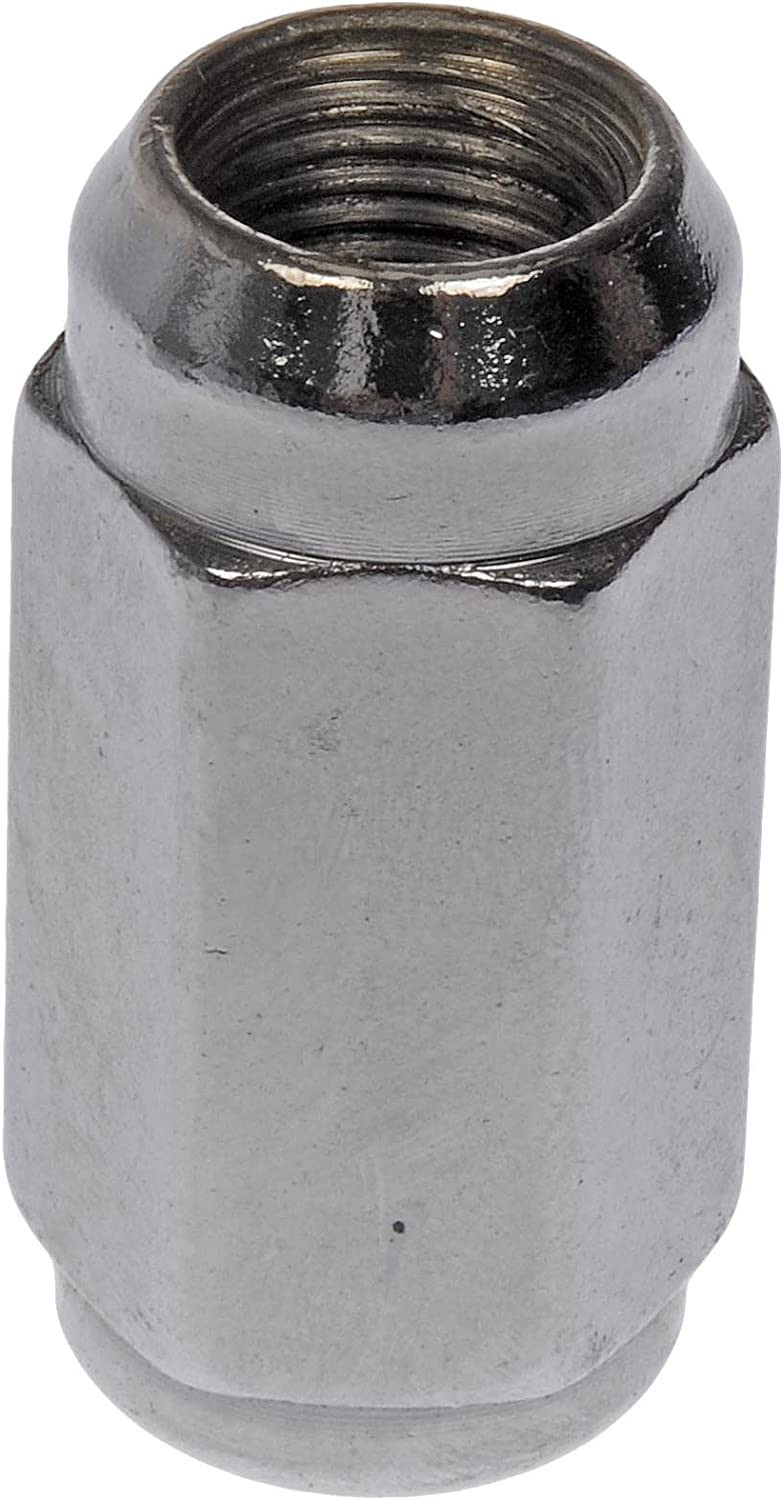
- Thread and lug seat - Threads are M14 x 1.5. Match the lug seat style of the wheel, and use quality lug nuts of the correct length and seat type.
- Offset and backspacing - Use the calculator to compare your target offset to the known OEM values above. Ensure adequate inner clearance to brakes and suspension, and avoid excessive outer poke.
- Wheel and tire load rating - Choose wheels and LT tires with load ratings that meet or exceed your truck’s GAWR. For hauling and towing, load range and load index matter.
- Overall tire diameter - Keep diameter changes reasonable. Large increases may require trimming, lift, or recalibration.
- Brake clearance - Confirm barrel and spoke clearance over the caliper. Test fit before mounting tires.
- TPMS - If equipped, make sure your wheel choice accepts compatible sensors and that you have new seals if reusing sensors.
- Spare fitment - If changing diameter or offset, consider how the spare will mount and clear under the bed.
- Verify with OEM sources - Cross check with the door placard, owner’s manual, or a dealer using your VIN for your exact trim.
Plus Sizing And Common Upgrades
Owners often explore wider wheels or different diameters for stance, tire availability, or brake clearance. Because trims differ, use the calculator to model your upgrade against your verified OEM size and check the following:
- Aim to keep overall tire diameter close to stock to reduce speedometer error and avoid rubbing without suspension changes.
- When increasing wheel width, offset usually needs to change to maintain inner clearance and keep the tire within the fender. Compare inner and outer position changes in the calculator.
- Heavier duty trucks benefit from hub-centric fit or robust lug-centric hardware. Choose high quality wheels with appropriate load ratings.
- If lift or level kits are installed, recheck clearances in the calculator and by test fitting, since geometry changes.
- Spacers or adapters should only be used if they are hub-centric to the vehicle and wheel, of proper grade, and installed with correct hardware and torque. Recheck stud engagement.
Installation Tips
- Test fit each front and rear corner without tires first if possible. Spin the wheel by hand and turn to full lock to confirm brake and suspension clearance.
- Clean hubs with a wire brush and remove rust. A thin film of anti-seize on the hub face can help prevent sticking. Keep it off the studs and lug seats.
- Mount tires, inflate to the pressure on your door placard unless your new tire specification requires otherwise.
- Tighten lugs in a star pattern and torque to the OEM specification from your owner’s manual. Do not guess. Re-torque after 50 to 100 miles.
- If using TPMS, install with new seals as required and perform the relearn procedure for your truck.
- After installation, check for rubbing at full lock and over bumps. Inspect inner liner, brake lines, and fender edges.
Tools And Helpful Supplies
FAQs
What bolt pattern does the 2010 Ram 2500 use?
It uses 8x165.1 mm, also labeled 8x6.5. Wheels with other 8 lug patterns like 8x170 or 8x180 will not fit.
Will aftermarket wheels with a larger center bore fit?
Yes if the bore is larger than 121.3 mm they will clear the hub. Many aftermarket wheels are lug-centric. If using hub-centric rings, confirm they are suitable for the vehicle load and that the wheel seats properly.
What is the correct lug nut size and thread?
The thread is M14 x 1.5. Use lug nuts that match your wheel’s seat type and torque them to the OEM specification in your owner’s manual.
My truck’s door placard shows a different tire or wheel size than listed here. Which is right?
Trust your truck’s placard and VIN-based OEM info for your exact trim. The values above are known entries from this page and may reflect a different OEM configuration. Use the calculator to compare your placard size to any new setup.
How do I check if a new offset will clear my brakes and suspension?
Enter your current size and the new size in the calculator to see inner and outer position changes. Then test fit before mounting tires. Confirm clearance to calipers, knuckles, leafs, sway links, and fender liners at full lock.
Can I use wheel spacers to make a different offset work?
Only if they are high quality, correctly sized to the hub and wheel, installed with the proper hardware, and still allow full thread engagement. Always verify with the calculator and by test fitting.
What tire load rating should I choose?
Select LT tires with a load index that meets or exceeds your door placard and intended use. Heavy towing or payload requires appropriate load range. When in doubt, consult OEM documentation.
Will a larger diameter wheel affect my speedometer?
Speedometer change is based on overall tire diameter. The calculator will show the difference when you adjust tire size. Try to keep overall diameter close to stock unless you plan to recalibrate.