2013 Hyundai Genesis Coupe Wheel Fitment Guide
Use this page to compare wheels and tires for a 2013 Hyundai Genesis Coupe. The specifications below are the known OEM reference values supplied for this vehicle. Fitment can vary by trim, factory package, market, brake configuration, and replacement parts, so confirm the exact requirements on the vehicle and with Hyundai sources before buying.
Known OEM Fitment For 2013 Hyundai Genesis Coupe
The following OEM fitment information is known for this page:
| Specification |
Known value |
| Bolt pattern |
5x114.3, meaning 5 studs on a 114.3 mm pitch circle diameter |
| Center bore |
67.1 mm |
| Thread size |
M12 x 1.5 |
| Rim diameter |
18 inches |
| Rim width |
7.5 inches |
| Wheel offset |
ET32, or positive 32 mm |
| Backspacing |
5.01 inches |
| Tire size reference |
225/45R18 |
| Tire section width |
225 mm |
| Tire aspect ratio |
45 percent |
The listed 225/45R18 tire has an approximate calculated overall diameter of 26.0 inches. This is a reference calculation, not a substitute for checking the actual tire label, placard, owner documentation, load rating, speed rating, and clearance on your vehicle.
These values do not confirm every available trim or factory wheel package. Verify the center bore, brake clearance, wheel load rating, tire specifications, and the original equipment wheel label before ordering.
How To Use The Wheel Interchange Calculator
The calculator lets you compare wheels from a donor vehicle with wheels installed on your 2013 Hyundai Genesis Coupe. Start by entering or selecting the donor vehicle in the “Wheels from” area, then enter the Hyundai Genesis Coupe as the vehicle in the “Installed on” area.
Review the bolt pattern, center bore, wheel diameter, wheel width, and offset together. A matching bolt pattern alone does not prove that a wheel will fit. The calculator is useful for identifying dimensional differences, but it cannot replace a physical clearance check.
Use the “Custom wheel size” controls when you are considering aftermarket wheels. You can adjust rim diameter, rim width, and offset to see how the proposed wheel compares with the reference. Use the “Custom tire size” controls to change section width and aspect ratio. Changing the rim diameter updates the tire diameter in the comparison, which helps you evaluate overall diameter changes.
Record the calculator results before purchasing. Then confirm the wheel manufacturer’s published specifications, including center bore, load rating, brake clearance, lug-seat type, and approved tire-width range.
Fitment Checklist Before You Buy
Confirm that the replacement wheel uses the 5x114.3 bolt pattern and is designed for M12 x 1.5 hardware. Check whether the wheel’s center bore is 67.1 mm or larger with an appropriate hub-centric solution approved for that wheel. A center bore smaller than the vehicle hub will not fit over the hub.
Compare the proposed wheel width and offset with the known 7.5-inch, ET32 reference. Offset changes the wheel’s position relative to the suspension and fender. A change can affect inner strut clearance, outer fender clearance, steering behavior, and tire rubbing.
Check brake caliper and rotor clearance using the wheel manufacturer’s fitment data. Diameter and bolt pattern are not enough because spoke shape and barrel design can prevent a wheel from clearing the brakes.
Confirm the tire’s load index and speed rating meet or exceed the vehicle requirement. Keep the rolling diameter reasonably close to the vehicle reference unless a qualified technician has evaluated speedometer, traction-control, anti-lock brake, and clearance effects.
Inspect the vehicle for suspension modifications, lowered ride height, wheel spacers, nonstandard brake components, or accident damage. These conditions can make a wheel that appears dimensionally similar unsuitable.
Plus Sizing And Common Upgrades
Plus sizing usually means using a larger wheel diameter with a lower tire aspect ratio while attempting to keep the overall tire diameter close to the original reference. The calculator can compare custom wheel and tire combinations, but the displayed comparison does not establish a safe final choice.
When changing wheel width or offset, evaluate both sides of the wheel. More inner clearance can produce more outer protrusion, while more outer clearance can reduce space near suspension components. Tire manufacturers also publish approved rim-width ranges that must be followed.
Do not choose a tire only by matching its section width. Check load index, speed rating, approved rim width, overall diameter, fender clearance, suspension clearance, and the vehicle manufacturer’s recommendations. If the calculator shows a large diameter difference, have the combination reviewed before installation.
Wheel spacers and adapters introduce additional fitment and hardware requirements. Do not use them to correct an unknown bolt pattern or center-bore problem unless the product is specifically engineered for the application and installed according to its instructions.
Installation Tips
Test-fit one wheel on the front and rear axle before mounting all tires. With the vehicle safely supported, rotate the wheel by hand and check clearance to the brake caliper, strut, control arms, tie rods, inner fender, and outer fender. Turn the steering through its range where appropriate, and check clearance at normal ride height.
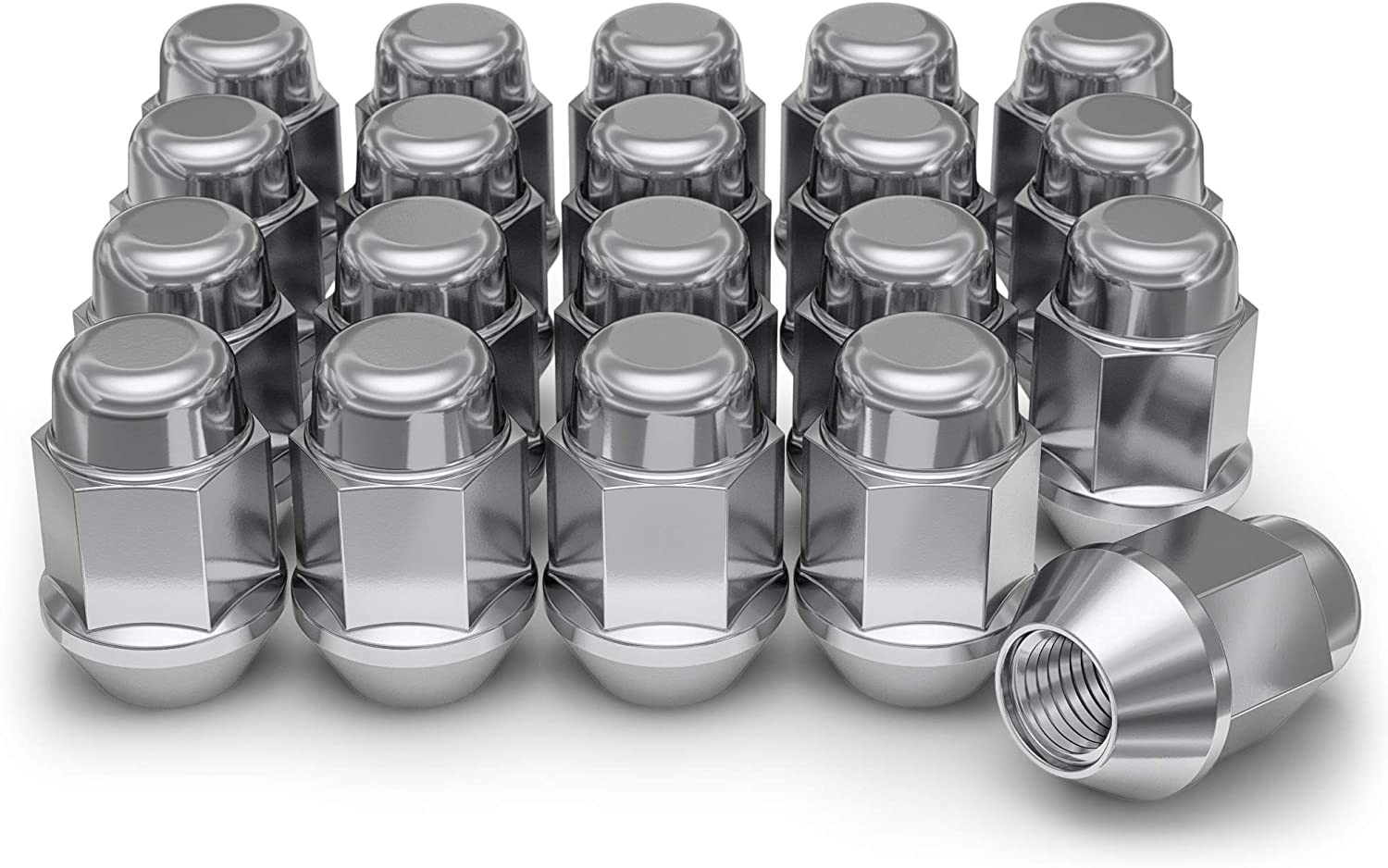
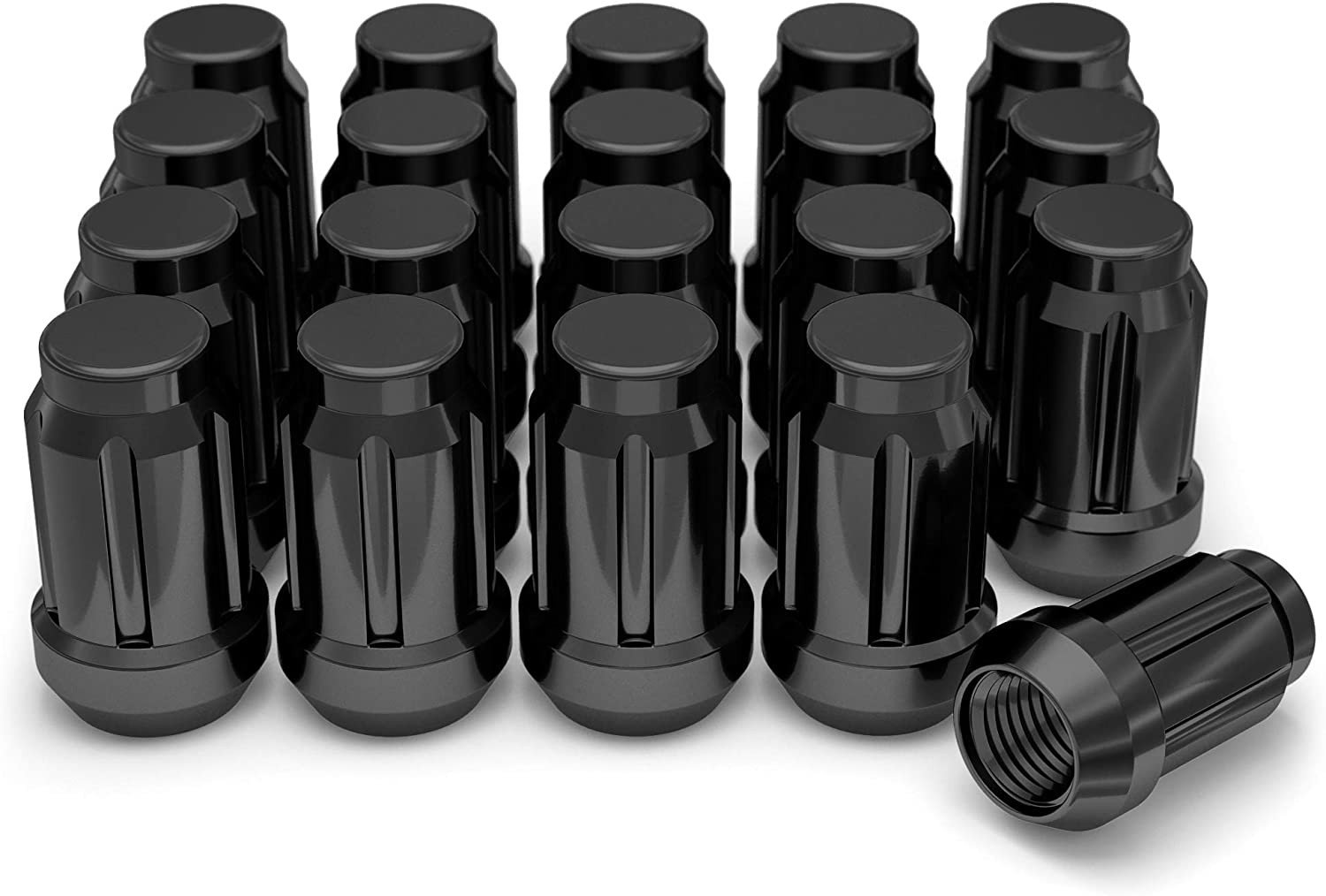
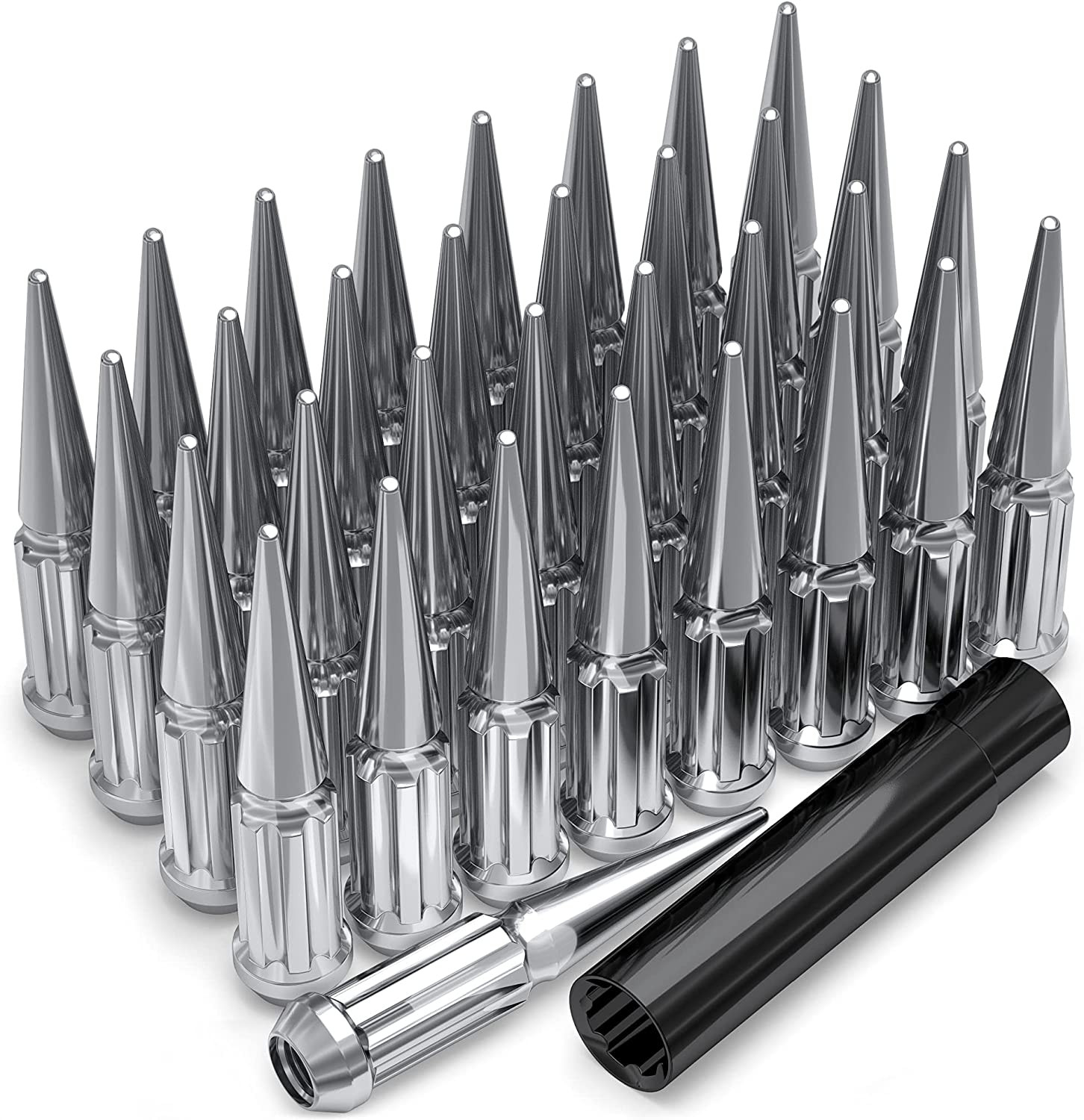
Use the correct lug nuts for the wheel’s seat type, such as conical or ball seat. The M12 x 1.5 thread size identifies the thread specification, but it does not identify the correct lug-nut seat or the required tightening torque.
Clean the hub face and wheel mounting surface before installation. Do not place paint, rust, dirt, or unrelated spacers between mating surfaces. Install wheels with the vehicle manufacturer’s specified torque procedure and recheck torque after the first drive interval specified by the wheel or vehicle manufacturer.
After installation, check tire pressure, confirm that no warning lights or handling changes appear, and inspect for rubbing under braking, cornering, suspension movement, and steering input. Stop driving if a tire contacts a suspension or body component.
Tools And Helpful Supplies
A calibrated torque wrench, suitable socket, jack, jack stands, wheel chocks, and a tire-pressure gauge are useful for safe wheel work. Use jack stands on a solid, level surface and follow the vehicle owner’s lifting points. Never rely on a jack alone while working under or beside a raised vehicle.
For compatible options, see automotive torque wrenches on Amazon and automotive wheel chocks on Amazon. Confirm tool range, socket size, and product instructions before purchase.
FAQs
What is the bolt pattern for the 2013 Hyundai Genesis Coupe?
The known reference bolt pattern is 5x114.3. Confirm the marking and application with the wheel manufacturer before ordering.
What is the center bore?
The known center bore is 67.1 mm. A replacement wheel with a smaller bore will not fit over the hub. A larger bore may require a properly specified hub-centric ring, subject to wheel and vehicle requirements.
What wheel size is listed as the OEM reference?
The supplied reference is an 18-inch diameter wheel that is 7.5 inches wide with an ET32 offset. This information may not represent every trim or factory package, so compare the existing wheel and verify OEM documentation.
What tire size is the known reference?
The supplied reference tire is 225/45R18. Confirm the required load index, speed rating, pressure, and exact tire specification using the vehicle placard and owner documentation.
Can any 5x114.3 wheel fit this Hyundai?
No. The bolt pattern is only one requirement. Center bore, offset, wheel width, brake clearance, lug-seat type, wheel load rating, and tire compatibility must also be correct.
How can I compare a different wheel and tire combination?
Use the calculator’s donor-vehicle comparison, then adjust rim diameter, rim width, and offset under “Custom wheel size.” Adjust tire section width and aspect ratio under “Custom tire size.” Review the updated tire-diameter comparison and confirm all results with manufacturer specifications and a physical test fit.
What thread size should the wheel hardware use?
The known thread size is M12 x 1.5. The correct lug nuts must also match the wheel’s seat design and meet the vehicle or wheel manufacturer’s installation requirements.
Where can I confirm fitment before buying?
Check the vehicle’s tire and loading information label, owner documentation, the existing wheel markings, Hyundai parts or service information, and the replacement wheel manufacturer’s fitment guide. When information conflicts, consult a qualified tire or wheel technician before installation.