2015 Hyundai Genesis Coupe Wheel Fitment Guide
Known OEM Fitment For 2015 Hyundai Genesis Coupe
The following specifications are the known OEM fitment data provided for the 2015 Hyundai Genesis Coupe. Fitment can vary by trim, package, brake configuration, and market, so confirm the specifications for your specific vehicle before ordering wheels or tires.
| Specification |
Known value |
| Bolt pattern |
5x114.3 |
| Center bore |
67.1 mm |
| Thread size |
M12 x 1.5 |
| Rim diameter |
18 inches |
| Rim width |
7.5 inches |
| Wheel offset |
ET32 |
| Backspacing |
5.01 inches |
| Tire size |
225/45R18 |
These values describe the supplied known configuration, not a complete list of every 2015 Hyundai Genesis Coupe trim. Confirm the original wheel and tire information on the vehicle, in the owner's manual, or with a Hyundai dealer. Also compare the wheel's brake clearance, load rating, and mounting hardware requirements.
How To Use The Wheel Interchange Calculator
Use the wheel interchange calculator to compare a donor vehicle's wheels with your 2015 Hyundai Genesis Coupe. Enter the donor vehicle under Wheels from and the Genesis Coupe under Installed on. The calculator can help compare bolt pattern, wheel dimensions, offset, center bore, and tire sizing when the required information is available.
Use Custom wheel size when you already know the replacement wheel's rim diameter, width, or offset. Use Custom tire size to compare tire section width and aspect ratio. Changing the rim diameter also updates the tire diameter in the comparison, which helps you evaluate the complete wheel and tire combination rather than the wheel alone.
Calculator results are a screening tool, not a substitute for a physical clearance check. Confirm the exact wheel part number, brake clearance, center bore, load rating, tire load index, speed rating, and required lug hardware before purchase.
Fitment Checklist Before You Buy
- Confirm the vehicle's exact trim and the original wheel and tire specifications.
- Match the 5x114.3 bolt pattern and verify that the wheel uses the correct M12 x 1.5 mounting hardware.
- Check that the wheel center bore is compatible with the vehicle's 67.1 mm hub. A smaller bore will not fit over the hub. If the wheel has a larger bore, use correctly sized hub-centric rings only when appropriate for the wheel and hub.
- Compare wheel diameter, width, offset, and backspacing with the known 18 x 7.5 ET32 configuration.
- Verify inner clearance to the brake caliper, strut, suspension components, and steering hardware.
- Verify outer clearance to the fender, liner, and body through the full steering and suspension travel.
- Choose tires with an appropriate load index, speed rating, approved rim-width range, and overall diameter.
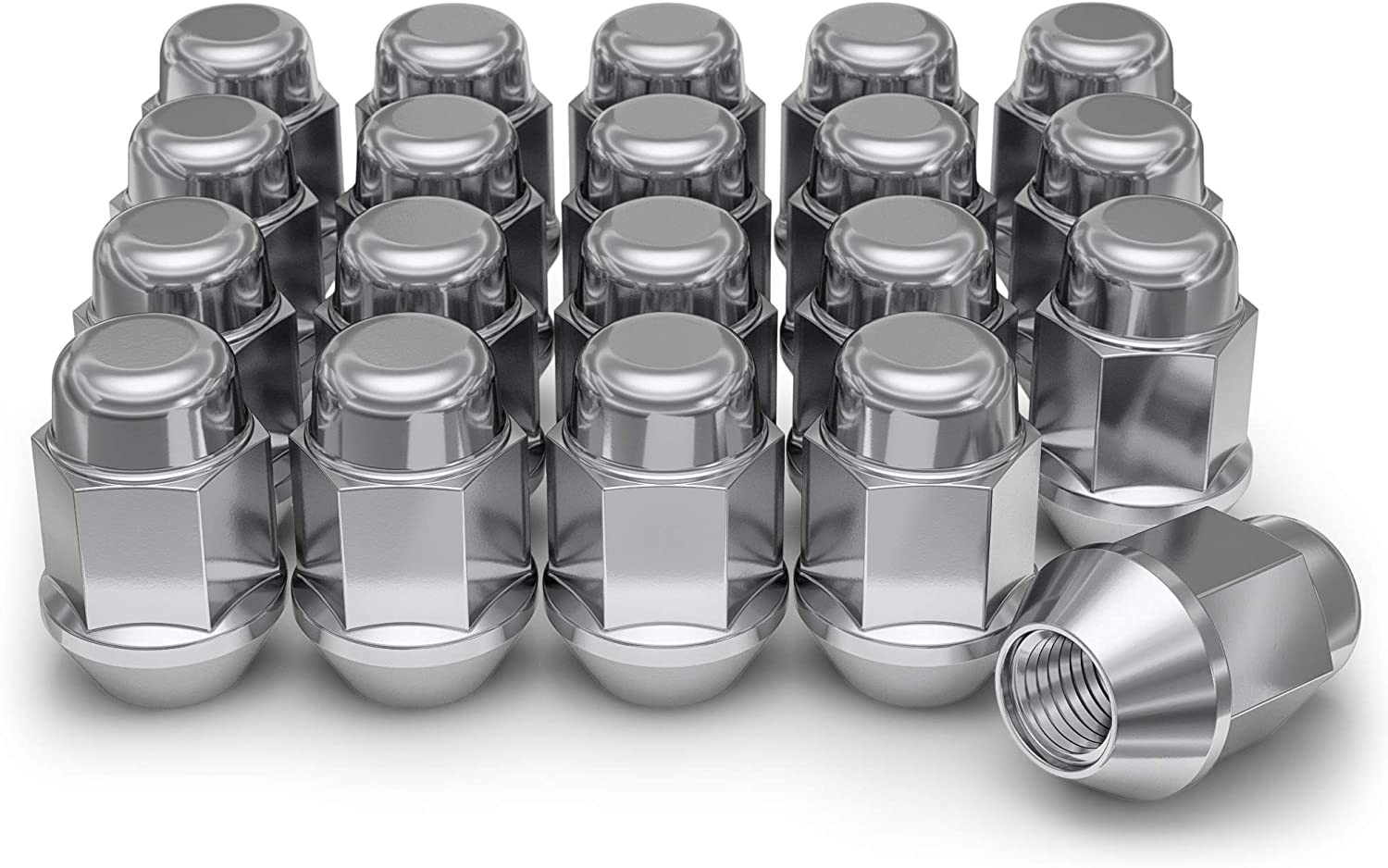
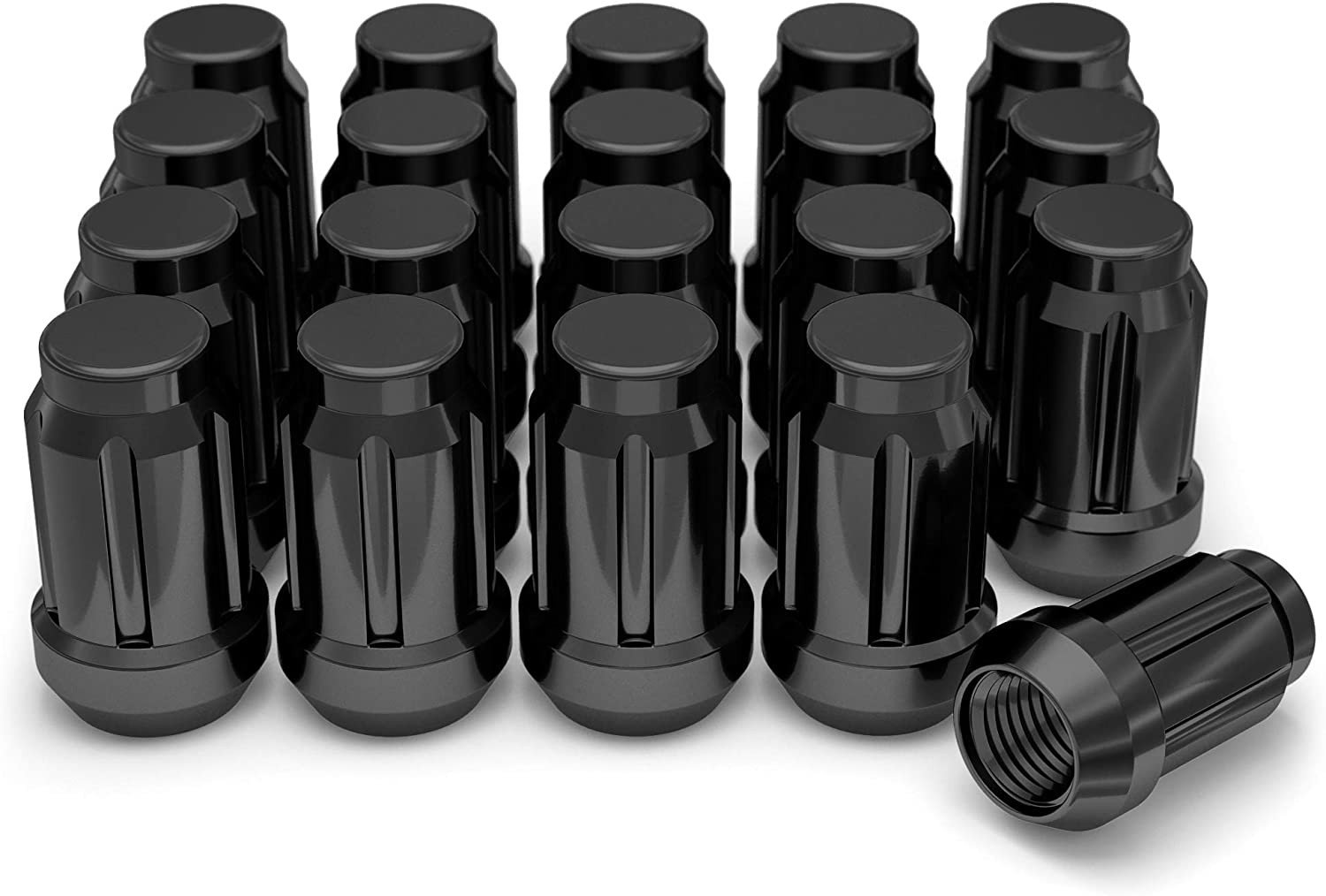
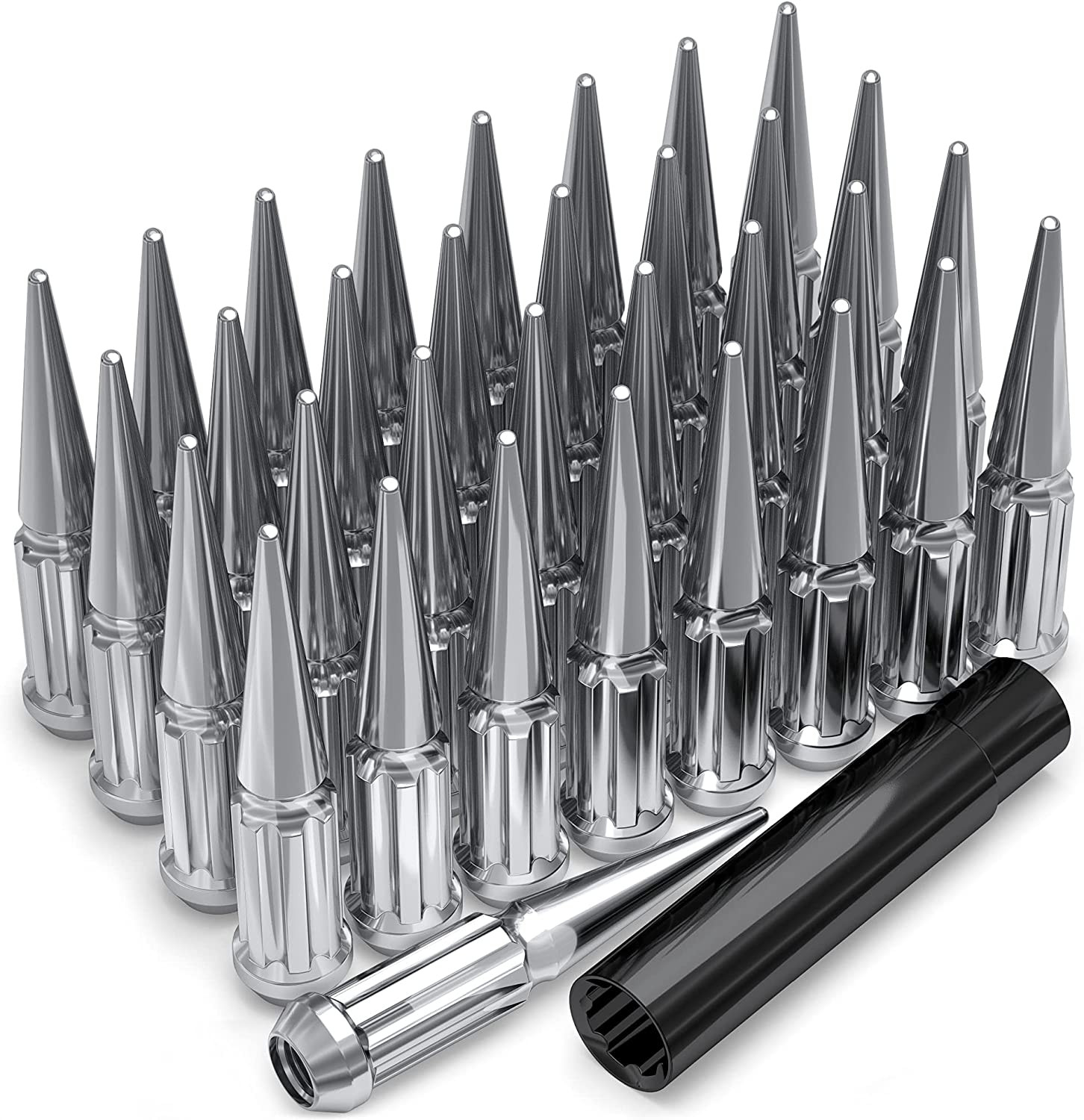
- Check whether the replacement wheel requires different lug nuts, valve stems, tire-pressure sensors, or a different seating style.
- After installation, check for rubbing at full steering lock and during compression before normal driving.
Plus Sizing And Common Upgrades
Plus sizing changes the wheel diameter while using a lower-profile tire to keep the overall tire diameter near the original. The calculator can compare custom rim diameter, width, offset, section width, and aspect ratio for this purpose.
Do not select a tire only by matching its section width. A wider tire can change inner suspension clearance, outer fender clearance, steering feel, and wet-weather behavior. A lower-profile tire can also provide less sidewall protection and may increase impact damage risk on rough roads.
The supplied OEM reference is 225/45R18 on an 18 x 7.5 wheel with ET32. Any alternative size should be checked against the vehicle manufacturer's guidance, tire manufacturer's approved rim-width range, required load rating, and actual vehicle clearance. The appropriate upgrade size may vary by trim and wheel design, so do not treat an unverified size as a guaranteed fit.
Installation Tips
Inspect replacement wheels for bends, cracks, damaged mounting seats, and corrosion before mounting tires. Confirm that the wheel seats fully against the hub without interference from paint buildup, rust, or debris.
Use the correct lug nuts for the wheel's seat design and thread requirements. Do not force incompatible lug hardware onto the studs. Tighten the lugs in a crisscross sequence with the vehicle supported safely, then use the vehicle manufacturer's specified torque procedure. The exact torque value was not provided here, so confirm it in the owner's manual or a Hyundai service source.
After driving a short distance, recheck lug tightness using the correct procedure. Check tire pressure with the tires cold, reset or relearn the tire-pressure monitoring system when required, and inspect for rubbing. If the steering wheel is not centered or the vehicle pulls after a wheel or tire change, have the installation and alignment inspected.
Tools And Helpful Supplies
A properly rated floor jack, jack stands, wheel chocks, a calibrated torque wrench, and the correct socket are important for safe wheel installation. A tire-pressure gauge, tread-depth gauge, wire brush, and hub-cleaning supplies can also help with inspection and preparation.
For convenience, you can compare automotive torque wrenches on Amazon and wheel lug nut socket sets on Amazon. Confirm the tool's size, torque range, and vehicle compatibility before use.
FAQs
What is the bolt pattern for the 2015 Hyundai Genesis Coupe?
The known bolt pattern is 5x114.3. Confirm the exact vehicle configuration before ordering because the supplied data may not cover every trim or market variation.
What is the center bore?
The known center bore is 67.1 mm. A replacement wheel must have a bore that fits over the hub. A larger bore may require correctly sized hub-centric rings, while a smaller bore will not fit without professional machining that is appropriate for the wheel.
What is the known OEM wheel and tire size?
The supplied reference configuration is an 18 x 7.5 wheel with ET32 offset and a 225/45R18 tire. Verify the size on the vehicle and compare any proposed replacement using the calculator.
What lug thread size is listed?
The known thread size is M12 x 1.5. Thread size alone does not identify the correct lug nut. The lug nut seat type, shank design, length, and wheel requirements must also match.
Can I install wheels from another vehicle?
Possibly, but a matching bolt pattern is not enough to establish safe fitment. Compare center bore, diameter, width, offset, backspacing, brake clearance, load rating, lug hardware, and tire specifications in the wheel interchange calculator and then confirm the physical fit.
Does a wider wheel or tire automatically fit?
No. Increasing width can reduce clearance to suspension components and increase the risk of contact with the fender or liner. Use the calculator for an initial comparison and perform a physical clearance check at full steering lock and through suspension travel.
How do I confirm the correct fitment for my trim?
Check the tire and loading label, owner's manual, original wheel markings, Hyundai service information, or a Hyundai dealer. Compare those sources with the calculator results before buying parts.