2012 Acura RDX
Direct Fit- Bolt pattern5x114.3 · Match
- Center bore64.1 mm · Match
- Wheel geometryCompatible with OEM envelope
Geometry within known OEM envelope (approx. outer change -0.67 mm, inner change -5.68 mm vs mid OEM).
Baseline mounting dimensions used for interchange decisions.
Multiple OEM configurations exist for this vehicle. Fitment can vary by trim, brakes, and factory wheel package – confirm your exact setup before buying.
Results are evaluated from bolt pattern, center bore direction, OEM width/offset envelope, and lug hardware – not bolt pattern alone.
Geometry within known OEM envelope (approx. outer change -0.67 mm, inner change -5.68 mm vs mid OEM).
Geometry within known OEM envelope (approx. outer change -0.67 mm, inner change -5.68 mm vs mid OEM).
Geometry within known OEM envelope (approx. outer change -0.67 mm, inner change -5.68 mm vs mid OEM).
Geometry within known OEM envelope (approx. outer change -0.67 mm, inner change -5.68 mm vs mid OEM).
Geometry within known OEM envelope (approx. outer change -0.67 mm, inner change -5.68 mm vs mid OEM).
Geometry within known OEM envelope (approx. outer change -0.67 mm, inner change -5.68 mm vs mid OEM).
Geometry within known OEM envelope (approx. outer change -0.67 mm, inner change -5.68 mm vs mid OEM).
Geometry within known OEM envelope (approx. outer change -0.67 mm, inner change -5.68 mm vs mid OEM).
Geometry within known OEM envelope (approx. outer change -0.67 mm, inner change -5.68 mm vs mid OEM).
Geometry within known OEM envelope (approx. outer change -0.67 mm, inner change -5.68 mm vs mid OEM).
Geometry within known OEM envelope (approx. outer change -0.67 mm, inner change -5.68 mm vs mid OEM).
Geometry within known OEM envelope (approx. outer change 0.67 mm, inner change 5.68 mm vs mid OEM).
Geometry within known OEM envelope (approx. outer change 0.67 mm, inner change 5.68 mm vs mid OEM).
Geometry within known OEM envelope (approx. outer change 0.67 mm, inner change 5.68 mm vs mid OEM).
Geometry within known OEM envelope (approx. outer change 0.67 mm, inner change 5.68 mm vs mid OEM).
Geometry within known OEM envelope (approx. outer change -0.67 mm, inner change -5.68 mm vs mid OEM).
Geometry within known OEM envelope (approx. outer change -0.67 mm, inner change -5.68 mm vs mid OEM).
Geometry within known OEM envelope (approx. outer change -0.67 mm, inner change -5.68 mm vs mid OEM).
Geometry within known OEM envelope (approx. outer change -0.67 mm, inner change -5.68 mm vs mid OEM).
Geometry within known OEM envelope (approx. outer change -0.67 mm, inner change -5.68 mm vs mid OEM).
Geometry within known OEM envelope (approx. outer change -0.67 mm, inner change -5.68 mm vs mid OEM).
Geometry within known OEM envelope (approx. outer change -0.67 mm, inner change -5.68 mm vs mid OEM).
Geometry within known OEM envelope (approx. outer change -0.67 mm, inner change -5.68 mm vs mid OEM).
Geometry within known OEM envelope (approx. outer change -0.67 mm, inner change -5.68 mm vs mid OEM).
Showing 24 of 77 evaluated donors. Same-model years are prioritized.
Only years with evidence-based interchange relationships are listed. Adjacent years are not assumed compatible.
Compare a donor vehicle or custom wheel against this 2013 Acura RDX.
Compare wheel compatibility between two vehicles
2013 Acura RDX





Products below are matched to required fitment dimensions from our parts inventory. Confirm seat style, thickness, and clearance before ordering.
M12 x 1.5
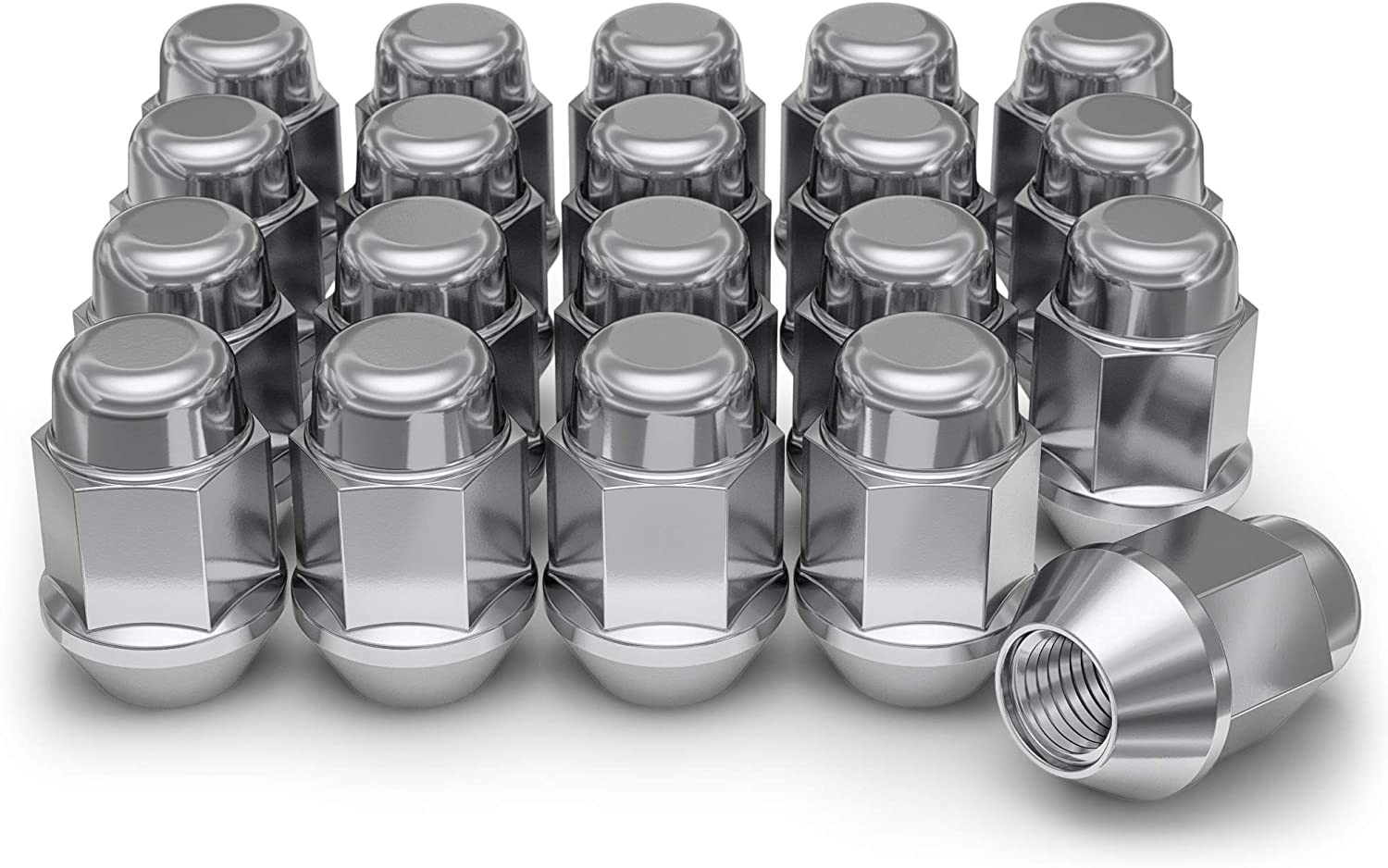
M12 x 1.5 · Confirm wheel seat style before ordering
View on Amazon →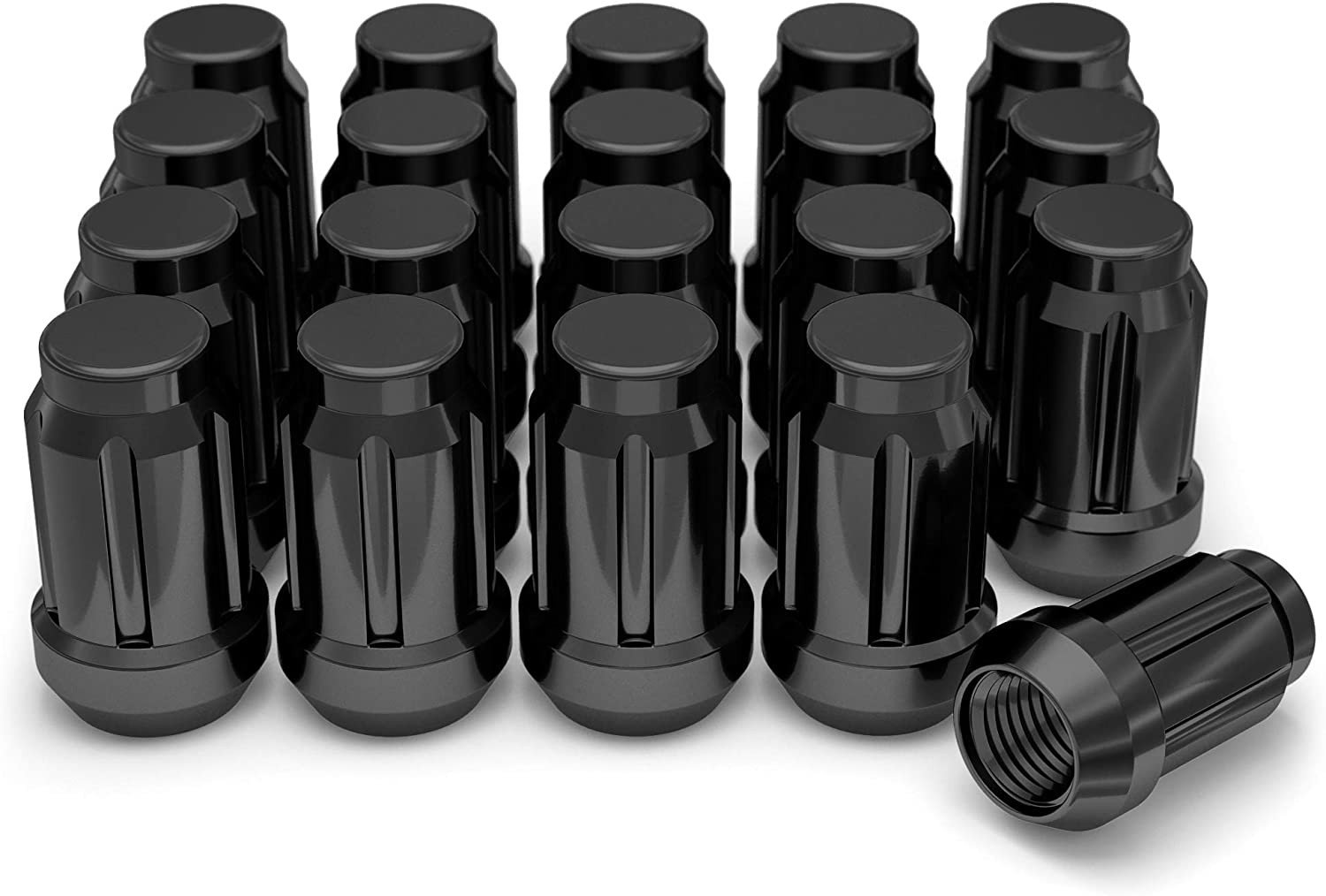
M12 x 1.5 · Confirm wheel seat style before ordering
View on Amazon →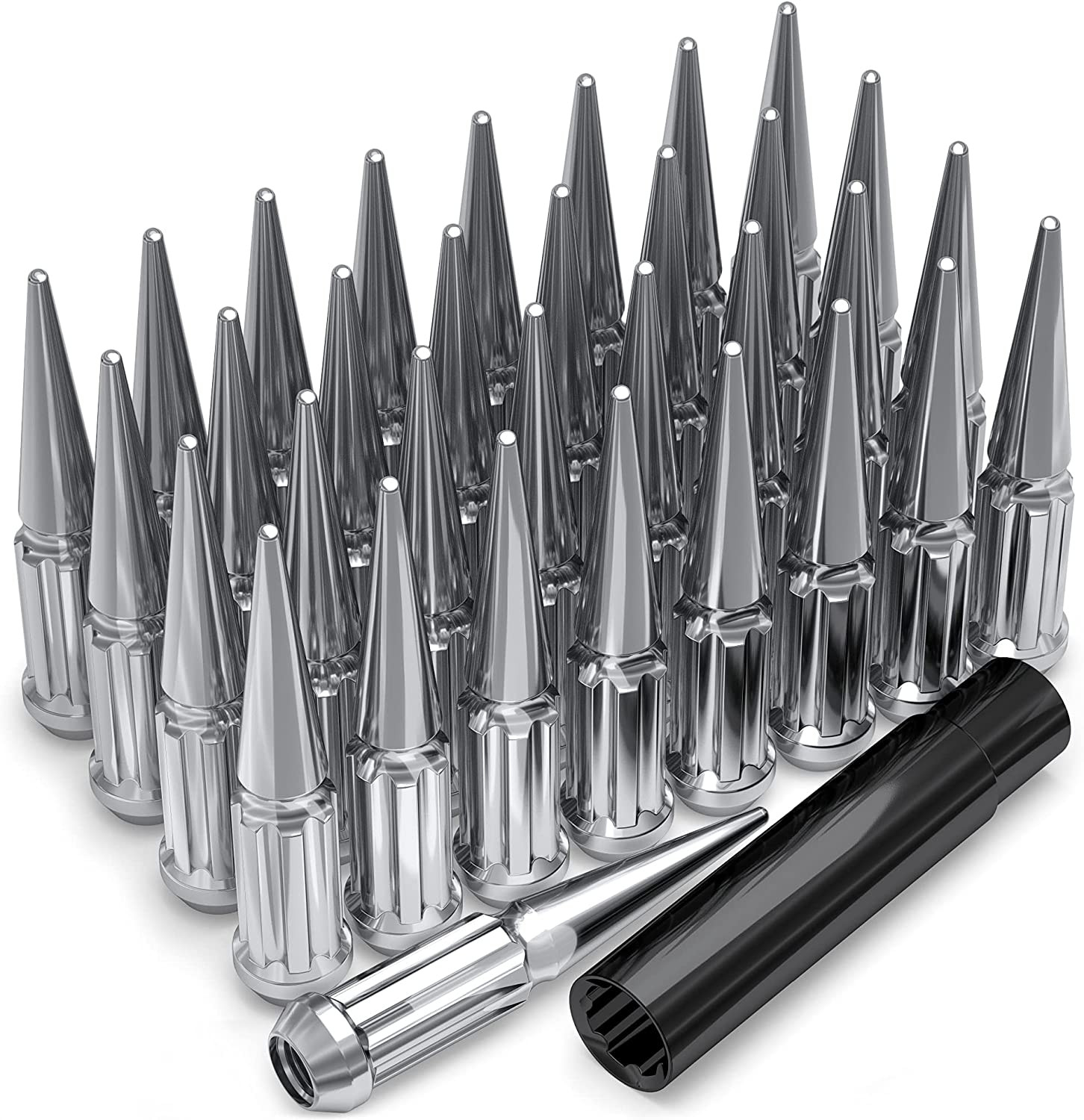
M12 x 1.5 · Confirm wheel seat style before ordering
View on Amazon →5x114.3 · 64.1 mm hub
Directional bolt-pattern adapters. A spacer does not change PCD.
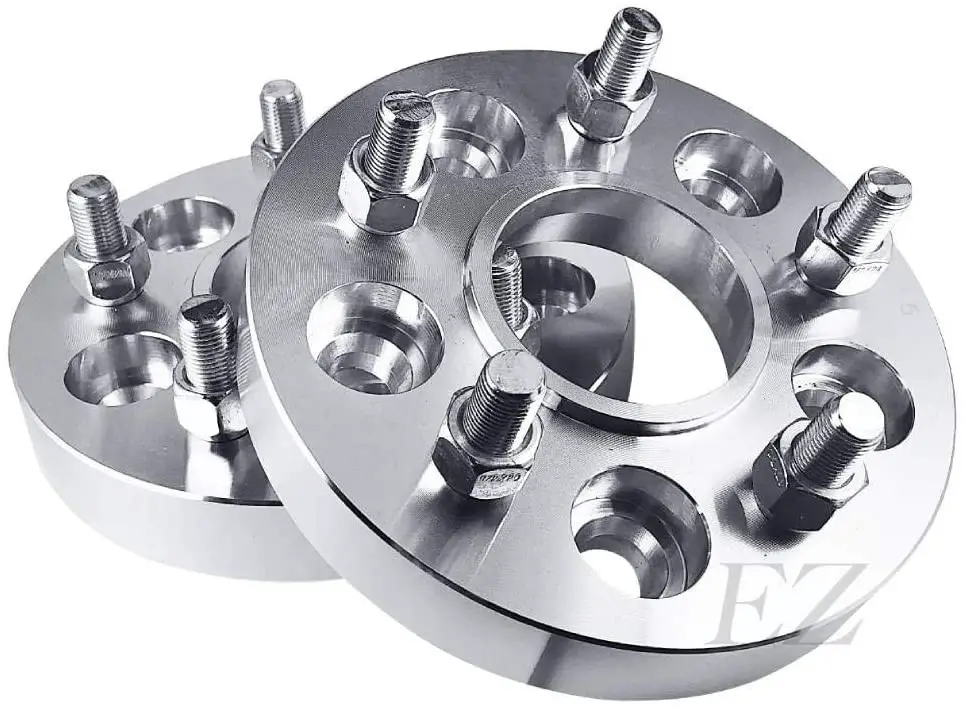
5x114.3 → 5x112 · hub 57.1 mm · 1 inch / 25 mm
View on Amazon →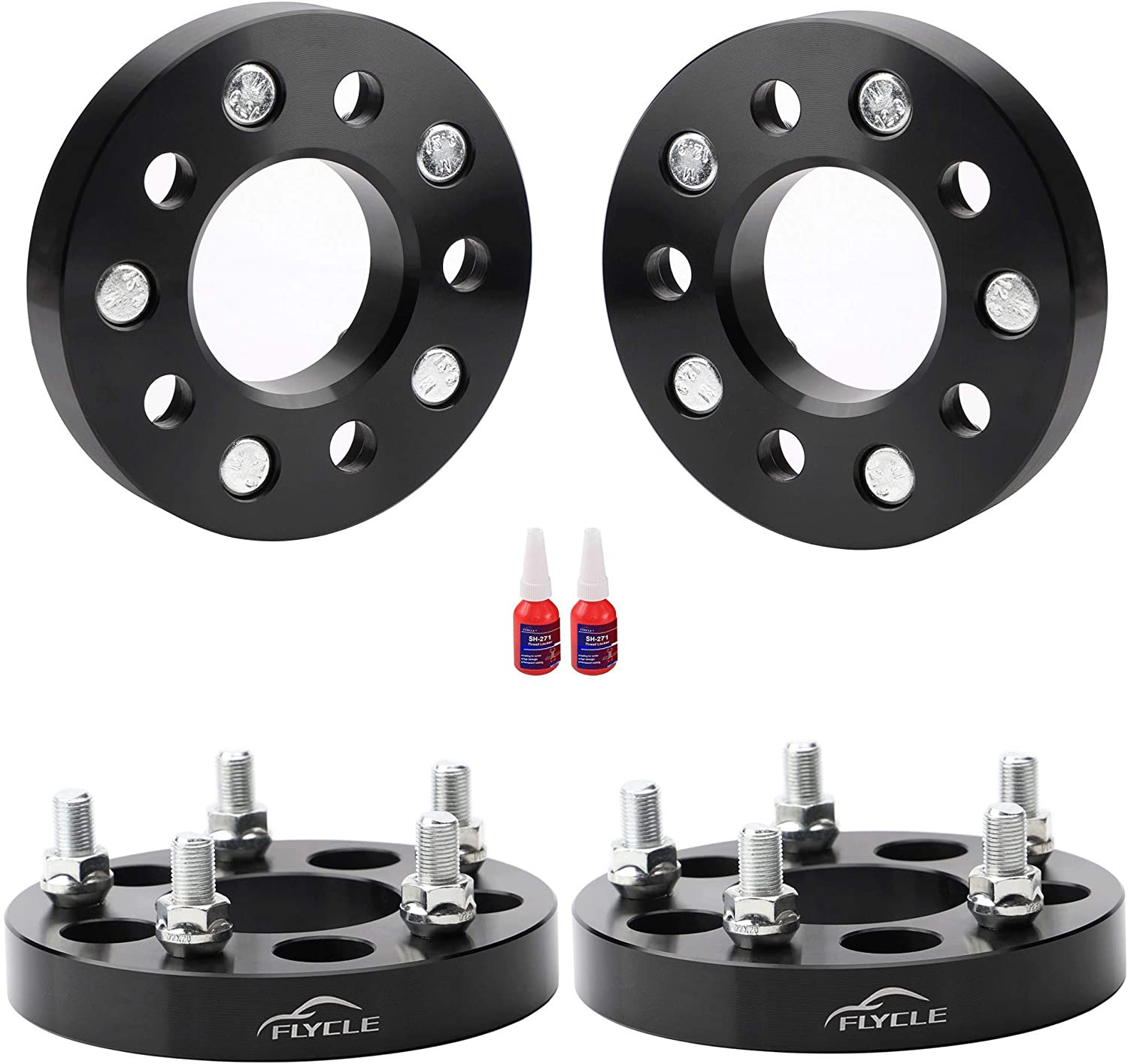
5x114.3 → 5x120.7 · hub 73 mm · 1 inch / 25 mm
View on Amazon →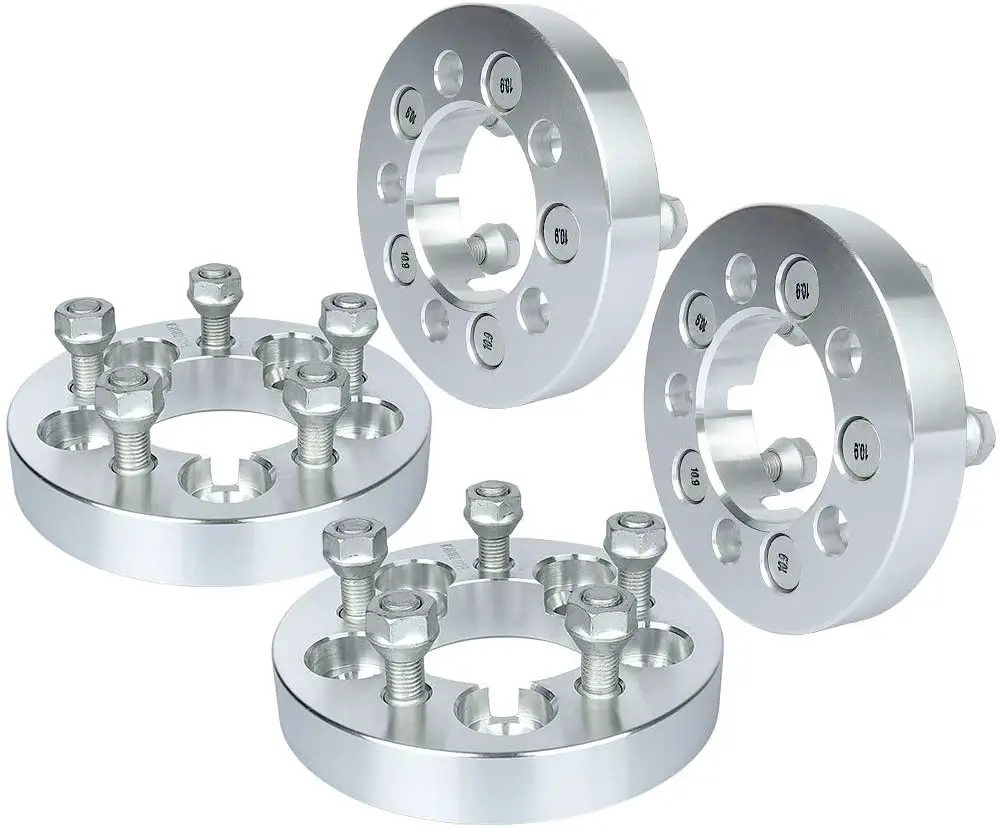
5x114.3 → 5x100 · hub 73.1 mm · 1 inch / 25 mm
View on Amazon →As an Amazon Associate we earn from qualifying purchases. Product availability and pricing may change.
Wheel interchange depends on more than bolt pattern. Where data is available, this site compares:
A normal wheel spacer does not change bolt pattern. Hub rings cannot enlarge a wheel bore that is smaller than the hub. Brake clearance and tire package fitment still require vehicle-specific checks when not confirmed in the dataset.
This page summarizes the factory wheel and tire fitment for the 2013 Acura RDX and explains how to use the on-page wheel/tire fitment calculator to check swaps, donor wheels, or custom wheel/tire packages. The guidance focuses on safe, do-it-yourself and technician-friendly procedures – do not fit wheels or hardware that do not match the vehicle’s hub, lug thread, or braking clearance without using the appropriate adapters or professional help.
If any specification varies by trim or is not certain for your vehicle, the safest approach is to confirm the value on the vehicle (door jamb sticker/owner’s manual) or with the dealer and then use the calculator below to validate fitment.
If the bolt pattern does not match, the wheel cannot be mounted without an adapter. Wheel adapters that change bolt pattern exist, but they must be hub-centric, properly rated for the vehicle load, and installed with the correct thread engagement. Adapters add stress and change suspension geometry – consult a professional.
If an aftermarket wheel’s center bore is larger than 64.1 mm, use a properly sized hub-centric ring to center the wheel on the hub. Do not rely solely on lug nuts to center the wheel – that causes vibration and uneven stresses.
If the wheel or aftermarket hardware needs a different thread, do NOT force incompatible lug nuts onto studs. Either replace the studs to match the wheel or use wheels that match the factory thread pitch. Verify seat type (conical, ball, etc.) and use matching lug nuts for the wheel seat style.
If you change offset significantly, watch for: brake caliper interference, inner fender or suspension contact, and altered steering geometry. Small offset changes can often be accommodated with spacers or different backspacing, but spacers move the load-bearing surface outward and require hub-centric, high-quality parts and re-torquing procedures.
| Year | Make | Model | Bolt pattern | Center bore (mm) | Thread size | Rim (D x W) | Offset (ET) | Backspacing | Tire |
|---|---|---|---|---|---|---|---|---|---|
| 2013 | Acura | RDX | 5x114.3 | 64.1 | M12 x 1.5 | 18 x 7.5 | 45 mm | 5.52 in | 235/60R18 |
Note: If your vehicle is a special trim or aftermarket-altered, confirm values on the door jamb sticker, owner’s manual, or with the dealer. If any value above differs from what you measure or find in OEM documentation, use the confirmed value in the calculator.
A: Possible in many cases, but you must confirm overall tire diameter, clearance for brakes and suspension, and speedometer impact. Use the calculator to model different rim diameters and tire sizes, then physically confirm clearances. If you’re unsure, consult the owner’s manual or a professional.
A: Matching bolt pattern is only one requirement. Confirm center bore, lug thread size, seat type, offset, and brake clearance before assuming fitment. Do not rely on a vehicle/make name alone – check the specific dimensions.
A: Count the number of studs (5) and confirm the pitch circle diameter (114.3 mm) from the owner’s manual or dealer. If you measure on the vehicle, use a reliable method or parts catalog – if uncertain, get the dealer to confirm.
A: Follow the vehicle manufacturer’s torque specification in the owner’s manual or service manual. If you don’t have that number, contact a dealer or professional – do not guess torque values.
A: Small offset differences are often manageable, but any change can alter track width and clearance. Use the fitment calculator to evaluate changes, and always physically check for rubbing during full-turn steering and compression. If in doubt, consult a wheel/tire specialist.
The information on this page is provided for planning and informational purposes only. Always confirm vehicle-specific specifications from the owner’s manual, door jamb sticker, or an authorized dealer before purchasing or installing wheels, tires, lug nuts, spacers, or adapters. Improper fitment or installation can cause loss of vehicle control, wheel separation, or other serious accidents. If you are not qualified to fit wheels and tires, have a professional technician perform the work and verify torque, centering, and clearance.
