2010 Acura RDX
Direct Fit- Bolt pattern5x114.3 · Match
- Center bore64.1 mm · Match
- Wheel geometryCompatible with OEM envelope
Geometry within known OEM envelope (approx. outer change -0.67 mm, inner change -5.68 mm vs mid OEM).
Baseline mounting dimensions used for interchange decisions.
Results are evaluated from bolt pattern, center bore direction, OEM width/offset envelope, and lug hardware – not bolt pattern alone.
Geometry within known OEM envelope (approx. outer change -0.67 mm, inner change -5.68 mm vs mid OEM).
Geometry within known OEM envelope (approx. outer change -0.67 mm, inner change -5.68 mm vs mid OEM).
Geometry within known OEM envelope (approx. outer change -0.67 mm, inner change -5.68 mm vs mid OEM).
Geometry within known OEM envelope (approx. outer change -0.67 mm, inner change -5.68 mm vs mid OEM).
Geometry within known OEM envelope (approx. outer change -0.67 mm, inner change -5.68 mm vs mid OEM).
Geometry within known OEM envelope (approx. outer change -0.67 mm, inner change -5.68 mm vs mid OEM).
Geometry within known OEM envelope (approx. outer change -0.67 mm, inner change -5.68 mm vs mid OEM).
Geometry within known OEM envelope (approx. outer change -0.67 mm, inner change -5.68 mm vs mid OEM).
Geometry within known OEM envelope (approx. outer change -0.67 mm, inner change -5.68 mm vs mid OEM).
Geometry within known OEM envelope (approx. outer change -0.67 mm, inner change -5.68 mm vs mid OEM).
Geometry within known OEM envelope (approx. outer change -0.67 mm, inner change -5.68 mm vs mid OEM).
Geometry within known OEM envelope (approx. outer change 0.67 mm, inner change 5.68 mm vs mid OEM).
Geometry within known OEM envelope (approx. outer change 0.67 mm, inner change 5.68 mm vs mid OEM).
Geometry within known OEM envelope (approx. outer change 0.67 mm, inner change 5.68 mm vs mid OEM).
Geometry within known OEM envelope (approx. outer change 0.67 mm, inner change 5.68 mm vs mid OEM).
Geometry within known OEM envelope (approx. outer change -0.67 mm, inner change -5.68 mm vs mid OEM).
Geometry within known OEM envelope (approx. outer change -0.67 mm, inner change -5.68 mm vs mid OEM).
Geometry within known OEM envelope (approx. outer change -0.67 mm, inner change -5.68 mm vs mid OEM).
Geometry within known OEM envelope (approx. outer change -0.67 mm, inner change -5.68 mm vs mid OEM).
Geometry within known OEM envelope (approx. outer change -0.67 mm, inner change -5.68 mm vs mid OEM).
Geometry within known OEM envelope (approx. outer change -0.67 mm, inner change -5.68 mm vs mid OEM).
Geometry within known OEM envelope (approx. outer change -0.67 mm, inner change -5.68 mm vs mid OEM).
Geometry within known OEM envelope (approx. outer change -0.67 mm, inner change -5.68 mm vs mid OEM).
Geometry within known OEM envelope (approx. outer change -0.67 mm, inner change -5.68 mm vs mid OEM).
Showing 24 of 77 evaluated donors. Same-model years are prioritized.
Only years with evidence-based interchange relationships are listed. Adjacent years are not assumed compatible.
Compare a donor vehicle or custom wheel against this 2011 Acura RDX.
Compare wheel compatibility between two vehicles
2011 Acura RDX





Products below are matched to required fitment dimensions from our parts inventory. Confirm seat style, thickness, and clearance before ordering.
M12 x 1.5
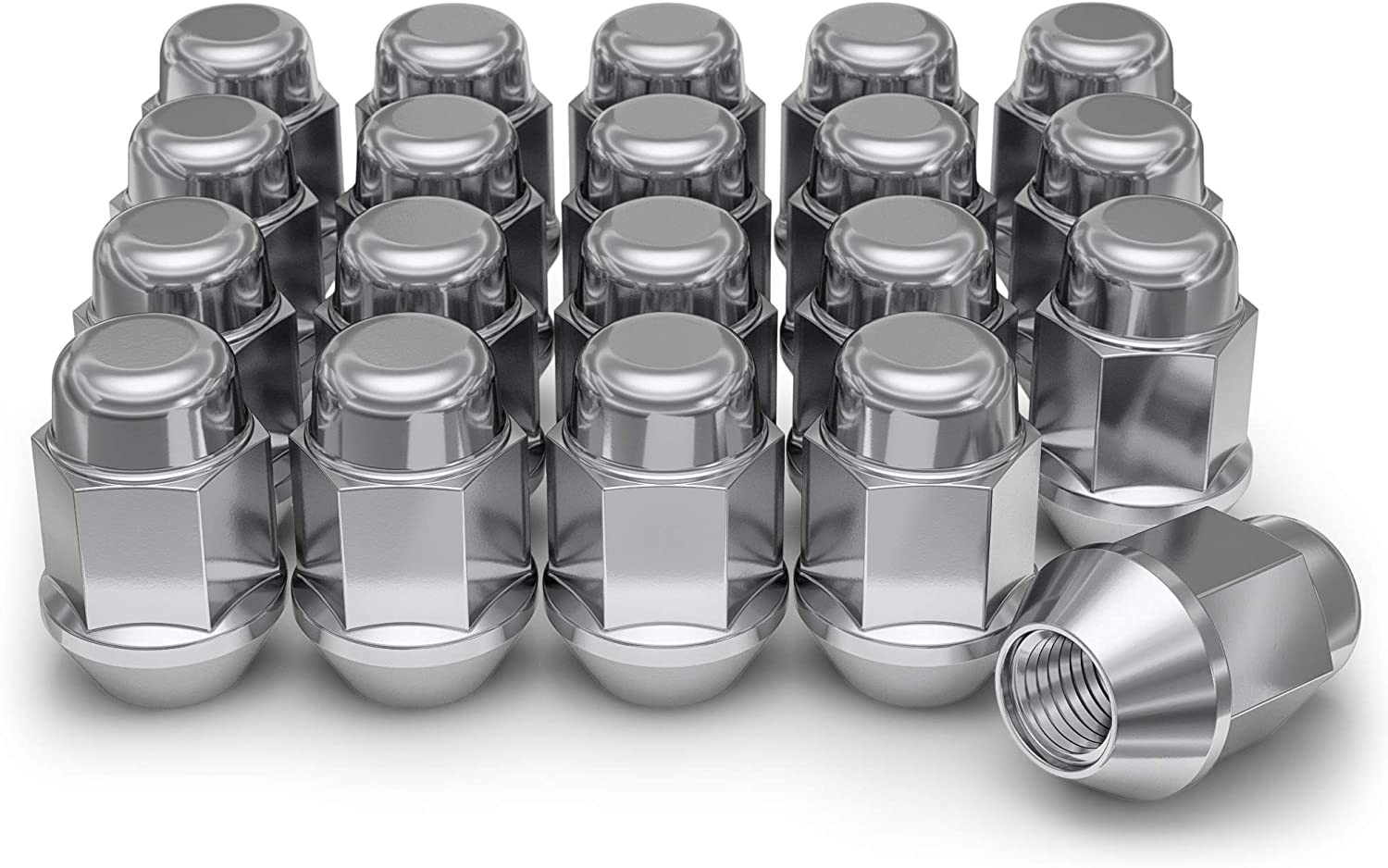
M12 x 1.5 · Confirm wheel seat style before ordering
View on Amazon →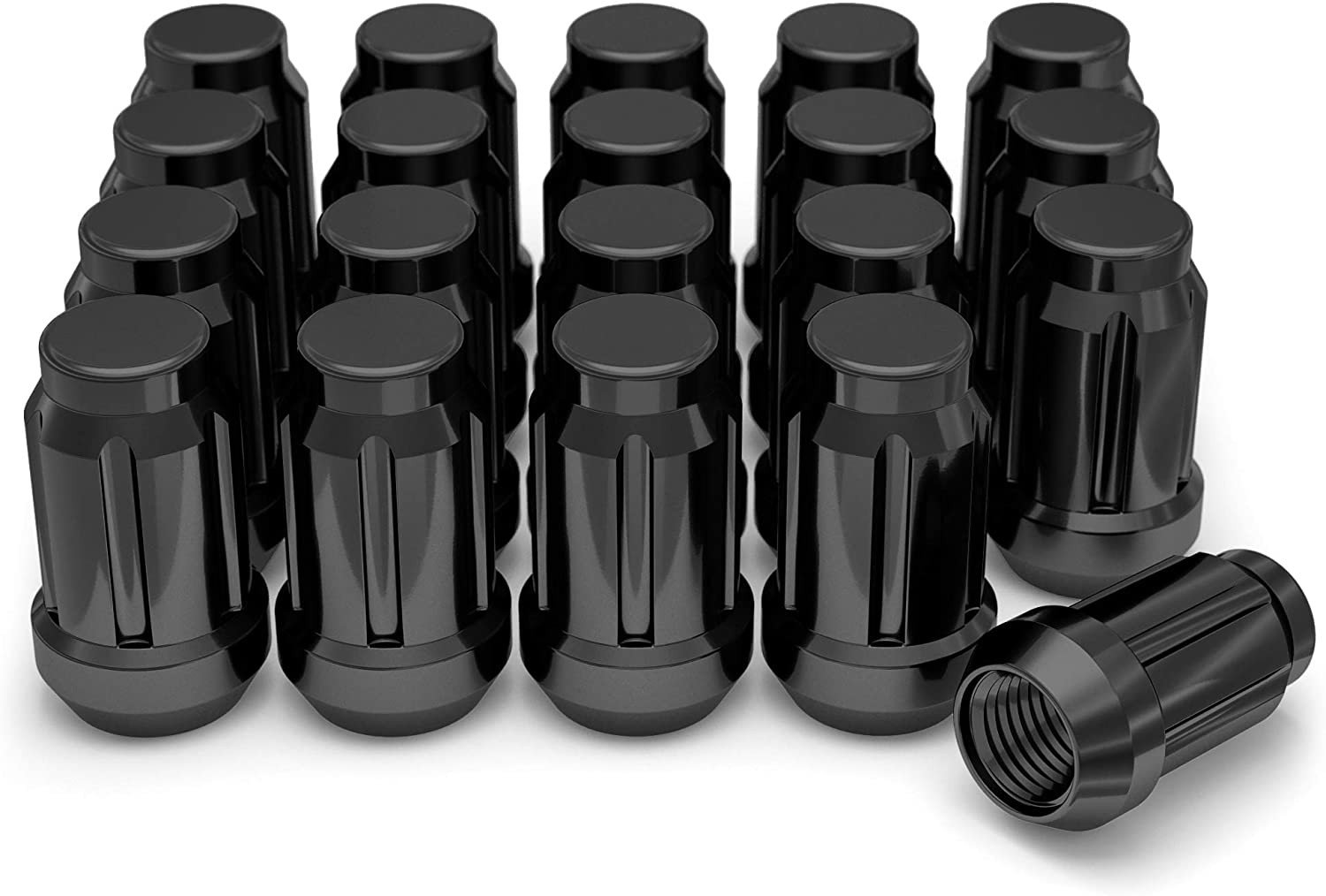
M12 x 1.5 · Confirm wheel seat style before ordering
View on Amazon →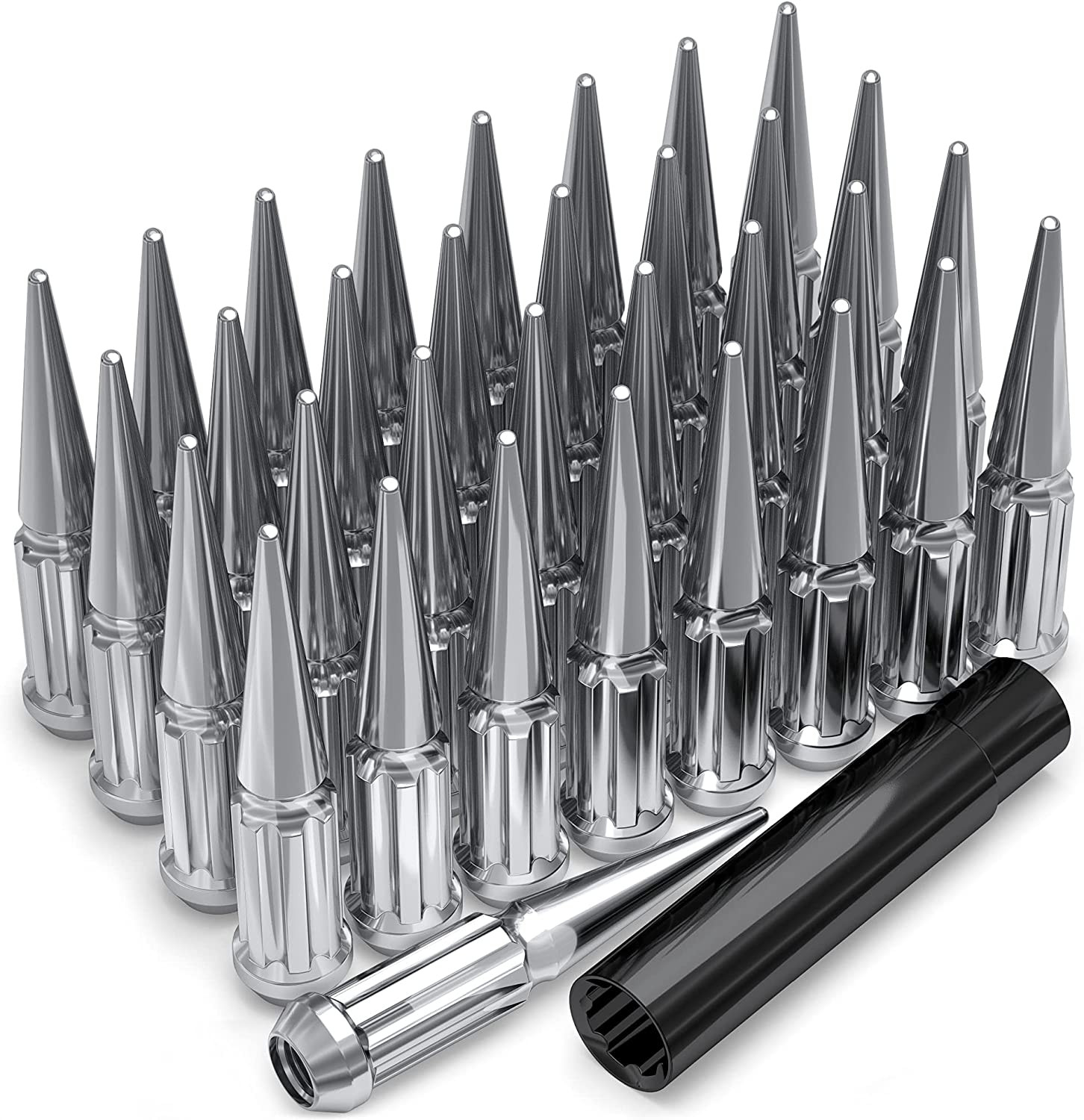
M12 x 1.5 · Confirm wheel seat style before ordering
View on Amazon →5x114.3 · 64.1 mm hub
Directional bolt-pattern adapters. A spacer does not change PCD.
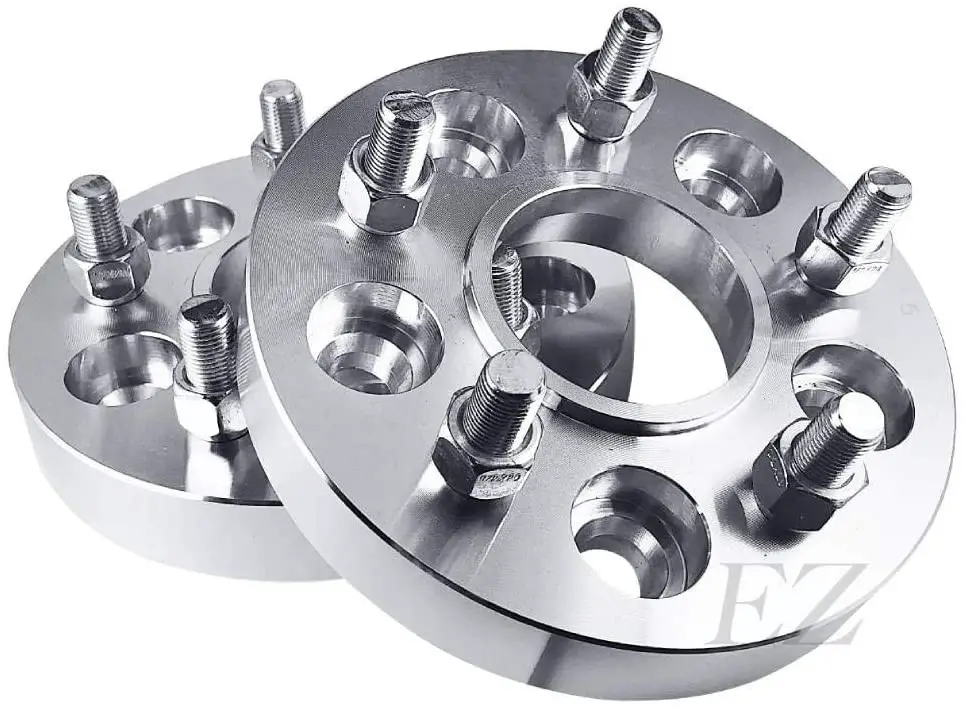
5x114.3 → 5x112 · hub 57.1 mm · 1 inch / 25 mm
View on Amazon →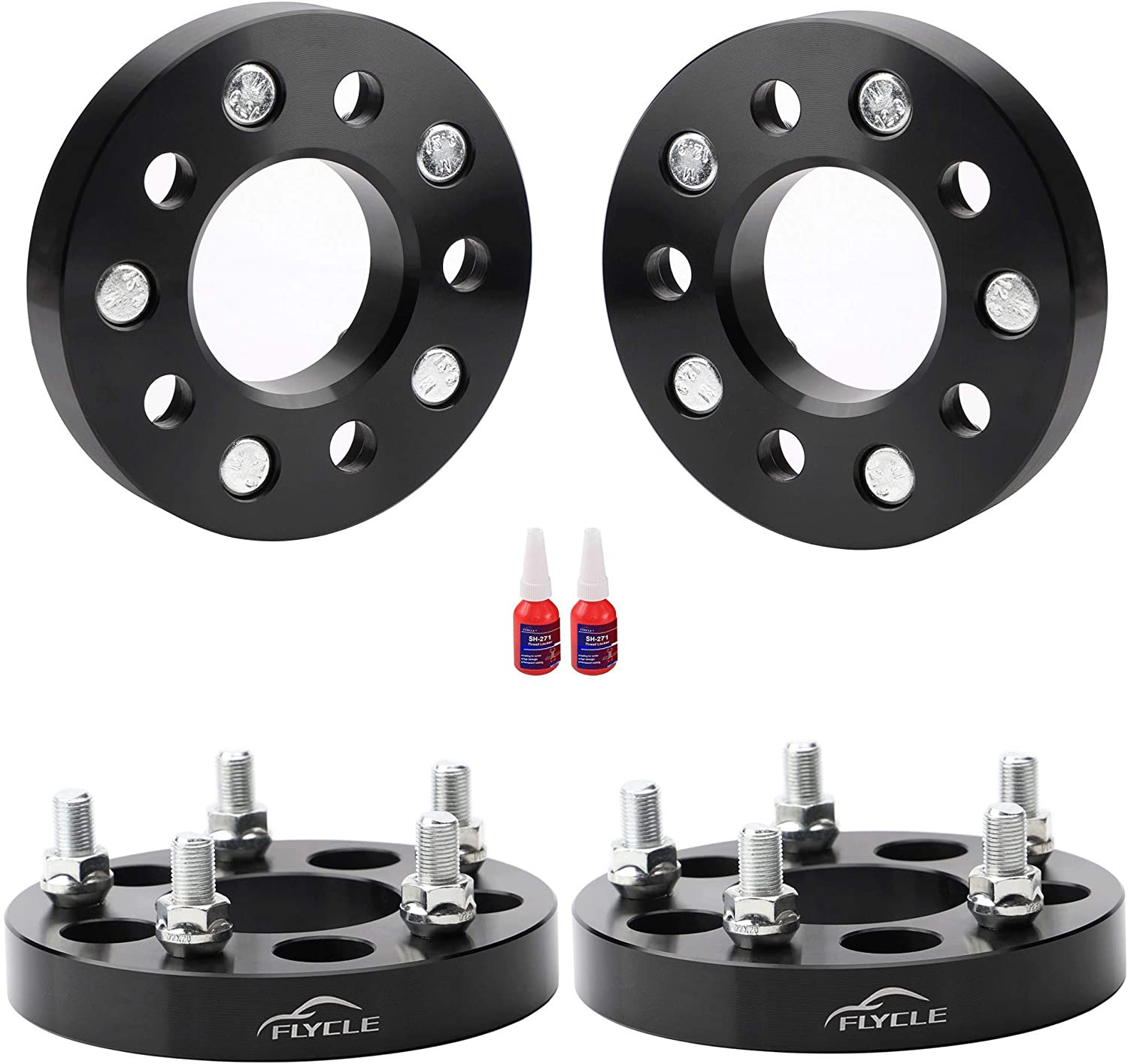
5x114.3 → 5x120.7 · hub 73 mm · 1 inch / 25 mm
View on Amazon →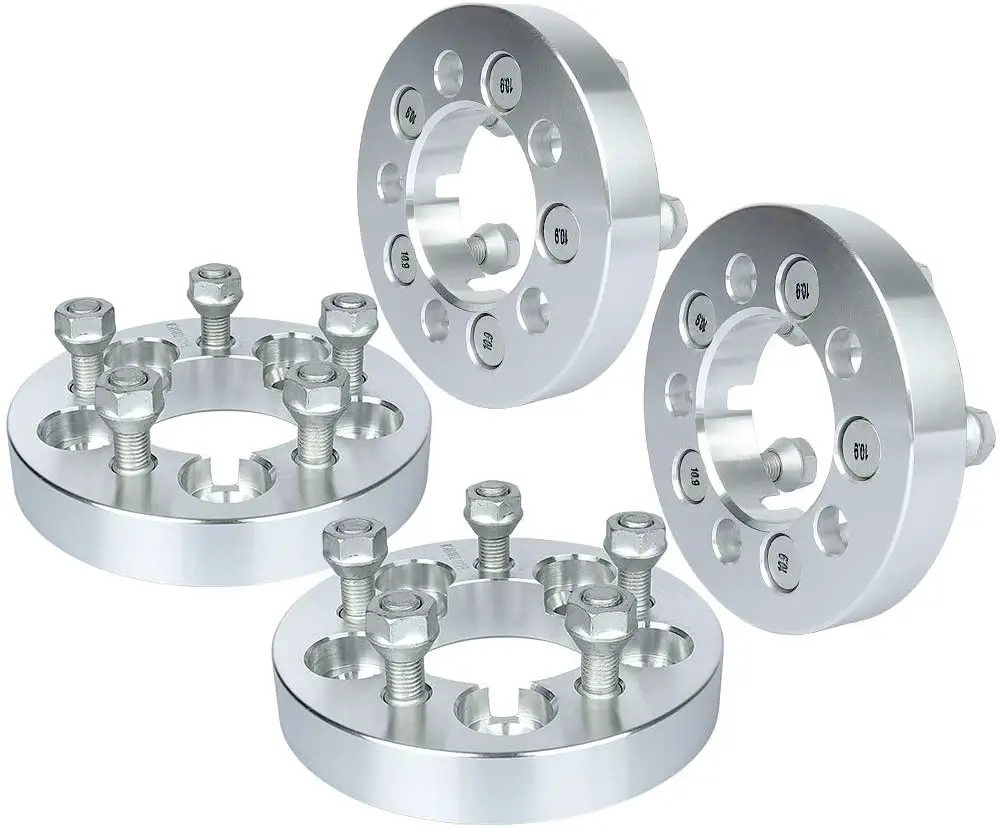
5x114.3 → 5x100 · hub 73.1 mm · 1 inch / 25 mm
View on Amazon →As an Amazon Associate we earn from qualifying purchases. Product availability and pricing may change.
Wheel interchange depends on more than bolt pattern. Where data is available, this site compares:
A normal wheel spacer does not change bolt pattern. Hub rings cannot enlarge a wheel bore that is smaller than the hub. Brake clearance and tire package fitment still require vehicle-specific checks when not confirmed in the dataset.
This page summarizes the OEM wheel and tire fitment for the 2011 Acura RDX and explains how to use the on‑page wheel/tire fitment calculator to check aftermarket or donor wheels. It focuses on safety, how to confirm measurements, and what to do if a spec doesn't match.
Do not rely on assumptions – always confirm fitment with the calculator, measurements at the wheel/hub, and OEM sources (owner’s manual, dealer, vehicle placard). If a value varies by trim or aftermarket change, the calculator and the verification steps below will show how to confirm before you buy or install.
If the donor wheel’s bolt pattern (PCD) does not match 5x114.3, it will not securely mount on the RDX without adapters or replacing the hub/studs. Adapters exist but introduce safety, stress, and legal concerns – only use professionally engineered adapters sized for your vehicle and load rating. Prefer wheels with the correct 5x114.3 pattern.
If a wheel's center bore is larger than 64.1 mm, use a precision hub‑centric ring sized to the wheel bore and the vehicle hub (wheel bore → hub bore). If the wheel bore is smaller than 64.1 mm it physically will not fit on the hub and cannot be used.
M12 x 1.5 is the bolt/stud thread. If a wheel requires different lug nut seat type (conical vs ball) or pitch, do not force mismatched lug nuts. Use the correct lug nuts for the stud size and wheel seat. If studs are wrong, replace the studs with the correct specification and torque to factory specs.
Offset changes the wheel’s track position. Lower (more negative) offset pushes the wheel outboard – possibly causing fender rub – while higher (more positive) offset moves the wheel inboard – possibly interfering with brakes/suspension or increasing scrub radius. Use the calculator to preview changes. If the tool shows potential rubbing, increase offset or reduce rim width/tyre size. For significant offset changes, check suspension geometry and bearing load; consult a qualified technician.
| Specification | Value |
|---|---|
| Bolt pattern (studs x PCD) | 5 x 114.3 |
| Center bore | 64.1 mm |
| Thread size (studs) | M12 x 1.5 |
| Rim diameter | 18 in |
| Rim width | 7.5 in |
| Offset (ET) | 45 mm |
| Backspacing | 5.52 in |
| Factory tire | 235/55R18 |
Helpful parts/tools (examples): torque wrench, hub‑centric rings, lug nuts.
A: Possibly, but it depends on rim width, offset, and tire size. Use the custom wheel/tire fields in the calculator to enter a 19" rim and an appropriate tire size to see predicted clearance and diameter changes. Always verify brake clearance and fender clearance in person and consult OEM specs for load/offset limits.
A: Yes if you use the correct hub‑centric ring sized to the wheel bore and the RDX hub (64.1 mm). Rings center the wheel on the hub and reduce vibration. Ensure rings are a precise fit – do not use loose or improvised shims.
A: Bolt pattern must match exactly (5x114.3 for the RDX). Small differences are not acceptable. Only use adapters specifically engineered for your vehicle and wheel combination; otherwise, choose wheels with the correct PCD.
A: You only need to replace studs if the new wheel or lug nuts require a different thread size or seat type. For the 2011 RDX the thread spec is M12 x 1.5 – confirm new lug nuts match this before installation.
A: Check the vehicle placard on the driver’s door jamb, the owner’s manual, or call an Acura dealer with your VIN. The on‑page calculator can also help test variations but verify final fitment with OEM resources and physical measurements.
The information on this page is for general guidance only. Wheel and tire fitment can vary by trim, option, aftermarket modifications, and wear. Never install wheels or components without confirming compatibility (bolt pattern, center bore, thread size, offset, brake clearance) and without proper torque and mounting procedures. For critical questions or major changes, consult a professional technician, the vehicle manufacturer, or an authorized dealer. The site and author are not liable for improper installations or damage resulting from incorrect fitment choices.
