2008 BMW M5
Direct Fit- Bolt pattern5x120 · Match
- Center bore72.6 mm · Match
- Wheel geometryCompatible with OEM envelope
Geometry within known OEM envelope (approx. outer change -1.17 mm, inner change -5.18 mm vs mid OEM).
Baseline mounting dimensions used for interchange decisions.
Multiple OEM configurations exist for this vehicle. Fitment can vary by trim, brakes, and factory wheel package – confirm your exact setup before buying.
Results are evaluated from bolt pattern, center bore direction, OEM width/offset envelope, and lug hardware – not bolt pattern alone.
Geometry within known OEM envelope (approx. outer change -1.17 mm, inner change -5.18 mm vs mid OEM).
Geometry within known OEM envelope (approx. outer change -1.17 mm, inner change -5.18 mm vs mid OEM).
Geometry within known OEM envelope (approx. outer change -1.17 mm, inner change -5.18 mm vs mid OEM).
Geometry within known OEM envelope (approx. outer change -1.17 mm, inner change -5.18 mm vs mid OEM).
Geometry within known OEM envelope (approx. outer change -7.18 mm, inner change 0.83 mm vs mid OEM).
Geometry within known OEM envelope (approx. outer change -7.18 mm, inner change 0.83 mm vs mid OEM).
Geometry within known OEM envelope (approx. outer change -7.18 mm, inner change 0.83 mm vs mid OEM).
Geometry within known OEM envelope (approx. outer change -7.18 mm, inner change 0.83 mm vs mid OEM).
Geometry within known OEM envelope (approx. outer change -7.18 mm, inner change 0.83 mm vs mid OEM).
Geometry within known OEM envelope (approx. outer change -7.18 mm, inner change 0.83 mm vs mid OEM).
Geometry within known OEM envelope (approx. outer change -1.17 mm, inner change -5.18 mm vs mid OEM).
Geometry within known OEM envelope (approx. outer change -1.17 mm, inner change -5.18 mm vs mid OEM).
Geometry within known OEM envelope (approx. outer change -1.17 mm, inner change -5.18 mm vs mid OEM).
Geometry within known OEM envelope (approx. outer change -1.17 mm, inner change -5.18 mm vs mid OEM).
Geometry within known OEM envelope (approx. outer change -1.17 mm, inner change -5.18 mm vs mid OEM).
Geometry within known OEM envelope (approx. outer change -13.52 mm, inner change -5.52 mm vs mid OEM).
Required part74.1 → 72.6 mm hub-centric rings
Required: 74.1 → 72.6 mm hub-centric rings. Geometry within known OEM envelope (approx. outer change -13.52 mm, inner change -5.52 mm vs mid OEM).
Required part74.1 → 72.6 mm hub-centric rings
Required: 74.1 → 72.6 mm hub-centric rings. Geometry within known OEM envelope (approx. outer change -13.52 mm, inner change -5.52 mm vs mid OEM).
Required part74.1 → 72.6 mm hub-centric rings
Required: 74.1 → 72.6 mm hub-centric rings. Geometry within known OEM envelope (approx. outer change -13.52 mm, inner change -5.52 mm vs mid OEM).
Required part74.1 → 72.6 mm hub-centric rings
Required: 74.1 → 72.6 mm hub-centric rings. Geometry within known OEM envelope (approx. outer change -13.52 mm, inner change -5.52 mm vs mid OEM).
Potential requirementWheel spacer ≈ 11.83 mm
Potential requirement: 11.83 mm wheel spacer. Estimated outer position is about 11.83 mm farther inward than the mid OEM package. Use lug nuts / bolts specified for your vehicle.
Potential requirementWheel spacer ≈ 11.83 mm
Potential requirement: 11.83 mm wheel spacer. Estimated outer position is about 11.83 mm farther inward than the mid OEM package. Use lug nuts / bolts specified for your vehicle.
Potential requirementWheel spacer ≈ 11.83 mm
Potential requirement: 11.83 mm wheel spacer. Estimated outer position is about 11.83 mm farther inward than the mid OEM package. Use lug nuts / bolts specified for your vehicle.
Potential requirementWheel spacer ≈ 11.83 mm
Potential requirement: 11.83 mm wheel spacer. Estimated outer position is about 11.83 mm farther inward than the mid OEM package. Use lug nuts / bolts specified for your vehicle.
Showing 24 of 99 evaluated donors. Same-model years are prioritized.
Only years with evidence-based interchange relationships are listed. Adjacent years are not assumed compatible.
Compare a donor vehicle or custom wheel against this 2009 BMW M5.
Compare wheel compatibility between two vehicles
2009 BMW M5





Products below are matched to required fitment dimensions from our parts inventory. Confirm seat style, thickness, and clearance before ordering.
M12 x 1.5
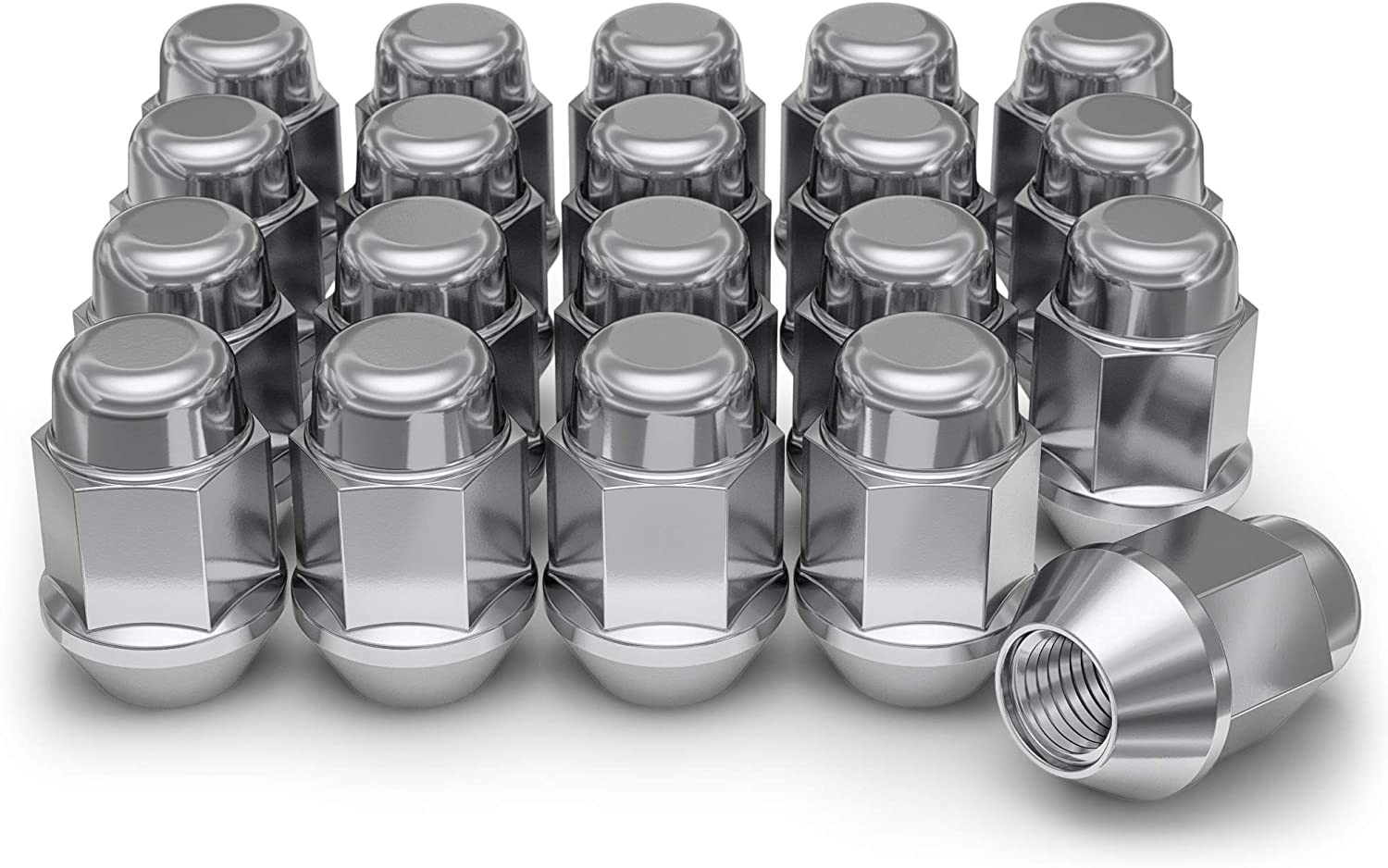
M12 x 1.5 · Confirm wheel seat style before ordering
View on Amazon →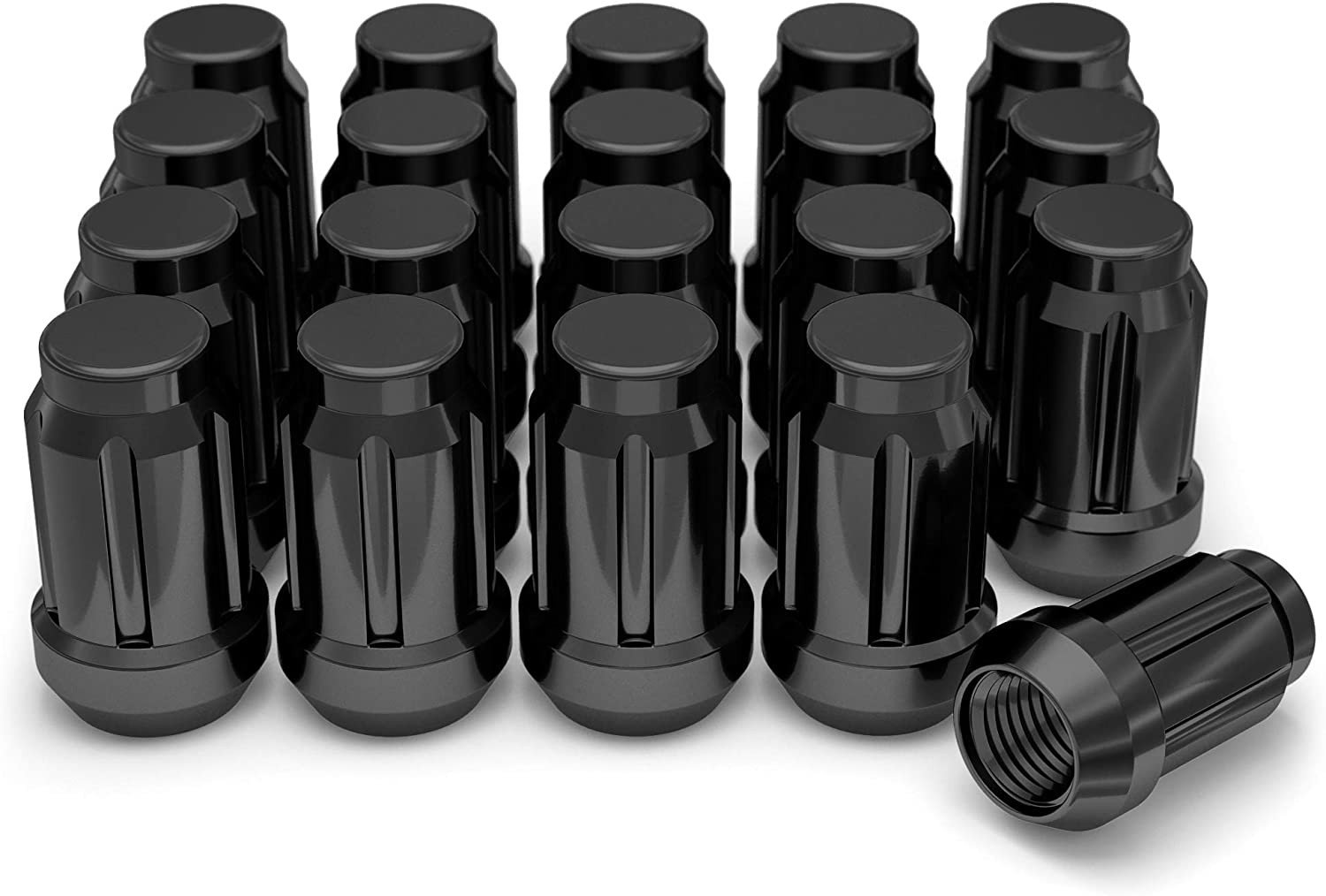
M12 x 1.5 · Confirm wheel seat style before ordering
View on Amazon →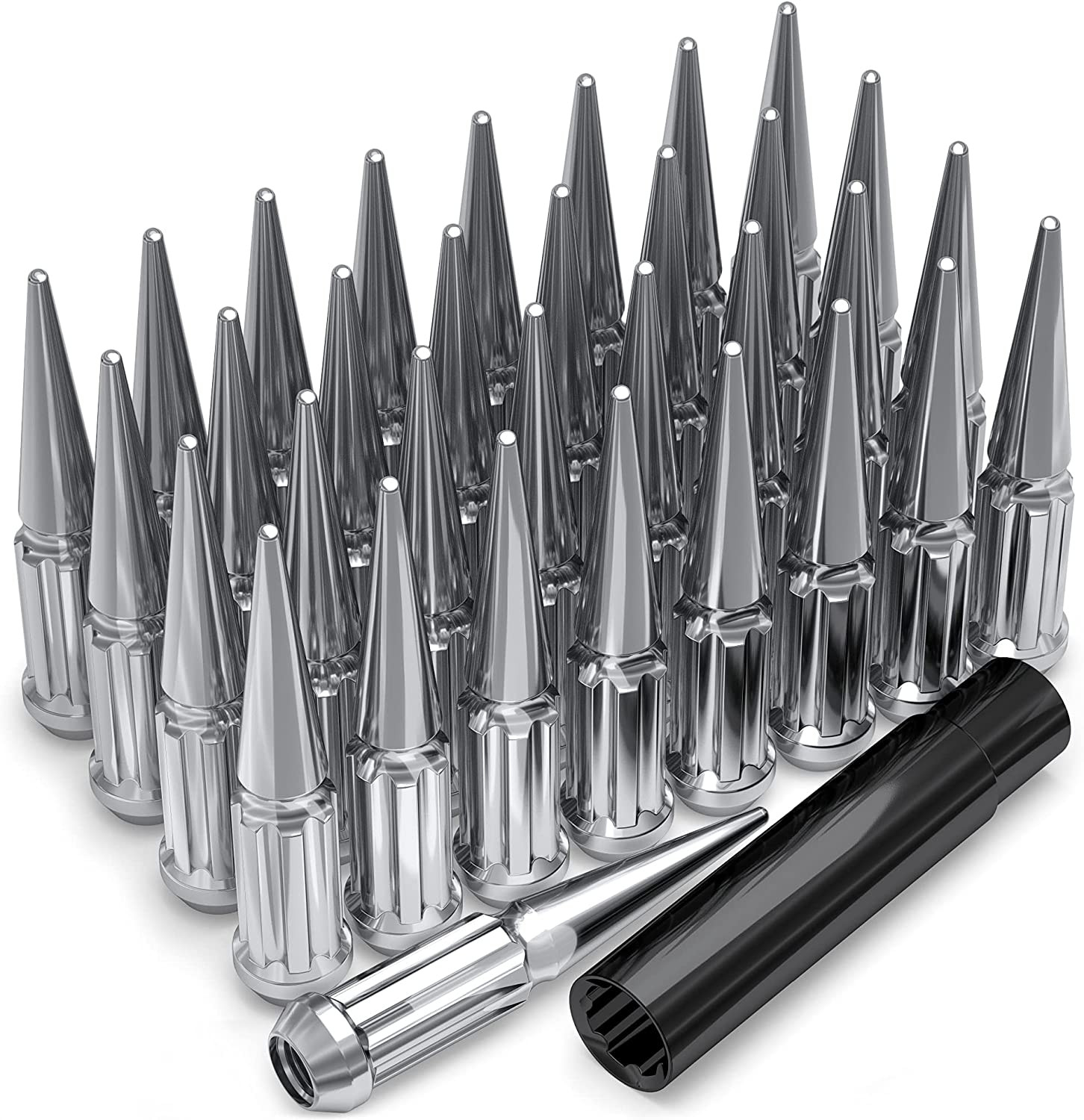
M12 x 1.5 · Confirm wheel seat style before ordering
View on Amazon →5x120 · 72.6 mm hub
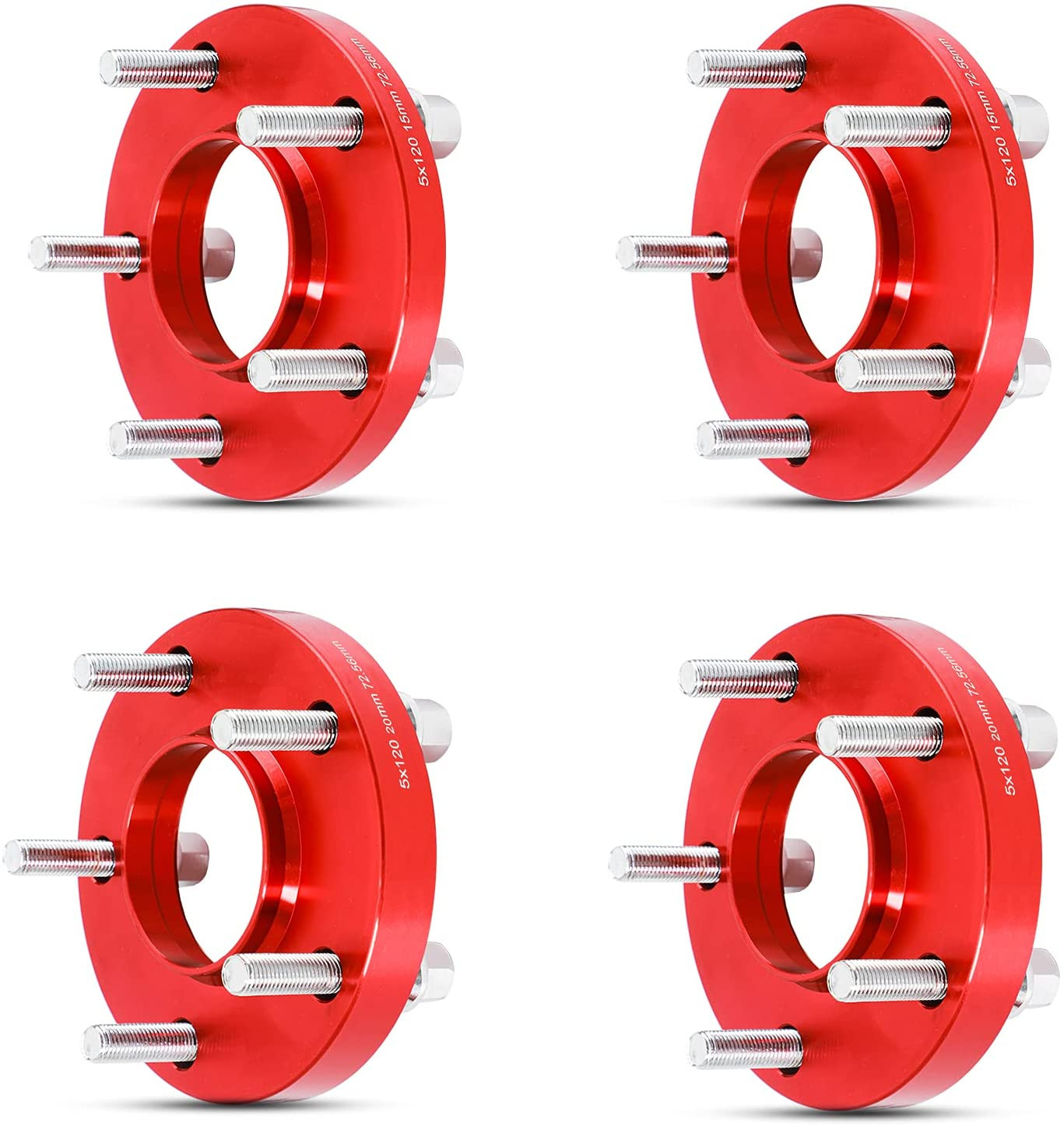
5x120 · 72.6 mm hub · 0,6 inch / 15 mm
View on Amazon →5x120 · 72.6 mm hub
Directional bolt-pattern adapters. A spacer does not change PCD.
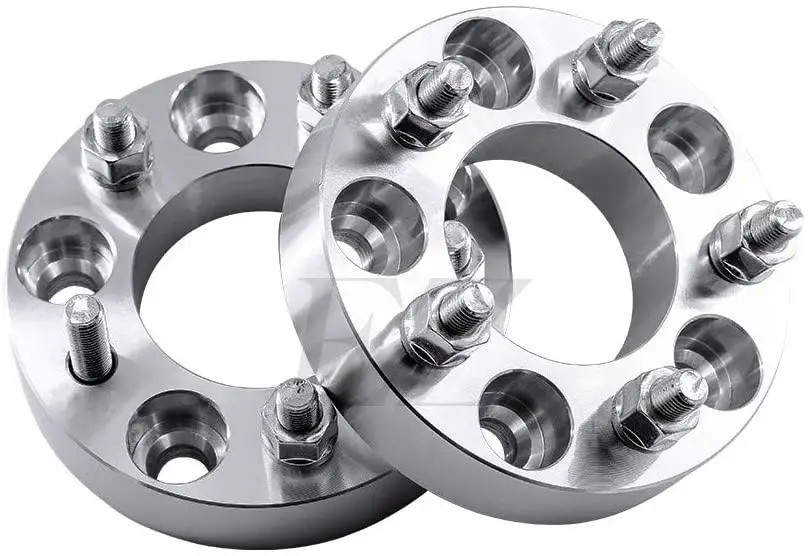
5x120 → 5x127
View on Amazon →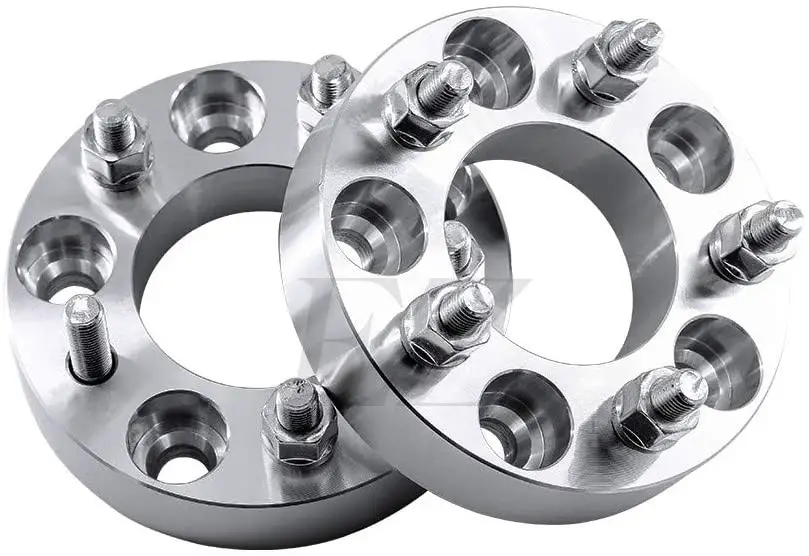
5x120 → 5x114.3
View on Amazon →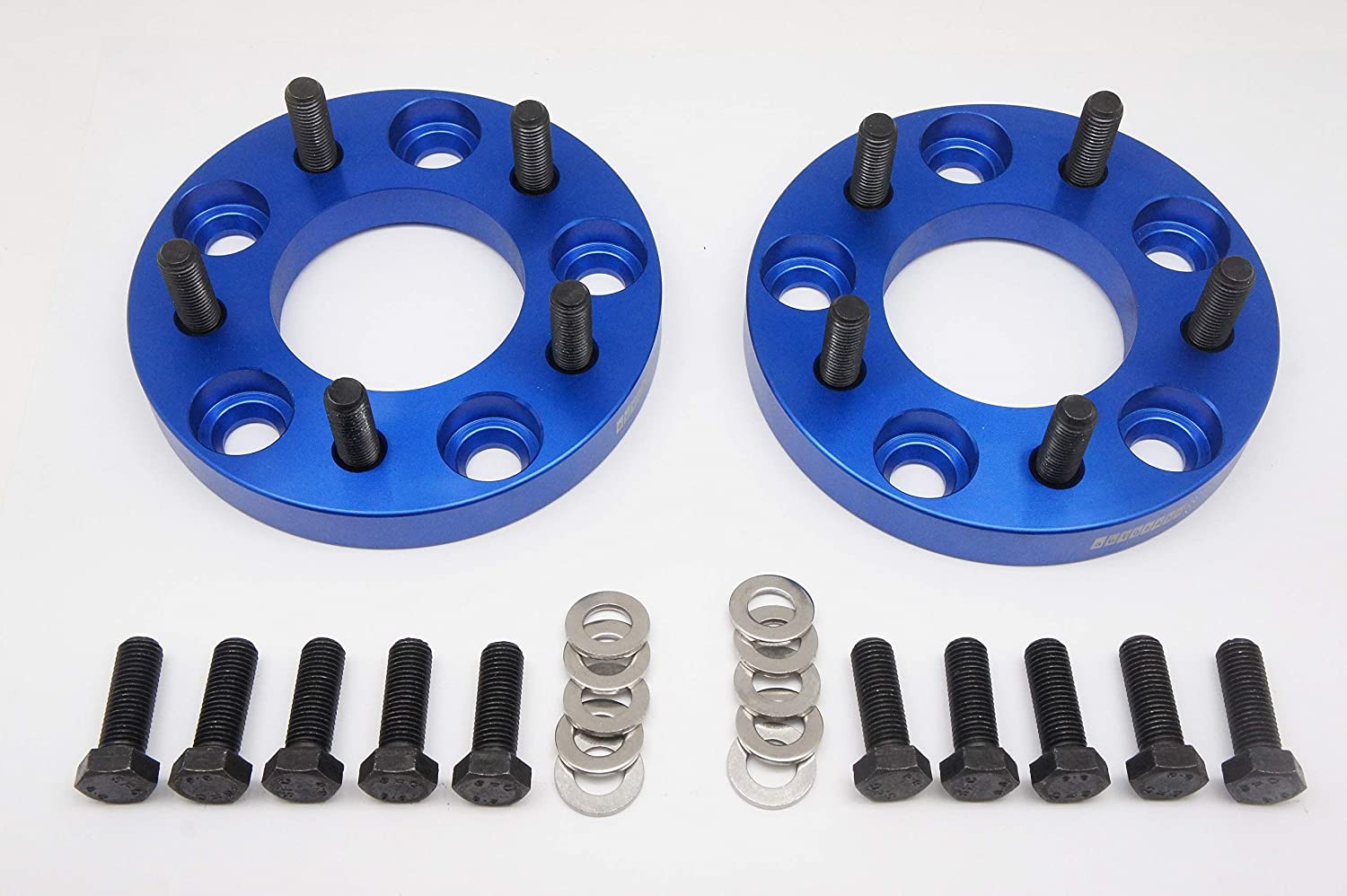
5x120 → 5x114.3
View on Amazon →As an Amazon Associate we earn from qualifying purchases. Product availability and pricing may change.
Wheel interchange depends on more than bolt pattern. Where data is available, this site compares:
A normal wheel spacer does not change bolt pattern. Hub rings cannot enlarge a wheel bore that is smaller than the hub. Brake clearance and tire package fitment still require vehicle-specific checks when not confirmed in the dataset.
The values below reflect known OEM specifications available for this model year. They may represent one axle or package configuration. Other factory setups may differ by market or trim. If anything conflicts with your car, trust your owner’s manual, the tire label on the driver’s door jamb, and BMW parts documentation, and verify with the calculator on this page.
| Spec | Value | Notes |
|---|---|---|
| Bolt pattern | 5x120 | 5 studs on a 120 mm circle |
| Center bore | 72.6 mm | Hub-centric bore on the vehicle |
| Thread size | M12 x 1.5 | Verify bolt type and seat style with your wheels |
| Rim diameter | 18 in | May vary by package |
| Rim width | 8.0 in | May vary by axle or package |
| Wheel offset | ET 14 mm | Offset can differ front to rear on performance models |
| Backspacing | 4.55 in | Backspacing reporting can vary by method; confirm with calculator |
| Tire size | 255/40R19 | At least one OEM fitment used 19 in tires. Verify your axle-specific sizes. |
Important: The rim and tire diameters shown here reflect partial data and could come from different OEM configurations. Always confirm your exact factory setup using the on-page calculator against your door-jamb label, owner’s manual, and BMW VIN parts sources.
Plus sizing means increasing rim diameter and using a lower-profile tire to keep overall diameter close to stock. For example, moving from an 18 in to a 19 in rim typically calls for a tire with a lower aspect ratio so the outer diameter remains similar.
Because OEM configurations for this model year can vary, do not assume a particular plus size will fit. Validate each proposed size with the on-page calculator and your OEM references before buying.
What is the bolt pattern for the 2009 BMW M5?
5x120, based on the known OEM data. Always confirm against your car’s documentation before ordering.
Do I need hub-centric rings for aftermarket wheels?
If the wheel’s center bore is larger than 72.6 mm, use rings sized 72.6 mm to the wheel’s bore so the wheel centers on the hub. If the wheel is exactly 72.6 mm, rings are not needed.
What thread size and fasteners does it use?
The vehicle thread size is M12 x 1.5. Many BMWs use wheel bolts rather than studs and nuts, but verify your setup. Match the bolt seat style to the wheel, and ensure proper length, especially if spacers are used.
Will 19 inch wheels fit my 2009 M5?
At least one OEM tire size for this model year is 255/40R19. However, factory configurations can vary. Use the on-page calculator to check clearances and overall diameter, and confirm with your door-jamb label and owner’s manual.
Can I run 18 inch wheels for winter?
Possibly, if brake and suspension clearances are adequate. Use the calculator to maintain overall diameter and test fit for caliper clearance. Verify against OEM guidance for minimum wheel size.
Are spacers safe on this car?
Quality hub-centric spacers that match 72.6 mm and 5x120 can work when used correctly with longer, correct-seat hardware. Always verify inner and outer clearance with the calculator and perform a careful test fit. Follow all torque and re-torque procedures.
What torque should I use on the wheel fasteners?
Torque specifications can vary. Consult the owner’s manual or BMW service literature for the exact spec for your vehicle and hardware. Use a calibrated torque wrench and a star pattern, then re-torque after 50 to 100 miles.
Will changing wheel size affect my speedometer or ABS?
Yes. Significant changes in overall tire diameter can alter speedometer readings and impact ABS or stability control. Use the calculator to minimize diameter change and verify the result before purchase.
What about TPMS when changing wheels?
This model year may use either in-wheel sensors or an indirect system depending on market. Check your current wheels for valve-mounted sensors and consult the owner’s manual. If sensors are required, plan to transfer or program compatible units.
Final note: If any values here differ from your labels or documentation, rely on your owner’s manual, door-jamb tire label, and official BMW parts information, and validate all changes using the on-page calculator before buying.
