2010 BMW M5 Wheel Interchange

OEM wheel and tire fitment specs for the 2010 BMW M5, including bolt pattern (PCD), center bore diameter, thread size, rim diameter, rim width, wheel offset, and backspacing.

2010 BMW M5 Fitment Specs

Baseline mounting dimensions used for interchange decisions.

Bolt Pattern5x120
Center Bore72.6 mm
Lug ThreadM12 x 1.5
OEM Wheel Sizes18" – 19"
OEM Widths8" – 9.5"
OEM Offset Range12 mm – 20 mm

Multiple OEM configurations exist for this vehicle. Fitment can vary by trim, brakes, and factory wheel package – confirm your exact setup before buying.

Wheels That Interchange With a 2010 BMW M5

Results are evaluated from bolt pattern, center bore direction, OEM width/offset envelope, and lug hardware – not bolt pattern alone.

Direct Fit

2009 BMW M5

Direct Fit
  • Bolt pattern5x120 · Match
  • Center bore72.6 mm · Match
  • Wheel geometryCompatible with OEM envelope

Geometry within known OEM envelope (approx. outer change -1.17 mm, inner change -5.18 mm vs mid OEM).

2008 BMW M5

Direct Fit
  • Bolt pattern5x120 · Match
  • Center bore72.6 mm · Match
  • Wheel geometryCompatible with OEM envelope

Geometry within known OEM envelope (approx. outer change -1.17 mm, inner change -5.18 mm vs mid OEM).

2007 BMW M5

Direct Fit
  • Bolt pattern5x120 · Match
  • Center bore72.6 mm · Match
  • Wheel geometryCompatible with OEM envelope

Geometry within known OEM envelope (approx. outer change -1.17 mm, inner change -5.18 mm vs mid OEM).

2006 BMW M5

Direct Fit
  • Bolt pattern5x120 · Match
  • Center bore72.6 mm · Match
  • Wheel geometryCompatible with OEM envelope

Geometry within known OEM envelope (approx. outer change -1.17 mm, inner change -5.18 mm vs mid OEM).

2008 BMW M3

Direct Fit
  • Bolt pattern5x120 · Match
  • Center bore72.6 mm · Match
  • Wheel geometryCompatible with OEM envelope

Geometry within known OEM envelope (approx. outer change -7.18 mm, inner change 0.83 mm vs mid OEM).

2009 BMW M3

Direct Fit
  • Bolt pattern5x120 · Match
  • Center bore72.6 mm · Match
  • Wheel geometryCompatible with OEM envelope

Geometry within known OEM envelope (approx. outer change -7.18 mm, inner change 0.83 mm vs mid OEM).

2010 BMW M3

Direct Fit
  • Bolt pattern5x120 · Match
  • Center bore72.6 mm · Match
  • Wheel geometryCompatible with OEM envelope

Geometry within known OEM envelope (approx. outer change -7.18 mm, inner change 0.83 mm vs mid OEM).

2011 BMW M3

Direct Fit
  • Bolt pattern5x120 · Match
  • Center bore72.6 mm · Match
  • Wheel geometryCompatible with OEM envelope

Geometry within known OEM envelope (approx. outer change -7.18 mm, inner change 0.83 mm vs mid OEM).

2012 BMW M3

Direct Fit
  • Bolt pattern5x120 · Match
  • Center bore72.6 mm · Match
  • Wheel geometryCompatible with OEM envelope

Geometry within known OEM envelope (approx. outer change -7.18 mm, inner change 0.83 mm vs mid OEM).

2013 BMW M3

Direct Fit
  • Bolt pattern5x120 · Match
  • Center bore72.6 mm · Match
  • Wheel geometryCompatible with OEM envelope

Geometry within known OEM envelope (approx. outer change -7.18 mm, inner change 0.83 mm vs mid OEM).

2006 BMW M6

Direct Fit
  • Bolt pattern5x120 · Match
  • Center bore72.6 mm · Match
  • Wheel geometryCompatible with OEM envelope

Geometry within known OEM envelope (approx. outer change -1.17 mm, inner change -5.18 mm vs mid OEM).

2007 BMW M6

Direct Fit
  • Bolt pattern5x120 · Match
  • Center bore72.6 mm · Match
  • Wheel geometryCompatible with OEM envelope

Geometry within known OEM envelope (approx. outer change -1.17 mm, inner change -5.18 mm vs mid OEM).

2008 BMW M6

Direct Fit
  • Bolt pattern5x120 · Match
  • Center bore72.6 mm · Match
  • Wheel geometryCompatible with OEM envelope

Geometry within known OEM envelope (approx. outer change -1.17 mm, inner change -5.18 mm vs mid OEM).

2009 BMW M6

Direct Fit
  • Bolt pattern5x120 · Match
  • Center bore72.6 mm · Match
  • Wheel geometryCompatible with OEM envelope

Geometry within known OEM envelope (approx. outer change -1.17 mm, inner change -5.18 mm vs mid OEM).

2010 BMW M6

Direct Fit
  • Bolt pattern5x120 · Match
  • Center bore72.6 mm · Match
  • Wheel geometryCompatible with OEM envelope

Geometry within known OEM envelope (approx. outer change -1.17 mm, inner change -5.18 mm vs mid OEM).

2000 BMW Z8

Direct Fit
  • Bolt pattern5x120 · Match
  • Center bore72.6 mm · Match
  • Wheel geometryCompatible with OEM envelope

Geometry within known OEM envelope (approx. outer change -13.52 mm, inner change -5.52 mm vs mid OEM).

Fits With Hub Rings

2003 BMW M5

Fits With Hub Rings
  • Bolt pattern5x120 · Match
  • Center bore74.1 → 72.6 mm
  • Wheel geometryCompatible with OEM envelope

Required part74.1 → 72.6 mm hub-centric rings

Required: 74.1 → 72.6 mm hub-centric rings. Geometry within known OEM envelope (approx. outer change -13.52 mm, inner change -5.52 mm vs mid OEM).

2002 BMW M5

Fits With Hub Rings
  • Bolt pattern5x120 · Match
  • Center bore74.1 → 72.6 mm
  • Wheel geometryCompatible with OEM envelope

Required part74.1 → 72.6 mm hub-centric rings

Required: 74.1 → 72.6 mm hub-centric rings. Geometry within known OEM envelope (approx. outer change -13.52 mm, inner change -5.52 mm vs mid OEM).

2001 BMW M5

Fits With Hub Rings
  • Bolt pattern5x120 · Match
  • Center bore74.1 → 72.6 mm
  • Wheel geometryCompatible with OEM envelope

Required part74.1 → 72.6 mm hub-centric rings

Required: 74.1 → 72.6 mm hub-centric rings. Geometry within known OEM envelope (approx. outer change -13.52 mm, inner change -5.52 mm vs mid OEM).

2000 BMW M5

Fits With Hub Rings
  • Bolt pattern5x120 · Match
  • Center bore74.1 → 72.6 mm
  • Wheel geometryCompatible with OEM envelope

Required part74.1 → 72.6 mm hub-centric rings

Required: 74.1 → 72.6 mm hub-centric rings. Geometry within known OEM envelope (approx. outer change -13.52 mm, inner change -5.52 mm vs mid OEM).

Fits With Spacer

2013 BMW M5

Fits With Spacer
  • Bolt pattern5x120 · Match
  • Center bore72.6 mm · Match
  • Wheel geometryOutside OEM envelope
  • HardwareUse lug nuts for your vehicle

Potential requirementWheel spacer ≈ 11.83 mm

Potential requirement: 11.83 mm wheel spacer. Estimated outer position is about 11.83 mm farther inward than the mid OEM package. Use lug nuts / bolts specified for your vehicle.

See matching wheel spacers →

2014 BMW M5

Fits With Spacer
  • Bolt pattern5x120 · Match
  • Center bore72.6 mm · Match
  • Wheel geometryOutside OEM envelope
  • HardwareUse lug nuts for your vehicle

Potential requirementWheel spacer ≈ 11.83 mm

Potential requirement: 11.83 mm wheel spacer. Estimated outer position is about 11.83 mm farther inward than the mid OEM package. Use lug nuts / bolts specified for your vehicle.

See matching wheel spacers →

2015 BMW M5

Fits With Spacer
  • Bolt pattern5x120 · Match
  • Center bore72.6 mm · Match
  • Wheel geometryOutside OEM envelope
  • HardwareUse lug nuts for your vehicle

Potential requirementWheel spacer ≈ 11.83 mm

Potential requirement: 11.83 mm wheel spacer. Estimated outer position is about 11.83 mm farther inward than the mid OEM package. Use lug nuts / bolts specified for your vehicle.

See matching wheel spacers →

2016 BMW M5

Fits With Spacer
  • Bolt pattern5x120 · Match
  • Center bore72.6 mm · Match
  • Wheel geometryOutside OEM envelope
  • HardwareUse lug nuts for your vehicle

Potential requirementWheel spacer ≈ 11.83 mm

Potential requirement: 11.83 mm wheel spacer. Estimated outer position is about 11.83 mm farther inward than the mid OEM package. Use lug nuts / bolts specified for your vehicle.

See matching wheel spacers →

Showing 24 of 99 evaluated donors. Same-model years are prioritized.

BMW M5 Years With Compatible Wheels

Only years with evidence-based interchange relationships are listed. Adjacent years are not assumed compatible.

Will Wheels From Another Vehicle Fit?

Compare a donor vehicle or custom wheel against this 2010 BMW M5.

Compare

Compare wheel compatibility between two vehicles

Wheels from (donor vehicle)

Installed on (your vehicle)

Selected Car:

2010 BMW M5

Compare Rims

Specification
Wheels from
Installed on
Result (Click it)
Bolt Pattern
Bolt Pattern
The total number of bolt holes and the diameter of the circle they form.
-
5x120
Center Bore
Center Bore
The hole in the center of the wheel that fits over the vehicle’s hub.
-
72.6 mm
Thread Size
Thread Size
The size and spacing of the threads on the bolts or nuts that hold the wheel in place.
-
M12 x 1.5
Rim Diameter
Rim Diameter
The wheel diameter in inches that determines which tire sizes will fit.
-
18"
Rim Width
Rim Width
The distance between the inner edges of the wheel is measured in inches.
-
8.0"
Wheel Offset
Wheel Offset
How far the wheel sits inward or outward relative to the hub mounting surface.
-
14 mm
Backspacing
Backspacing
Shows how much space the wheel takes up toward the inside of the vehicle.
-
-
Wheel Fasteners
Wheel Fasteners
The type of hardware used to secure the wheel to the vehicle.
-
-

Wheel Fitment Parts for the 2010 BMW M5

Products below are matched to required fitment dimensions from our parts inventory. Confirm seat style, thickness, and clearance before ordering.

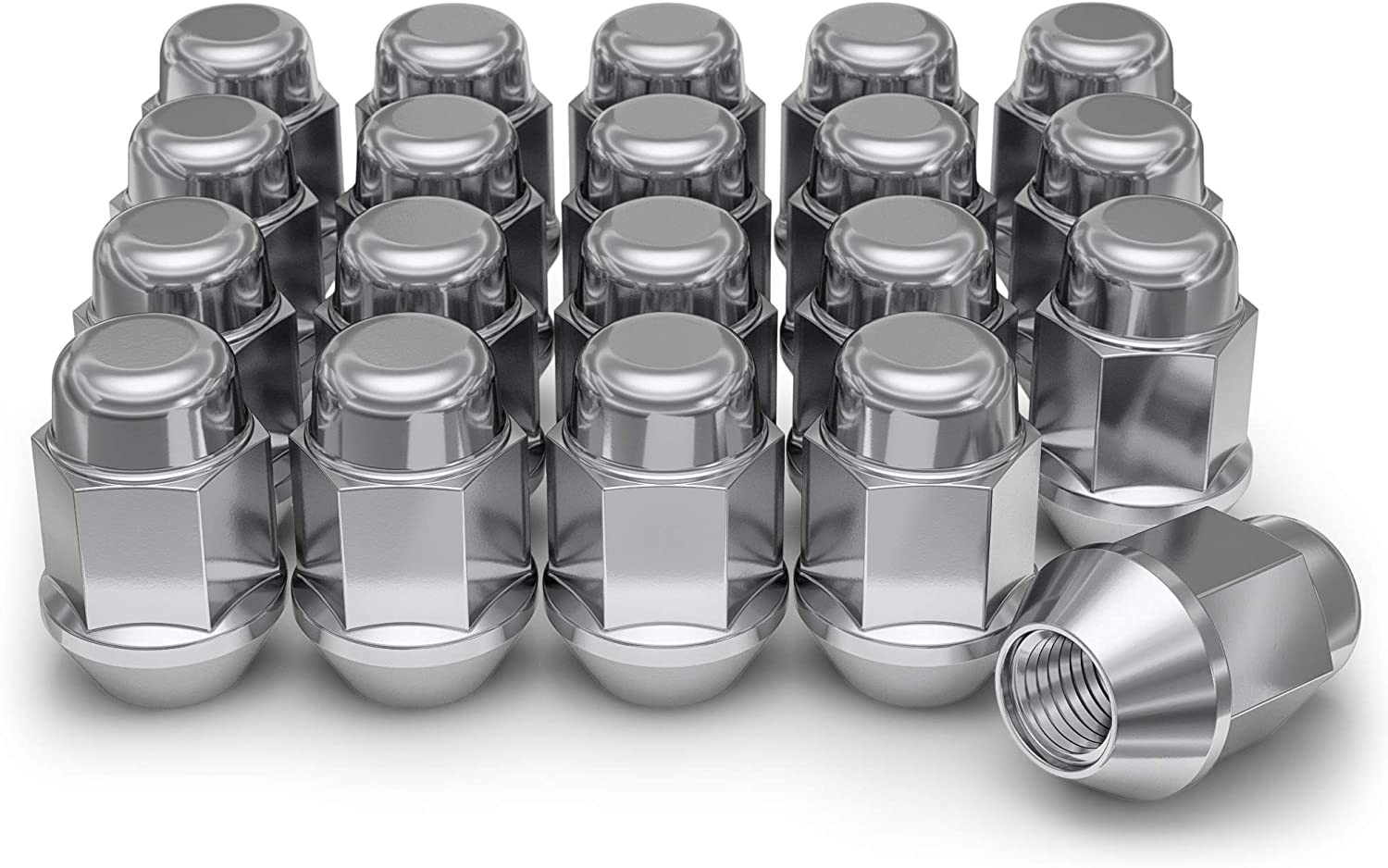
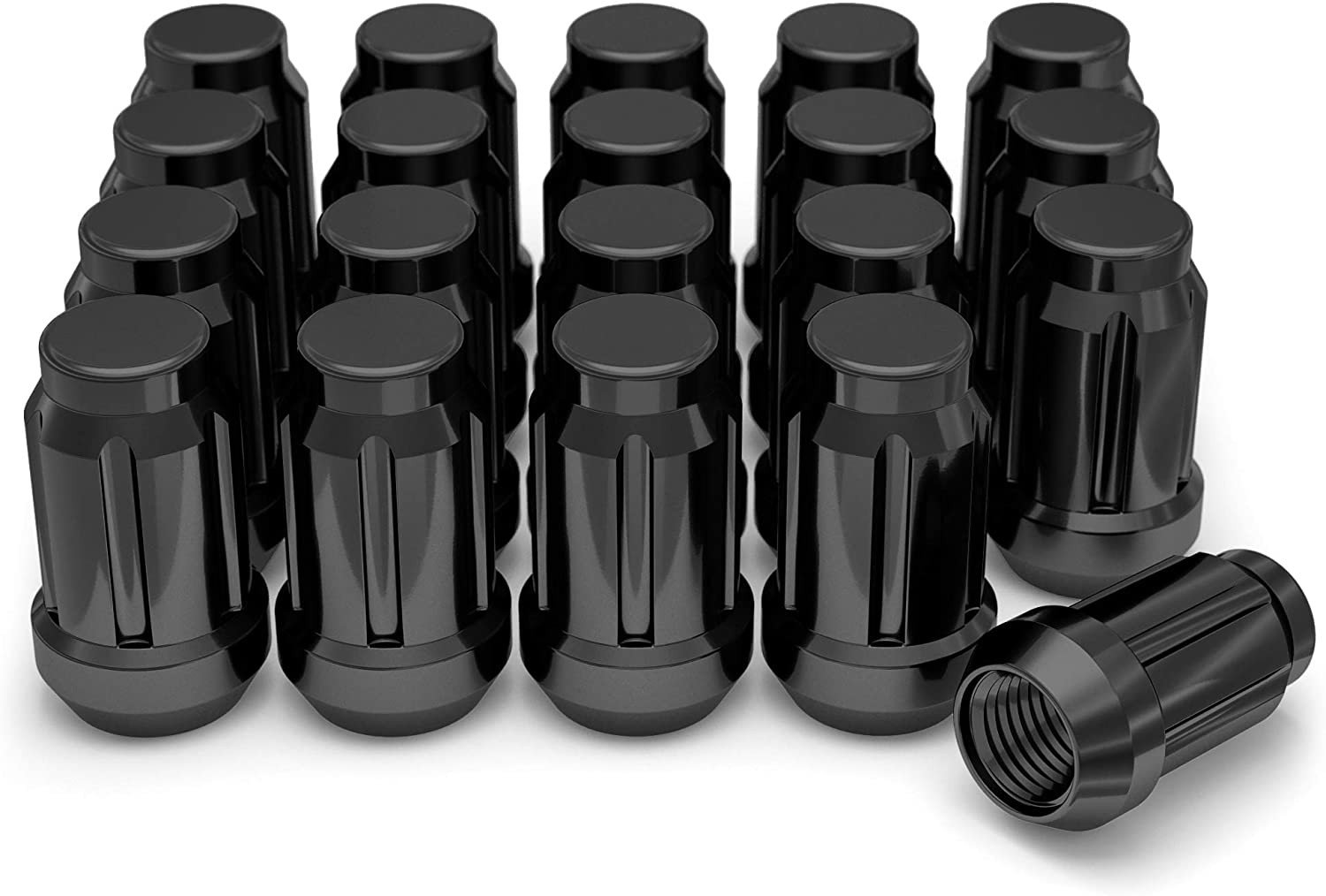
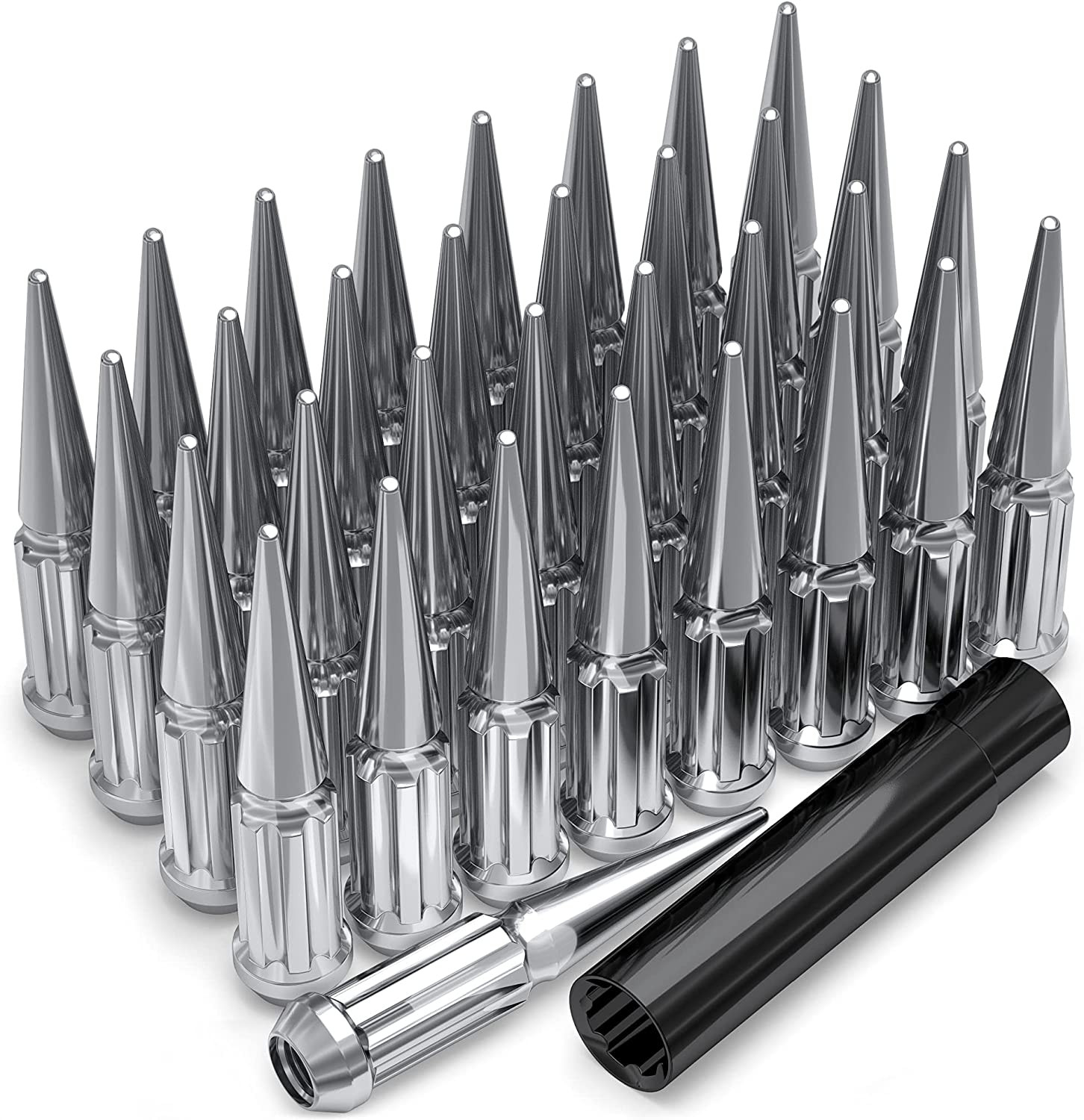
Lug Nuts / Wheel Bolts

M12 x 1.5

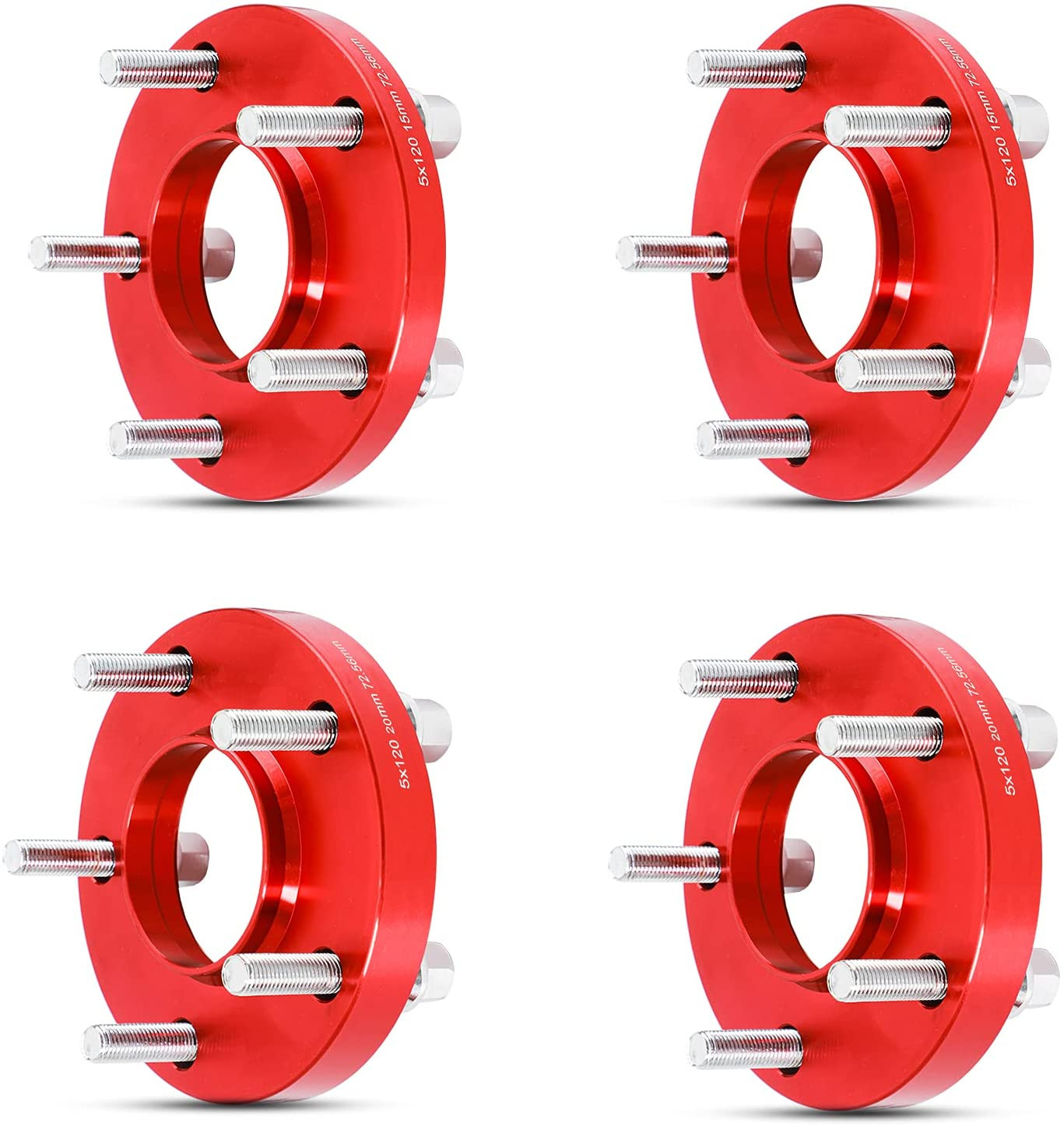
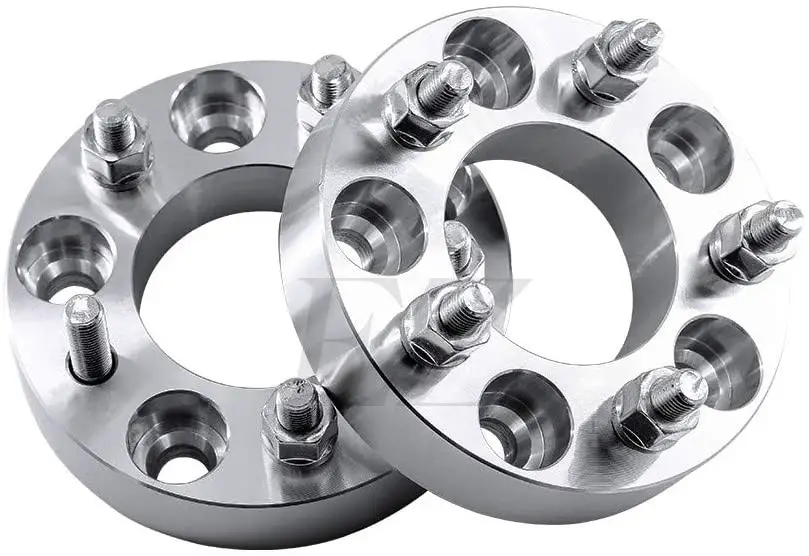
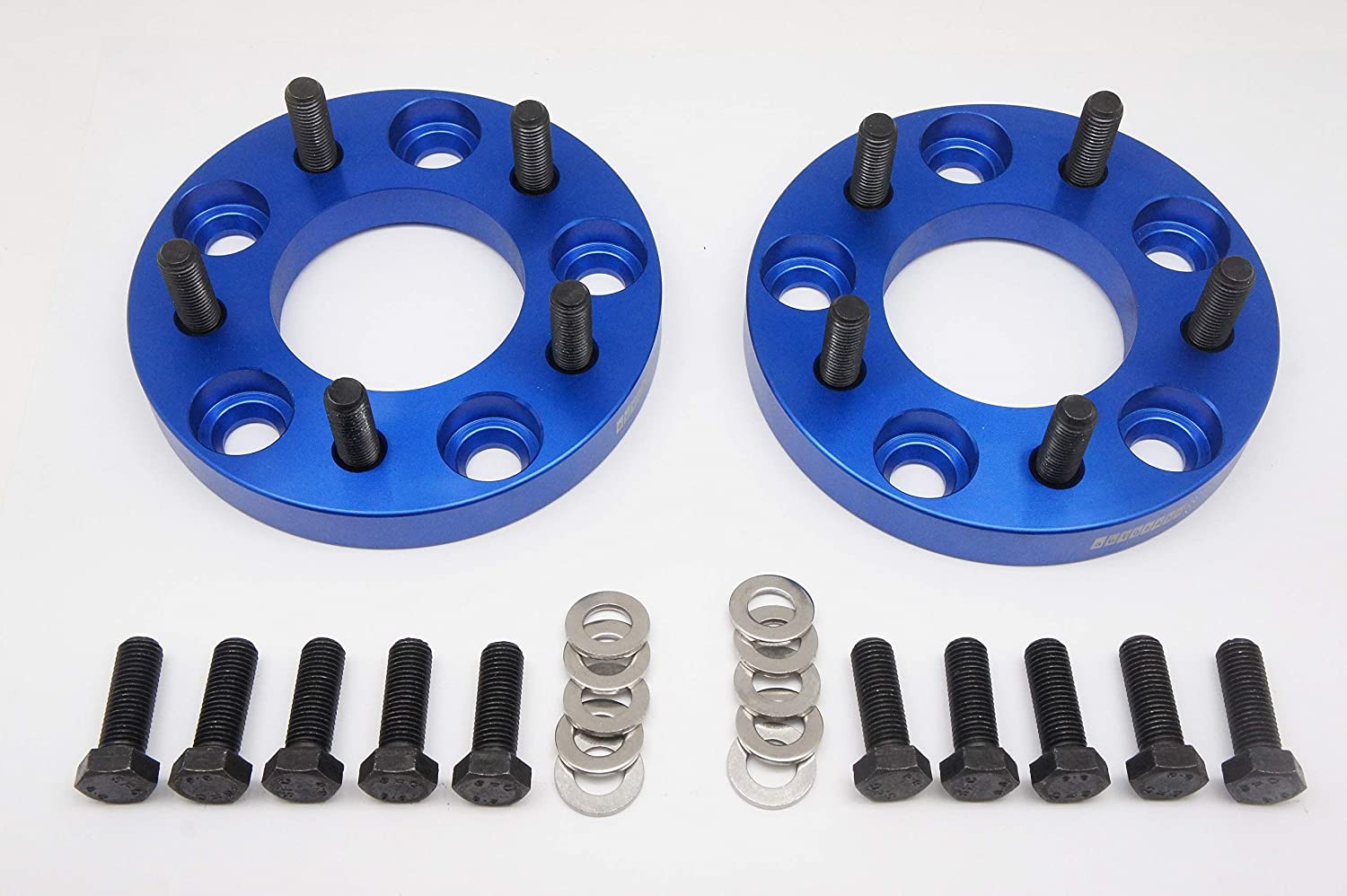
Wheel Spacers

5x120 · 72.6 mm hub

Wheel Adapters

5x120 · 72.6 mm hub

Directional bolt-pattern adapters. A spacer does not change PCD.
As an Amazon Associate we earn from qualifying purchases. Product availability and pricing may change.

Why These Wheels Fit

Wheel interchange depends on more than bolt pattern. Where data is available, this site compares:

  • Bolt pattern / PCD
  • Center bore direction (donor wheel bore must not be smaller than the hub)
  • Wheel diameter, width, and offset against known OEM ranges
  • Lug thread / hardware differences (vehicle-side hardware)

A normal wheel spacer does not change bolt pattern. Hub rings cannot enlarge a wheel bore that is smaller than the hub. Brake clearance and tire package fitment still require vehicle-specific checks when not confirmed in the dataset.

2010 BMW M5 Wheel Fitment Guide | wheelinterchange.com

Known OEM Fitment For 2010 BMW M5

The values below reflect verified data we have for the 2010 BMW M5. Factory equipment can vary by market and package. If a value is missing or seems inconsistent with your car, confirm it on your vehicle placard, in the owner manual, by VIN lookup, and with the on-page calculator before you buy.

Bolt pattern 5x120 5 studs on 120 mm PCD
Center bore 72.6 mm Hub-centric to BMW 72.6 mm hub
Thread size M12 x 1.5 BMW commonly uses lug bolts. Verify your hardware.
OEM rim diameter 18 in May vary by package. Some vehicles use larger diameters. Verify on your car.
OEM rim width 8.0 in Width may vary by axle or package. Check your current wheels.
Wheel offset ET 14 mm Offset varies by wheel size and package. Measure your current setup.
Backspacing 4.55 in For the size above. Recalculate if you change width or offset.
OEM tire size example 255/40R19 Based on provided section width, aspect ratio, and rim diameter. Confirm on your tire sidewall.

Important: The M5 may use staggered widths front and rear. If your car is staggered, record front and rear sizes separately and run separate comparisons in the calculator.

How To Use The Wheel Interchange Calculator

  • Set Installed on to 2010 BMW M5 to model your car.
  • Set Wheels from to the donor vehicle if you are comparing a take-off set. If you are planning a new setup, leave donor as your current wheel and use Custom wheel size and Custom tire size to simulate changes.
  • Enter Custom wheel size: rim diameter, width, and offset. Enter Custom tire size: section width and aspect ratio. The calculator will update tire diameter automatically when you change rim diameter.
  • Review the results for inner clearance change, outer poke change, brake and suspension clearance, fender risk, speedometer change, and ride height change.
  • Aim to keep overall tire diameter change within about 2 to 3 percent. Keep inner clearance positive and ensure outer poke does not exceed your fender line under compression and steering.
  • If your car is staggered, model the front axle and rear axle separately using the correct sizes for each.

Fitment Checklist Before You Buy

  • Bolt pattern must be exact: 5x120.
  • Hub bore must seat on 72.6 mm. If the wheel bore is larger, use quality hub-centric rings sized 72.6 mm to your wheel bore.
  • Offset near OEM: ET 14 mm was provided for one OEM configuration. Deviations change inner clearance and poke by 1 mm per 1 mm of offset change. Confirm with the calculator.
  • Width and diameter: confirm clearance to struts, control arms, and fenders at full lock and full compression. Account for tire bulge.
  • Overall tire diameter: stay within about 2 to 3 percent of stock to protect ABS, DSC, and speedometer accuracy.
  • Brake clearance: verify spoke and barrel clearance over calipers. Test fit if possible.
  • Load rating: wheel and tire load index must meet or exceed OEM specification.
  • TPMS: 2010 systems may vary by market. Verify if your car uses direct sensors or indirect monitoring and plan sensors or coding accordingly.
  • Fastener hardware: seat type must match the wheel. Ensure proper bolt length and thread engagement if using spacers.
  • Spacers: only hub-centric spacers with proper extended bolts or studs. Remember spacers reduce effective offset.
  • Staggered sets: record and check front and rear independently.

Plus Sizing And Common Upgrades

Use the calculator to explore plus sizing while maintaining safe geometry. The goal is to keep overall tire diameter close to stock, preserve inner clearance, and avoid excessive poke.

  • If increasing rim diameter, choose a lower tire aspect ratio so overall diameter stays within about 2 to 3 percent of your current tire. The calculator updates tire diameter as you change rim diameter.
  • Wider wheels often require a more conservative offset to avoid fender contact. For every 0.5 in increase in wheel width, the rim adds about 6.35 mm to each side, before any offset change.
  • Staggered setups can improve traction but complicate rotation. Verify that rear tire diameter remains matched to the front within tolerance.
  • Always validate brake caliper and strut clearance using the proposed width and offset, and check full lock steering clearance on the front axle.

Note: Some 2010 BMW M5 vehicles are equipped with larger OEM wheels and staggered tires. If your car differs from the sizes listed above, trust your tire sidewall, the door jamb placard, and the calculator rather than assuming a one-size-fits-all spec.

Installation Tips

  • Safety first: park on level ground, chock wheels, and use a proper jack and jack stands at the factory points.
  • Clean the hub face and wheel mounting pad with a nylon or brass brush. Remove corrosion so the wheel sits flush.
  • Dry-fit a front and a rear wheel to verify hub bore fit, brake clearance, and fender clearance before mounting tires when possible.
  • If using hub-centric rings, place the ring fully on the hub before lifting the wheel into place.
  • Hand start all lug bolts to avoid cross-threading. Use the correct seat type for your wheel.
  • Snug bolts in a star pattern, lower the vehicle, then torque to the BMW-specified value from your owner manual or service data. Do not guess.
  • Re-torque after 50 to 100 miles. Recheck tire pressures and inspect for any rubbing marks on liners or suspension components.

Tools And Helpful Supplies

  • Floor jack and jack stands
  • 1/2 in drive torque wrench
  • 1/2 in drive breaker bar
  • Appropriate sockets and a thin-wall socket for tight wheel bores
  • Nylon or brass hub brush and brake cleaner
  • Hub-centric rings if your wheel bore is larger than 72.6 mm
  • Tire pressure gauge

FAQs

  • What offset should I use on a 2010 BMW M5?

    We have ET 14 mm recorded for one OEM configuration. Other factory packages may differ. Use the calculator to see how a new offset affects inner clearance and outer poke. A 5 mm offset change moves the wheel 5 mm in or out.

  • Can I run 19 in or 20 in wheels on my M5?

    Possibly, but you must keep overall tire diameter close to stock and verify clearance. Enter your proposed rim diameter and tire size in the calculator and confirm speedometer change under about 2 to 3 percent with no rubbing.

  • Do I need hub-centric rings?

    If the wheel center bore is larger than the BMW 72.6 mm hub, use rings sized 72.6 mm to your wheel bore. If the wheel bore is exactly 72.6 mm, rings are not needed.

  • Are spacers safe on this car?

    Quality hub-centric spacers with proper extended bolts or studs can be safe. Remember a spacer decreases effective offset by its thickness and reduces thread engagement unless you use longer hardware. Always verify clearance and torque correctly.

  • What is the correct lug bolt torque?

    Not provided here. Check the owner manual, service information, or a label in the engine bay or door jamb. Torque to spec only, using clean, dry threads unless BMW specifies otherwise.

  • Will my TPMS work with new wheels?

    2010 systems vary by market. Inspect your current valves and consult VIN-based service info to determine if you have direct sensors. If you do, use compatible sensors and perform the relearn as required by the vehicle.

  • Can I use 5x120.65 or 5x4.75 wheels?

    No. The bolt pattern must be exactly 5x120. Using near-miss patterns is unsafe and can damage hardware and hubs.

  • What is the largest tire I can fit without rubbing?

    It depends on width, offset, ride height, and alignment. Use the calculator to model your exact wheel and tire, then inspect inner and outer clearances at full lock and full compression. Test fit whenever possible.

Use the wheelinterchange.com calculator on this page to confirm every change before purchase. When in doubt, measure, test fit, and verify with OEM documentation for your specific 2010 BMW M5.

Nick Marchenko

Automotive Expert