2015 BMW M6 Wheel Interchange

OEM wheel and tire fitment specs for the 2015 BMW M6, including bolt pattern (PCD), center bore diameter, thread size, rim diameter, rim width, wheel offset, and backspacing.

2015 BMW M6 Fitment Specs

Baseline mounting dimensions used for interchange decisions.

Bolt Pattern5x120
Center Bore72.6 mm
Lug ThreadM14 x 1.25
OEM Wheel Sizes19" – 20"
OEM Widths9" – 9.5"
OEM Offset Range31 mm – 32 mm

Multiple OEM configurations exist for this vehicle. Fitment can vary by trim, brakes, and factory wheel package – confirm your exact setup before buying.

Wheels That Interchange With a 2015 BMW M6

Results are evaluated from bolt pattern, center bore direction, OEM width/offset envelope, and lug hardware – not bolt pattern alone.

Direct Fit

2014 BMW M6

Direct Fit
  • Bolt pattern5x120 · Match
  • Center bore72.6 mm · Match
  • Wheel geometryCompatible with OEM envelope

Geometry within known OEM envelope (approx. outer change -2.68 mm, inner change -3.68 mm vs mid OEM).

2016 BMW M6

Direct Fit
  • Bolt pattern5x120 · Match
  • Center bore72.6 mm · Match
  • Wheel geometryCompatible with OEM envelope

Geometry within known OEM envelope (approx. outer change -2.68 mm, inner change -3.68 mm vs mid OEM).

2013 BMW M6

Direct Fit
  • Bolt pattern5x120 · Match
  • Center bore72.6 mm · Match
  • Wheel geometryCompatible with OEM envelope

Geometry within known OEM envelope (approx. outer change -2.68 mm, inner change -3.68 mm vs mid OEM).

2017 BMW M6

Direct Fit
  • Bolt pattern5x120 · Match
  • Center bore72.6 mm · Match
  • Wheel geometryCompatible with OEM envelope

Geometry within known OEM envelope (approx. outer change -2.68 mm, inner change -3.68 mm vs mid OEM).

2012 BMW M6

Direct Fit
  • Bolt pattern5x120 · Match
  • Center bore72.6 mm · Match
  • Wheel geometryCompatible with OEM envelope

Geometry within known OEM envelope (approx. outer change -2.68 mm, inner change -3.68 mm vs mid OEM).

2018 BMW M6

Direct Fit
  • Bolt pattern5x120 · Match
  • Center bore72.6 mm · Match
  • Wheel geometryCompatible with OEM envelope

Geometry within known OEM envelope (approx. outer change -2.68 mm, inner change -3.68 mm vs mid OEM).

2013 BMW M5

Direct Fit
  • Bolt pattern5x120 · Match
  • Center bore72.6 mm · Match
  • Wheel geometryCompatible with OEM envelope

Geometry within known OEM envelope (approx. outer change -2.68 mm, inner change -3.68 mm vs mid OEM).

2014 BMW M5

Direct Fit
  • Bolt pattern5x120 · Match
  • Center bore72.6 mm · Match
  • Wheel geometryCompatible with OEM envelope

Geometry within known OEM envelope (approx. outer change -2.68 mm, inner change -3.68 mm vs mid OEM).

2015 BMW M5

Direct Fit
  • Bolt pattern5x120 · Match
  • Center bore72.6 mm · Match
  • Wheel geometryCompatible with OEM envelope

Geometry within known OEM envelope (approx. outer change -2.68 mm, inner change -3.68 mm vs mid OEM).

2016 BMW M5

Direct Fit
  • Bolt pattern5x120 · Match
  • Center bore72.6 mm · Match
  • Wheel geometryCompatible with OEM envelope

Geometry within known OEM envelope (approx. outer change -2.68 mm, inner change -3.68 mm vs mid OEM).

Direct Fit – Hardware Note

2008 BMW M3

Direct Fit – Hardware Note
  • Bolt pattern5x120 · Match
  • Center bore72.6 mm · Match
  • Wheel geometryCompatible with OEM envelope
  • HardwareUse lug nuts for your vehicle

HardwareLug nuts for M14x1.25

Use lug nuts compatible with your vehicle's studs. Geometry within known OEM envelope (approx. outer change -0.67 mm, inner change -5.68 mm vs mid OEM).

See matching lug nuts →

2009 BMW M3

Direct Fit – Hardware Note
  • Bolt pattern5x120 · Match
  • Center bore72.6 mm · Match
  • Wheel geometryCompatible with OEM envelope
  • HardwareUse lug nuts for your vehicle

HardwareLug nuts for M14x1.25

Use lug nuts compatible with your vehicle's studs. Geometry within known OEM envelope (approx. outer change -0.67 mm, inner change -5.68 mm vs mid OEM).

See matching lug nuts →

2010 BMW M3

Direct Fit – Hardware Note
  • Bolt pattern5x120 · Match
  • Center bore72.6 mm · Match
  • Wheel geometryCompatible with OEM envelope
  • HardwareUse lug nuts for your vehicle

HardwareLug nuts for M14x1.25

Use lug nuts compatible with your vehicle's studs. Geometry within known OEM envelope (approx. outer change -0.67 mm, inner change -5.68 mm vs mid OEM).

See matching lug nuts →

2011 BMW M3

Direct Fit – Hardware Note
  • Bolt pattern5x120 · Match
  • Center bore72.6 mm · Match
  • Wheel geometryCompatible with OEM envelope
  • HardwareUse lug nuts for your vehicle

HardwareLug nuts for M14x1.25

Use lug nuts compatible with your vehicle's studs. Geometry within known OEM envelope (approx. outer change -0.67 mm, inner change -5.68 mm vs mid OEM).

See matching lug nuts →

2012 BMW M3

Direct Fit – Hardware Note
  • Bolt pattern5x120 · Match
  • Center bore72.6 mm · Match
  • Wheel geometryCompatible with OEM envelope
  • HardwareUse lug nuts for your vehicle

HardwareLug nuts for M14x1.25

Use lug nuts compatible with your vehicle's studs. Geometry within known OEM envelope (approx. outer change -0.67 mm, inner change -5.68 mm vs mid OEM).

See matching lug nuts →

2013 BMW M3

Direct Fit – Hardware Note
  • Bolt pattern5x120 · Match
  • Center bore72.6 mm · Match
  • Wheel geometryCompatible with OEM envelope
  • HardwareUse lug nuts for your vehicle

HardwareLug nuts for M14x1.25

Use lug nuts compatible with your vehicle's studs. Geometry within known OEM envelope (approx. outer change -0.67 mm, inner change -5.68 mm vs mid OEM).

See matching lug nuts →

Fits With Spacer

2000 BMW X5

Fits With Spacer
  • Bolt pattern5x120 · Match
  • Center bore72.6 mm · Match
  • Wheel geometryOutside OEM envelope
  • HardwareUse lug nuts for your vehicle

Potential requirementWheel spacer ≈ 11.68 mm

Potential requirement: 11.68 mm wheel spacer. Estimated outer position is about 11.68 mm farther inward than the mid OEM package. Use lug nuts / bolts specified for your vehicle.

See matching wheel spacers →

2001 BMW X5

Fits With Spacer
  • Bolt pattern5x120 · Match
  • Center bore72.6 mm · Match
  • Wheel geometryOutside OEM envelope
  • HardwareUse lug nuts for your vehicle

Potential requirementWheel spacer ≈ 11.68 mm

Potential requirement: 11.68 mm wheel spacer. Estimated outer position is about 11.68 mm farther inward than the mid OEM package. Use lug nuts / bolts specified for your vehicle.

See matching wheel spacers →

2002 BMW X5

Fits With Spacer
  • Bolt pattern5x120 · Match
  • Center bore72.6 mm · Match
  • Wheel geometryOutside OEM envelope
  • HardwareUse lug nuts for your vehicle

Potential requirementWheel spacer ≈ 11.68 mm

Potential requirement: 11.68 mm wheel spacer. Estimated outer position is about 11.68 mm farther inward than the mid OEM package. Use lug nuts / bolts specified for your vehicle.

See matching wheel spacers →

Check Fitment

2010 BMW M6

Check Fitment
  • Bolt pattern5x120 · Match
  • Center bore72.6 mm · Match
  • HardwareUse lug nuts for your vehicle

Donor width/offset sits outside the known OEM envelope for this vehicle. Precomputed data suggested a spacer; geometry was re-checked against OEM envelope. Use lug nuts / bolts specified for your vehicle.

2009 BMW M6

Check Fitment
  • Bolt pattern5x120 · Match
  • Center bore72.6 mm · Match
  • HardwareUse lug nuts for your vehicle

Donor width/offset sits outside the known OEM envelope for this vehicle. Precomputed data suggested a spacer; geometry was re-checked against OEM envelope. Use lug nuts / bolts specified for your vehicle.

2008 BMW M6

Check Fitment
  • Bolt pattern5x120 · Match
  • Center bore72.6 mm · Match
  • HardwareUse lug nuts for your vehicle

Donor width/offset sits outside the known OEM envelope for this vehicle. Precomputed data suggested a spacer; geometry was re-checked against OEM envelope. Use lug nuts / bolts specified for your vehicle.

2007 BMW M6

Check Fitment
  • Bolt pattern5x120 · Match
  • Center bore72.6 mm · Match
  • HardwareUse lug nuts for your vehicle

Donor width/offset sits outside the known OEM envelope for this vehicle. Precomputed data suggested a spacer; geometry was re-checked against OEM envelope. Use lug nuts / bolts specified for your vehicle.

2006 BMW M6

Check Fitment
  • Bolt pattern5x120 · Match
  • Center bore72.6 mm · Match
  • HardwareUse lug nuts for your vehicle

Donor width/offset sits outside the known OEM envelope for this vehicle. Precomputed data suggested a spacer; geometry was re-checked against OEM envelope. Use lug nuts / bolts specified for your vehicle.

Showing 24 of 95 evaluated donors. Same-model years are prioritized.

BMW M6 Years With Compatible Wheels

Only years with evidence-based interchange relationships are listed. Adjacent years are not assumed compatible.

Will Wheels From Another Vehicle Fit?

Compare a donor vehicle or custom wheel against this 2015 BMW M6.

Compare

Compare wheel compatibility between two vehicles

Wheels from (donor vehicle)

Installed on (your vehicle)

Selected Car:

2015 BMW M6

Compare Rims

Specification
Wheels from
Installed on
Result (Click it)
Bolt Pattern
Bolt Pattern
The total number of bolt holes and the diameter of the circle they form.
-
5x120
Center Bore
Center Bore
The hole in the center of the wheel that fits over the vehicle’s hub.
-
72.6 mm
Thread Size
Thread Size
The size and spacing of the threads on the bolts or nuts that hold the wheel in place.
-
M14 x 1.25
Rim Diameter
Rim Diameter
The wheel diameter in inches that determines which tire sizes will fit.
-
20"
Rim Width
Rim Width
The distance between the inner edges of the wheel is measured in inches.
-
9.0"
Wheel Offset
Wheel Offset
How far the wheel sits inward or outward relative to the hub mounting surface.
-
32 mm
Backspacing
Backspacing
Shows how much space the wheel takes up toward the inside of the vehicle.
-
-
Wheel Fasteners
Wheel Fasteners
The type of hardware used to secure the wheel to the vehicle.
-
-

Wheel Fitment Parts for the 2015 BMW M6

Products below are matched to required fitment dimensions from our parts inventory. Confirm seat style, thickness, and clearance before ordering.

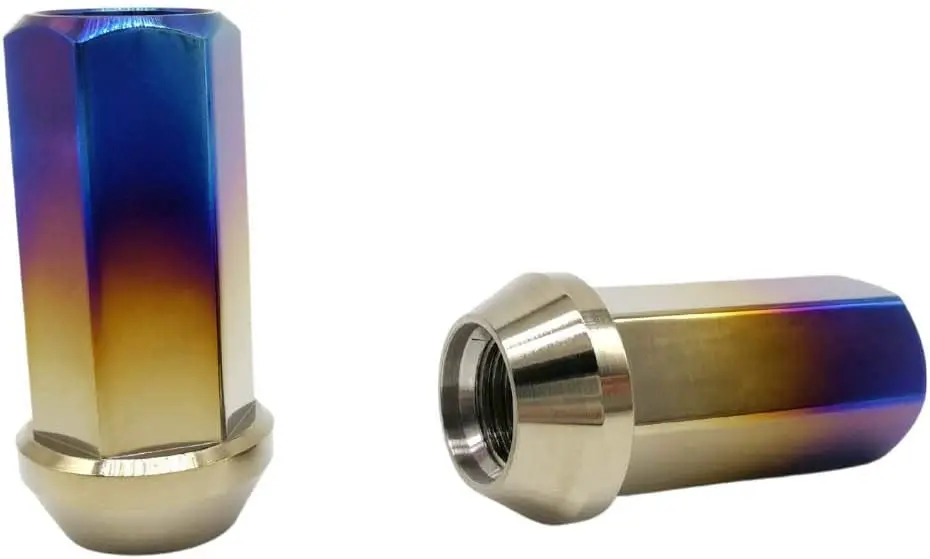
Lug Nuts / Wheel Bolts

M14 x 1.25

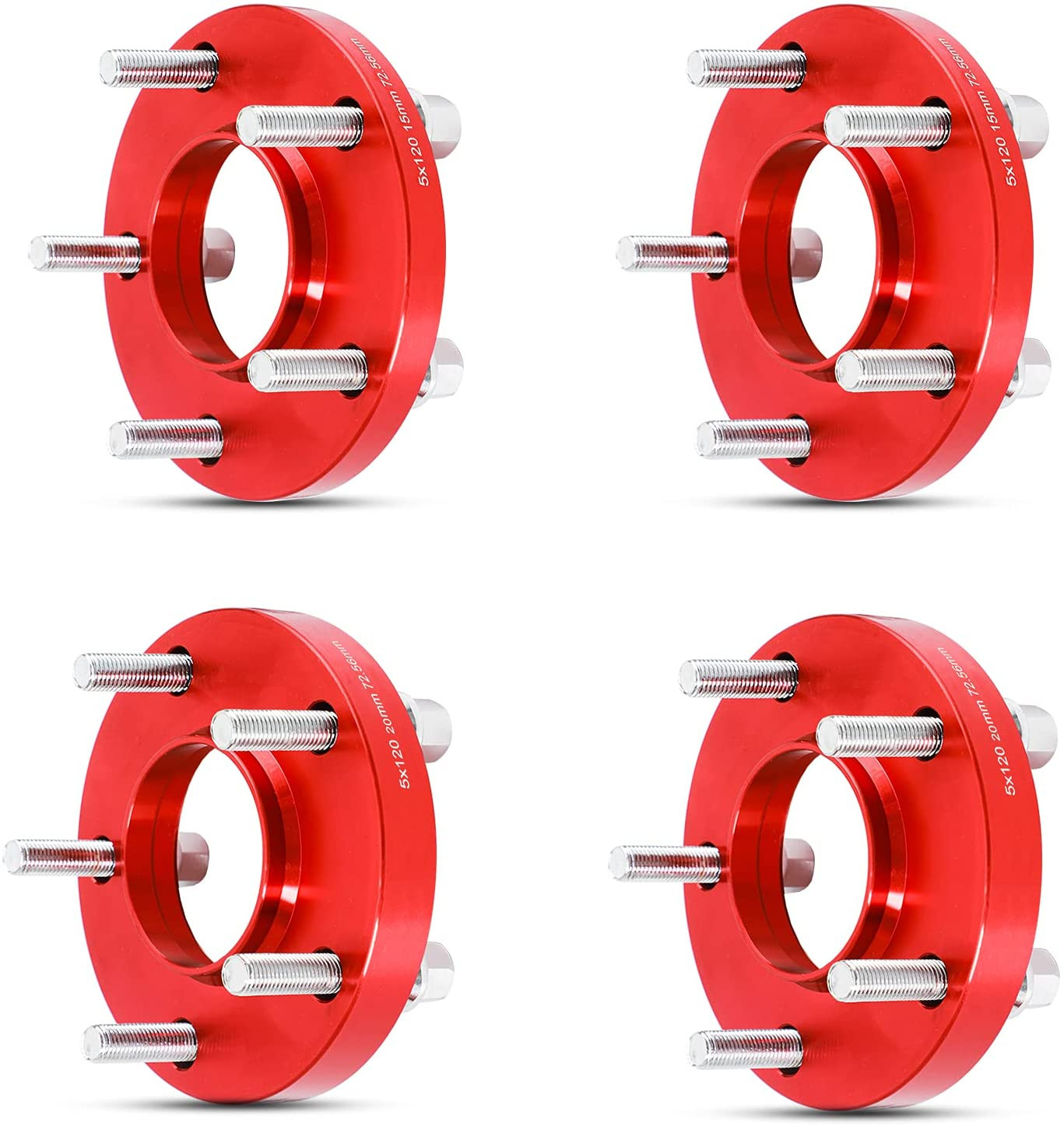
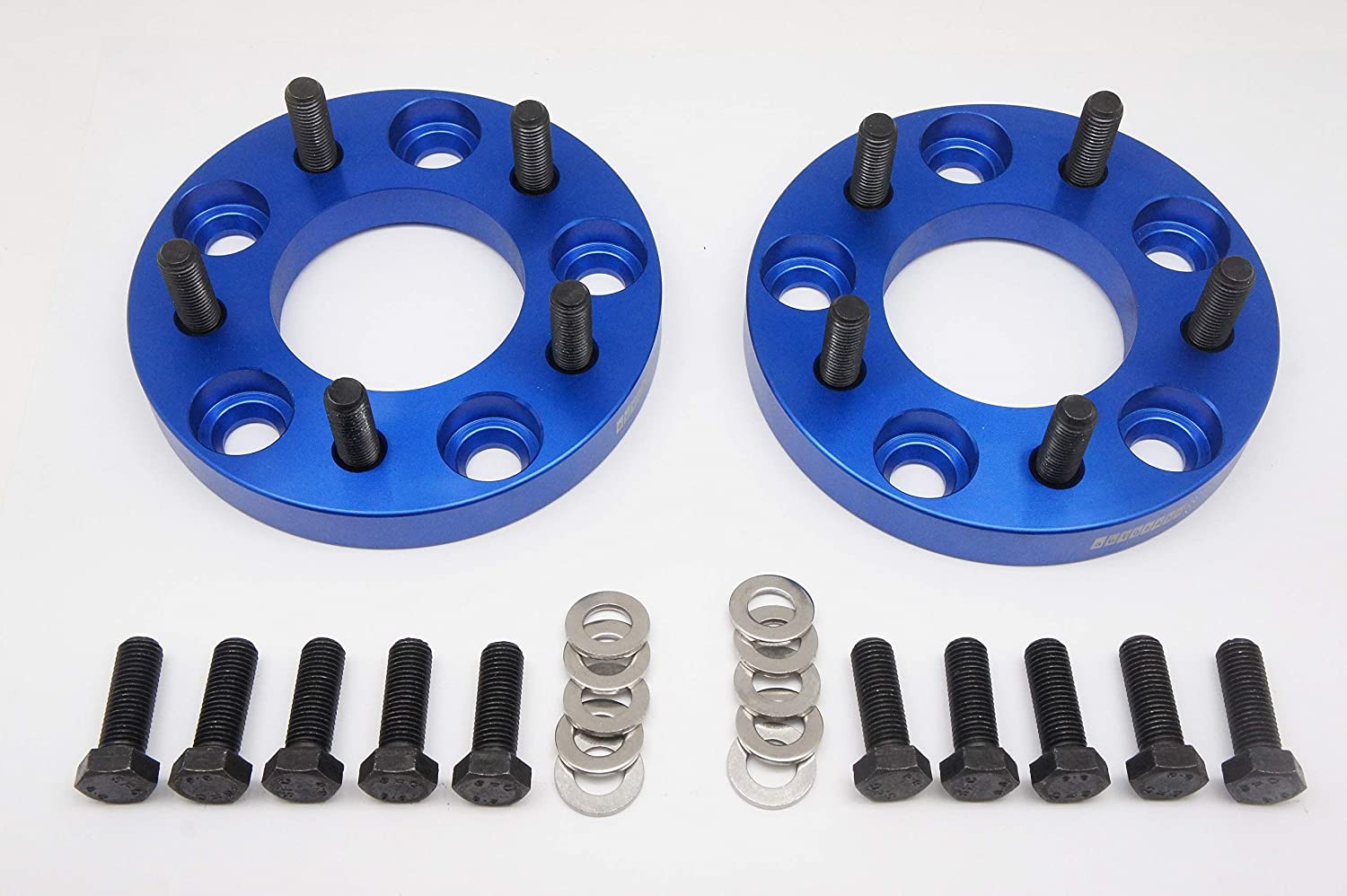
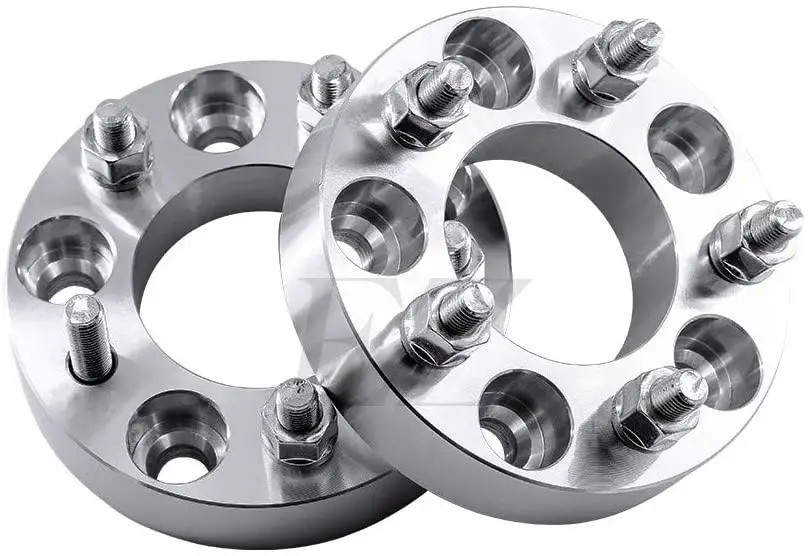
Wheel Spacers

5x120 · 72.6 mm hub

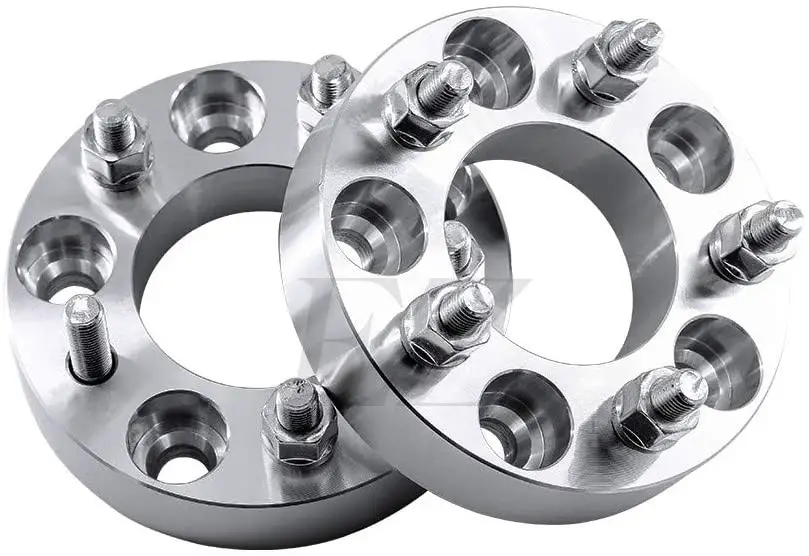
Wheel Adapters

5x120 · 72.6 mm hub

Directional bolt-pattern adapters. A spacer does not change PCD.
As an Amazon Associate we earn from qualifying purchases. Product availability and pricing may change.

Why These Wheels Fit

Wheel interchange depends on more than bolt pattern. Where data is available, this site compares:

  • Bolt pattern / PCD
  • Center bore direction (donor wheel bore must not be smaller than the hub)
  • Wheel diameter, width, and offset against known OEM ranges
  • Lug thread / hardware differences (vehicle-side hardware)

A normal wheel spacer does not change bolt pattern. Hub rings cannot enlarge a wheel bore that is smaller than the hub. Brake clearance and tire package fitment still require vehicle-specific checks when not confirmed in the dataset.

2015 BMW M6 Wheel Fitment Guide | wheelinterchange.com

Known OEM Fitment For 2015 BMW M6

The following values are provided for this specific year, make, and model. This list may be partial. If a value on your car differs, confirm it with your owner’s manual, the tire-and-loading label on the driver door jamb, and BMW service documentation. Use the on-page calculator to compare alternatives before you buy.

Bolt pattern (studs x PCD)5x120
Center bore (mm)72.6
Thread sizeM14 x 1.25
Rim diameter (in)20
Rim width (in)9.0
Wheel offset (ET, mm)32
Backspacing (in)5.76
Tire section width (mm)265
Tire aspect ratio (%)40
Tire rim diameter (R)19

Notes:

  • Values can vary by package and front or rear axle. The M6 is often equipped with different front and rear fitments. If your car has a different tire size or wheel size on the door placard or in the manual, follow that.
  • The presence of both a 20 inch rim diameter and a 19 inch tire rim diameter in the data indicates multiple OEM configurations. Verify your exact setup by VIN and the tire label, then use the calculator to cross-check.
  • Backspacing can differ based on how the rim lip is accounted for. Use the calculator to validate backspacing against your chosen width and offset.

How To Use The Wheel Interchange Calculator

The calculator on this page compares Wheels from (donor vehicle) against Installed on (your vehicle), and it also lets you try Custom wheel size and Custom tire size. Follow these steps:

  • Set Installed on to 2015 BMW M6 so your baseline is correct.
  • Pick a donor vehicle or enter a Custom wheel size by specifying rim diameter, rim width, and offset. If you adjust rim diameter, the calculator updates tire diameter in the comparison when you set a matching Custom tire size.
  • Enter a Custom tire size by section width and aspect ratio to see total tire diameter change and fender gap impact.
  • Review inner clearance and outer poke changes. Inner clearance affects suspension and brake clearance. Outer poke affects fender and bumper clearance.
  • Iterate until changes are within safe limits. Aim to keep total tire diameter close to OEM, and monitor both inner and outer clearances so nothing rubs.

Fitment Checklist Before You Buy

  • Bolt pattern: Must be 5x120.
  • Center bore: BMW hub is 72.6 mm. If the wheel bore is larger, use quality hub-centric rings. If smaller, that wheel will not seat.
  • Offset and width: Use the calculator to see inner clearance to the strut and outer poke at the fender. Large brakes on the M6 mean spoke and barrel clearance are critical.
  • Brake package: Cars may have different front and rear rotor and caliper sizes. Request a brake template from the wheel maker if in doubt.
  • Suspension geometry: Lowered cars or adaptive dampers change bump travel. Leave extra margin for compression and steering lock.
  • Tires: Match load and speed rating to OEM or higher. Keep overall diameter close to stock to maintain ABS, DSC, and speedometer accuracy.
  • Hardware: Thread size is M14 x 1.25. Match bolt seat type to the wheel design. If using spacers, use hub-centric spacers plus longer, correct-seat bolts.
  • TPMS: Verify sensor type by VIN and region. If your car uses in-wheel sensors, ensure new wheels and valves are compatible.
  • Backspacing: Cross-check with offset and width using the calculator. Confirm that the inner barrel clears the suspension and brake hose brackets.
  • Weight and load: Choose wheels with adequate load rating for an M car and avoid excessive weight that can impact handling and braking.

Plus Sizing And Common Upgrades

This model is seen with multiple OEM wheel and tire packages. If you are moving between 19 and 20 inch setups or changing widths, follow these principles:

  • Keep overall tire diameter close to OEM. A change within roughly 2 to 3 percent is commonly targeted to limit speedometer error. Use the calculator to confirm.
  • When increasing wheel width, half of the added width extends inward and half outward if offset stays the same. To preserve inner clearance, you can decrease offset by about half of the added width in millimeters. Example method: add 1.0 inch width, reduce offset by about 12.7 mm to keep the inner position similar. Verify with the calculator.
  • Check brake clearance whenever diameter, width, or spoke profile changes. The M6 has large calipers that require generous barrel and spoke room.
  • Staggered setups are common on performance cars. If you use staggered widths, maintain compatible rolling diameters front to rear to protect stability systems.

Installation Tips

  • Safety first: Use a proper jack, BMW jack pad adapters, and jack stands on solid ground. Chock wheels.
  • Clean the hub face and the wheel mounting pad. Remove rust and debris. A thin film of anti-seize on the hub pilot can help prevent sticking, but do not lubricate bolt threads unless the manufacturer specifies it.
  • Test fit each wheel by hand to confirm hub-centric seating on the 72.6 mm pilot. If the wheel bore is larger, install hub-centric rings before torquing.
  • Start bolts by hand and use a cross pattern to snug. Torque only with a calibrated torque wrench to the BMW service spec for your VIN. Re-torque after 50 to 100 miles.
  • If using spacers, ensure they are hub-centric and that you have the correct extended M14 x 1.25 bolts. Verify full thread engagement as specified by the hardware manufacturer.
  • Spin each wheel by hand and turn lock-to-lock while the car is off the ground to check for rubbing on calipers, liners, and suspension links.

Tools And Helpful Supplies

FAQs

  • Can I run 20 inch wheels on my 2015 BMW M6?

    The data provided here lists a 20 inch rim diameter along with a 19 inch tire size, which indicates multiple OEM configurations were used. Check your door placard and owner’s manual to confirm what your car shipped with, then use the calculator to compare any change you plan.

  • What bolt pattern do I need?

    The 2015 BMW M6 uses a 5x120 bolt pattern. Wheels that are not 5x120 should not be used unless a properly engineered hub-centric adapter system is specified by a professional. Always prioritize safety.

  • Do I need hub-centric rings?

    The BMW hub is 72.6 mm. If the wheel’s center bore is larger than 72.6 mm, you should use 72.6 mm hub-centric rings. If the bore is exactly 72.6 mm, rings are not needed. A smaller bore will not fit.

  • How do I choose an offset when increasing wheel width?

    Use the calculator. A general method is to adjust offset by about half of the width change to keep the inner or outer position similar. For example, adding 1.0 inch of width, decreasing offset by about 12.7 mm keeps inner clearance close. Always validate inner and outer clearances and brake clearance on your car.

  • Will I need new wheel bolts?

    Thread size is M14 x 1.25. If you change wheels or add spacers, you may need different bolt lengths and the correct seat type for the wheel. Match hardware to the wheel’s seat design and follow the hardware manufacturer’s engagement guidance.

  • What torque should I use on the wheel bolts?

    Follow the BMW service specification for your VIN. Do not guess. Use a calibrated torque wrench and re-torque after a short bedding period.

  • Will TPMS work with aftermarket wheels?

    Confirm your TPMS type by VIN and region. If your M6 uses in-wheel sensors, select compatible TPMS valves and sensors and have them programmed as required.

Nick Marchenko

Automotive Expert