OEM wheel and tire fitment specs for the 2012 BMW X6, including bolt pattern (PCD), center bore diameter, thread size, rim diameter, rim width, wheel offset, and backspacing.
2012 BMW X6 Fitment Specs
Baseline mounting dimensions used for interchange decisions.
Multiple OEM configurations exist for this vehicle. Fitment can vary by trim, brakes, and factory wheel package – confirm your exact setup before buying.
Wheels That Interchange With a 2012 BMW X6
Results are evaluated from bolt pattern, center bore direction, OEM width/offset envelope, and lug hardware – not bolt pattern alone.
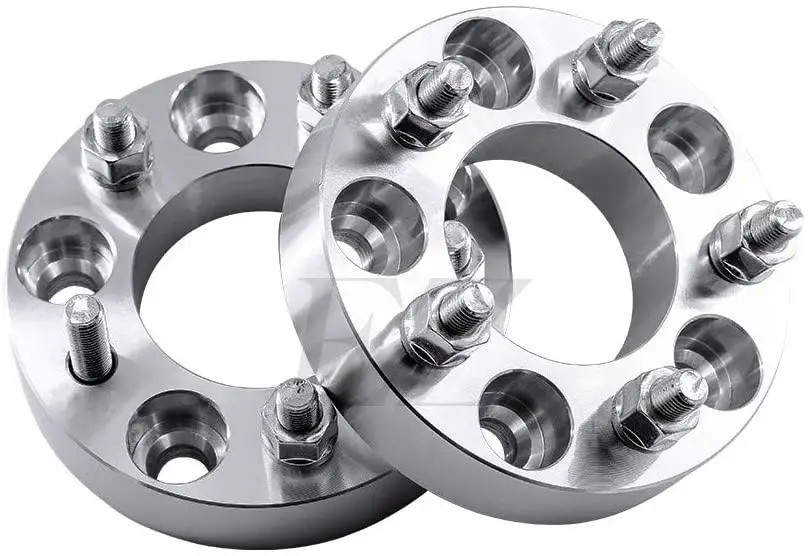
A normal wheel spacer does not change bolt pattern. Hub rings cannot enlarge a wheel bore that is smaller than the hub. Brake clearance and tire package fitment still require vehicle-specific checks when not confirmed in the dataset.
2012 BMW X6 Wheel Fitment Guide
Known OEM Fitment For 2012 BMW X6
The values below reflect known OEM specifications provided for at least one factory configuration of the 2012 BMW X6. The X6 often came with staggered setups and multiple wheel packages. If your trim differs, confirm your exact specs with the tire door-jamb label, your owner manual, a BMW parts catalog, and by using the on-page calculator to compare your current wheels to any potential replacements.
Bolt pattern
5x120
Center bore
74.1 mm
Thread size
M14 x 1.5
Rim diameter
20 in
Rim width
10.0 in
Offset (ET)
40 mm
Backspacing
6.57 in
Tire size
275/40R20
Notes:
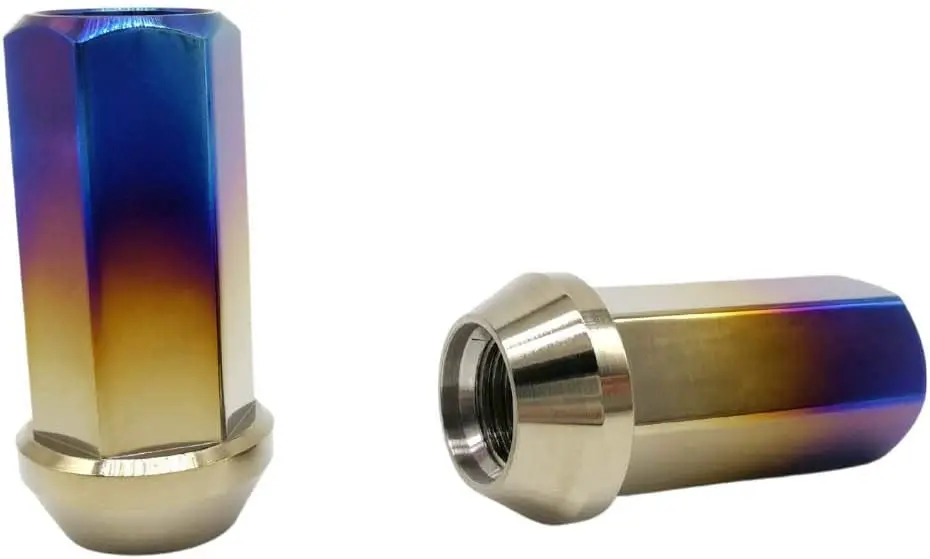
The vehicle uses lug bolts, not lug nuts. Always match thread size and seat type to your wheels, and ensure proper bolt length with spacers if used.
Some trims may use different widths, offsets, and tire sizes front vs rear. Do not assume square fitment without checking your specific vehicle.
How To Use The Wheel Interchange Calculator
The calculator on wheelinterchange.com lets you safely compare a donor wheel and tire to your 2012 BMW X6. It also supports custom sizes so you can model plus sizing and clearance changes before you buy.
Step 1: In Wheels from (donor vehicle), enter the wheel and tire you are considering. If you know only the wheel, you can still test different tire sizes.
Step 2: In Installed on (your vehicle), select 2012 BMW X6 and enter your current wheel and tire. If unsure, use the door-jamb label and any markings on your wheels. You can start with the OEM values above, then refine for your trim.
Step 3: Use Custom wheel size to try different rim diameter, width, and offset. The tool shows inner clearance to the strut and outer position relative to the fender.
Step 4: Use Custom tire size to enter tire section width and aspect ratio. When you change rim diameter, the calculator updates tire diameter in the comparison so you can see speedometer change and fender gap impact.
Step 5: Watch inner clearance. A lower offset or wider wheel moves the wheel outward, which can help inner clearance but increase poke. A higher offset or wider inner barrel can contact struts, liners, or brake cooling ducts.
Step 6: Check outer position. Ensure the tire does not extend past the fender and that there is room for compression and steering lock.
Step 7: Keep overall tire diameter within about 1 to 3 percent of your original to minimize speedometer error and maintain proper ABS, DSC, and transmission behavior.
Step 8: If using spacers, the calculator lets you simulate effective offset. Example: ET40 wheel with a 15 mm spacer results in effective ET25.
Fitment Checklist Before You Buy
Bolt pattern: Wheel must be 5x120. Do not attempt to fit 5x112 or other patterns.
Center bore: The hub is 74.1 mm. Wheels with a larger center bore can be used with quality hub-centric rings to 74.1 mm. Wheels with a smaller bore will not fit the hub.
Offset and width: Verify inner clearance to strut and outer clearance to fender using the calculator. Consider suspension compression and steering sweep.
Brake clearance: Confirm spoke and barrel clearance for your brake calipers and rotors. Test-fit whenever possible.
Load rating: Wheel and tire load index must meet or exceed the OEM specification for the X6’s curb weight and GVWR.
Tire diameter: Keep overall diameter within roughly 1 to 3 percent of stock to limit speedometer error and avoid driveline issues.
Thread engagement: With lug bolts, ensure at least the OEM equivalent number of full turns of engagement. Add extended bolts if spacers are used, per spacer thickness.
Seat type: Match bolt seat type to the wheel seat design. Do not mix seat types.
TPMS: Verify sensor type and frequency for your market and model year. Plan to transfer or program sensors as needed.
Staggered setups: If running wider rears, keep the rolling diameter front to rear within manufacturer guidance for AWD systems.
Plus Sizing And Common Upgrades
Many owners explore wider wheels and tires for improved grip or a larger rim diameter for styling. The calculator helps you validate each change:
Rim diameter changes: Increasing rim diameter requires a lower profile tire to maintain overall diameter. Use the Custom tire size to keep total diameter change within 1 to 3 percent.
Wider wheels: A wider wheel often benefits from a slightly wider tire to maintain proper sidewall shape. Verify inner and outer clearance carefully.
Offset tuning: Moving the wheel outward with a lower ET can improve strut clearance but risks fender poke. Moving inward with a higher ET can create inner contact. Use the calculator’s inner and outer comparison to find a safe range.
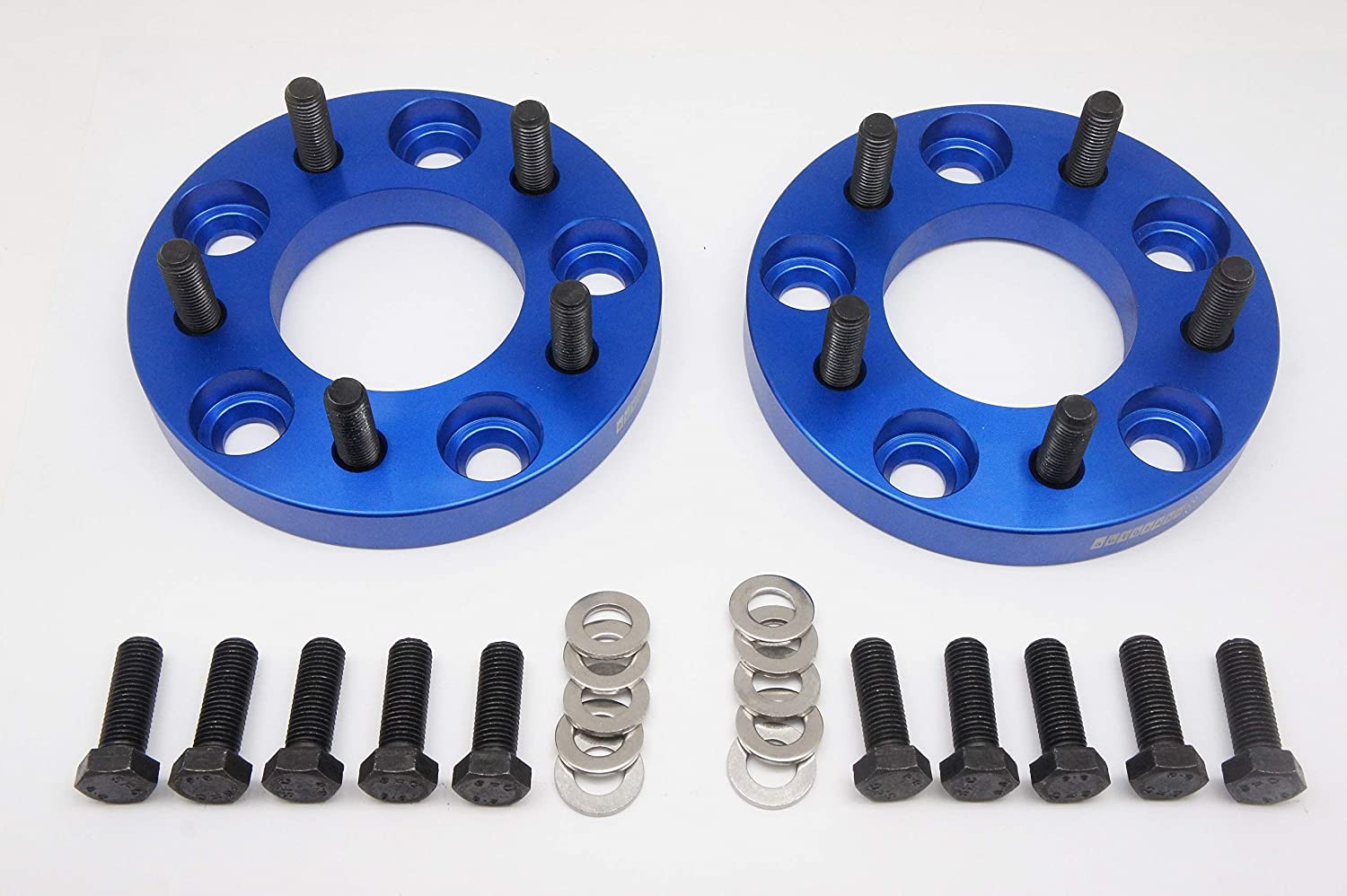
Spacers: Quality hub-centric spacers can correct minor offset issues. Remember that spacer thickness reduces effective offset by the same amount. Use longer, proper-seat M14x1.5 bolts to maintain thread engagement.
Hub-centric rings: If using wheels with a larger center bore than 74.1 mm, install rings to 74.1 mm for vibration-free operation.
Staggered fitment: If your X6 uses staggered sizes, keep front-to-rear rolling diameters closely matched and verify AWD compatibility. Confirm on the door-jamb label and owner manual.
Installation Tips
Preparation: Park on level ground, set the parking brake, and chock wheels. Loosen lug bolts slightly before lifting.
Lifting: Use a proper jack and stands at approved lift points as specified by BMW.
Hub and wheel prep: Clean the hub face and center spigot to bare metal. Remove rust and debris. Ensure wheel mounting faces are clean and flat.
Test-fit: Spin the wheel by hand on the hub to check for caliper and suspension clearance before mounting the tire if possible.
Bolts and seating: Hand start all M14x1.5 bolts to avoid cross-threading. Use a wheel hanger guide pin to support the wheel and align bolt holes.
Torque: Tighten in a star pattern and torque to the BMW-specified value for your model year found in the owner manual or service information. Recheck torque after 50 to 100 miles.
TPMS: Transfer or install compatible sensors and perform relearn or programming procedures as required for your vehicle and market.
Spacers and rings: Install hub-centric rings fully seated. If using spacers, ensure full hub engagement and use appropriately longer bolts.
Final checks: Verify that the tire does not rub at full steering lock and under compression. Schedule a professional alignment after significant size or offset changes.
Q: Will wheels from a 5x112 vehicle fit my 2012 BMW X6? A: No. Your X6 uses a 5x120 bolt pattern. Adapters or wobble hardware are not recommended for safety-critical, heavy vehicles like the X6.
Q: What offset range works on the X6? A: Offset depends on wheel width, brake package, and whether your setup is staggered. Start with the known OEM ET40 for a 20x10 and use the calculator to model inner and outer clearance for any new width or diameter. Always test-fit.
Q: Do I need hub-centric rings? A: If your wheels have a center bore larger than 74.1 mm, use rings to size them down to 74.1 mm. If the wheel is exactly 74.1 mm, rings are not needed. Wheels with a smaller bore will not fit.
Q: Can I use spacers to clear brakes or fenders? A: Yes, quality hub-centric spacers can adjust track and effective offset. Subtract spacer thickness from wheel ET to get the new effective offset. Use longer M14x1.5 bolts and verify full hub engagement. Recheck torque after installation.
Q: What tire diameter change is acceptable? A: Aim to keep overall tire diameter within about 1 to 3 percent of your current setup to limit speedometer error and avoid ABS, DSC, and transmission issues. Use the calculator to track percentage change.
Q: Do I have direct TPMS sensors? A: Many 2012 BMWs in various markets use direct TPMS, but this can vary by region and package. Check your owner manual or consult a BMW parts source with your VIN. Transfer sensors or install compatible new ones as required.
Q: How do I confirm my exact factory wheel and tire size? A: Check the driver door-jamb tire label, the owner manual, and the physical markings on your wheels and tires. You can also decode your VIN in a BMW parts catalog. Enter those values into the calculator as your baseline.
Q: Is it safe to reuse my existing lug bolts with new wheels? A: Only if the bolt length, thread engagement, and seat type match the new wheels and any spacers used. If you add spacers or the seat type is different, select appropriate new bolts.