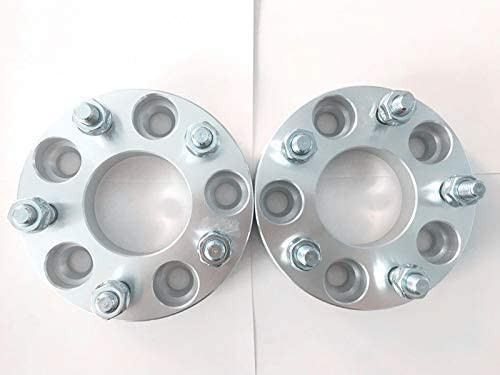
OEM wheel and tire fitment specs for the 1999 Buick Regal, including bolt pattern (PCD), center bore diameter, thread size, rim diameter, rim width, wheel offset, and backspacing.
1999 Buick Regal Fitment Specs
Baseline mounting dimensions used for interchange decisions.
Multiple OEM configurations exist for this vehicle. Fitment can vary by trim, brakes, and factory wheel package – confirm your exact setup before buying.
Wheels That Interchange With a 1999 Buick Regal
Results are evaluated from bolt pattern, center bore direction, OEM width/offset envelope, and lug hardware – not bolt pattern alone.
Use lug nuts compatible with your vehicle's studs. Geometry within known OEM envelope (approx. outer change 11.35 mm, inner change 1.35 mm vs mid OEM).
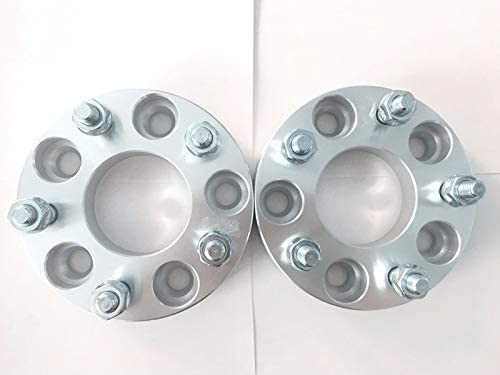
A normal wheel spacer does not change bolt pattern. Hub rings cannot enlarge a wheel bore that is smaller than the hub. Brake clearance and tire package fitment still require vehicle-specific checks when not confirmed in the dataset.
The following factory specifications are provided for the 1999 Buick Regal. Some values can vary by trim or factory package. If a value is unknown for your exact car, confirm it on your driver door jamb tire label, in the owner’s manual, or by using the on-page calculator alongside OEM sources.
Bolt pattern (studs x PCD)
5x115
Center bore
70.3 mm
Thread size
M12 x 1.5
OEM rim diameter
16 in
OEM rim width
6.5 in
Wheel offset (ET)
42 mm
Backspacing
4.9 in
Tire section width
215 mm
Tire aspect ratio
70 %
OEM tire rim diameter
15 in
Note: The wheel and tire entries above may reflect different factory packages. For example, the listed 16 inch wheel size and the 215/70R15 tire indicate that multiple OEM options existed. Always match to the exact size shown on your vehicle’s tire label or confirm with a Buick dealer by VIN.
How To Use The Wheel Interchange Calculator
The calculator on this page lets you compare a potential donor wheel and tire to your 1999 Buick Regal. Use it to assess bolt pattern and hub bore matchup, spacing changes, and tire diameter differences before you buy.
Set Installed on (your vehicle) to 1999 Buick Regal so the baseline values are prefilled.
In Wheels from (donor vehicle), pick the vehicle or enter the donor wheel specs if you know them. If the donor bolt pattern or center bore differs from 5x115 and 70.3 mm, plan on a different wheel or appropriate hub-centric rings. Never force a smaller bore onto your hub.
Use Custom wheel size to enter the rim diameter, width, and offset printed on the inside of the wheel or in the seller’s listing. Offset is critical because it controls inner clearance to strut and outer “poke.”
Use Custom tire size to enter the tire you plan to run. The calculator will update overall tire diameter and show ride height and speedometer impact.
Review inner clearance and outer position changes. Verify there is safe clearance to struts, springs, fender liners, and brake hoses at full steering lock and full suspension compression. Aim for a few millimeters of extra space on both sides as a safety margin.
If you see a large tire diameter change, adjust aspect ratio or section width until the overall diameter is close to your OEM size shown on your door label. Keeping diameter similar helps maintain speedometer accuracy and gearing feel.
If the aftermarket wheel center bore is larger than 70.3 mm, plan to use hub-centric rings to maintain a vibration-free fit. If it is smaller than 70.3 mm, the wheel will not seat on the hub.
Fitment Checklist Before You Buy
Bolt pattern: Must be 5x115. Do not use 5x114.3 without manufacturer-approved multi-fit wheels specifically drilled to accommodate 5x115.
Center bore: Hub is 70.3 mm. Wheel bore must be 70.3 mm or larger. Larger bores require hub-centric rings. Smaller bores will not fit.
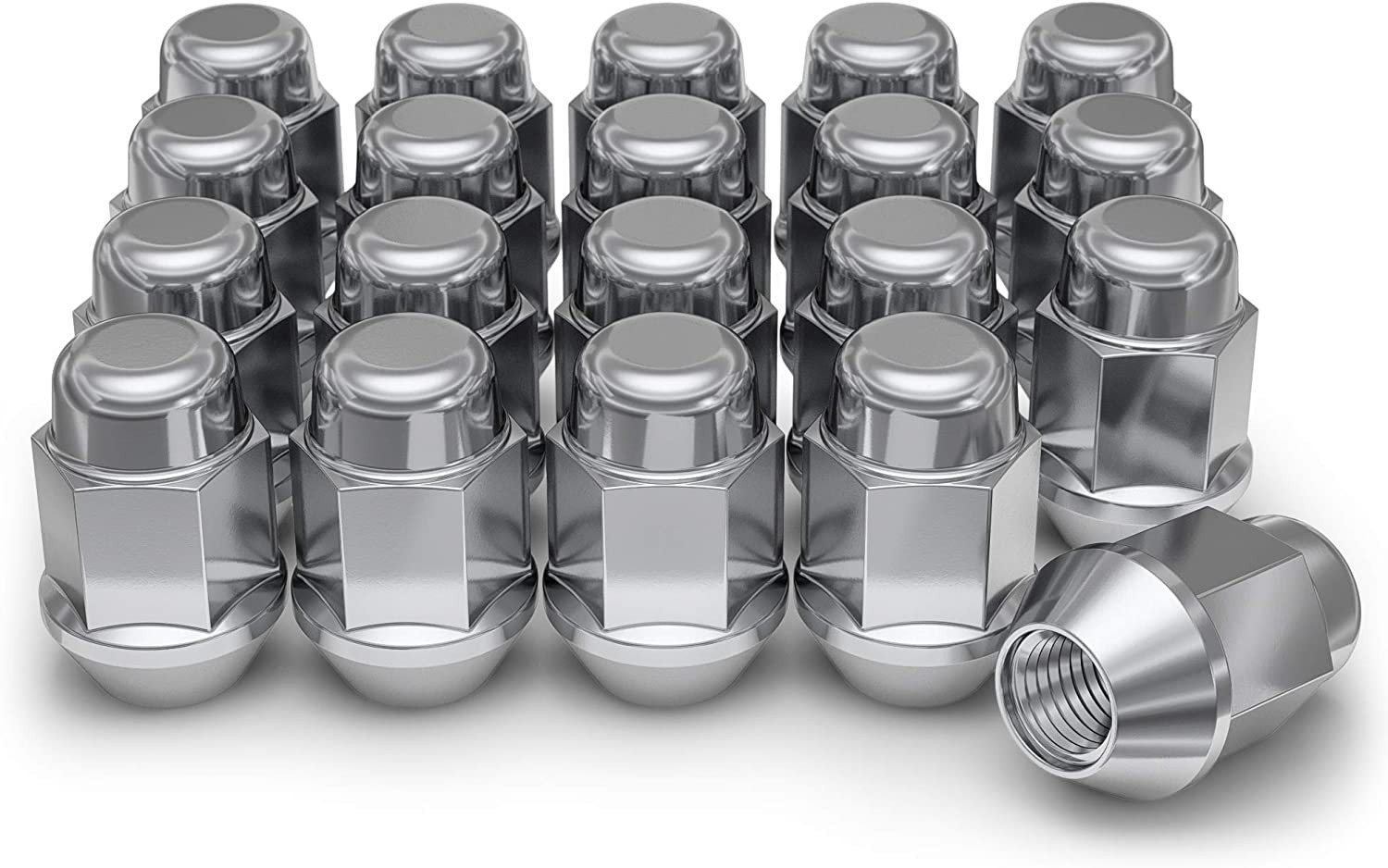
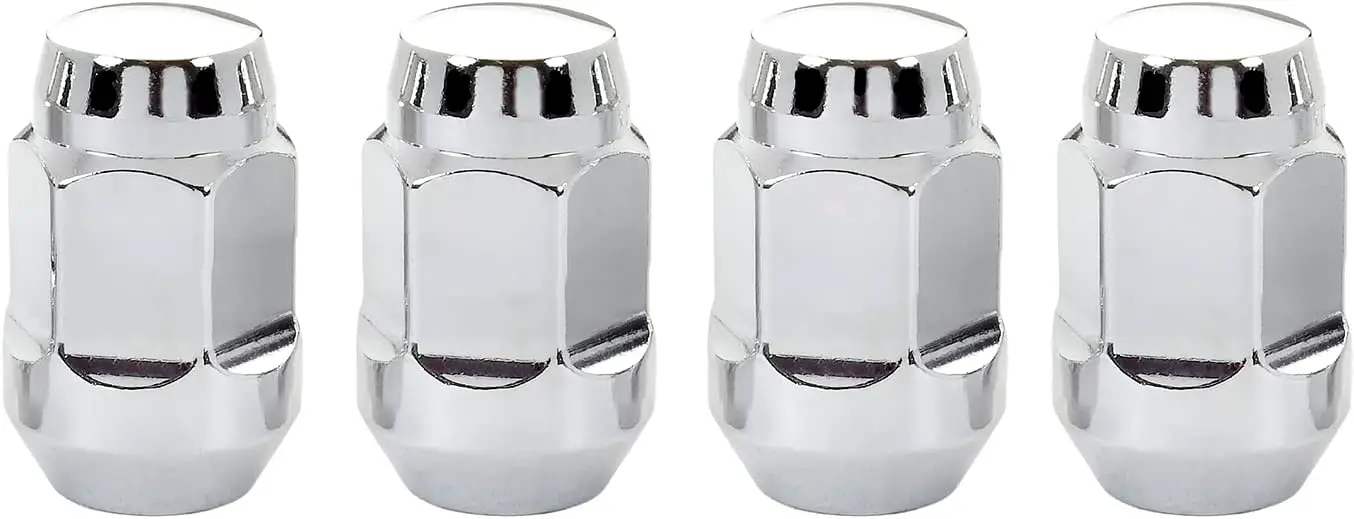
Thread size: M12 x 1.5. Match lug nuts to both the stud thread and the wheel’s required seat type. Seat type is not provided here, so confirm cone vs ball vs mag seat with the wheel maker.
Offset and backspacing: OEM reference is ET 42 mm and 4.9 in backspacing. Use the calculator to check how any change affects inner clearance and outer poke.
Brake clearance: Verify disc and caliper clearance, especially if moving between 15 inch and 16 inch packages. Physically test fit when possible.
Tire load and speed rating: Meet or exceed the OEM ratings on your door label.
TPMS: If equipped, confirm sensor compatibility and re-learn procedure.
Hardware: Use correct shank length or seat type lug nuts/bolts. Ensure full thread engagement and that the lug nut seats fully and clamps the wheel face.
Torque: Tighten lug nuts to the OEM specification in the owner’s manual. Re-torque after 50 to 100 miles.
Plus Sizing And Common Upgrades
The goal of plus sizing is to increase wheel diameter and width while keeping overall tire diameter close to stock to preserve speedometer accuracy and ride quality.
Work from your door label tire size as the baseline. Use the calculator to try a larger rim and adjust tire aspect ratio so overall diameter stays similar.
Monitor offset changes. Wider wheels with the same offset will sit closer to suspension inside and farther out toward the fender outside. Use the calculator’s inner and outer position deltas to verify clearance.
As a general guideline, try to keep overall tire diameter within about 3 percent of OEM and maintain a few millimeters of clearance to all components through full steering and suspension travel.
If vibrations occur with aftermarket wheels, use quality hub-centric rings sized from the wheel’s center bore down to 70.3 mm.
If your Regal shows an OEM 15 inch tire on the door label but you are considering 16 inch wheels, or vice versa, verify brake caliper clearance and re-check with the calculator before purchasing.
Installation Tips
Park on level ground, apply the parking brake, and use wheel chocks.
Loosen lug nuts slightly before lifting. Support the vehicle securely on jack stands at proper lift points.
Clean the hub face and center pilot with a wire brush. A very thin film of high-temp anti-seize on the hub face can help prevent future sticking. Do not apply lubricant to studs or lug seats.
Install hub-centric rings if required. Seat the wheel fully against the hub.
Hand start all lug nuts. Snug in a star pattern.
Lower the vehicle and torque in a star pattern to the OEM specification from your owner’s manual. Do not use an impact gun for final torque.
Test drive gently. Re-torque after 50 to 100 miles and re-check for any rubbing at full lock and over bumps.
Digital caliper for measuring center bore and stud protrusion
FAQs
What is the bolt pattern for the 1999 Buick Regal?
5x115.
What center bore does the 1999 Regal use?
70.3 mm. Wheels with a larger bore can be adapted with hub-centric rings. Smaller bores will not fit.
What lug nut thread size is correct?
M12 x 1.5. Match the lug nut seat style to the wheel manufacturer’s requirement. Seat style is not provided here, so verify before purchase.
Can I use 5x114.3 wheels on a 5x115 Buick Regal?
No. Using 5x114.3 on 5x115 hubs is not recommended due to improper stud loading and potential vibration. Use wheels drilled for 5x115 or manufacturer-approved multi-fit wheels that explicitly support 5x115.
What is the stock wheel offset?
ET 42 mm is listed as an OEM reference. If you deviate from this, use the calculator to check inner and outer clearance before buying.
Did the 1999 Regal come with 15 inch or 16 inch wheels?
Both 16 inch wheels and a 215/70R15 tire size are listed in the known data, which indicates multiple factory packages. Check your door jamb tire label or owner’s manual to confirm your car’s original size.
What lug nut torque should I use?
Refer to the torque specification in your owner’s manual or OEM service information. Re-torque after 50 to 100 miles.
Do I need hub-centric rings with aftermarket wheels?
Use rings if the wheel’s center bore is larger than 70.3 mm to center the wheel on the hub and minimize vibration. If the wheel bore equals 70.3 mm, rings are not needed.