OEM wheel and tire fitment specs for the 2005 Chevrolet Corvette, including bolt pattern (PCD), center bore diameter, thread size, rim diameter, rim width, wheel offset, and backspacing.
2005 Chevrolet Corvette Fitment Specs
Baseline mounting dimensions used for interchange decisions.
Donor width/offset sits outside the known OEM envelope for this vehicle. Precomputed data suggested a spacer; geometry was re-checked against OEM envelope. Use lug nuts / bolts specified for your vehicle.
Donor width/offset sits outside the known OEM envelope for this vehicle. Precomputed data suggested a spacer; geometry was re-checked against OEM envelope. Use lug nuts / bolts specified for your vehicle.
Donor width/offset sits outside the known OEM envelope for this vehicle. Precomputed data suggested a spacer; geometry was re-checked against OEM envelope. Use lug nuts / bolts specified for your vehicle.
Donor width/offset sits outside the known OEM envelope for this vehicle. Precomputed data suggested a spacer; geometry was re-checked against OEM envelope. Use lug nuts / bolts specified for your vehicle.
Donor width/offset sits outside the known OEM envelope for this vehicle. Precomputed data suggested a spacer; geometry was re-checked against OEM envelope. Use lug nuts / bolts specified for your vehicle.
A normal wheel spacer does not change bolt pattern. Hub rings cannot enlarge a wheel bore that is smaller than the hub. Brake clearance and tire package fitment still require vehicle-specific checks when not confirmed in the dataset.
2005 Chevrolet Corvette Wheel Fitment Guide
Known OEM Fitment For 2005 Chevrolet Corvette
The values below reflect one verified OEM configuration for the 2005 Corvette. This may represent the front axle on certain trims. Rear axle sizes and some trim-specific specs can differ. Do not assume all 2005 Corvette wheels match these numbers. Always confirm your exact trim and axle specs using the on-page calculator and OEM sources such as the door placard, the owner’s manual, or a GM parts catalog.
Bolt pattern
5x120.70 mm (5x4.75 in)
Center bore
70.3 mm
Thread size
M12 x 1.5
Rim diameter
18 in
Rim width
8.5 in
Wheel offset
ET 56 mm
Backspacing
6.45 in
Tire size
245/40R18
Notes and cautions:
Rear fitment on many Corvettes is staggered and may use a different rim diameter, width, offset, and tire size. Verify before ordering.
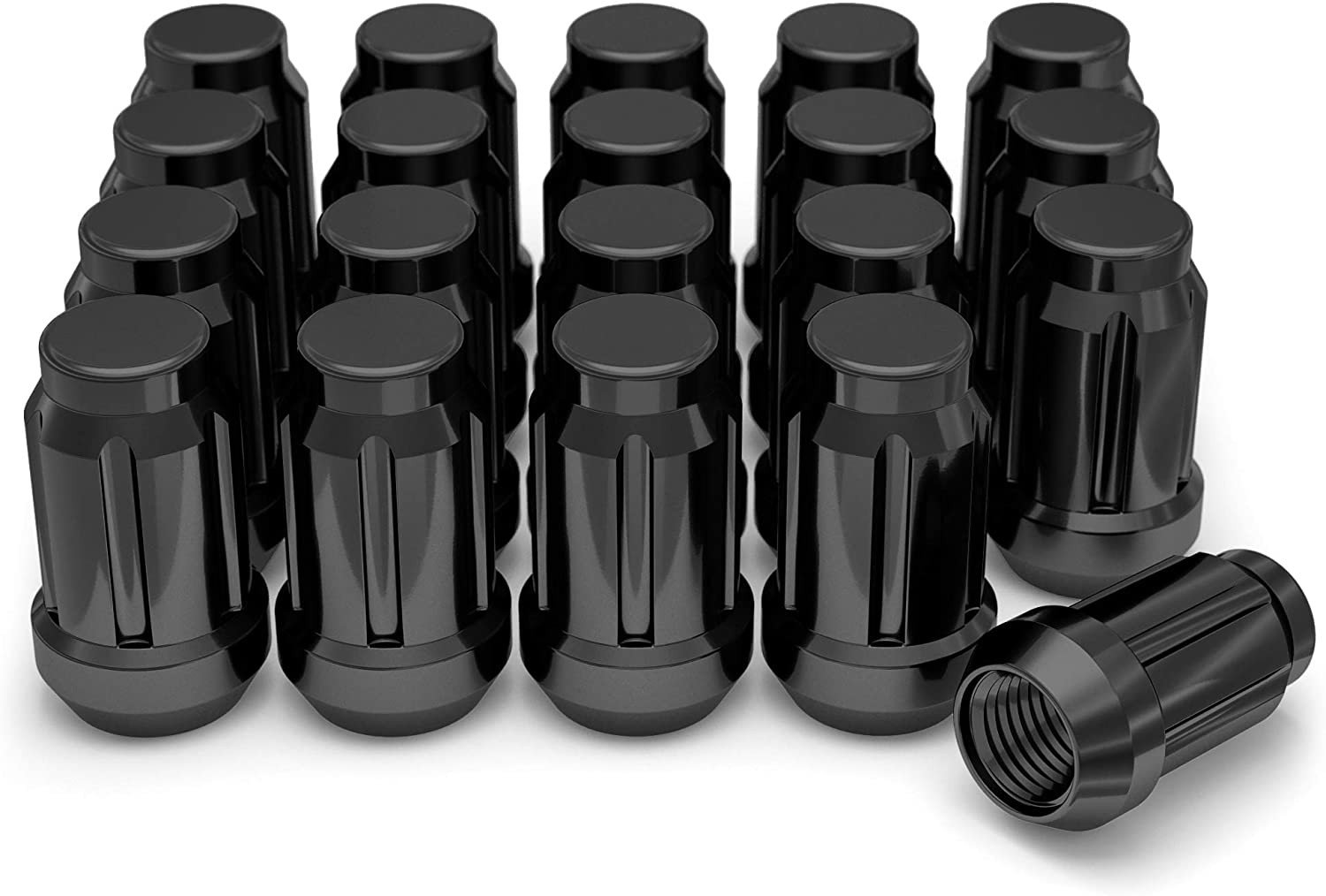
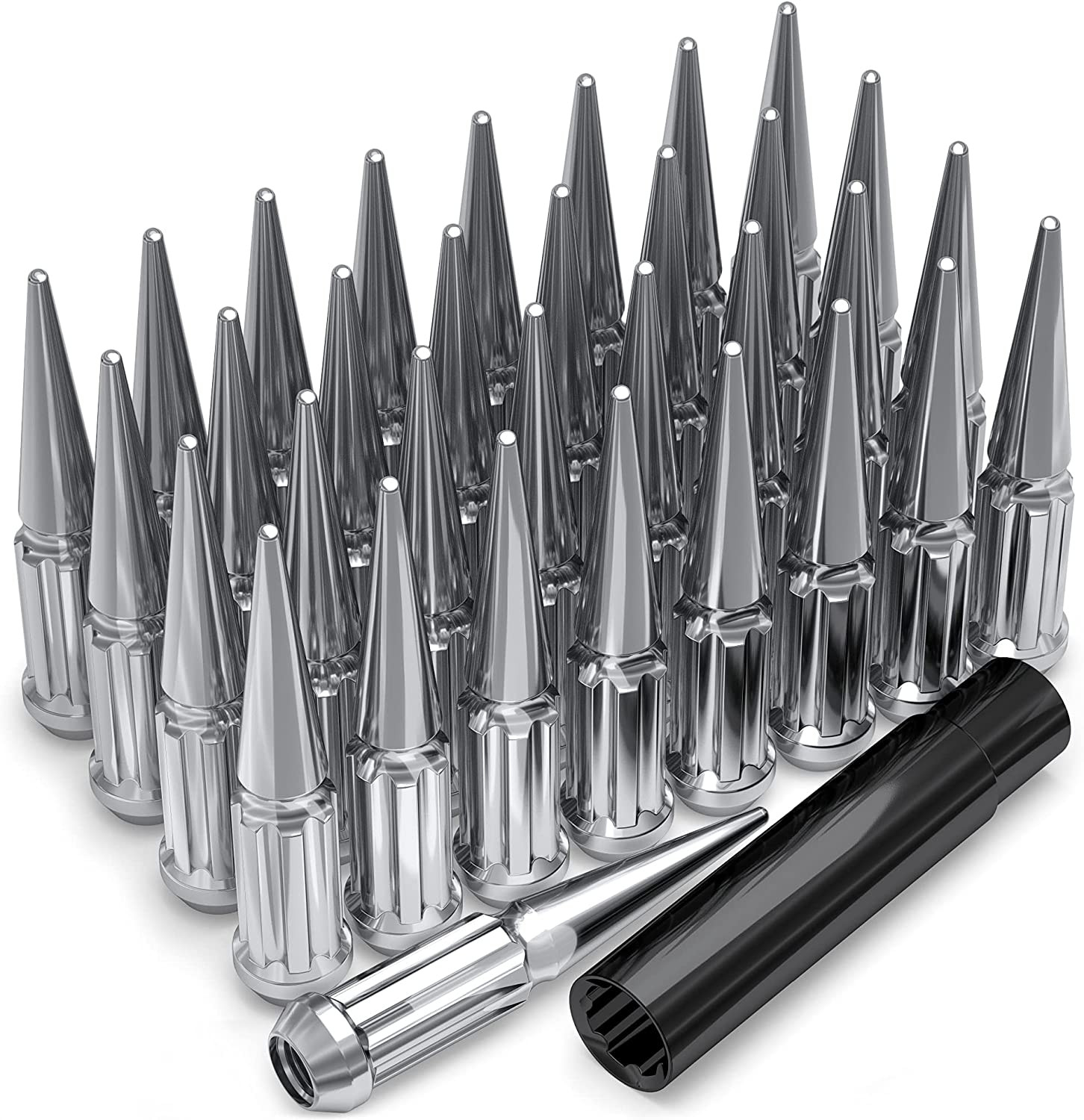
Use lug nuts that match both the vehicle thread size M12x1.5 and the seat style required by your wheels. Wheel manufacturers specify the seat style.
If an aftermarket wheel’s center bore is larger than 70.3 mm, use hub-centric rings sized to 70.3 mm to maintain vibration-free fitment. Smaller-than-70.3 mm bores will not fit.
How To Use The Wheel Interchange Calculator
Open the calculator on this page. In Wheels from (donor vehicle), enter the specs of the wheels you want to install or select a donor vehicle if you know it.
In Installed on (your vehicle), select 2005 Chevrolet Corvette. If you know your exact axle setup, enter the OEM wheel and tire sizes for that axle.
Use Custom wheel size to try different rim diameter, width, and offset. The tool shows how poke/inset changes relative to your OEM baseline.
Use Custom tire size to change section width and aspect ratio. When you change rim diameter, the tire diameter in the comparison updates so you can keep overall diameter reasonable.
Check the comparison readouts for inner clearance to the strut/suspension and outer clearance to the fender. Aim to avoid losing inner clearance and avoid excessive outer poke.
Review any tire diameter change. Keeping overall diameter close to stock helps maintain speedometer and ABS behavior. Many owners target within about 3 percent, but follow OEM guidance where provided.
When results look good, physically measure your car for brake caliper and fender clearance before buying.
Fitment Checklist Before You Buy
Bolt pattern: Must be exactly 5x120.70 mm. Do not use 5x120 mm wheels; they are not a safe match.
Center bore: Vehicle hub is 70.3 mm. Wheels with larger bores require hub-centric rings to 70.3 mm. Smaller bores will not seat.
Offset and width: Compare against the OEM baseline in the calculator. Maintain safe inner clearance to struts and brake lines. Avoid excessive outer poke that can contact fenders under compression.
Brake clearance: Confirm spoke and barrel clearance over calipers and rotors. Test-fit a bare wheel when possible.
Lug hardware: Thread size M12x1.5. Use nuts that match the wheel’s seat style. Achieve adequate thread engagement at least equal to the stud diameter. Do not mix lug bolts and studs.
Tire load and speed ratings: Meet or exceed OEM ratings. Check the driver door placard or owner’s manual for your exact requirements.
TPMS: 2005 models use TPMS. Ensure sensor compatibility with your wheels and that the shop can program or clone sensors as needed.
Spacers: Only if necessary. Use hub-centric spacers with proper lip and ensure extended studs or appropriate hardware for full thread engagement.
OEM confirmation: If your trim differs from the specs above, confirm exact OEM wheel and tire sizes via door placard, owner’s manual, or GM parts documentation.
Plus Sizing And Common Upgrades
Corvettes often run staggered setups, and many owners explore wider tires or larger-diameter rears. Exact options depend on your trim, brakes, and fender clearance. Because this varies, use the on-page calculator and verify with OEM sources rather than assuming a size will fit.
Plus sizing approach: Keep overall tire diameter close to OEM. For example, if you move from a 245/40R18 to a 19-inch rim on the same axle, choose a tire profile that keeps diameter similar. Use the calculator to compare diameter, clearance, and speedometer change.
Wider wheels: Increasing wheel width without adjusting offset changes both inner and outer clearances. Use the calculator to see how much room you lose or gain and measure your car before purchase.
Square vs staggered: Track and autocross setups sometimes run square widths to rotate tires. Street setups often stay staggered. Confirm brake clearance and fender room for either approach.
Spacers and offset changes: Small offset changes can have big effects on clearance. Always model the change and test-fit.
Installation Tips
Preparation: Park on level ground, chock wheels, and use a quality jack and stands. Do not rely on a jack alone.
Clean mounting surfaces: Remove rust and debris from the hub face. A clean, flat interface prevents vibration and loosening.
Hub-centric check: Ensure the wheel seats fully on the 70.3 mm hub. If the wheel bore is larger, install the correct hub-centric ring and confirm a snug fit.
Test fit: With no tire, check spoke and barrel clearance to calipers. Spin the wheel by hand to verify no contact.
Mounting: Hand-start all M12x1.5 lug nuts, then snug in a star pattern. Lower the vehicle and torque in a star pattern to the factory torque spec from your owner’s manual. Do not use anti-seize on studs unless OEM directs; torque values assume clean, dry threads.
Re-torque: After 50 to 100 miles of driving, recheck torque to the OEM spec.
Final checks: Turn the steering lock-to-lock and compress the suspension to ensure no rubbing on liners, fenders, or brake lines.
What is the bolt pattern for the 2005 Chevrolet Corvette?
5x120.70 mm, also written as 5x4.75 in. Do not substitute 5x120 mm wheels.
What is the center bore size?
70.3 mm. Wheels with larger bores need hub-centric rings to 70.3 mm. Smaller bores will not fit.
What lug nuts does it use?
M12x1.5 thread size. Seat style must match your specific wheels. Use the OEM torque spec from the owner’s manual and re-torque after 50 to 100 miles.
Are 5x120 wheels compatible with 5x120.70?
No. 5x120 is not the same as 5x120.70. Forcing a near-match pattern is unsafe and can damage studs and hubs.
What are the OEM wheel and tire specs?
One verified OEM configuration is 18x8.5 ET56 with 245/40R18 and 6.45 in backspacing. Other axles and trims may differ. Check your door placard, owner’s manual, or GM documentation to confirm your exact setup.
Do I need hub-centric rings?
Only if your aftermarket wheel’s center bore is larger than 70.3 mm. Use rings that step the bore down to 70.3 mm for a hub-centric fit.
Can I use spacers?
If absolutely necessary, use quality hub-centric spacers and ensure proper thread engagement with extended studs or appropriate hardware. Always model spacer thickness and offset changes in the calculator and test-fit for clearance.
What tire pressure and torque should I use?
Use the pressures and wheel torque specified on your driver door placard and in the owner’s manual. Values can vary by trim and wheel package.