2008 Chevrolet Corvette
Direct Fit- Bolt pattern5x120.65 · Match
- Center bore70.3 mm · Match
- Wheel geometryCompatible with OEM envelope
Geometry within known OEM envelope (approx. outer change -6 mm, inner change 6 mm vs mid OEM).
Baseline mounting dimensions used for interchange decisions.
Multiple OEM configurations exist for this vehicle. Fitment can vary by trim, brakes, and factory wheel package – confirm your exact setup before buying.
Results are evaluated from bolt pattern, center bore direction, OEM width/offset envelope, and lug hardware – not bolt pattern alone.
Geometry within known OEM envelope (approx. outer change -6 mm, inner change 6 mm vs mid OEM).
Geometry within known OEM envelope (approx. outer change -6 mm, inner change 6 mm vs mid OEM).
Geometry within known OEM envelope (approx. outer change -6 mm, inner change 6 mm vs mid OEM).
Geometry within known OEM envelope (approx. outer change -6 mm, inner change 6 mm vs mid OEM).
Geometry within known OEM envelope (approx. outer change -6 mm, inner change 6 mm vs mid OEM).
Geometry within known OEM envelope (approx. outer change -6 mm, inner change 6 mm vs mid OEM).
Geometry within known OEM envelope (approx. outer change -14.35 mm, inner change 1.65 mm vs mid OEM).
Geometry within known OEM envelope (approx. outer change -6 mm, inner change 6 mm vs mid OEM).
Width/offset within OEM envelope; confirm diameter/brake clearance for your trim.
Width/offset within OEM envelope; confirm diameter/brake clearance for your trim.
Geometry within known OEM envelope (approx. outer change -1.35 mm, inner change -11.35 mm vs mid OEM).
Width/offset within OEM envelope; confirm diameter/brake clearance for your trim.
Geometry within known OEM envelope (approx. outer change -1.35 mm, inner change -11.35 mm vs mid OEM).
Width/offset within OEM envelope; confirm diameter/brake clearance for your trim.
Geometry within known OEM envelope (approx. outer change -1.35 mm, inner change -11.35 mm vs mid OEM).
Width/offset within OEM envelope; confirm diameter/brake clearance for your trim.
Width/offset within OEM envelope; confirm diameter/brake clearance for your trim.
Width/offset within OEM envelope; confirm diameter/brake clearance for your trim.
Width/offset within OEM envelope; confirm diameter/brake clearance for your trim.
HardwareLug nuts for M12x1.5
Use lug nuts compatible with your vehicle's studs. Width/offset within OEM envelope; confirm diameter/brake clearance for your trim.
HardwareLug nuts for M12x1.5
Use lug nuts compatible with your vehicle's studs. Width/offset within OEM envelope; confirm diameter/brake clearance for your trim.
HardwareLug nuts for M12x1.5
Use lug nuts compatible with your vehicle's studs. Width/offset within OEM envelope; confirm diameter/brake clearance for your trim.
HardwareLug nuts for M12x1.5
Use lug nuts compatible with your vehicle's studs. Width/offset within OEM envelope; confirm diameter/brake clearance for your trim.
Donor width/offset sits outside the known OEM envelope for this vehicle. Use lug nuts / bolts specified for your vehicle.
Showing 24 of 31 evaluated donors. Same-model years are prioritized.
Only years with evidence-based interchange relationships are listed. Adjacent years are not assumed compatible.
Compare a donor vehicle or custom wheel against this 2009 Chevrolet Corvette.
Compare wheel compatibility between two vehicles
2009 Chevrolet Corvette





Products below are matched to required fitment dimensions from our parts inventory. Confirm seat style, thickness, and clearance before ordering.
M12 x 1.5
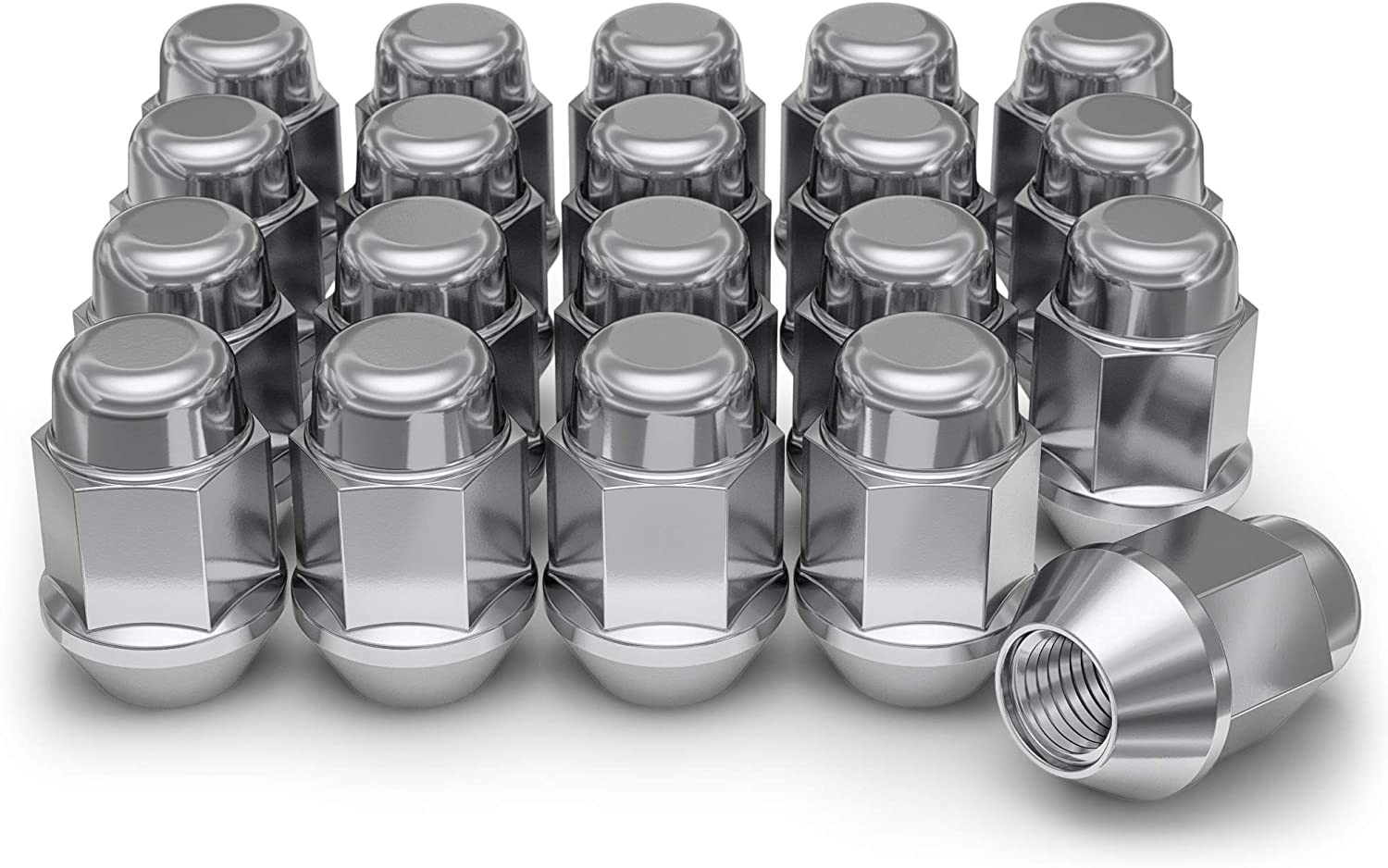
M12 x 1.5 · Confirm wheel seat style before ordering
View on Amazon →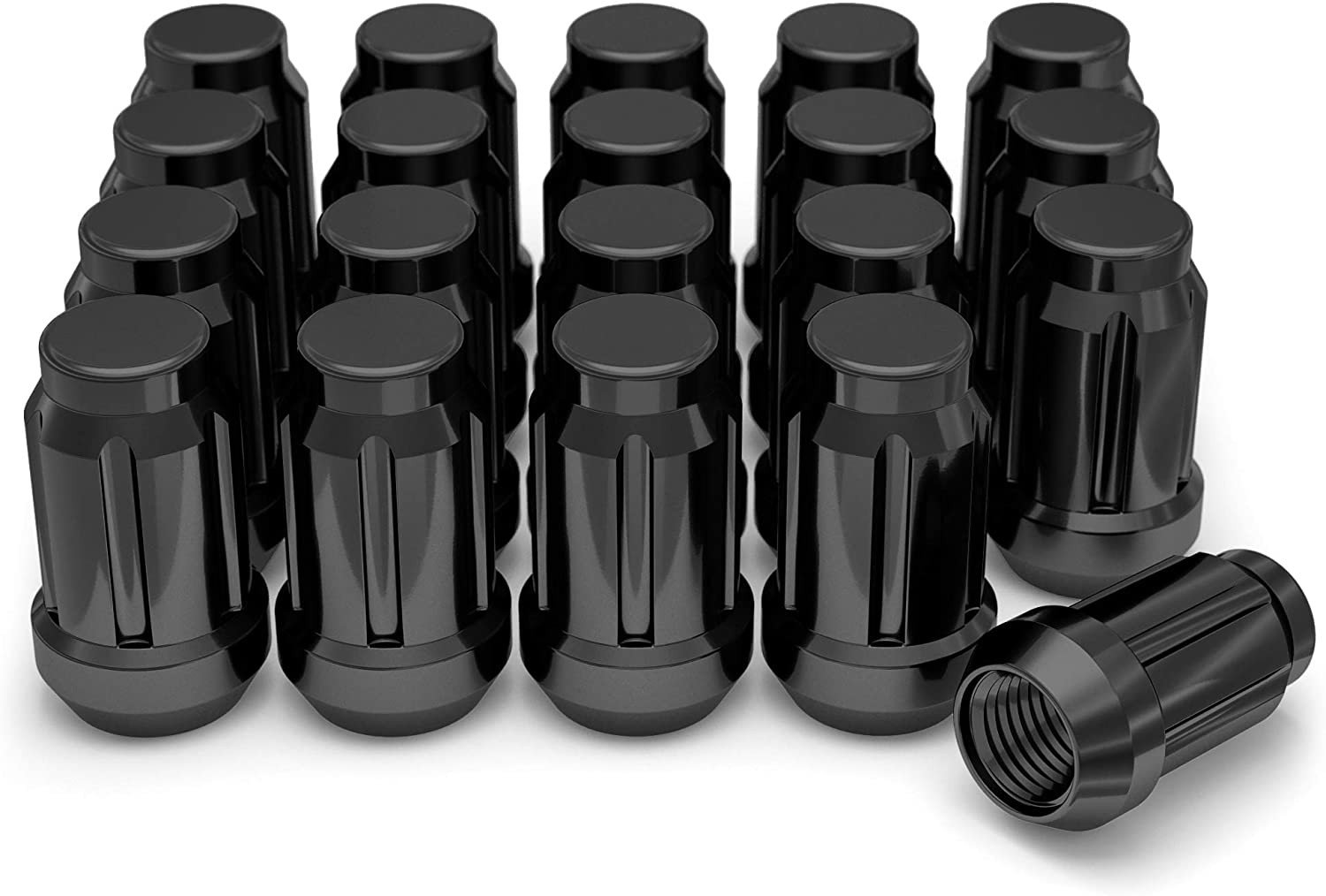
M12 x 1.5 · Confirm wheel seat style before ordering
View on Amazon →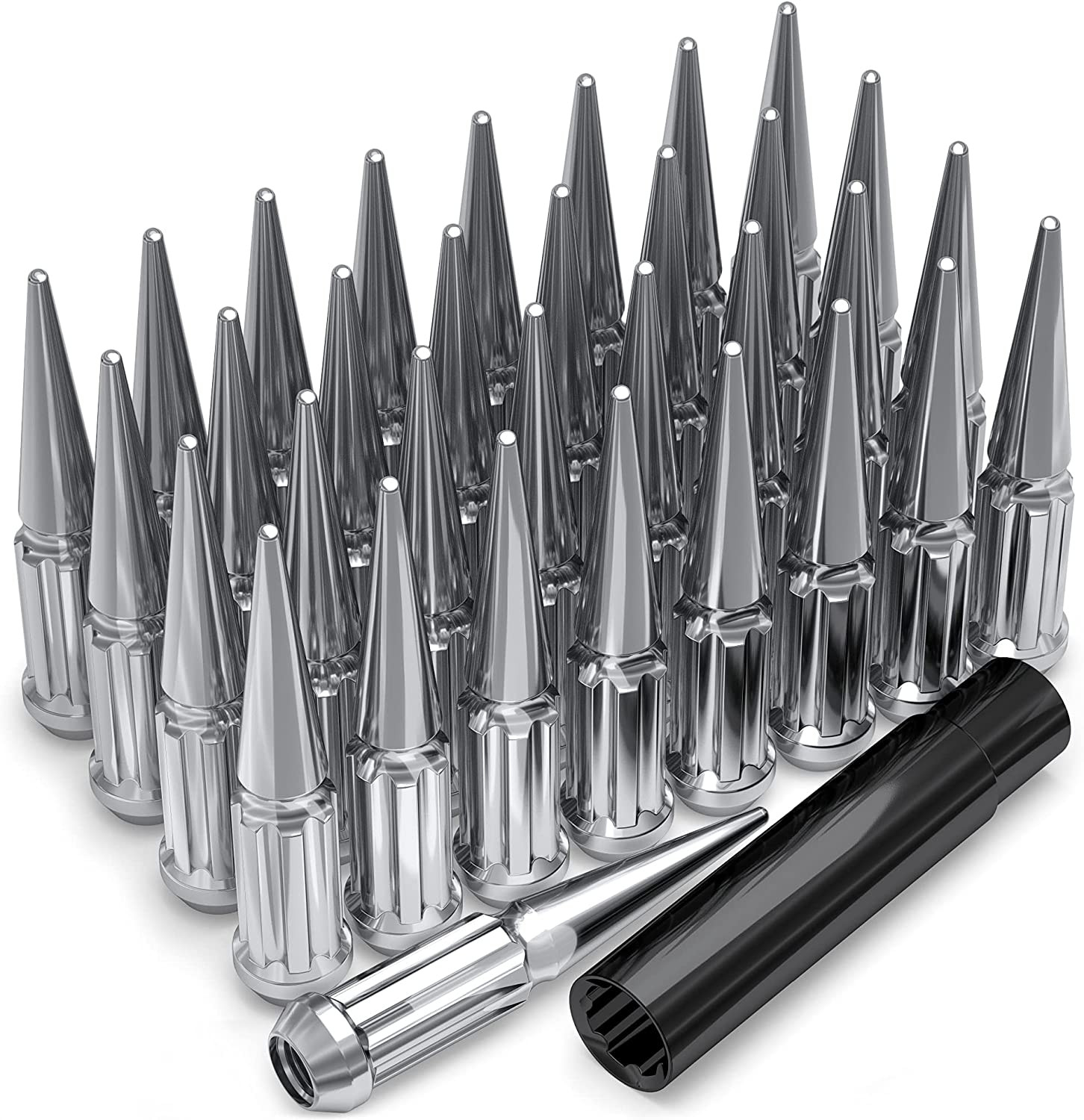
M12 x 1.5 · Confirm wheel seat style before ordering
View on Amazon →As an Amazon Associate we earn from qualifying purchases. Product availability and pricing may change.
Wheel interchange depends on more than bolt pattern. Where data is available, this site compares:
A normal wheel spacer does not change bolt pattern. Hub rings cannot enlarge a wheel bore that is smaller than the hub. Brake clearance and tire package fitment still require vehicle-specific checks when not confirmed in the dataset.
The values below are confirmed for at least one factory configuration of the 2009 Chevrolet Corvette. Other factory sizes and offsets may exist depending on trim/package. If your trim differs, confirm against your door-jamb tire placard, owner’s manual, and by testing options in the on-page calculator.
| Bolt pattern (studs x PCD) | 5x120.70 |
| Center bore (mm) | 70.3 |
| Thread size | M12 x 1.5 |
| Rim diameter (in) | 18 |
| Rim width (in) | 8.5 |
| Wheel offset (ET, mm) | 56 |
| Backspacing (in) | 6.45 |
| Tire size (section/aspect/R) | 245/40R18 |
Notes:
The calculator compares “Wheels from (donor vehicle)” versus “Installed on (your vehicle).” It also lets you test custom wheel and tire sizes. Follow these steps:
Many Corvette owners consider wider wheels or larger diameters. Because factory sizes vary by trim, do not assume a single “best” upgrade. Use these guidelines:
Because exact factory alternatives vary by trim/package, confirm any proposed size with the on-page calculator and your door-jamb placard or OEM service information.
What is the bolt pattern for the 2009 Corvette?
5x120.70 as provided above.
What is the center bore?
70.3 mm. If an aftermarket wheel’s center bore is larger, use 70.3 mm hub-centric rings. If smaller, the wheel will not fit.
What lug thread size does it use?
M12 x 1.5. Verify the required lug seat style for your specific wheels.
What OEM wheel and tire size can I rely on as a baseline?
18x8.5 ET56 with 245/40R18 is known for at least one factory configuration. Other factory sizes may exist by trim. Check your door-jamb placard and owner’s manual, then use the calculator to compare changes.
Can I use 5x120 wheels on a 5x120.70 Corvette?
No. 5x120.0 is not the same as 5x120.70. Do not force-fit. If considering adapters, understand they add thickness and change effective offset; verify clearances and safety and follow all local regulations.
How much can I change offset or width safely?
This varies by brake package, suspension, and tire choice. Use the calculator to model inner/outer movement and physically measure your clearances before purchasing.
Will larger wheels affect my speedometer or ABS?
If overall tire diameter changes significantly from stock, your speedometer and driver aids can be affected. Keep overall diameter close to OEM and confirm using the calculator’s diameter comparison.
Can I rotate my tires?
If your Corvette uses a square setup, front-to-rear rotation may be possible. If staggered (different front/rear sizes), front-to-rear rotation is generally not possible. Always follow the pattern recommended in your owner’s manual.
What torque should I use on the lug nuts?
Consult the 2009 Corvette owner’s manual or OEM service information for the exact torque specification. Tighten with a torque wrench in a star pattern on clean, dry threads unless the OEM instructs otherwise.
Do I need new TPMS sensors?
If reusing your original sensors, ensure they are compatible with the new wheels and that seals are in good condition. If replacing, choose sensors compatible with the 2009 Corvette and perform the relearn procedure.
Use the on-page calculator to validate every change against your specific 2009 Chevrolet Corvette configuration, then verify with OEM documentation before purchasing. This helps ensure proper clearance, safety, and performance.
