OEM wheel and tire fitment specs for the 2008 Chevrolet Corvette, including bolt pattern (PCD), center bore diameter, thread size, rim diameter, rim width, wheel offset, and backspacing.
2008 Chevrolet Corvette Fitment Specs
Baseline mounting dimensions used for interchange decisions.
Multiple OEM configurations exist for this vehicle. Fitment can vary by trim, brakes, and factory wheel package – confirm your exact setup before buying.
Wheels That Interchange With a 2008 Chevrolet Corvette
Results are evaluated from bolt pattern, center bore direction, OEM width/offset envelope, and lug hardware – not bolt pattern alone.
A normal wheel spacer does not change bolt pattern. Hub rings cannot enlarge a wheel bore that is smaller than the hub. Brake clearance and tire package fitment still require vehicle-specific checks when not confirmed in the dataset.
2008 Chevrolet Corvette Wheel Interchange And Fitment Guide
Known OEM Fitment For 2008 Chevrolet Corvette
The values below reflect verified information we have for this model year. Other trims and axle positions may use different wheel and tire sizes. If a spec is missing or your car differs, confirm with your owner’s manual, the tire-pressure door placard, or OEM sources, then use the calculator on this page to compare.
Bolt pattern (studs x PCD)
5x120.70
Center bore (mm)
70.3
Thread size
M12 x 1.5
Known OEM wheel size
18 x 8.5
Wheel offset (ET, mm)
56
Backspacing (in)
6.45
Known OEM tire size
245/40R18
Notes:
Some 2008 Corvette trims use staggered setups and different diameters or widths. If your car came with a larger rear wheel or a different tire size, use those as your baseline in the calculator.
Backspacing can be published two ways. The 6.45 in value shown here corresponds to a bead-seat width reference. Some guides add approximately 0.5 in for the lips, which will yield a larger backspacing number for the same wheel. Be consistent when comparing.
How To Use The Wheel Interchange Calculator
Open the calculator and set Installed on (your vehicle) to 2008 Chevrolet Corvette. If your OEM sizes differ from the table, enter your actual factory wheel and tire as the baseline.
Set Wheels from (donor vehicle) to the vehicle that the wheels came from, or leave it blank and use Custom wheel size to model an aftermarket wheel.
Use Custom wheel size to try different rim diameter, width, and offset. The tool will show changes in inner clearance, outer poke, and backspacing compared with your Corvette’s baseline.
Use Custom tire size to enter a matching tire. When you change rim diameter, the calculator updates total tire diameter in the comparison so you can keep overall diameter close to stock.
Review results. Aim for:
No loss of inner clearance to the strut, spring perch, or brake hose.
Outer position that does not contact the fender or liner through full steering and suspension travel.
Overall tire diameter that remains close to OEM to preserve ABS, traction control, and speedometer accuracy. Many installers try to keep diameter change within about 3 percent.
Finish with a physical test-fit before mounting tires if possible, especially with big changes in width or offset.
Fitment Checklist Before You Buy
Bolt pattern: Must match 5x120.70. Adapters change geometry and bearing loads; avoid unless you fully verify strength, hub-centricity, and thread engagement.
Center bore: The hub is 70.3 mm. Aftermarket wheels typically have a larger bore and require 70.3 mm hub-centric rings. Do not use a wheel with a smaller bore than 70.3 mm.
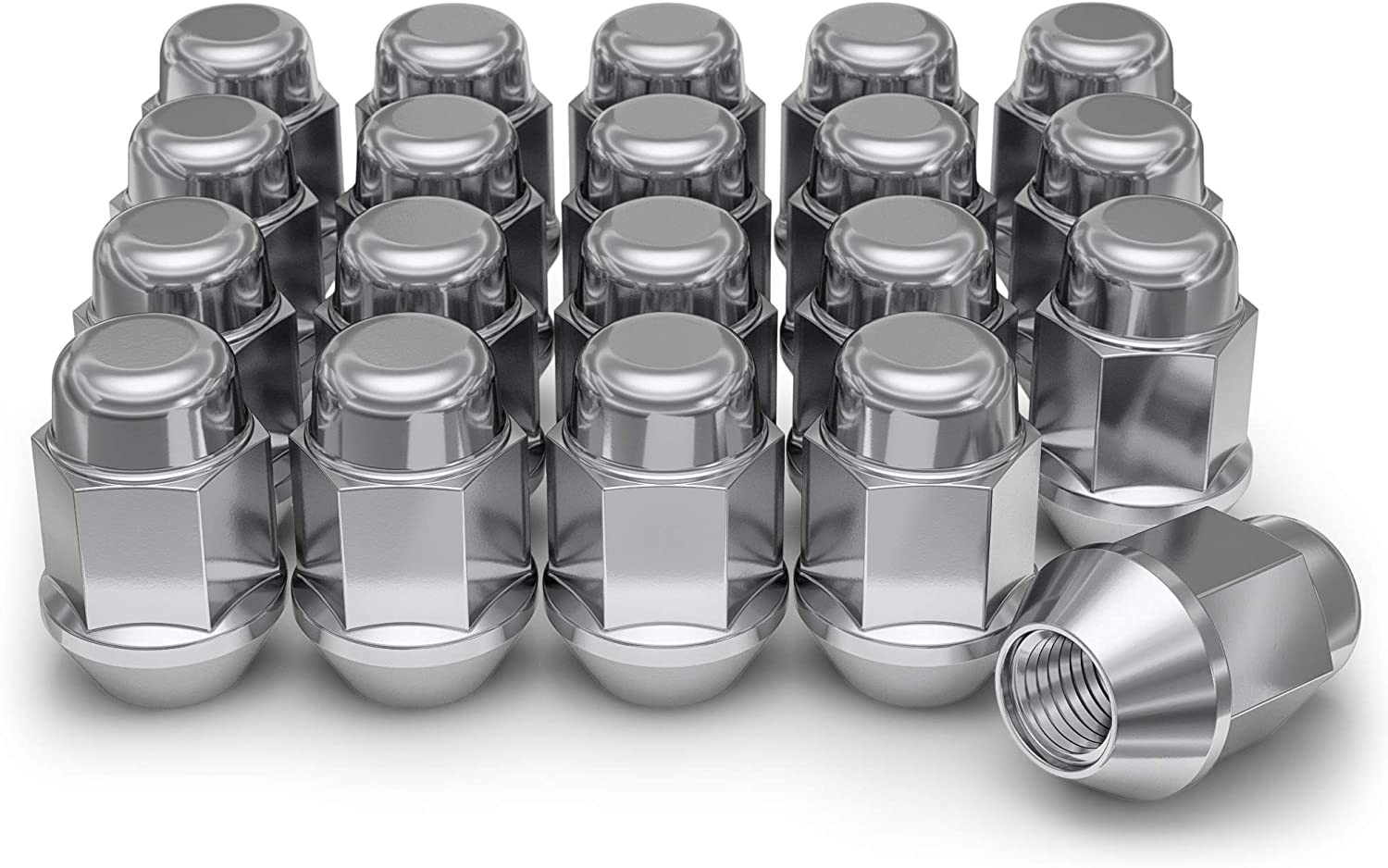
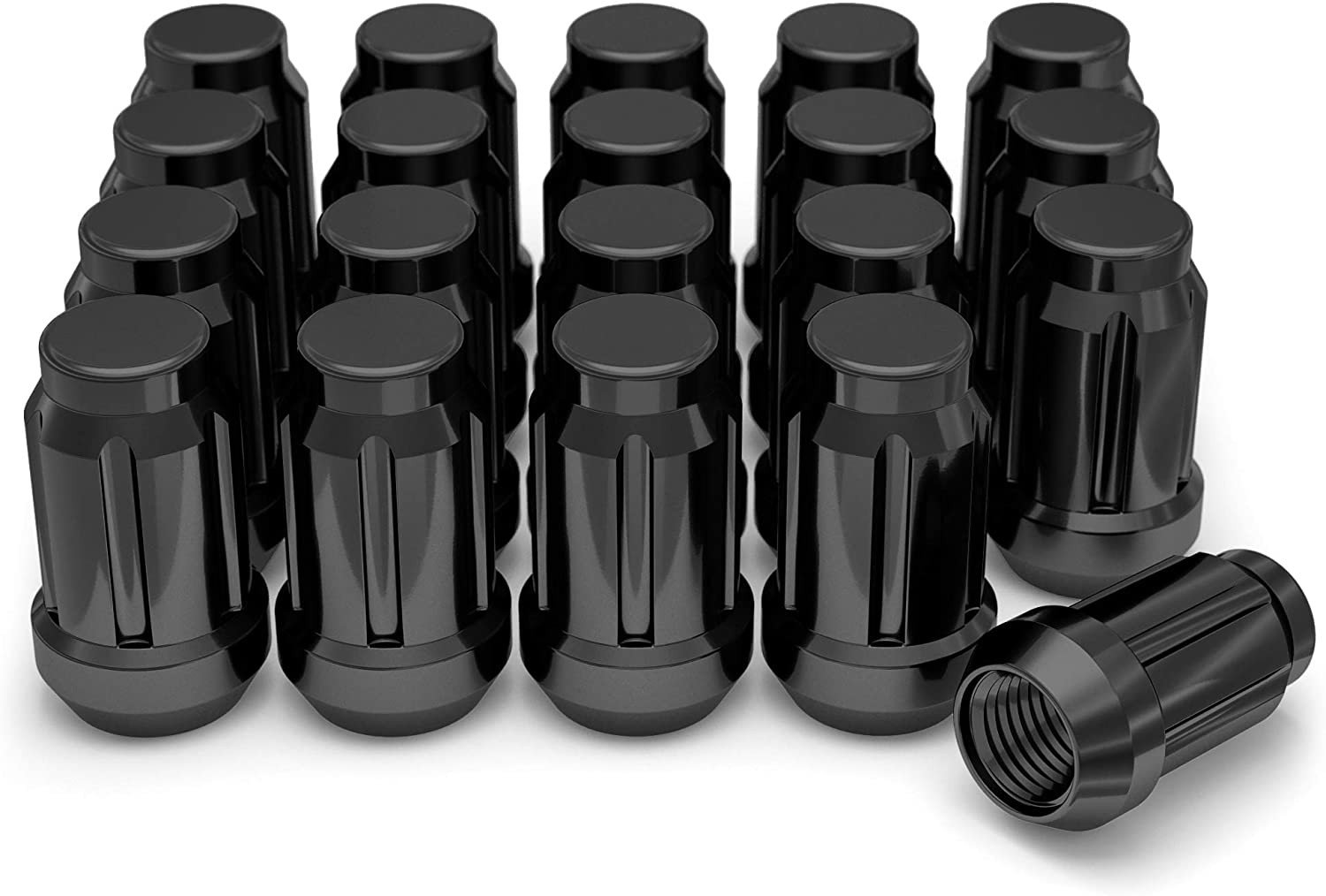
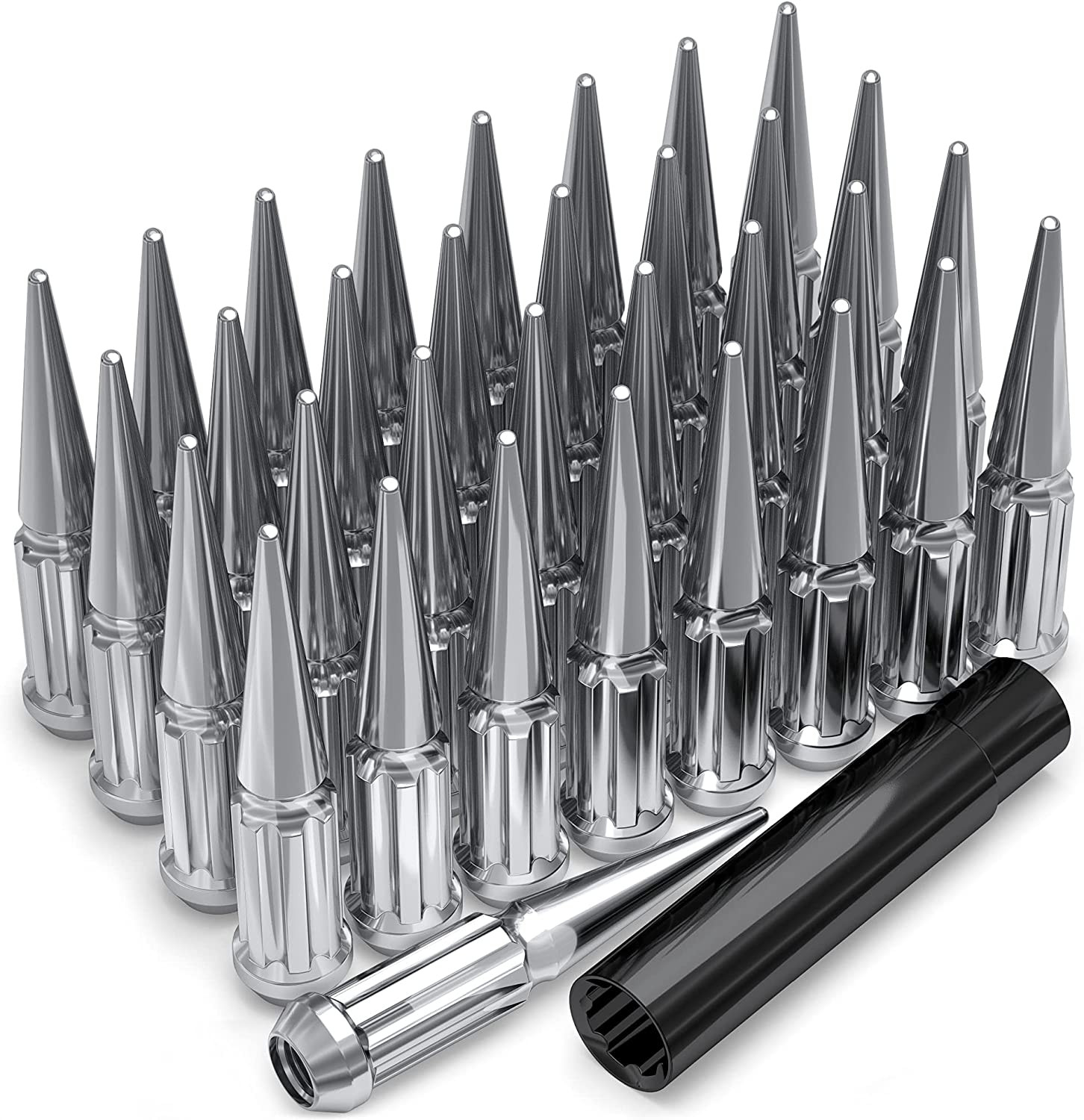
Lug hardware: Threads are M12 x 1.5. Match the lug seat style to the wheel (commonly a 60-degree conical seat on many aftermarket wheels, but verify with the wheel manufacturer). Do not mix seat types.
Offset and backspacing: Start from the known OEM example of ET 56 on an 18 x 8.5 wheel. Small changes in offset have large effects on inner and outer clearance. Use the calculator and measure your car.
Brake and suspension clearance: Check spoke-to-caliper clearance and barrel clearance over the caliper. Some designs need more barrel room than others even at the same diameter.
Tire diameter and width: Use the calculator to keep overall diameter close to stock and ensure adequate clearance at full lock, bump, and rebound.
TPMS: 2008 Corvettes use TPMS. Make sure sensors are compatible and perform a relearn after installation. Refer to your owner’s manual for the procedure.
Load rating: Wheels and tires must meet or exceed the vehicle’s axle and GVWR requirements.
Plus Sizing And Common Upgrades
Many owners explore wider tires for grip or larger diameters for brake clearance. The right choice depends on your trim, brakes, and ride height.
Plus-one or plus-two diameter: For example, moving from a known 245/40R18 to a 19-inch setup. Use the calculator to pick an equivalent overall diameter and verify inner and outer clearances.
Staggered vs. square: Some trims run staggered factory setups. Track users sometimes prefer a square setup for rotation flexibility. Use the calculator to compare square 18-inch options against your OEM baseline and check fender clearance at full lock.
Wider wheels: Increasing width pushes the tire sidewall outward and inward. Offset changes may be required to balance inner clearance to the strut and outer clearance to the fender. Model your target width and offset in the calculator, then test-fit.
Ride height: Lowered cars have reduced bump travel. Leave extra clearance versus stock-height recommendations.
Installation Tips
Work on a cool vehicle, park on level ground, set the parking brake, and use quality jack stands. Do not rely on a jack alone.
Clean the hub face and the wheel mounting pad with a nylon or brass brush. Remove rust and debris so the wheel seats flush.
If using hub-centric rings, install them fully on the wheel before mounting. Rings should match 70.3 mm hub to the wheel’s center bore.
Hand start all lug nuts to avoid cross-threading. Use only a thin film of anti-seize on the hub face if needed; do not lubricate lug nut seats or studs unless the OEM procedure specifies it.
Snug lugs in a star pattern, lower the vehicle, and tighten with a torque wrench to the factory specification from your owner’s manual. Do not rely on an impact gun for final torque.
Verify the wheel spins freely and clears calipers and suspension through a full steering sweep before driving.
Re-torque lugs after 50 to 100 miles and again after any spirited driving or track use.
Ensure full thread engagement. The lug nut should seat fully with sufficient turns of engagement for M12 x 1.5 studs. If using spacers, verify hub-centric support and consider extended studs.
Floor jack and jack stands, breaker bar, 19 mm socket or as required by your lug nuts
Nylon or brass hub brush, mild cleaner, shop towels
FAQs
What is the bolt pattern on the 2008 Corvette?
5x120.70. Wheels must match this pattern to mount without adapters.
What center bore do I need?
The hub bore is 70.3 mm. Aftermarket wheels with a larger bore should use 70.3 mm hub-centric rings. Wheels with a smaller bore will not fit the hub.
What lug nuts does it use?
Thread size is M12 x 1.5. The seat style must match the wheel design. Verify whether your wheel uses a conical, ball, or mag seat before purchasing hardware.
Can I run 19-inch or 20-inch wheels?
Possibly, depending on width, offset, brake clearance, and tires. Use the calculator to compare against your OEM setup and keep overall tire diameter close to stock. Always test-fit.
What is the factory offset?
We have a verified example of ET 56 on an 18 x 8.5 wheel with 6.45 in backspacing and 245/40R18 tire. Other trims or axle positions may differ. Check your placard or OEM documentation if your car came with different sizes.
Will wheels from another Chevrolet or GM model fit?
Only if bolt pattern, center bore, offset/backspacing, brake clearance, and load rating are appropriate. Use the calculator to compare and verify each parameter. Do not assume fitment based on brand alone.
Do I need spacers?
Avoid spacers unless necessary to correct minor clearance issues. If used, they must be high quality, hub-centric, and still provide proper lug nut thread engagement. Recheck bearing loads and fender clearance.
What is the wheel lug torque spec?
This varies by model and wheel. Refer to your owner’s manual or OEM service information for the correct torque value, then use a calibrated torque wrench.