- Bolt pattern5x112 · Same recorded PCD
- Center bore66.5 mm · same recorded hub figure
- Wheel geometryNot fully recorded
Wheel width/offset data is incomplete.
Recorded OEM specifications for the 2023 Audi A6, donor years with overlapping ranges, and a calculator to compare a selected wheel. Range overlap is not a guaranteed fit.
Save these wheel specs to your Ownery garage
Baseline mounting dimensions used for interchange decisions.
Thread-only product links are shopping examples, not verified fits. Seat style is not confirmed here. As an Amazon Associate we earn from qualifying purchases.
These are vehicle-year records whose recorded OEM ranges overlap this 2023 Audi A6. Overlap is not a guarantee that a specific wheel will install. Selected-wheel comparison is in the calculator below.
Evaluated 12 donor years. Listed 12 eligible overlaps (not all evaluated years are compatible). Showing all listed.
Years grouped because recorded compatibility evidence is equivalent. Each year keeps its own page.
Wheel width/offset data is incomplete.
Only years with evidence-based interchange relationships are listed. Adjacent years are not assumed compatible.
Compare a donor vehicle or custom wheel against this 2023 Audi A6. Use Compare in calculator on a donor row above to fill the donor side of this same calculator.
Compare wheel compatibility between two vehicles
2023 Audi A6





Example products matched to recorded thread, hub, or spacer dimensions. They are not verified fits. Confirm seat style, thickness, and clearance before ordering.
M14 x 1.5
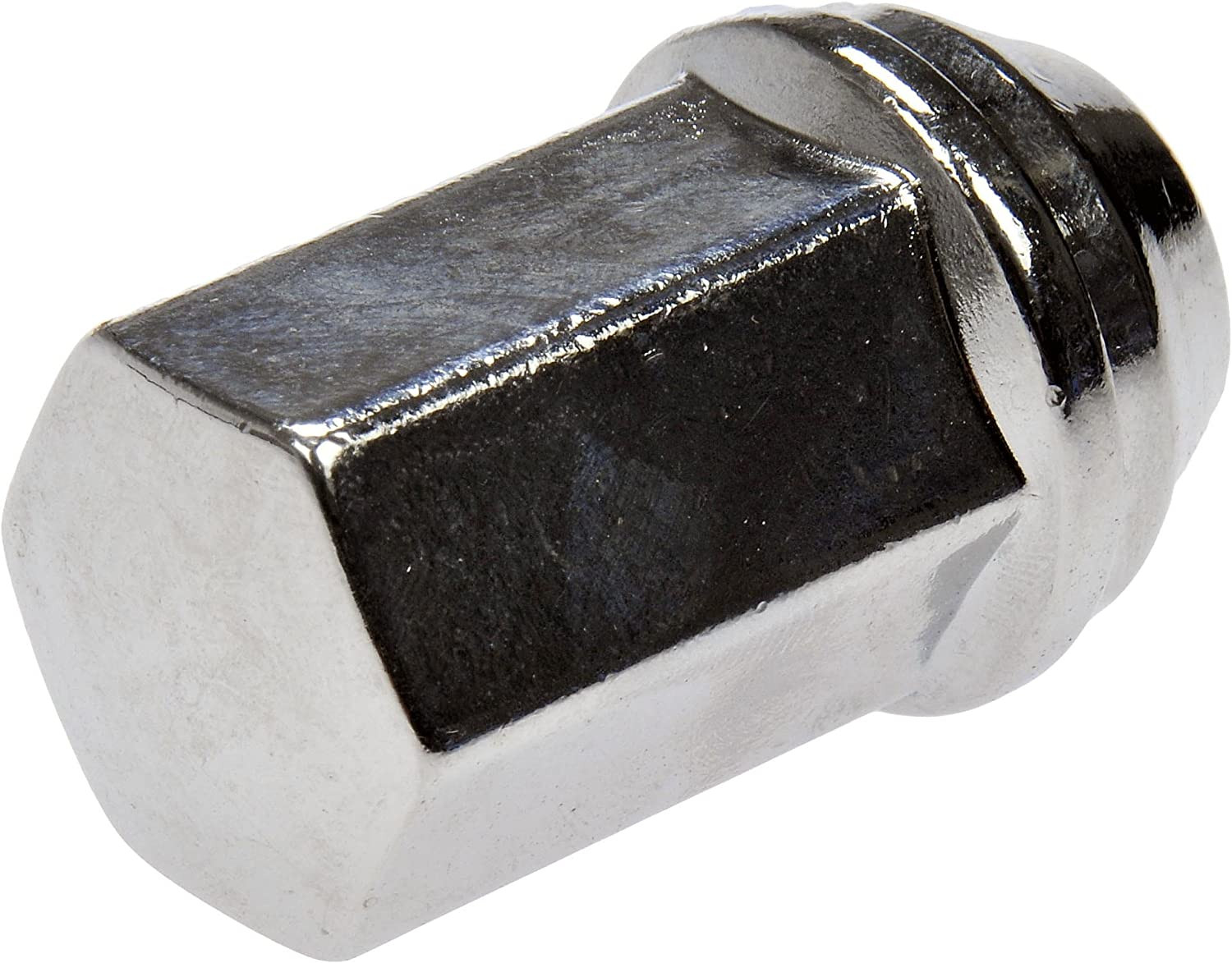
M14 x 1.5 · Thread match only; seat style is not verified
View on Amazon →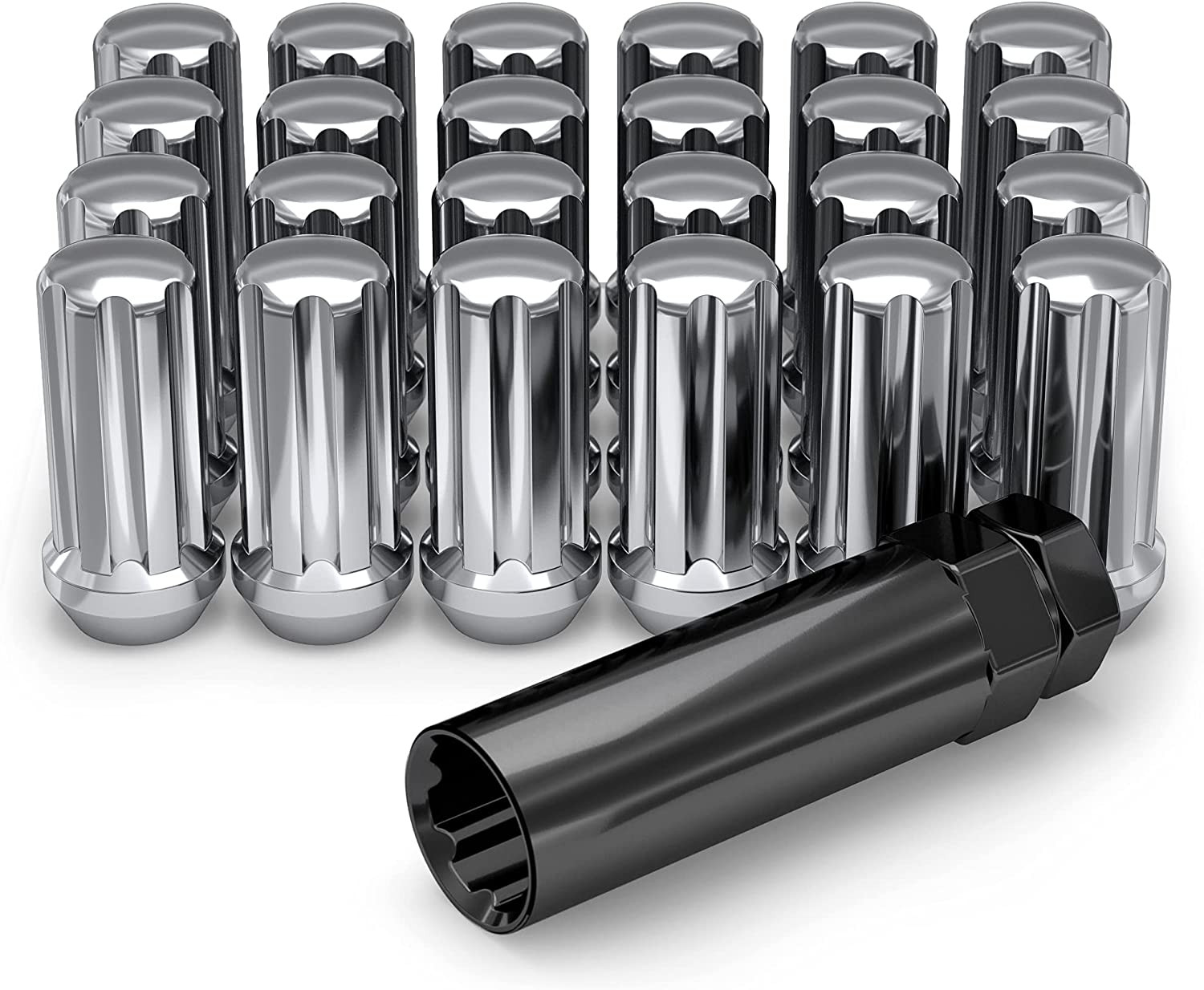
M14 x 1.5 · Thread match only; seat style is not verified
View on Amazon →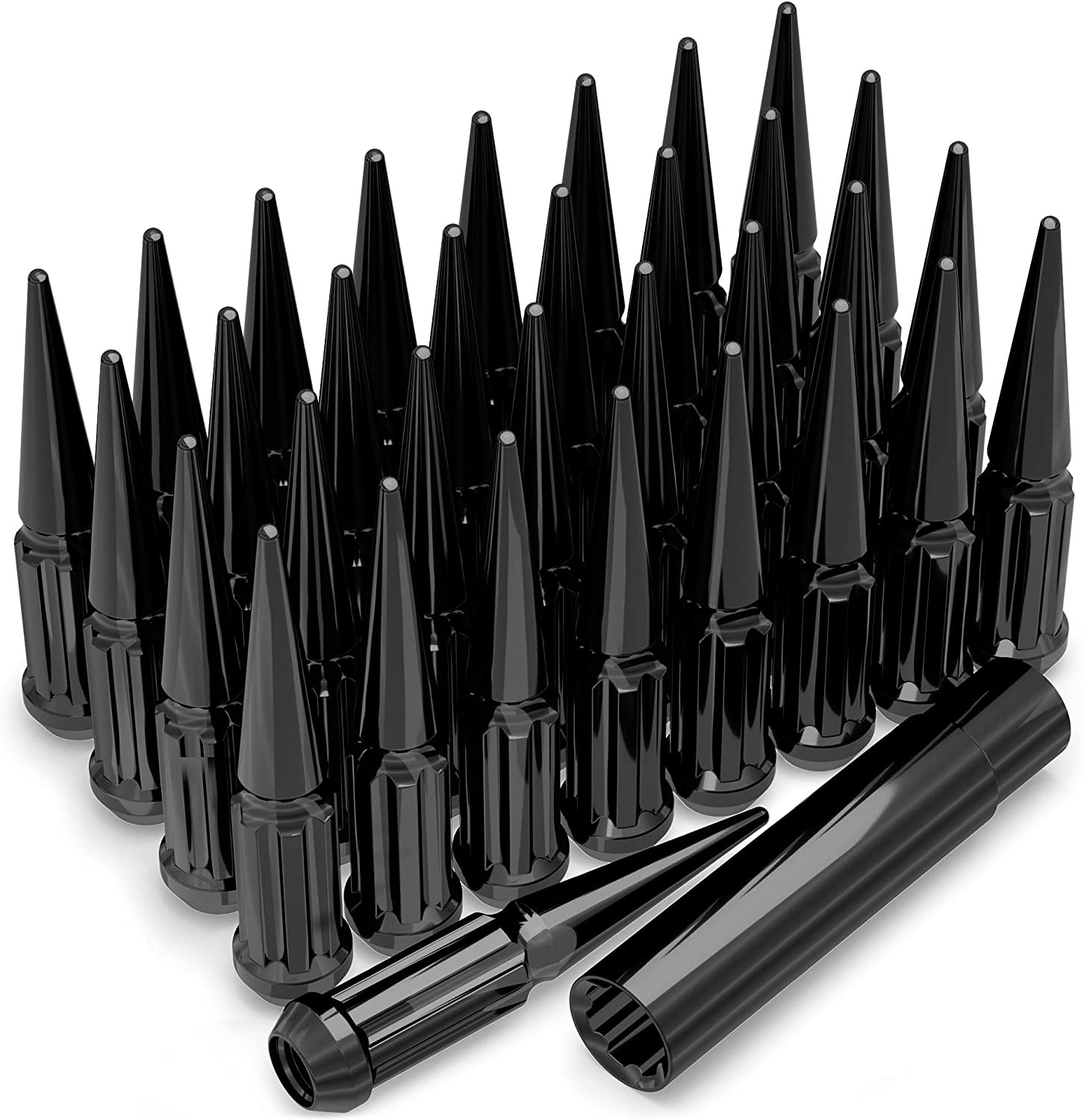
M14 x 1.5 · Thread match only; seat style is not verified
View on Amazon →As an Amazon Associate we earn from qualifying purchases. Product availability and pricing may change.
Think of this page as a quick, safety-first guide to wheel fitment for the 2023 Audi A6. I’ll keep it practical and avoid guessing specs that aren’t provided, so you can move from unsure to confident about swapping wheels or shopping used sets.
Known OEM fitment we can rely on: bolt pattern 5x112, center bore 66.5 mm, and thread size M14 x 1.5. Rim diameter, rim width, offset, backspacing and tire sizes are unknown here – they vary by trim. Use the on‑page calculator and OEM sources to confirm those values before you buy or bolt anything on.
People often think that if a wheel physically fits over the hub and the studs line up, it’s good to go.
It’s easy to see wheels mount on studs and assume compatibility. A rough fit feels convincing on jack stands or at a glance.
Fitment depends on multiple matched specs: bolt pattern, center bore, thread size, offset, rim width and tire diameter. A wheel that mounts can still stress suspension, rub tires, or cause handling and safety problems.
Using a mismatched wheel can lead to stripped threads, brake or ABS sensor interference, premature bearing wear, scrubbing tires, or even loss of vehicle control. Small differences add up quickly.
If the pattern doesn't match 5x112, the wheel will not mount without an adapter. Adapters can convert patterns but add stress points and change load paths. If you consider adapters, choose reputable, vehicle‑specific adapters, and understand they can affect hub load and warranty.
If the wheel's bore is larger than 66.5 mm, hub‑centric rings can restore center support. If the bore is smaller, the wheel won't fit and cannot be safely modified to match. Rings are a rule of thumb fix for minor differences, but ensure true concentricity after installation.
M14 x 1.5 is specified here. Using the wrong thread pitch or diameter risks stripped threads and loose wheels. Always confirm lug nut/bolt compatibility before tightening.
Incorrect offset moves the tire inward or outward relative to suspension and fender. Small changes might be fine, but large offsets can cause rubbing, altered steering feel, or added bearing loads. Use spacers carefully; thicker spacers increase leverage on studs and may require longer, high‑grade hardware.
| Specification | Value | Notes |
|---|---|---|
| Bolt pattern | 5x112 | Confirmed OEM value. |
| Center bore | 66.5 mm | Hub diameter; use hub‑centric rings if wheel bore is larger. |
| Thread size | M14 x 1.5 | Use matching lug nuts/bolts. |
| Rim diameter | Unknown | Varies by trim. Confirm with owner’s manual or the on‑page calculator. |
| Rim width | Unknown | Varies by trim. Use OEM reference or measure the wheel. |
| Offset (ET) | Unknown | Differs by wheel option. Verify before fitting aftermarket wheels. |
| Backspacing | Unknown | Can be calculated from rim width and offset. |
| Tire section width / aspect ratio / R | Unknown | Trim and package dependent. Confirm via window sticker, owner’s manual or dealer. |
If you must remove a wheel roadside, stop on level ground and set the parking brake. Use the correct jack points from the owner’s manual. If a wheel won’t come off, don’t hammer studs or bolts – that risks damage; spray penetrating oil and use proper tools.
Carry a wheel lock key if your wheels use one, or you could be stranded. If you install a spare, drive cautiously and re‑check lug torque as soon as practical. If you suspect a fitment problem after changing wheels, limit driving and seek a shop or dealer inspection.
Useful tools: lug wrench and hub‑centric ring set. Search for these on Amazon if you need them:
Maybe. Bolt pattern matches, but confirm center bore, offset and thread size first. If bore is larger, hub rings can help. If offset differs greatly, the wheel could rub or change handling.
Using a hub‑centric ring to match the 66.5 mm hub diameter is a common fix. Make sure the ring seats fully and that the wheel is properly centered before torquing lugs.
Adapters can work but add risk. They change how loads transfer through the hub and studs. Use high‑quality, rated adapters and understand they may affect warranty and vehicle dynamics.
Check the owner’s manual, window sticker, dealer parts department, or measure the wheel. The on‑page calculator can help once you enter accurate rim dimensions.
I’m a peer sharing practical fitment guidance, not a substitute for OEM data or professional inspection. I did not invent any specs; only bolt pattern, center bore and thread size were provided. Rim diameter, width, offset, backspacing and full tire specs were unknown and must be confirmed per trim.
Use the on‑page calculator and official OEM sources (owner’s manual, dealer, build sheet) to verify fitment before purchasing or installing wheels. When in doubt, consult a qualified technician or your dealer for a final safety check.
Quick recap: confirm 5x112, 66.5 mm bore and M14 x 1.5 threads, then validate rim diameter, width and offset before you fit wheels.
Wheel interchange depends on more than bolt pattern. Where data is available, this site compares recorded OEM values:
A normal wheel spacer does not change bolt pattern. Hub rings cannot enlarge a wheel bore that is smaller than the hub. Brake clearance and tire package fitment still require vehicle-specific checks when not confirmed in the dataset.
