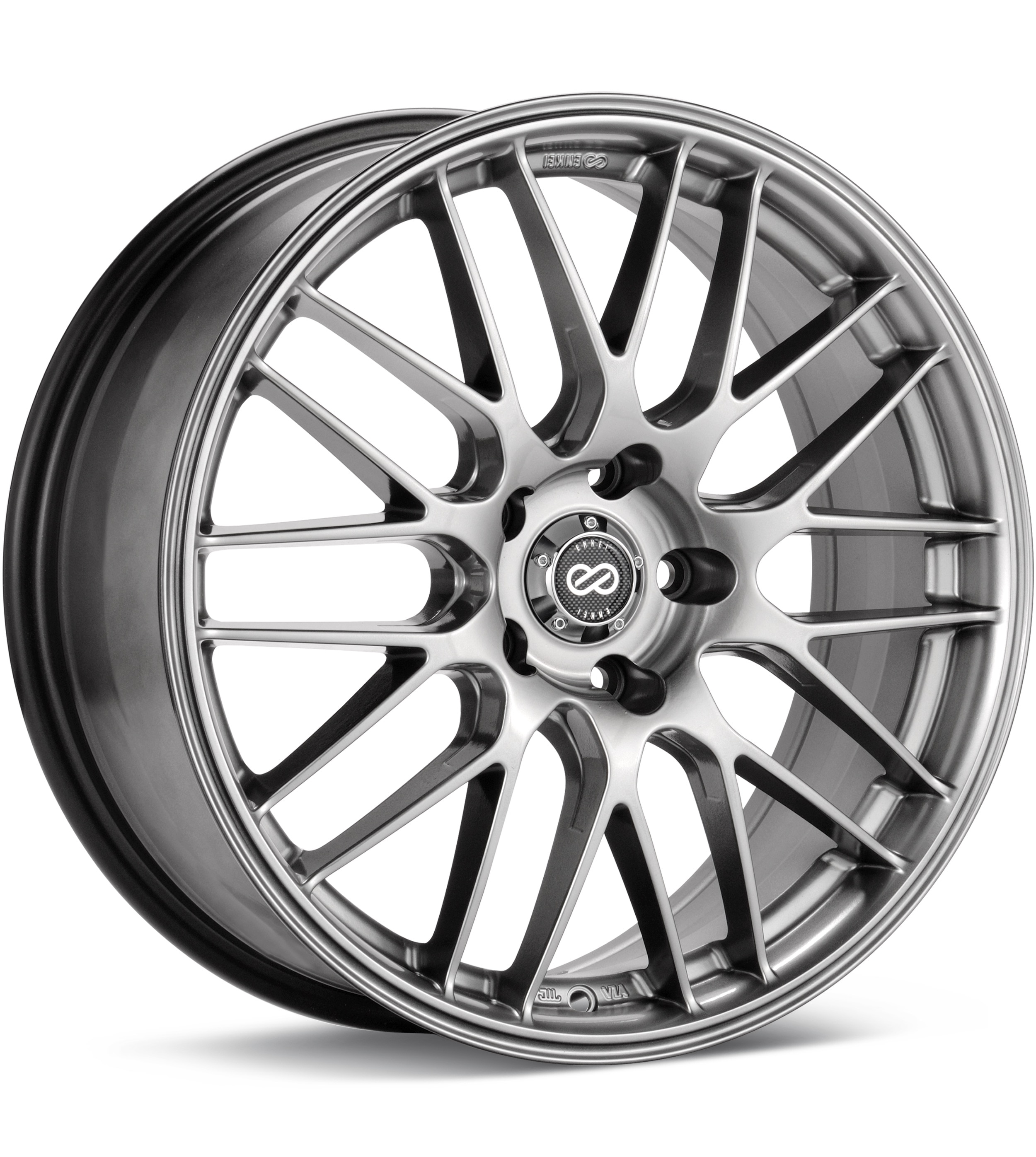
Enkei Performance
EKM3
Bright Satin Sil
18 × 8″ · ET +35
$220.59
View at Tire Rack ↗Recorded OEM specifications for the 2012 Audi A6, donor years with overlapping ranges, and a calculator to compare a selected wheel. Range overlap is not a guaranteed fit.
Save these wheel specs to your Ownery garage
Baseline mounting dimensions used for interchange decisions.
Multiple OEM configurations exist for this vehicle. Fitment can vary by trim, brakes, and factory wheel package – confirm your exact setup before buying.
Center-bore records disagree: year-level hub 66.6 mm vs trim range 66.5–66.5 mm. Interchange below does not treat this as an unqualified match.
Thread-only product links are shopping examples, not verified fits. Seat style is not confirmed here. As an Amazon Associate we earn from qualifying purchases.
Selected size: 18 × 8″ · ET +39
Showing matching bolt patterns and offsets up to 20 mm lower. Confirm center bore, load rating, and clearance at Tire Rack.
Enkei Performance
Bright Satin Sil
18 × 8″ · ET +35
$220.59
View at Tire Rack ↗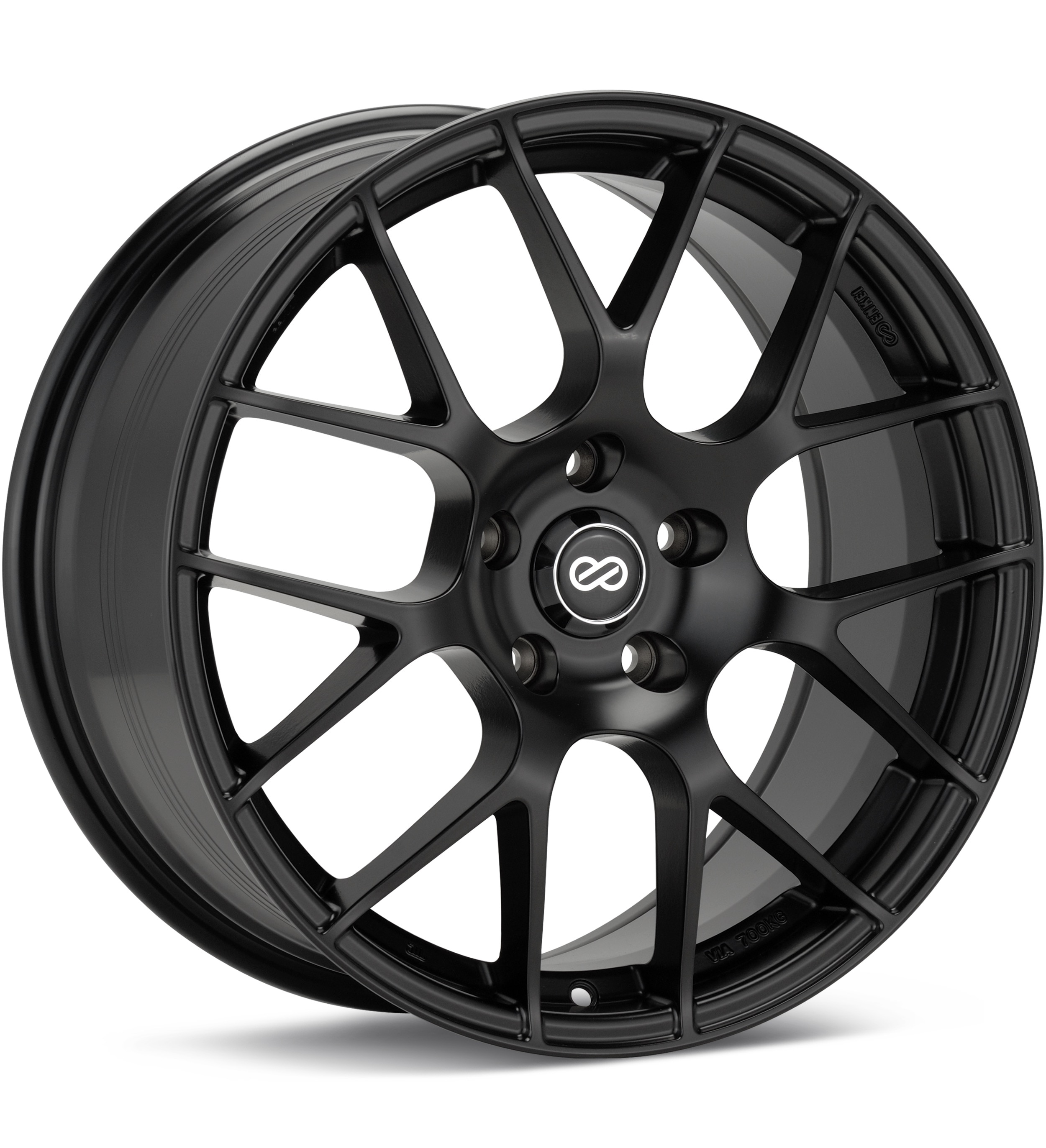
Enkei Tuning
Black
18 × 8″ · ET +35
$230.01
View at Tire Rack ↗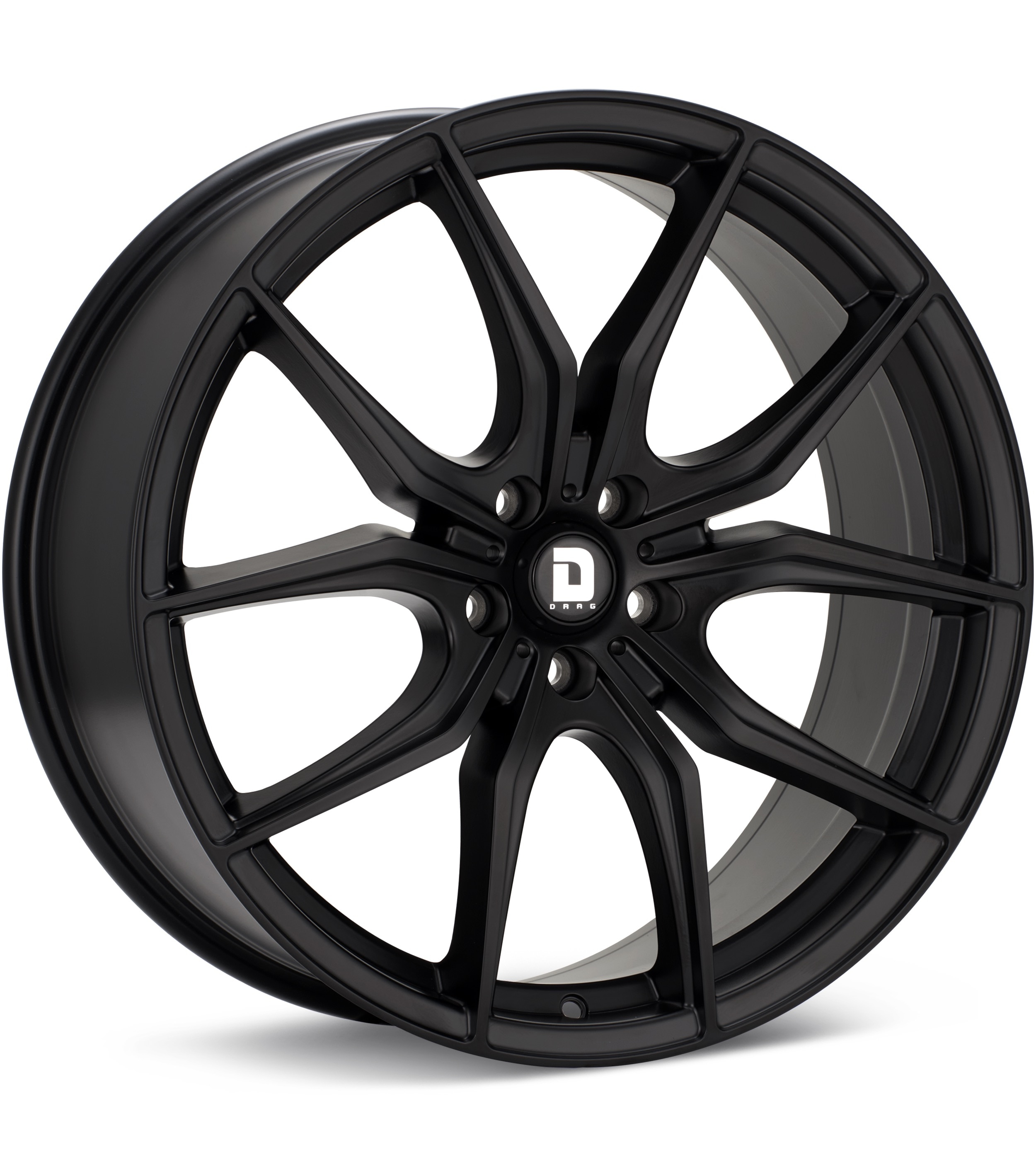
Drag
Flat Black
18 × 8″ · ET +35
$191.00
View at Tire Rack ↗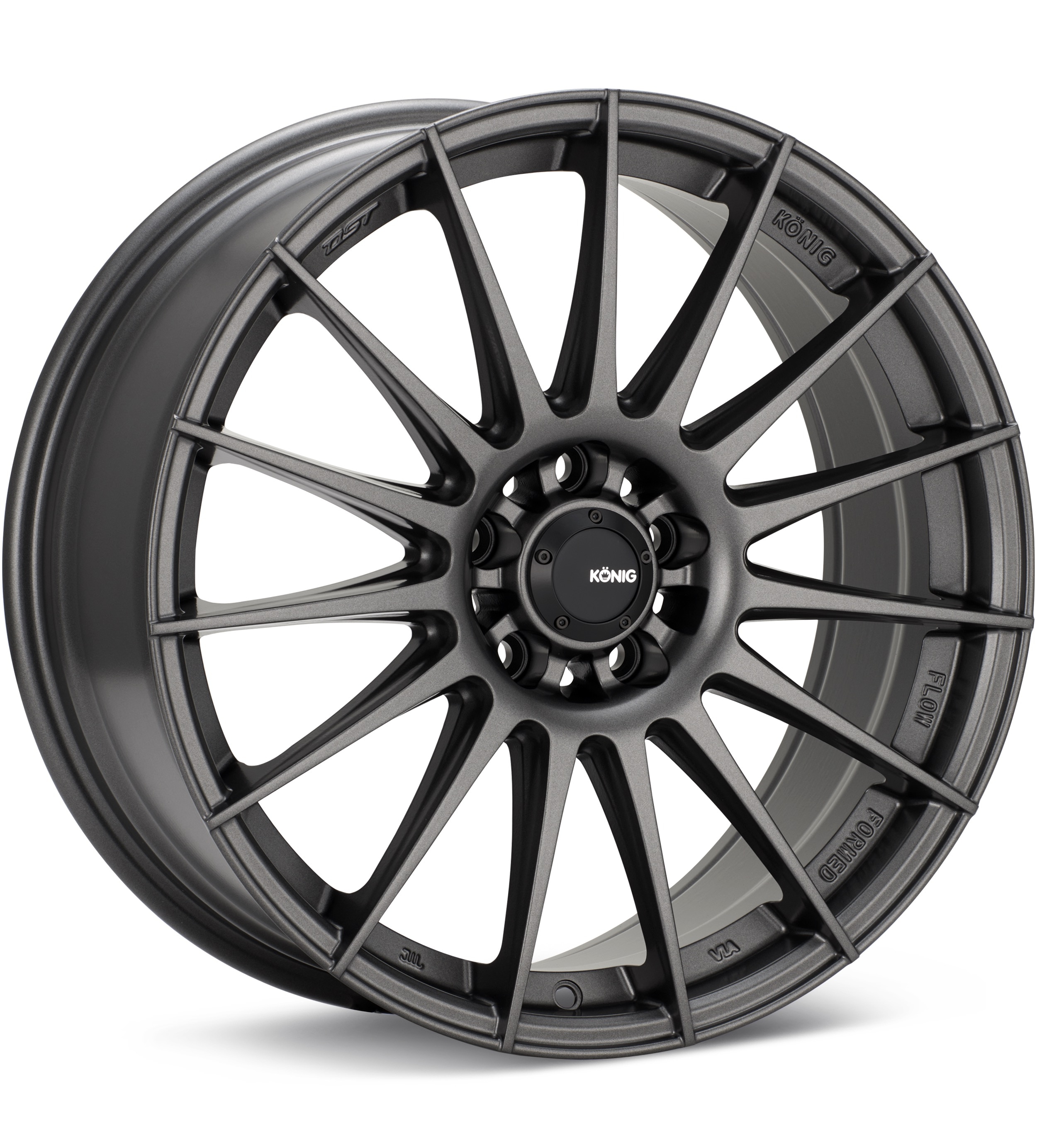
Konig
Matte Grey
18 × 8″ · ET +32
$319.18
View at Tire Rack ↗We may earn a commission when you buy through these links. Prices and availability may change.
These are vehicle-year records whose recorded OEM ranges overlap this 2012 Audi A6. Overlap is not a guarantee that a specific wheel will install. Selected-wheel comparison is in the calculator below.
Evaluated 188 donor years. Listed 24 eligible overlaps (not all evaluated years are compatible). Showing all listed.
Years grouped because recorded compatibility evidence is equivalent. Each year keeps its own page.
Center-bore records disagree (target year-level hub 66.6 mm vs trim range 66.5–66.5 mm; donor year-level hub 66.6 mm vs trim range 57.1–66.5 mm). Unqualified overlap is not claimed until the conflict is resolved. Approximate position vs the mid OEM package: outer change -1.17 mm, inner change -5.18 mm. This uses aggregated width/offset ranges, not a specific wheel.
Wheel width/offset data is incomplete.
Years grouped because recorded compatibility evidence is equivalent. Each year keeps its own page.
Dataset suggestionHub-centric rings ≈ 66.6 → 66.5 mm – not a verified installation requirement.
Hub-centric rings of about 66.6 → 66.5 mm mm may be relevant if the wheel bore is larger than the hub; they cannot enlarge a smaller bore. Approximate position vs the mid OEM package: outer change -0.17 mm, inner change -6.18 mm. This uses aggregated width/offset ranges, not a specific wheel.
Years grouped because recorded compatibility evidence is equivalent. Each year keeps its own page.
Center-bore records disagree (target year-level hub 66.6 mm vs trim range 66.5–66.5 mm). Unqualified overlap is not claimed until the conflict is resolved. Approximate position vs the mid OEM package: outer change -3.18 mm, inner change -3.18 mm. This uses aggregated width/offset ranges, not a specific wheel.
Only years with evidence-based interchange relationships are listed. Adjacent years are not assumed compatible.
Compare a donor vehicle or custom wheel against this 2012 Audi A6. Use Compare in calculator on a donor row above to fill the donor side of this same calculator.
Compare wheel compatibility between two vehicles
2012 Audi A6





Example products matched to recorded thread, hub, or spacer dimensions. They are not verified fits. Confirm seat style, thickness, and clearance before ordering.
M14 x 1.5
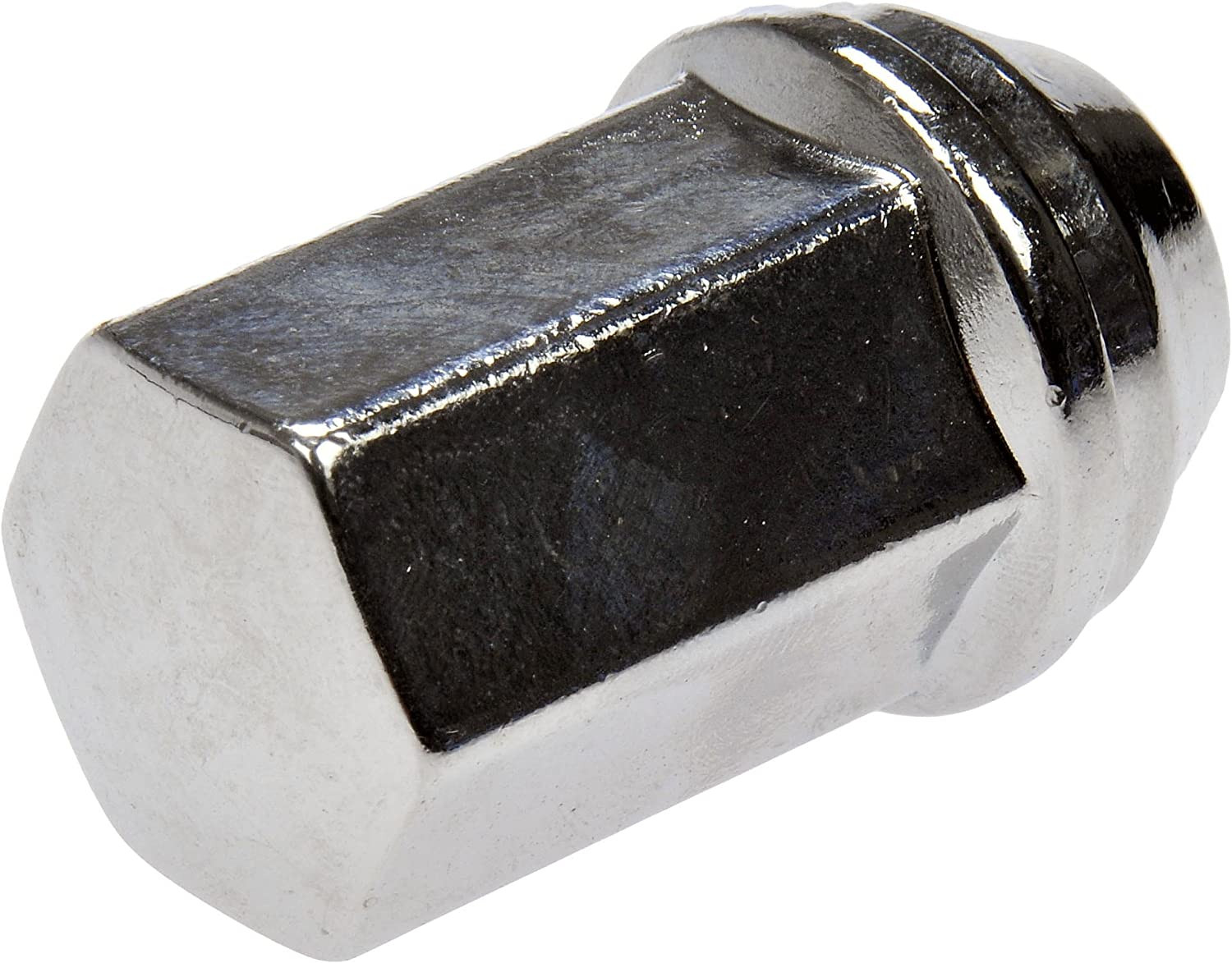
M14 x 1.5 · Thread match only; seat style is not verified
View on Amazon →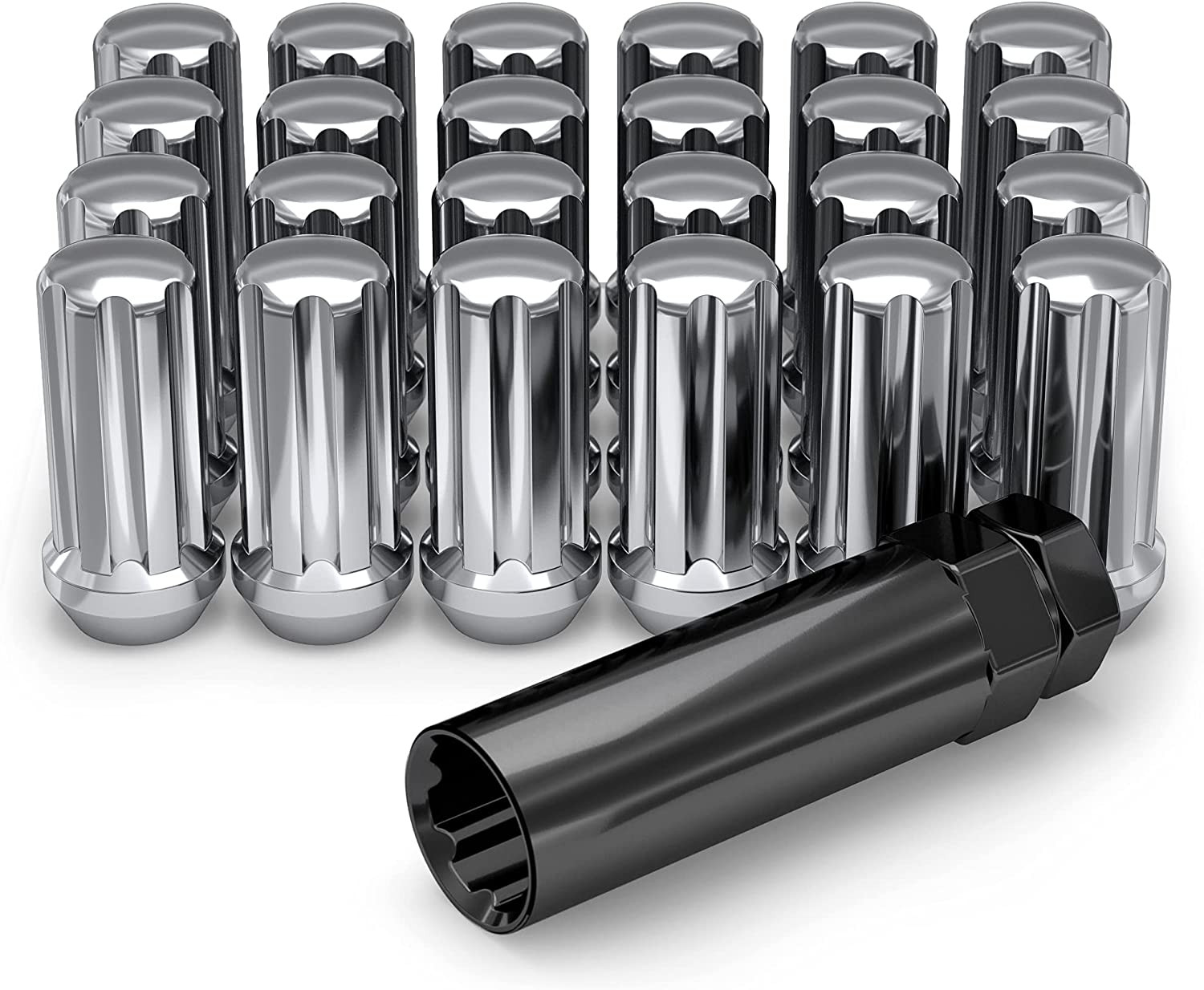
M14 x 1.5 · Thread match only; seat style is not verified
View on Amazon →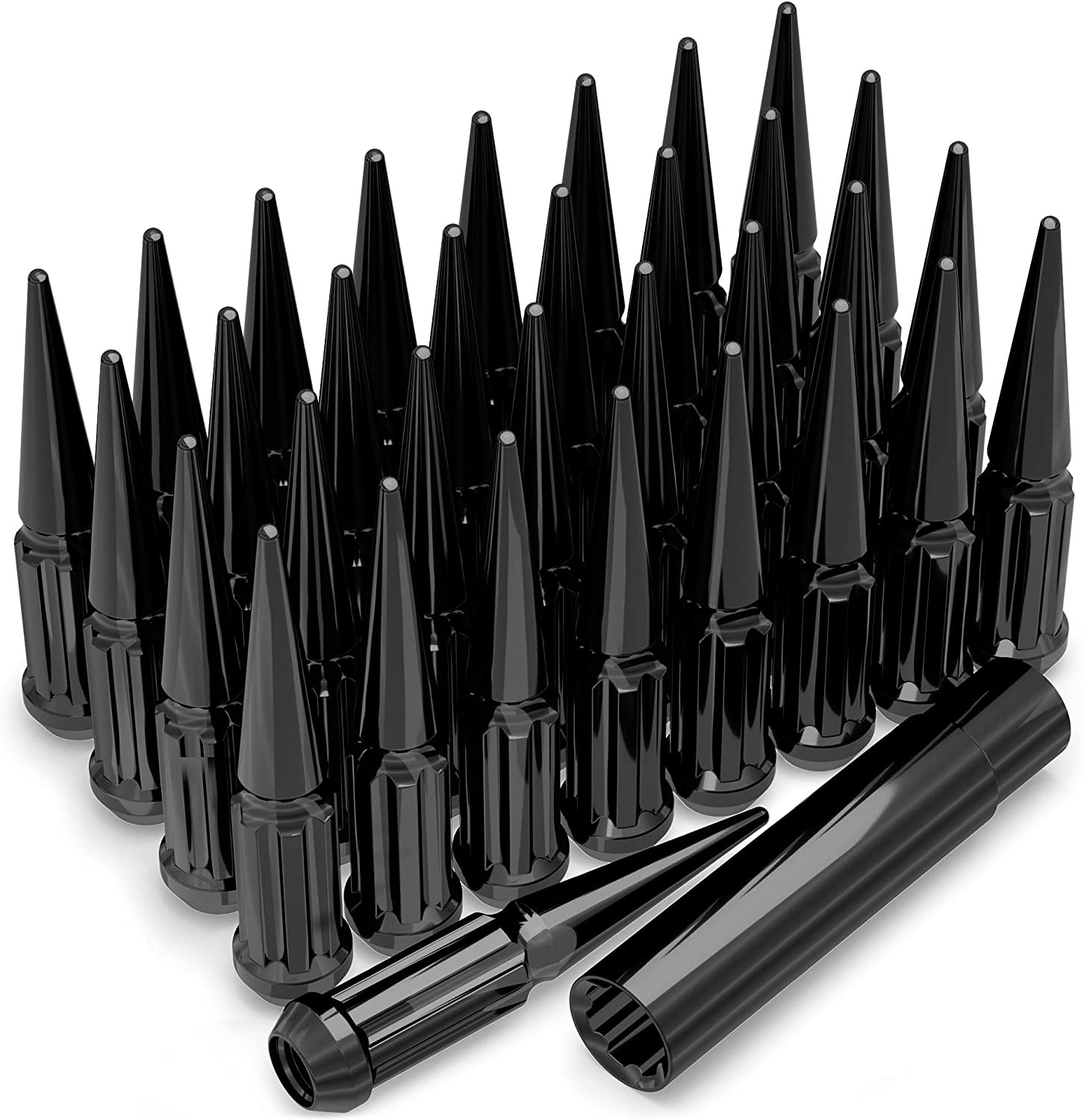
M14 x 1.5 · Thread match only; seat style is not verified
View on Amazon →As an Amazon Associate we earn from qualifying purchases. Product availability and pricing may change.
You need safe, usable wheel and tire options for a 2012 Audi A6. The immediate problem is confirming which wheels will physically fit and which modifications are required. This guide steps you through verification, fitting, and common fixes. It assumes you will implement the work or supervise a technician.
Before changing wheels, gather facts and basic tools. Wrong assumptions about bolt pattern, center bore, or thread size create fitment and safety risks. Below are the known OEM fitment values for this vehicle. If a value varies by trim, I explain how to confirm it.
| Attribute | Known OEM value |
|---|---|
| Bolt pattern (studs x PCD) | 5x112 |
| Center bore | 66.6 mm |
| Thread size | M14 x 1.5 |
| Rim diameter | 19 in |
| Rim width | 8.5 in |
| Wheel offset (ET) | 45 mm |
| Backspacing | 6.02 in |
| Tire section width | 245 mm |
| Tire aspect ratio | 45% |
| Tire rim diameter in tire spec | R18 (may indicate alternate OEM setup) |
Assumption note: the table shows a mix of rim and tire entries that can vary across trims. The presence of a 19 inch rim value alongside a 245/45R18 tire indicates OEM setups differ by trim or optional packages. Use the on-page calculator and OEM resources to confirm your exact trim values before committing.
Essential tools and parts recommended: torque wrench, wheel socket set, jack and stands, hub centric rings if needed, and a tire pressure gauge. If you want to shop for tools, these searches may help:
Start with verifying fitment. The problem is often a mismatch between the wheel center bore, bolt pattern, and offset. Follow these steps in order.
Check the driver door placard, owner manual, or dealer VIN decode to confirm the OEM rim diameter, width, and tire size for your exact trim. Use the on-page calculator to compare donor and target wheels once you have those values. The calculator helps you see diameter, circumference, and clearance changes immediately.
Verify lug thread M14 x 1.5 and the seat type by inspecting an OEM lug nut. Buy replacement lug nuts that match both thread and seat profile. Do not use adapters that change thread engagement length unless they are engineered for your vehicle.
Measure the hub bore on the car and the wheel bore on the candidate wheel. If the wheel’s bore is larger than 66.6 mm, use a properly sized hub centric ring to center the wheel. If the wheel bore is smaller, it will not fit and should not be machined without OEM guidance.
Use the on-page calculator to change rim diameter, width, and ET. Inspect projected inner clearance at full lock and under compression. A lower ET (more negative) moves the wheel outward and can cause fender contact. A higher ET pushes it inward and risks caliper or suspension interference.
If you change rim diameter or tire nominal size, calculate overall tire diameter and speedometer error. Larger tires increase effective gearing and can affect ABS and traction systems. The on-page calculator updates tire diameter when you change rim diameter, which helps quantify that trade-off.
Hand-thread lug nuts, lower the vehicle until the wheel contacts the hub, then apply the manufacturer torque spec. If you do not know the torque spec, consult the owner manual or dealer. Retorque after 50 to 100 kilometers of driving to validate seating.
After installation and an initial short test drive, check for vibrations, pulling, or unusual noises. If you changed track width or offset significantly, perform a wheel alignment to reset suspension geometry within factory constraints.
Confirm fitment and safety with these practical checks. Validation prevents a small error from becoming a safety issue.
If you encounter a problem, approach it methodically. Below are common symptoms with practical fixes.
Check wheel balance first. If balance does not fix it, inspect hub runout and wheel seating. A dirty hub surface or missing centring ring often causes vibration.
Either reduce tire section width, increase offset (ET), or fit narrower rim. Use the calculator to simulate the required offset change. If rubbing persists, consider minor trimming of liners only as a last resort and within safety constraints.
Confirm thread size M14 x 1.5 and load stud length. Do not use nuts that stop short of full engagement. Replace with correct-length studs or lug nuts rated for your application.
Confirm TPMS sensor compatibility and verify tire diameter change. Minor diameter changes may be acceptable, but larger differences require recalibration or different sensors.
Clean the hub mating surface. If the wheel bore is oversized, fit a hub centric ring sized to 66.6 mm hub diameter and the wheel bore.
Fitment can seem confusing because trims and options create multiple OEM configurations. The recommended approach is to confirm your car’s OEM values from the placard, owner manual, or VIN decode, then use the on-page calculator to evaluate trade-offs in rim diameter, width, and offset. Match lug thread M14 x 1.5 and center bore 66.6 mm or plan for hub centric rings. If torque specs or certain measurements vary by trim, confirm them via OEM sources before final installation. Follow the validation checklist and recheck torque after driving to ensure a safe, durable fit.
If you want specific help comparing a donor wheel to this 2012 Audi A6, use the on-page calculator to enter donor wheel dimensions. That will quantify clearance, diameter, and speedometer effects so you can decide under real constraints.
Wheel interchange depends on more than bolt pattern. Where data is available, this site compares recorded OEM values:
A normal wheel spacer does not change bolt pattern. Hub rings cannot enlarge a wheel bore that is smaller than the hub. Brake clearance and tire package fitment still require vehicle-specific checks when not confirmed in the dataset.
