- Bolt pattern5x112 · Same recorded PCD
- Center bore66.5 mm · same recorded hub figure
- Wheel geometryNot fully recorded
Wheel width/offset data is incomplete.
Recorded OEM specifications for the 2023 Audi Q5, donor years with overlapping ranges, and a calculator to compare a selected wheel. Range overlap is not a guaranteed fit.
Save these wheel specs to your Ownery garage
Baseline mounting dimensions used for interchange decisions.
Thread-only product links are shopping examples, not verified fits. Seat style is not confirmed here. As an Amazon Associate we earn from qualifying purchases.
These are vehicle-year records whose recorded OEM ranges overlap this 2023 Audi Q5. Overlap is not a guarantee that a specific wheel will install. Selected-wheel comparison is in the calculator below.
Evaluated 14 donor years. Listed 14 eligible overlaps (not all evaluated years are compatible). Showing all listed.
Years grouped because recorded compatibility evidence is equivalent. Each year keeps its own page.
Wheel width/offset data is incomplete.
Only years with evidence-based interchange relationships are listed. Adjacent years are not assumed compatible.
Compare a donor vehicle or custom wheel against this 2023 Audi Q5. Use Compare in calculator on a donor row above to fill the donor side of this same calculator.
Compare wheel compatibility between two vehicles
2023 Audi Q5





Example products matched to recorded thread, hub, or spacer dimensions. They are not verified fits. Confirm seat style, thickness, and clearance before ordering.
M14 x 1.5
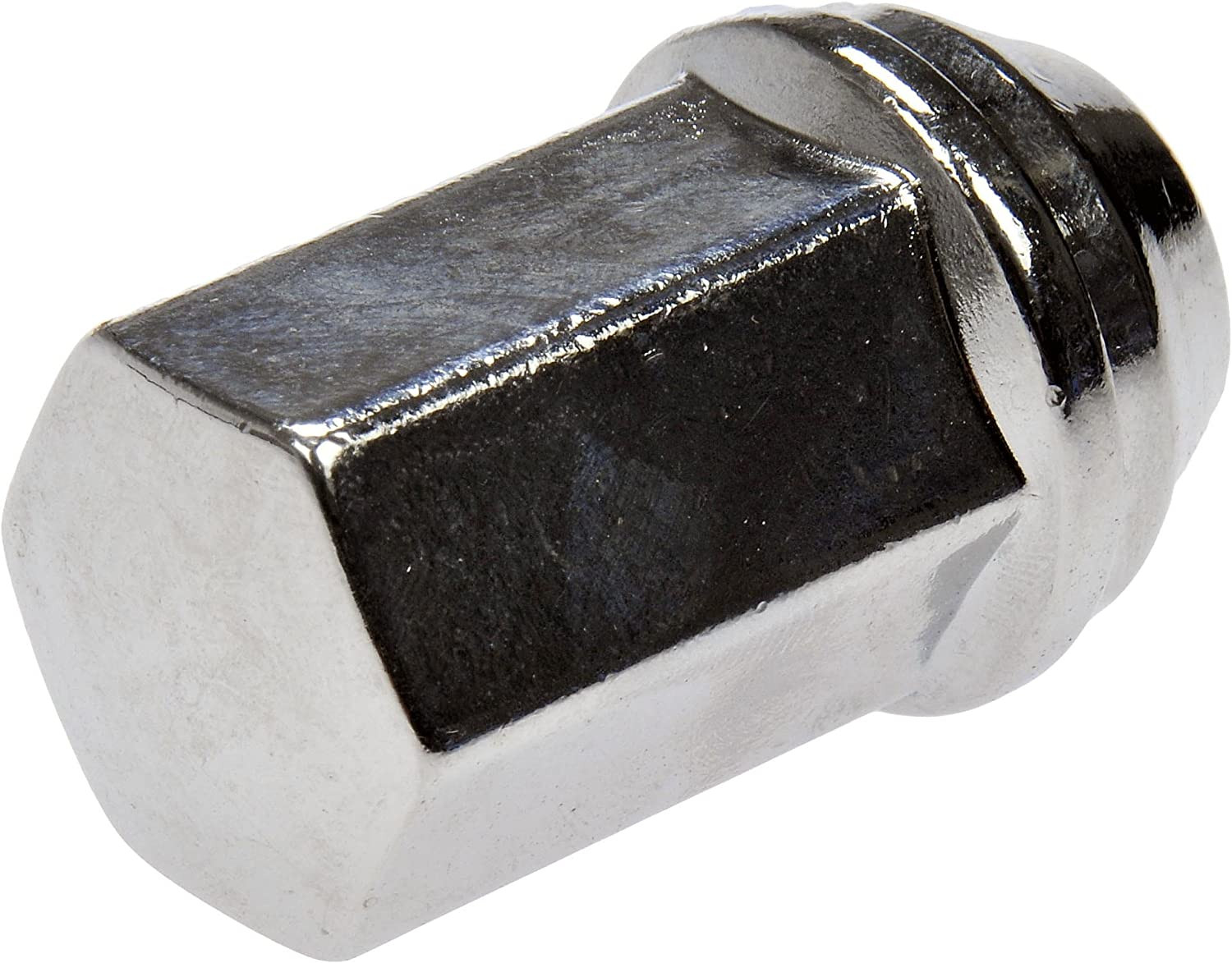
M14 x 1.5 · Thread match only; seat style is not verified
View on Amazon →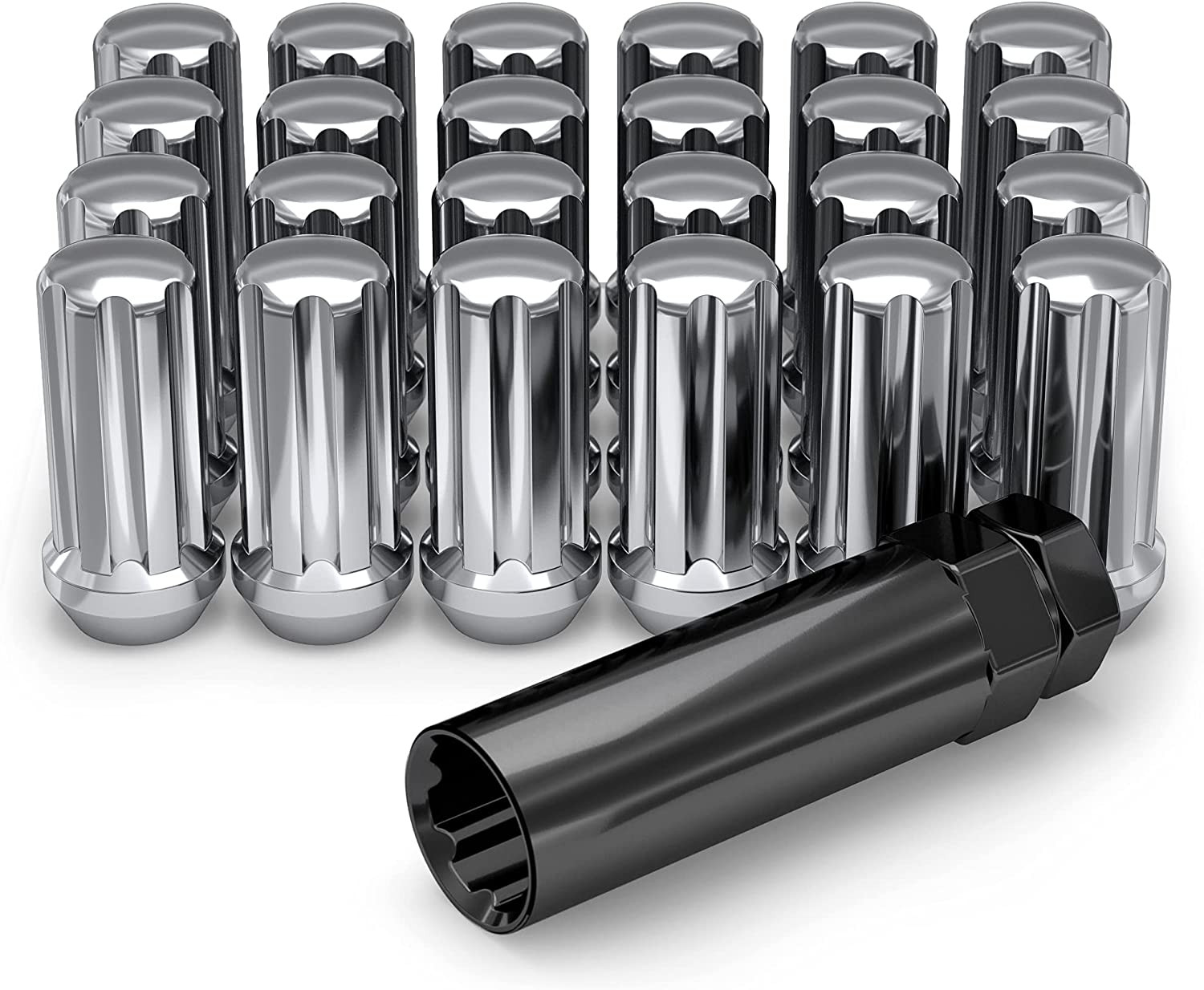
M14 x 1.5 · Thread match only; seat style is not verified
View on Amazon →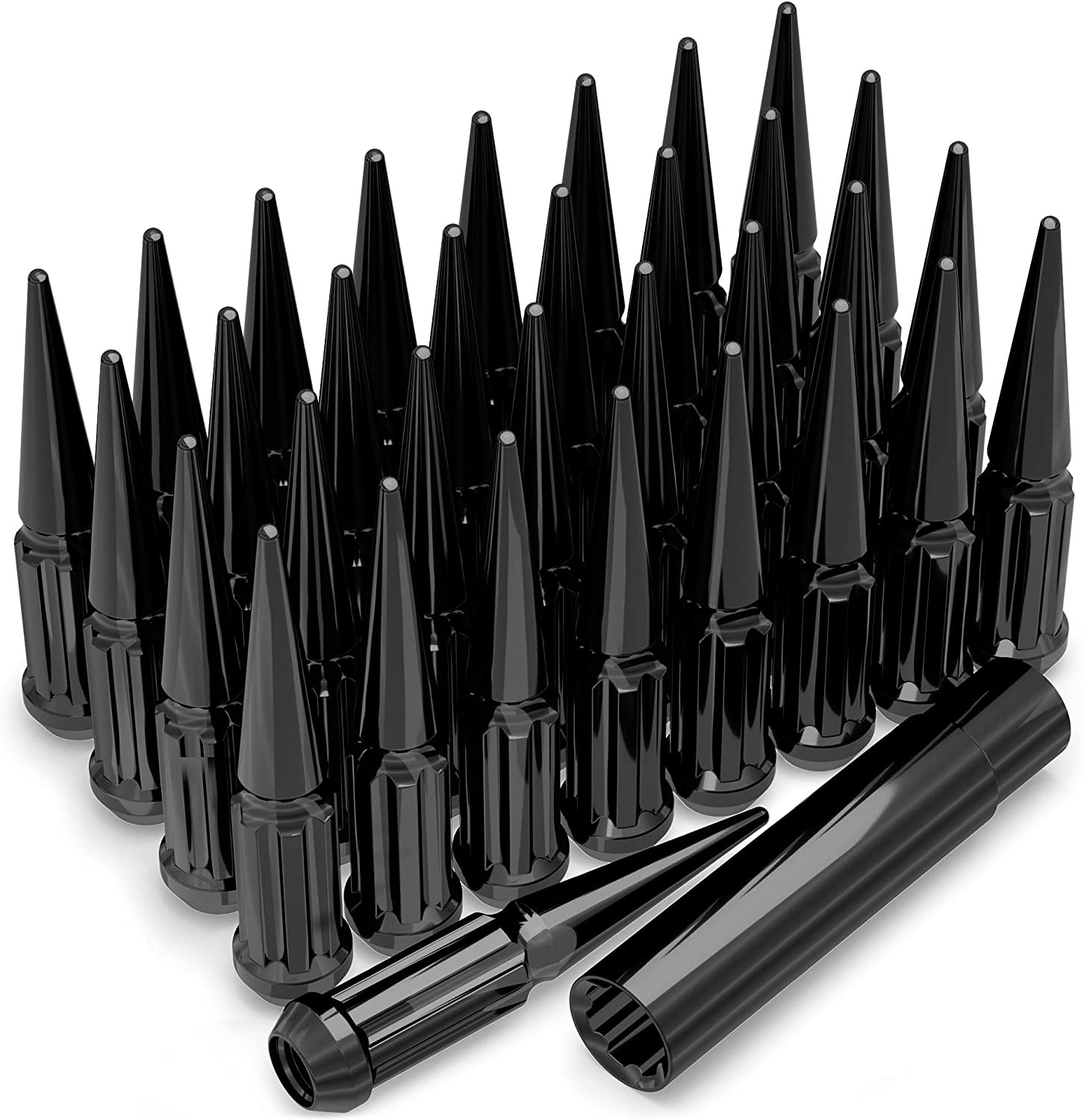
M14 x 1.5 · Thread match only; seat style is not verified
View on Amazon →As an Amazon Associate we earn from qualifying purchases. Product availability and pricing may change.
Misconception first: many people think that matching the bolt pattern alone guarantees a wheel will fit. Think of it as one puzzle piece, not the whole picture. I write from hands-on experience and from checking fitment tables with real cars, so I’ll walk you through the parts that usually get missed.
This page covers Audi Q5 2023 wheel basics, what we actually know, and how to confirm anything that’s unknown. Use the on-page calculator to test custom wheel and tire combos, and use OEM sources for final confirmation.
People often see bolt pattern match and assume everything fits. It feels logical because bolt holes line up, so the wheel goes on the hub. That is a fair mental model, but incomplete.
Wheel fitment is a combination of bolt pattern, center bore, thread size, offset, rim width and tire diameter. Any one mismatch can cause safety, legal or handling issues. Think of it as several filters the wheel must pass through.
If you swap wheels assuming only bolt pattern matters, you risk lug failure, wheel vibration, brake clearance problems, or fender rubbing. A common rule of thumb is to match bolt pattern and thread pitch, then confirm center bore and offset with the calculator or OEM data.
Problem: bolt holes do not line up. What to do: do not force the wheel. Check donor wheel pattern against 5x112. If different, look for a wheel compatible with 5x112 or use a verified adapter designed for your vehicle.
Problem: bore too small prevents hub seating. What to do: either use wheels with a center bore equal to or larger than 66.5 mm and fit hub-centric rings, or source wheels that are hub-centric for 66.5 mm. If bore is larger, hub-centric rings fix the centering.
Problem: lug bolts or nuts won’t engage properly. What to do: confirm M14 x 1.5 is correct for your Q5, then ensure replacement lug nuts match pitch and seat type. Using the wrong thread can strip studs or bolts.
Problem: too much negative or positive offset causing rubbing or altered steering geometry. What to do: use the calculator to model offset changes. Small shifts are often acceptable, but large moves may require different suspension or fender work.
Quick recap: these are the values we know and those that vary. If a value is unknown, use the on-page calculator and OEM documentation to confirm.
| Specification | Value / Note |
|---|---|
| Bolt pattern (studs x PCD) | 5x112 |
| Center bore (mm) | 66.5 |
| Thread size | M14 x 1.5 |
| Rim diameter (in) | Unknown - varies by trim. Check the calculator or OEM sticker. |
| Rim width (in) | Unknown - varies by trim. Confirm using wheel part numbers or dealer info. |
| Wheel offset (ET, mm) | Unknown - varies by trim. Use calculator to test offsets or consult OEM specs. |
| Backspacing (in) | Unknown - can be calculated from rim width and offset. Use the calculator. |
| Tire section width (mm) | Unknown - depends on factory tire option. Check the tire sidewall or OEM placard. |
| Tire aspect ratio (%) | Unknown - depends on factory tire option. Confirm with OEM placard or parts catalog. |
| Tire rim diameter (R) | Unknown - check the tire sidewall or OEM data for your trim. |
How to confirm unknowns: check the driver door placard, your owner's manual, dealer parts, or the calculator links on this page.
Quick rule of thumb: always carry the right lug wrench, a torque wrench and a jack rated for your vehicle. If you must swap a wheel roadside, only hand-tighten lugs enough to secure the wheel, lower the car, then torque to spec as soon as possible.
If a wheel vibrates or you notice steering pull after a swap, stop driving. Inspect lug tightness, wheel seating and look for contact with suspension or brakes. If unsure, call professional roadside help.
Suggested tools: a 3/8 or 1/2 inch torque wrench and a correct lug socket. Here are two searches you can use for compatible tools:
Short answer: maybe. Why it feels right: same bolt pattern helps. What is true: you still need matching center bore, thread pitch and acceptable offset. Use the calculator to test fit and confirm hub bore and lug details before buying.
Yes, if you use proper hub-centric rings to center the wheel. The mental model is that the hub does the centering, not the lug nuts. Rings help restore hub-centered fit.
There is no single number that fits every case. Small changes of a few millimeters are often fine, but larger shifts affect track width and clearance. Use the on-page calculator to model the exact change, and consider professional advice for big moves.
Check the driver door placard, the owner’s manual, the dealer parts department, or the OEM parts catalog online. The on-page calculator links to resources and can help interpolate values when trims differ.
Quick recap: this page provides guidance and known OEM values, not a substitute for inspecting your vehicle. I did not invent any specs beyond what’s listed. If a value is unknown here, confirm it using the on-page calculator, your vehicle placard, or an authorized dealer. Incorrect wheel fitment can cause loss of control, component failure or injury. If you are unsure, get a certified technician to verify fitment before driving.
Wheel interchange depends on more than bolt pattern. Where data is available, this site compares recorded OEM values:
A normal wheel spacer does not change bolt pattern. Hub rings cannot enlarge a wheel bore that is smaller than the hub. Brake clearance and tire package fitment still require vehicle-specific checks when not confirmed in the dataset.
