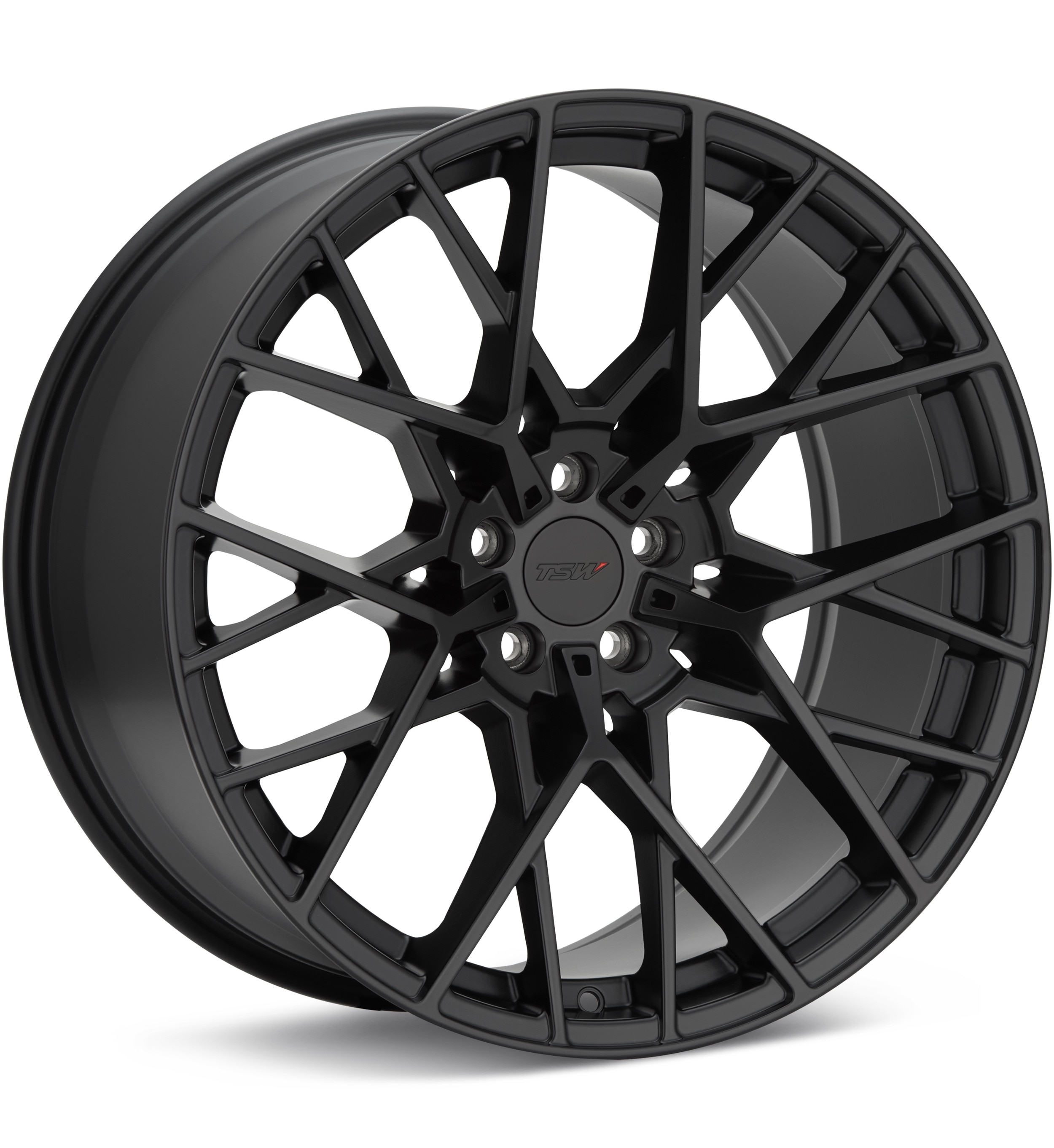
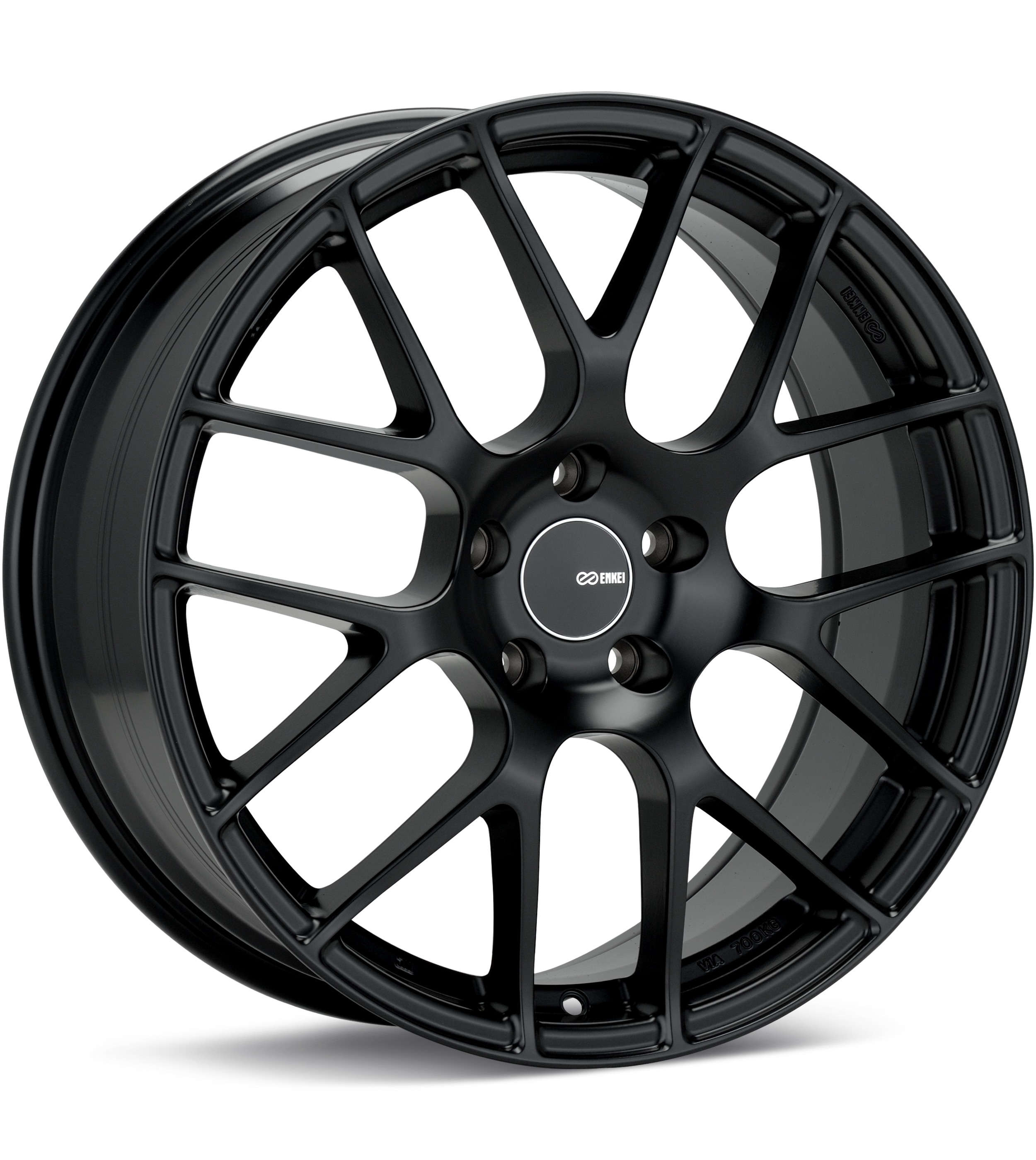
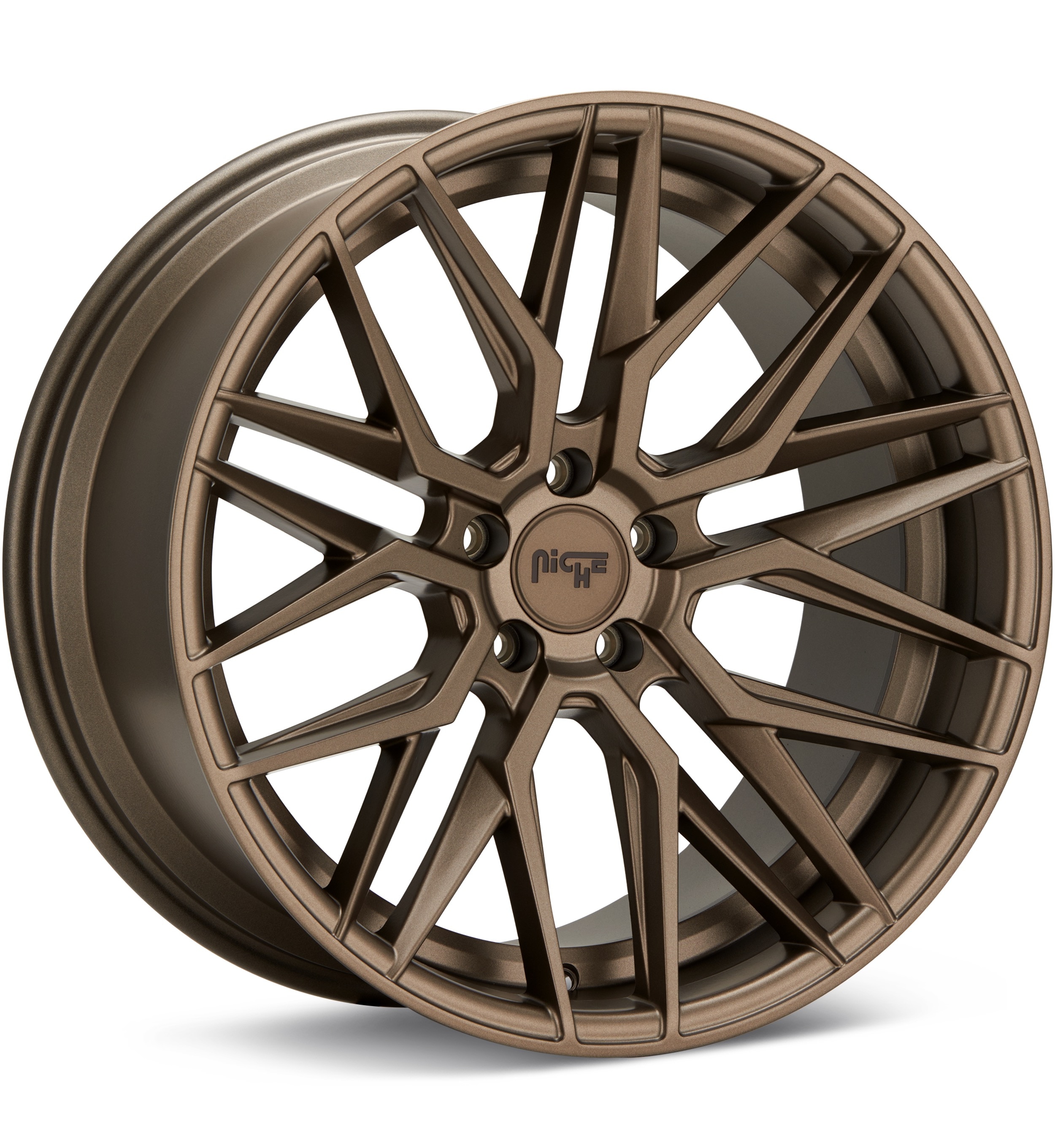
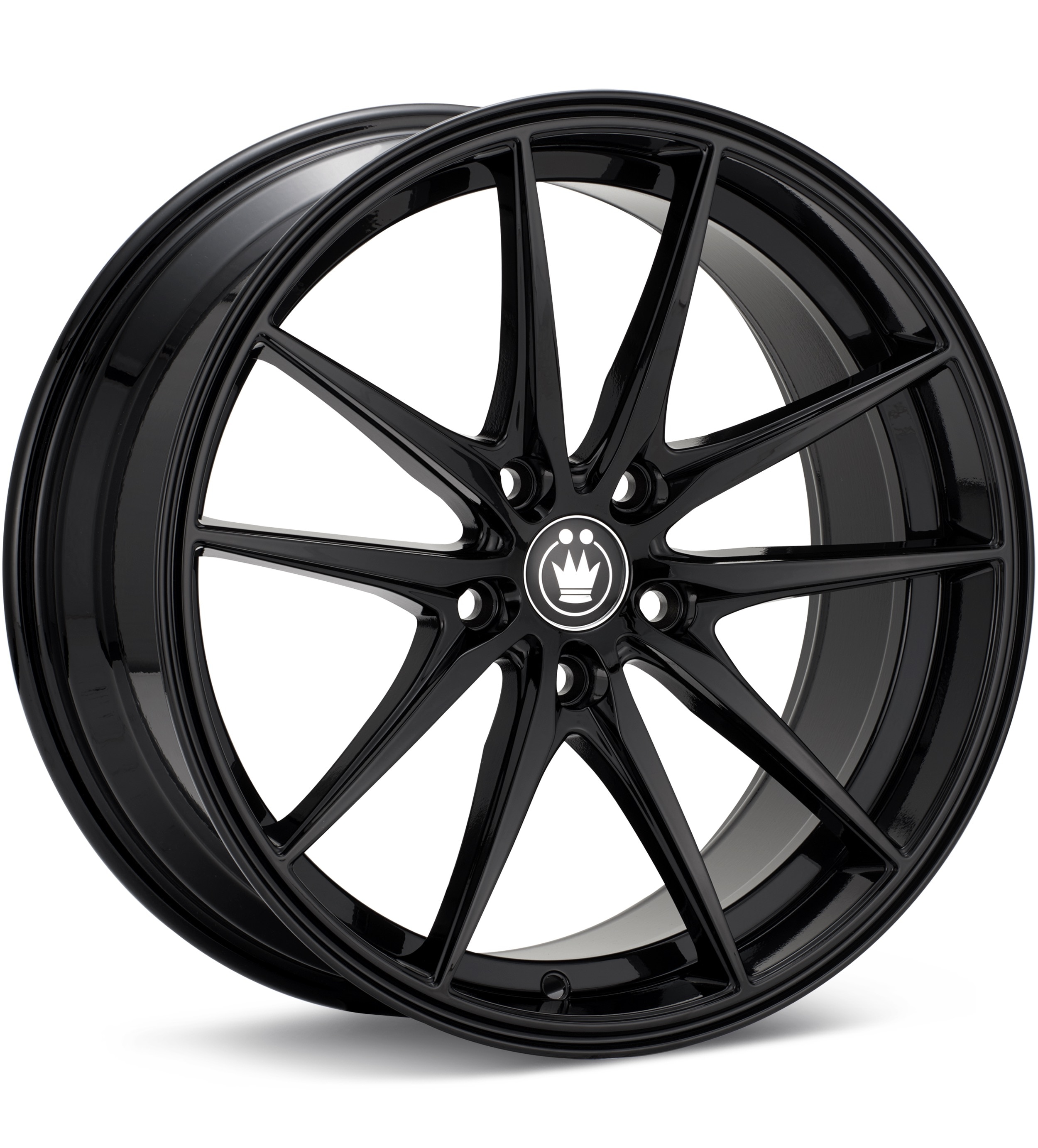
OEM wheel and tire fitment specs for the 2020 Audi R8, including bolt pattern (PCD), center bore diameter, thread size, rim diameter, rim width, wheel offset, and backspacing.
Recorded OEM specifications for the 2020 Audi R8, donor years with overlapping ranges, and a calculator to compare a selected wheel. Range overlap is not a guaranteed fit.
Multiple OEM configurations exist for this vehicle. Fitment can vary by trim, brakes, and factory wheel package – confirm your exact setup before buying.
Thread-only product links are shopping examples, not verified fits. Seat style is not confirmed here. As an Amazon Associate we earn from qualifying purchases.
Explore wheels at Tire Rack
Selected size: 19 × 8.5″ · ET +42
Showing matching bolt patterns and offsets up to 20 mm lower. Confirm center bore, load rating, and clearance at Tire Rack.
We may earn a commission when you buy through these links. Prices and availability may change.
Donor vehicles with overlapping OEM specs
These are vehicle-year records whose recorded OEM ranges overlap this 2020 Audi R8. Overlap is not a guarantee that a specific wheel will install. Selected-wheel comparison is in the calculator below.
Evaluated 12 donor years. Listed 12 eligible overlaps (not all evaluated years are compatible). Showing all listed.
Wheel geometryOEM width/offset ranges overlap (not a specific wheel)
Recorded OEM bolt pattern, center bore, and width/offset ranges overlap. This is not a guarantee that every wheel from the donor year fits this vehicle.
Compare a donor vehicle or custom wheel against this 2020 Audi R8. Use Compare in calculator on a donor row above to fill the donor side of this same calculator.
Compare
Compare wheel compatibility between two vehicles
Wheels from (donor vehicle)
Selected Car:
Custom wheel size (optional)
Tip: change values here to simulate custom wheels and immediately see the impact in the comparison below.
Custom tire size (optional)
Installed on (your vehicle)
Selected Car:
2020 Audi R8
Compare Rims
Specification
Wheels from
Installed on
Result (Click it)
Bolt Pattern
The total number of bolt holes and the diameter of the circle they form.
-
5x112
Center Bore
The hole in the center of the wheel that fits over the vehicle’s hub.
-
57.1 mm
Thread Size
The size and spacing of the threads on the bolts or nuts that hold the wheel in place.
-
M14 x 1.5
Rim Diameter
The wheel diameter in inches that determines which tire sizes will fit.
-
19"
Rim Width
The distance between the inner edges of the wheel is measured in inches.
-
8.5"
Wheel Offset
How far the wheel sits inward or outward relative to the hub mounting surface.
-
42 mm
Backspacing
Shows how much space the wheel takes up toward the inside of the vehicle.
-
-
Wheel Fasteners
The type of hardware used to secure the wheel to the vehicle.
-
-
Compare Tires
Specification
Wheels from
Installed on
Result (Click it)
Section Width
The width of the tire from sidewall to sidewall, measured in millimeters.
-
-
Aspect Ratio
The height of the tire’s sidewall expressed as a percentage of its width.
-
-
Diameter
The wheel diameter for which the tire is designed to fit.
-
-
Tire Pressure
The recommended air pressure for safe and efficient driving.
-
-
Overall Diameter
The total height of the tire and wheel combined affects clearance and speedometer accuracy.
-
-
Wheel Fitment Parts for the 2020 Audi R8
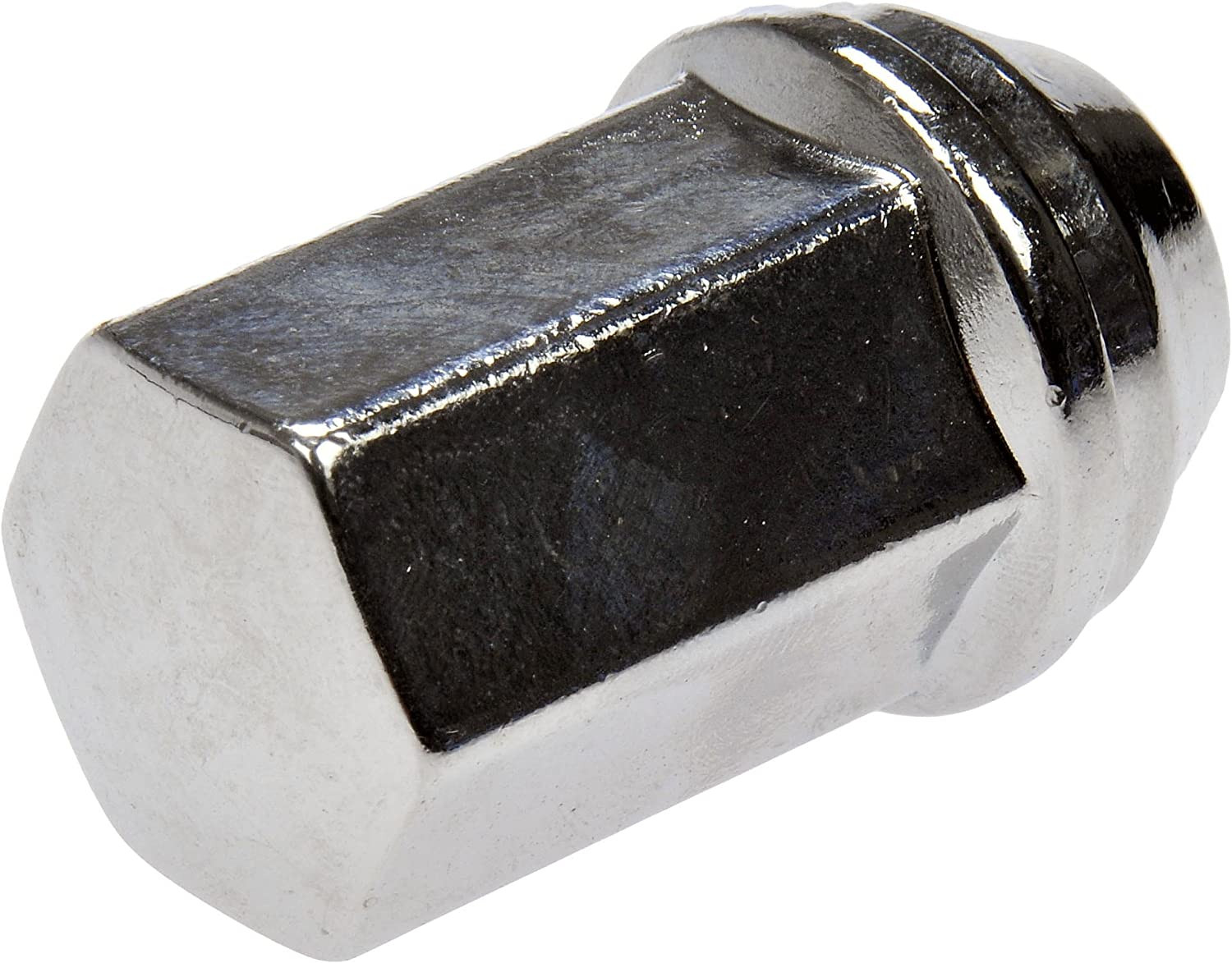
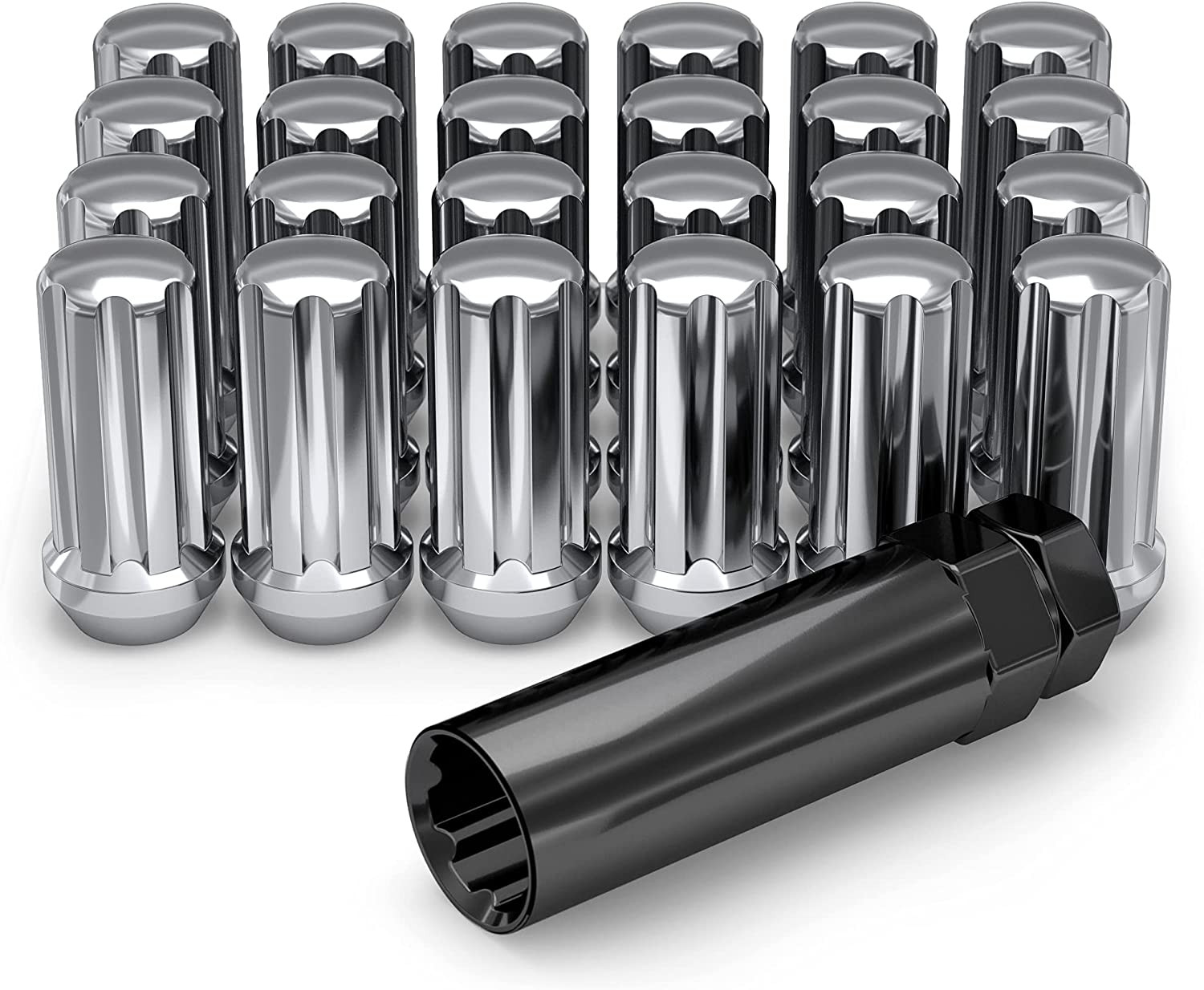
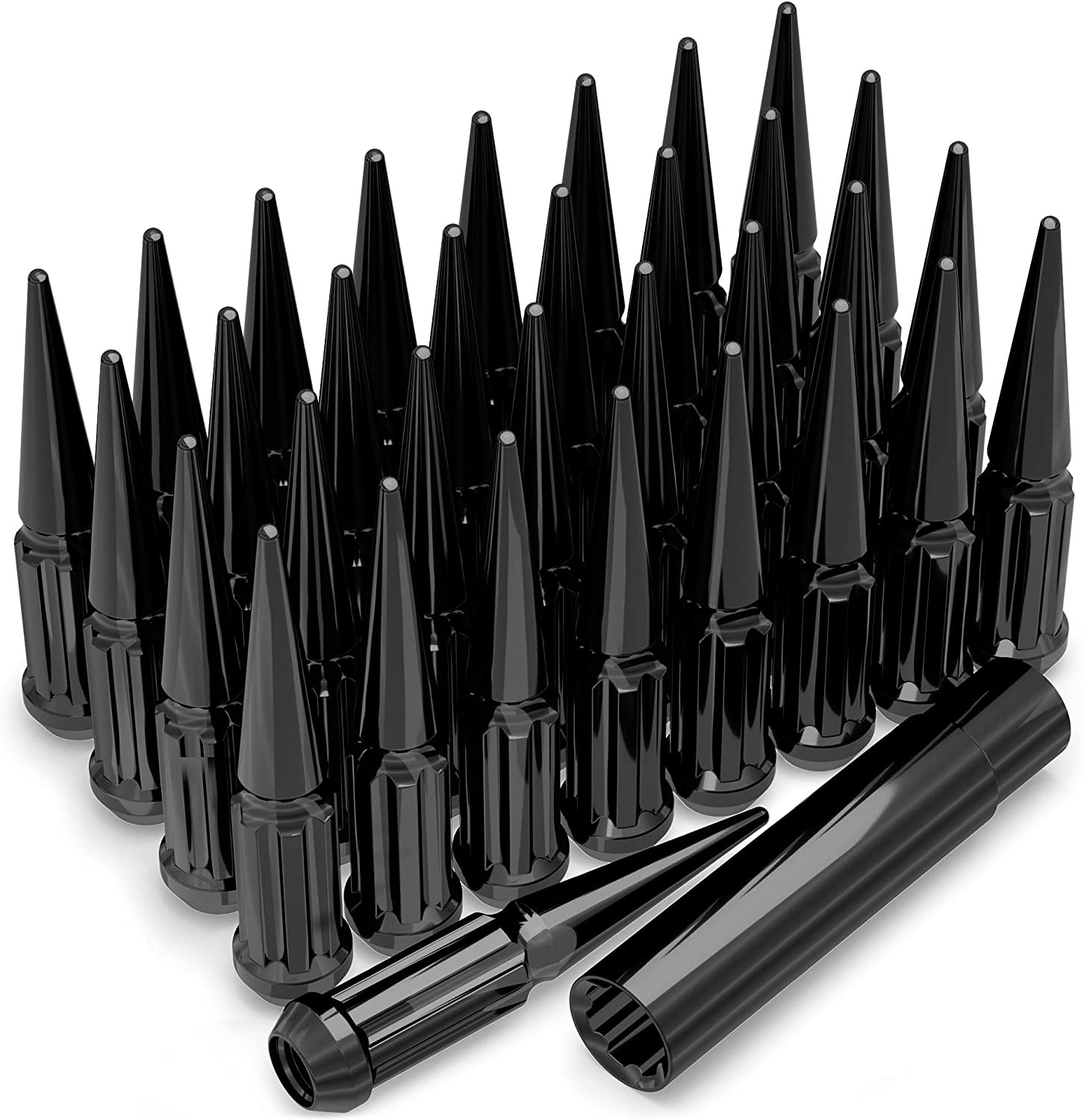
Example products matched to recorded thread, hub, or spacer dimensions. They are not verified fits. Confirm seat style, thickness, and clearance before ordering.
As an Amazon Associate we earn from qualifying purchases. Product availability and pricing may change.
2020 Audi R8 wheel fitment and interchange guide
You want the right wheels the first time. I get it. The R8 is sensitive to offset, brake clearance, and hub fit. We will walk it step by step, focus on edge cases, and leave room for verification with the on-page calculator and OEM data. No guessing.
1. Baseline
These are the known OEM fitment details for the 2020 Audi R8. Items not listed as known may vary by trim or package.
Parameter
Value
Notes
Bolt pattern
5x112
Must match exactly.
Center bore
Unknown
Confirm with OEM sources or measurement.
Thread size
M14 x 1.5
Verify seat type per wheel.
Rim diameter
19 in
Part of an OEM configuration.
Rim width
8.5 in
Part of an OEM configuration.
Offset (ET)
42 mm
Part of an OEM configuration.
Backspacing
5.9 in
Related to offset and width.
Tire size
245/35R19
Part of an OEM configuration.
Note on staggered setups: Many R8s use wider rears. If your car has a staggered package, rear wheel and tire specs may differ. Confirm on your car or via OEM documentation.
2. Edge cases
Brake clearance can be tight, especially with larger calipers or carbon ceramic packages. Spoke design matters as much as diameter.
Center bore must be hub-centric. A larger wheel bore needs rings. A smaller bore will not seat.
Lug seat type may differ. Many OEM Audi bolts are ball seat. Many aftermarket wheels use conical. Mismatch can loosen under load.
Spacer use affects thread engagement. Even a thin spacer can reduce safe engagement on M14 bolts.
Offset swings change scrub radius and steering feel. Too low ET can cause rub. Too high ET can contact suspension.
Rolling diameter changes may affect ABS calibration, traction control behavior, and speedometer error.
Load rating matters. Exotic castings that are light but under-rated may not be suitable for track heat or potholes.
TPMS hardware and valve stems can vary. Reuse or replace based on wheel design and OEM guidance.
3. Detection
Use the on-page calculator to compare any donor wheel to your 2020 R8. Set your car under “Installed on,” and enter the known baseline above. Put the donor wheel under “Wheels from,” then adjust “Custom wheel size” and “Custom tire size.” When you change rim diameter, the tool will update tire diameter in the comparison so you can see clearance and speedometer impact.
Measure center bore: Use a digital caliper to measure the hub lip on the car and the wheel bore. Record in millimeters. If center bore is unknown, this is the most direct check.
Confirm brake clearance: Test-fit the bare wheel. Rotate past calipers. Inspect spoke-to-caliper and barrel-to-caliper gaps. A 3 to 5 mm static gap is a practical minimum in many cases.
Check backspacing: Lay a straightedge across the inboard rim lip, measure to the mounting pad. That is backspacing. Cross-check with the calculator.
Verify bolt seat type: Compare bolt head imprint to the wheel seat. Ball seats have a rounded interface. Conical seats have a clear angled cone.
Thread engagement: Hand-tighten a bolt with the wheel mounted. Count turns before snug. For M14 threads, aim for engagement roughly equal to the bolt diameter.
Identify stagger: Read tire sizes printed on both axles. If the rear differs, set separate front and rear calculations.
If the wheel bore is larger than the hub, install quality hub-centric rings. Metal or high-temp polymer both work when sized correctly.
If the seat type differs, use bolts that match the wheel seat and the R8’s M14 x 1.5 threads. Do not mix seat types.
If spacers are required, choose hub-centric spacers with matching lip and bore. Use appropriately longer M14 x 1.5 bolts. Maintain thread engagement about equal to bolt diameter.
Protect brake clearance by selecting spoke profiles with known caliper relief. Flat-faced spokes can be tight on big brakes.
Control inner clearance by adjusting offset in small steps. The calculator will show how inner and outer positions move as you change ET and width.
Manage rolling diameter change. Keep total tire diameter within a small percent of stock to reduce electronic system impact.
Road test, then re-torque after a short mileage interval. Heat cycles can relax hardware.
5. Safe defaults
Stick with 19 in diameter if you want minimal risk and OEM-like dynamics.
Keep width near 8.5 in on the axle that matches this OEM spec, with offset close to ET42. A small change may be fine if inner and outer clearances check out in the calculator.
Use 245/35R19 if you are matching the known OEM tire size for that axle. If your car is staggered, mirror your existing rear size pattern rather than guessing.
Maintain the 5x112 bolt pattern and M14 x 1.5 thread. Confirm center bore with OEM data or measurement before mounting.
When changing width, remember half the added width goes inward. Adjust ET to keep inner clearance safe. Example: add 1.0 in width, inner edge moves about 12.7 mm inward without an ET change. Reduce ET by a similar amount to compensate, then validate with the calculator.
6. Checklist
Confirm your car’s exact trim, brake package, and whether it is staggered.
Bolt pattern 5x112, thread M14 x 1.5, verified seat type for your wheels.
Measure or confirm center bore via OEM sources. Use rings if needed.
Model the setup in the calculator. Compare inner and outer positions, and tire diameter.
Physically test-fit for caliper and barrel clearance before mounting tires.
If using spacers, verify hub-centric design and proper bolt length.
Use a torque wrench and follow the Audi service manual torque spec. Re-torque after a short drive.
If a value is missing, it is not a dead end. Measure, compare in the calculator, and confirm with OEM references. That path keeps your 2020 Audi R8 precise and predictable, without surprises.
Methodology and sources
Wheel interchange depends on more than bolt pattern. Where data is available, this site compares recorded OEM values:
Bolt pattern / PCD
Center bore direction (donor wheel bore must not be smaller than the hub)
Wheel diameter, width, and offset against known OEM ranges
A normal wheel spacer does not change bolt pattern. Hub rings cannot enlarge a wheel bore that is smaller than the hub. Brake clearance and tire package fitment still require vehicle-specific checks when not confirmed in the dataset.