OEM wheel and tire fitment specs for the 2011 Audi R8, including bolt pattern (PCD), center bore diameter, thread size, rim diameter, rim width, wheel offset, and backspacing.
Recorded OEM specifications for the 2011 Audi R8, donor years with overlapping ranges, and a calculator to compare a selected wheel. Range overlap is not a guaranteed fit.
Multiple OEM configurations exist for this vehicle. Fitment can vary by trim, brakes, and factory wheel package – confirm your exact setup before buying.
Thread-only product links are shopping examples, not verified fits. Seat style is not confirmed here. As an Amazon Associate we earn from qualifying purchases.
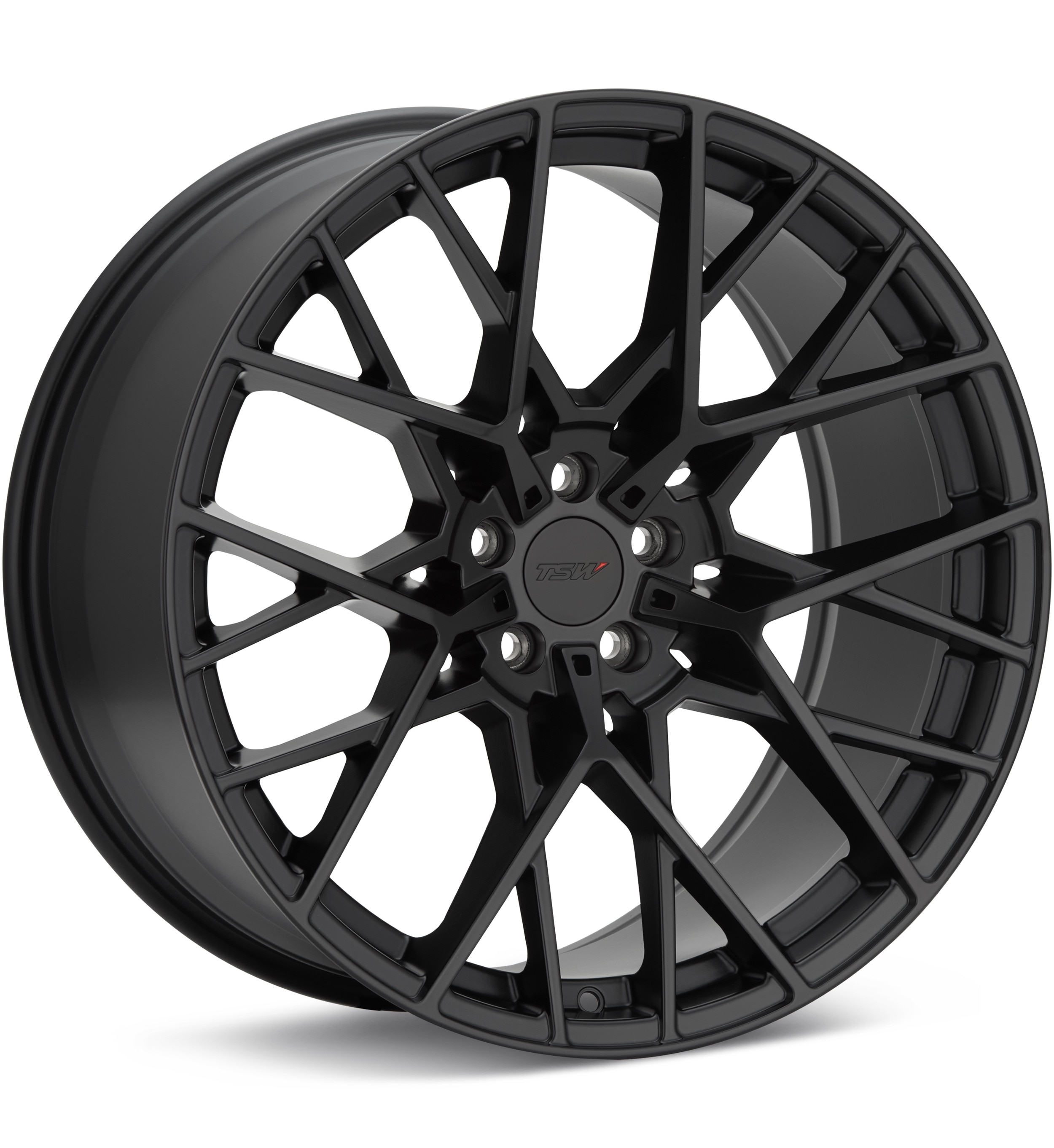
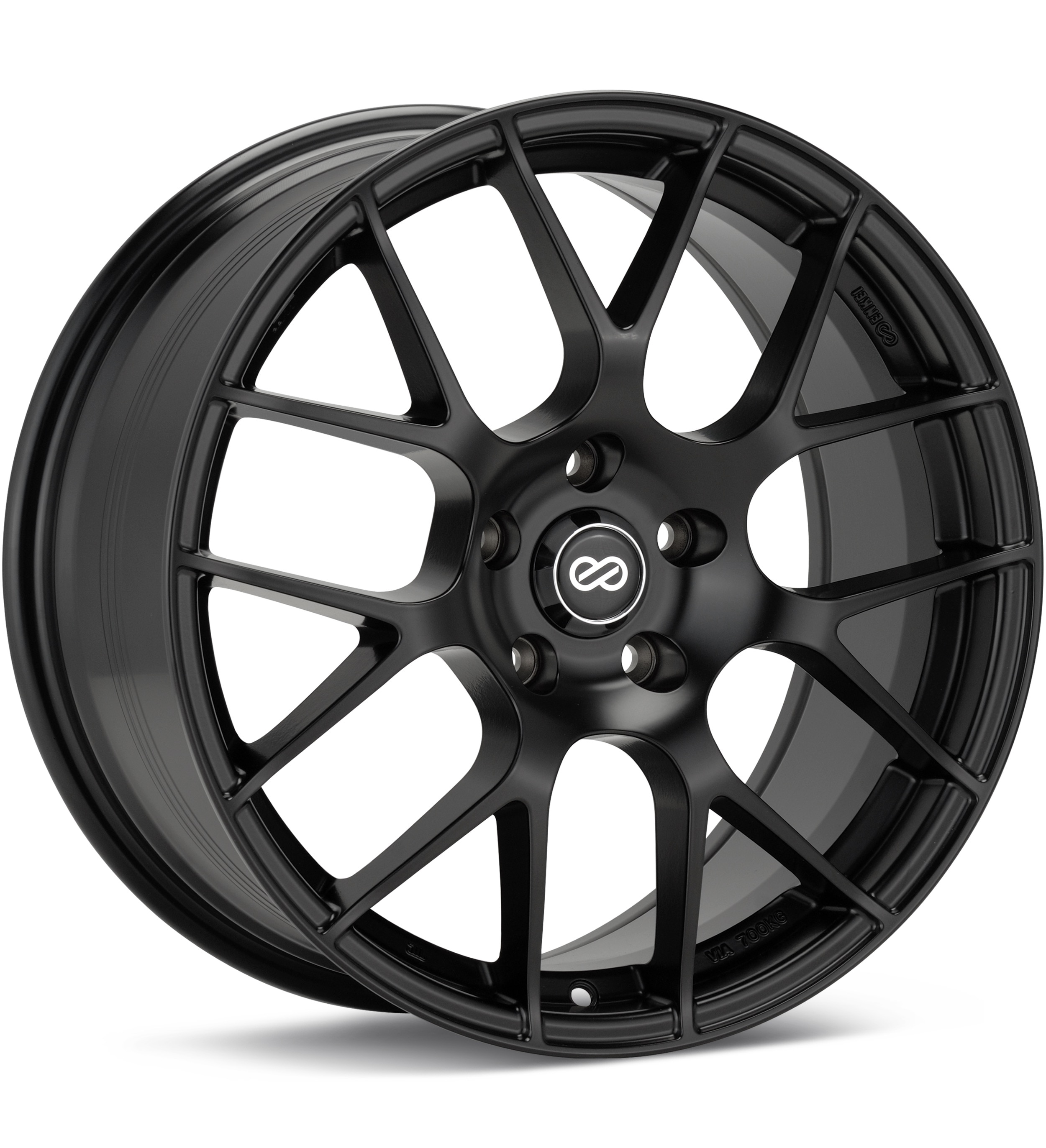
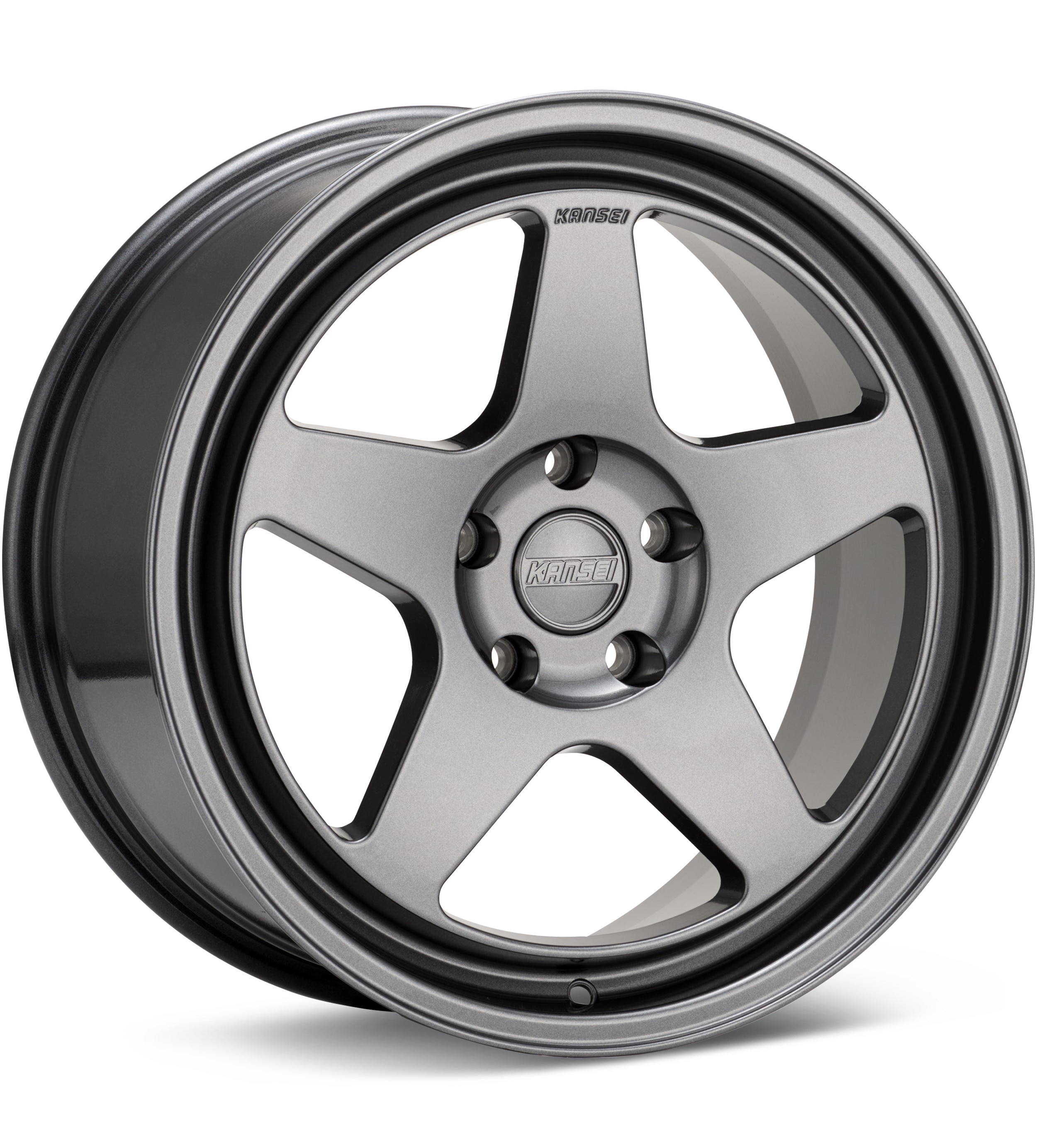
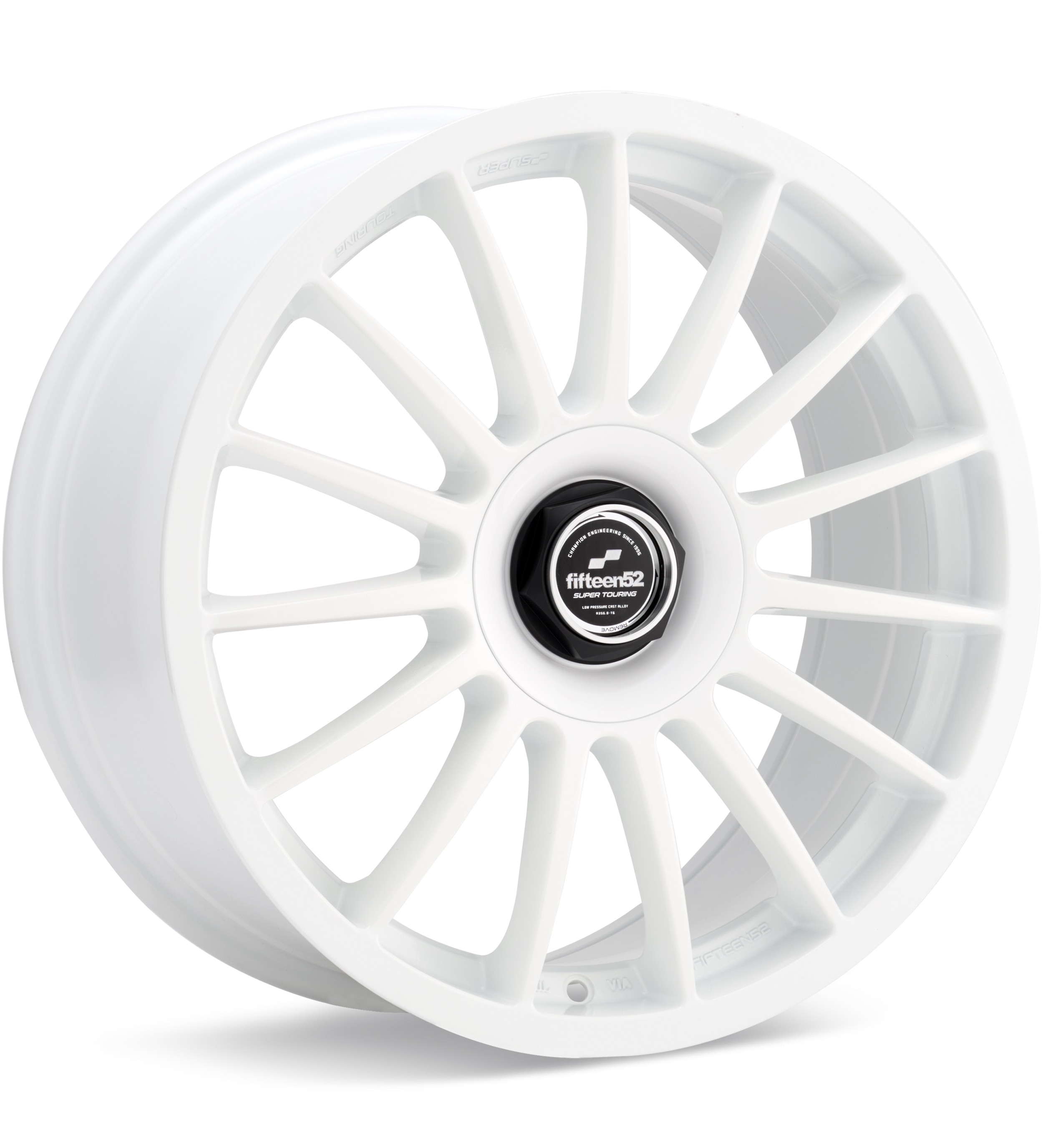
Explore wheels at Tire Rack
Selected size: 18 × 8.5″ · ET +42
Showing matching bolt patterns and offsets up to 20 mm lower. Confirm center bore, load rating, and clearance at Tire Rack.
We may earn a commission when you buy through these links. Prices and availability may change.
Donor vehicles with overlapping OEM specs
These are vehicle-year records whose recorded OEM ranges overlap this 2011 Audi R8. Overlap is not a guarantee that a specific wheel will install. Selected-wheel comparison is in the calculator below.
Evaluated 137 donor years. Listed 24 eligible overlaps (not all evaluated years are compatible). Showing all listed.
Wheel geometryOEM width/offset ranges overlap (not a specific wheel)
Recorded OEM bolt pattern, center bore, and width/offset ranges overlap. This is not a guarantee that every wheel from the donor year fits this vehicle.
Wheel geometryOEM width/offset ranges overlap (not a specific wheel)
Recorded OEM bolt pattern, center bore, and width/offset ranges overlap. This is not a guarantee that every wheel from the donor year fits this vehicle.
Wheel geometryOEM width/offset ranges overlap (not a specific wheel)
Recorded OEM bolt pattern, center bore, and width/offset ranges overlap. This is not a guarantee that every wheel from the donor year fits this vehicle.
Audi R8 Years With Compatible Wheels
Only years with evidence-based interchange relationships are listed. Adjacent years are not assumed compatible.
Compare a donor vehicle or custom wheel against this 2011 Audi R8. Use Compare in calculator on a donor row above to fill the donor side of this same calculator.
Compare
Compare wheel compatibility between two vehicles
Wheels from (donor vehicle)
Selected Car:
Custom wheel size (optional)
Tip: change values here to simulate custom wheels and immediately see the impact in the comparison below.
Custom tire size (optional)
Installed on (your vehicle)
Selected Car:
2011 Audi R8
Compare Rims
Specification
Wheels from
Installed on
Result (Click it)
Bolt Pattern
The total number of bolt holes and the diameter of the circle they form.
-
5x112
Center Bore
The hole in the center of the wheel that fits over the vehicle’s hub.
-
57.1 mm
Thread Size
The size and spacing of the threads on the bolts or nuts that hold the wheel in place.
-
M14 x 1.5
Rim Diameter
The wheel diameter in inches that determines which tire sizes will fit.
-
18"
Rim Width
The distance between the inner edges of the wheel is measured in inches.
-
8.5"
Wheel Offset
How far the wheel sits inward or outward relative to the hub mounting surface.
-
42 mm
Backspacing
Shows how much space the wheel takes up toward the inside of the vehicle.
-
-
Wheel Fasteners
The type of hardware used to secure the wheel to the vehicle.
-
-
Compare Tires
Specification
Wheels from
Installed on
Result (Click it)
Section Width
The width of the tire from sidewall to sidewall, measured in millimeters.
-
-
Aspect Ratio
The height of the tire’s sidewall expressed as a percentage of its width.
-
-
Diameter
The wheel diameter for which the tire is designed to fit.
-
-
Tire Pressure
The recommended air pressure for safe and efficient driving.
-
-
Overall Diameter
The total height of the tire and wheel combined affects clearance and speedometer accuracy.
-
-
Wheel Fitment Parts for the 2011 Audi R8
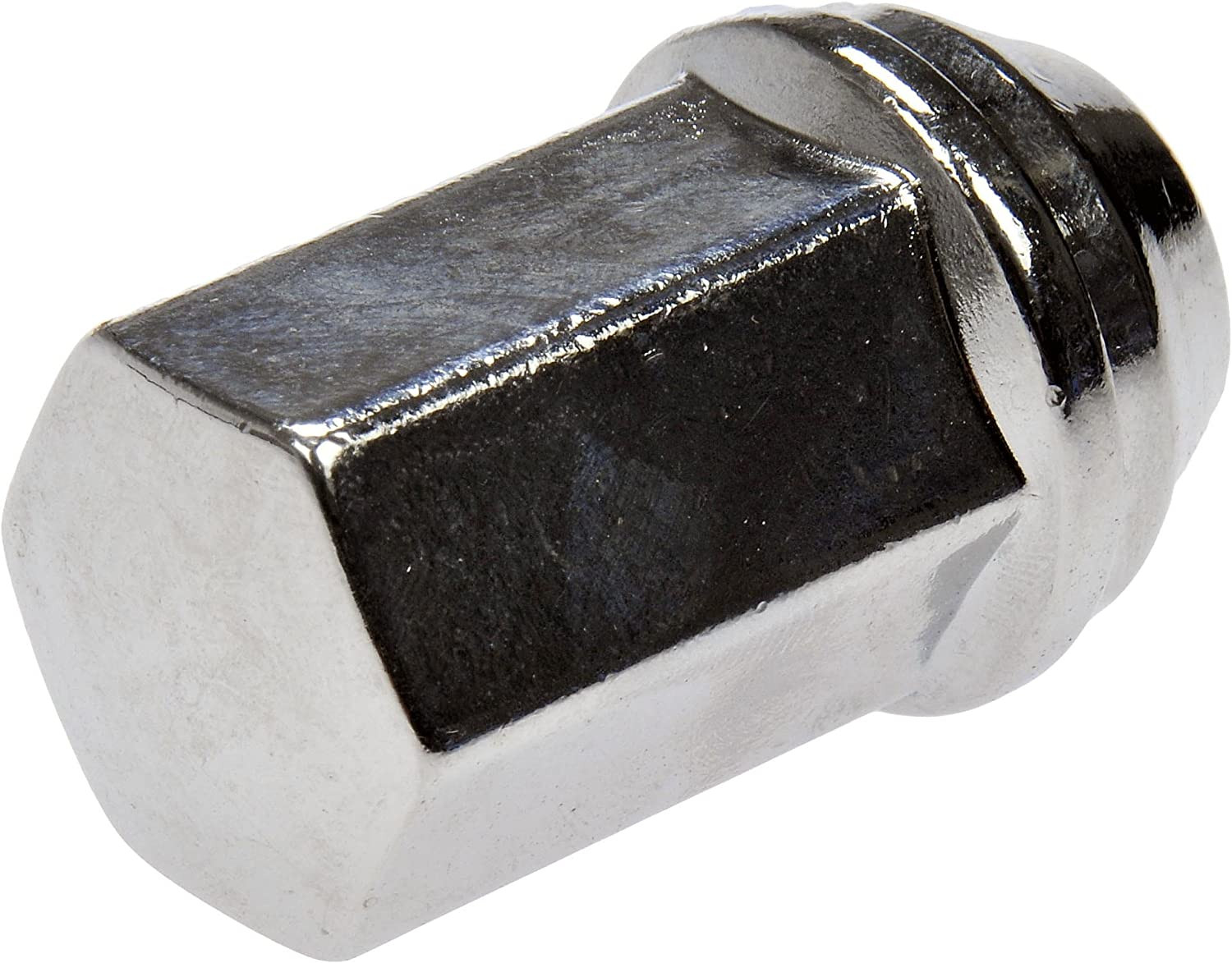
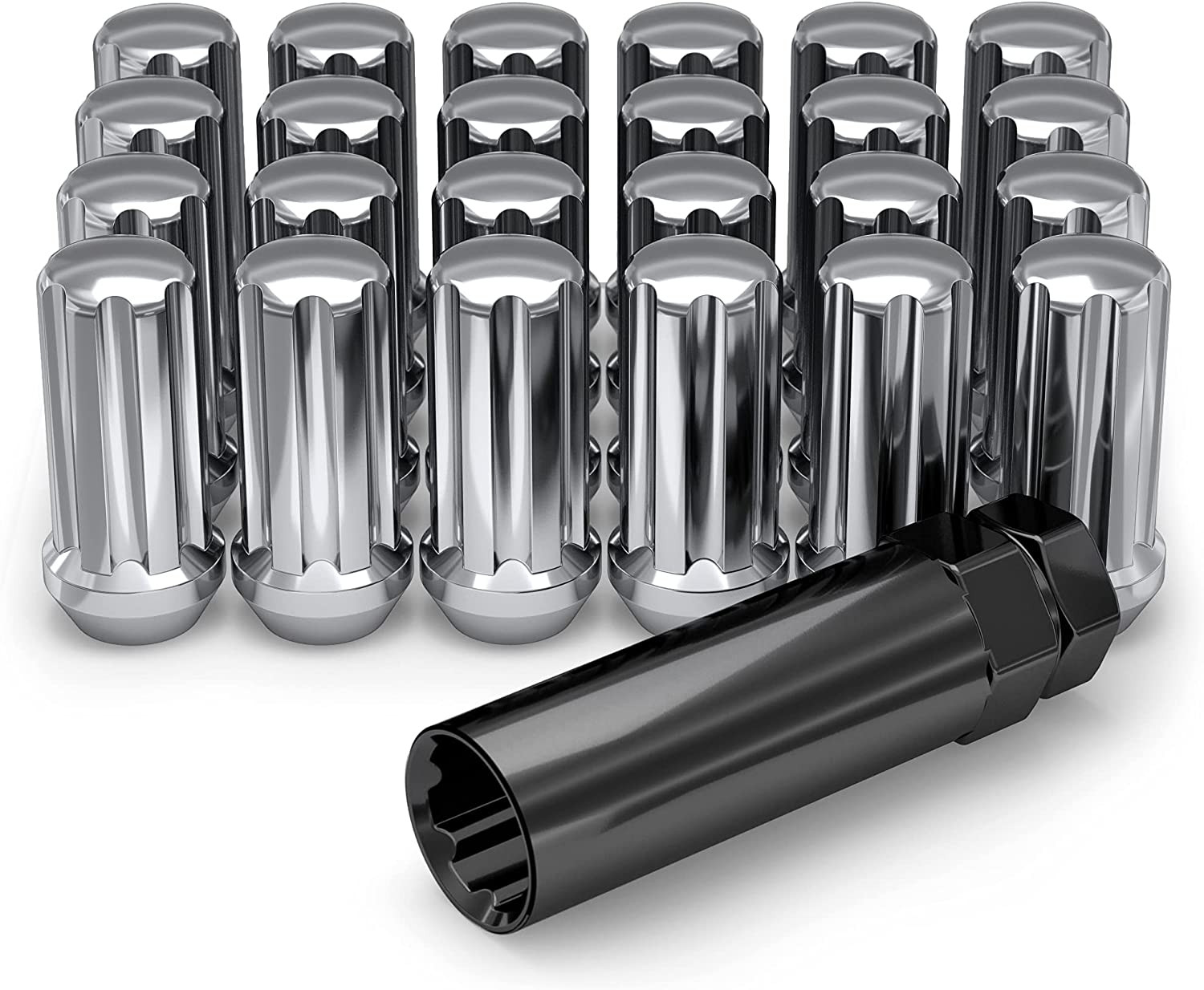
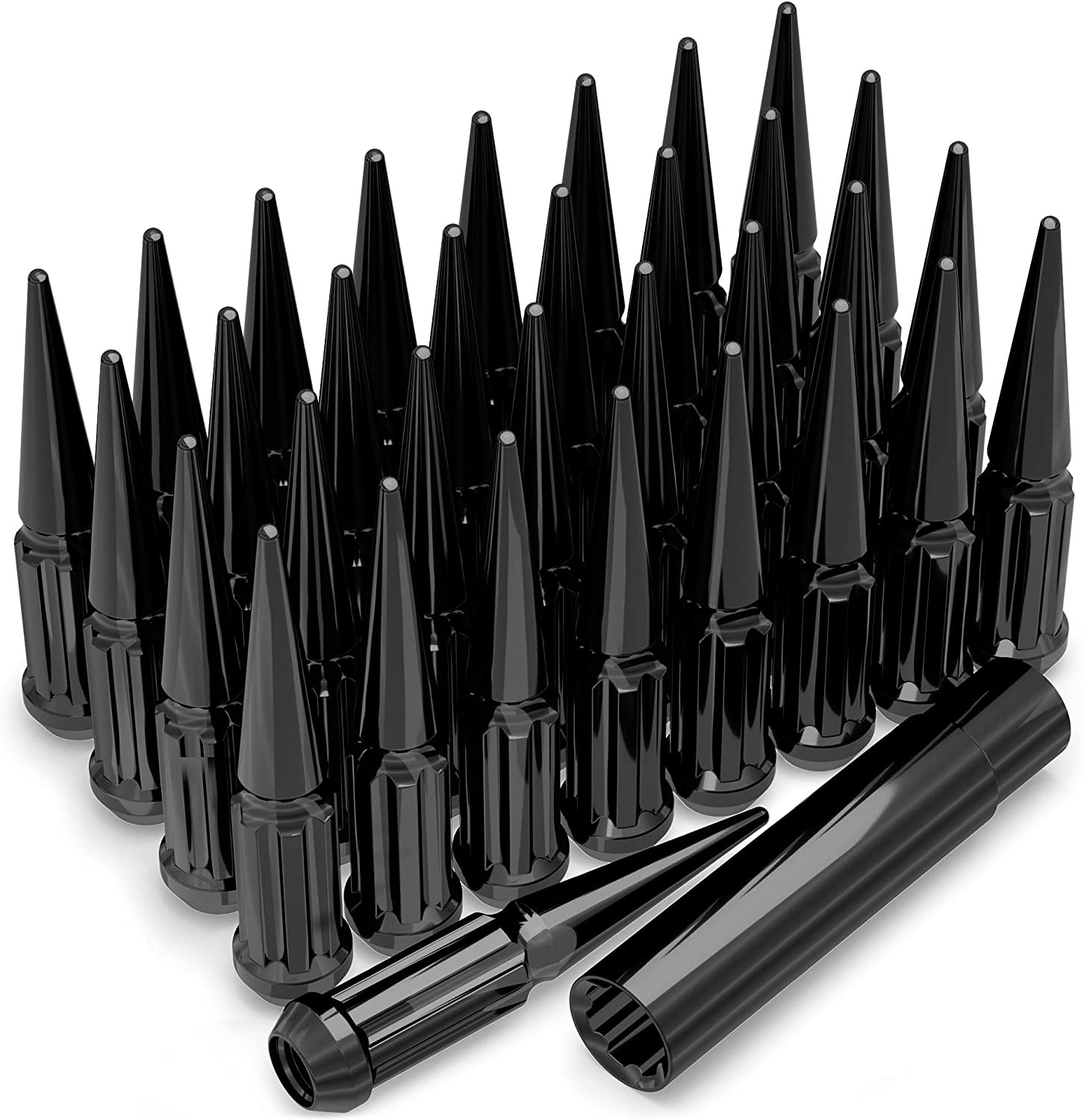
Example products matched to recorded thread, hub, or spacer dimensions. They are not verified fits. Confirm seat style, thickness, and clearance before ordering.
As an Amazon Associate we earn from qualifying purchases. Product availability and pricing may change.
2011 Audi R8 Wheel Fitment Guide
Professional, safety-first guidance for matching and upgrading wheels and tires on the 2011 Audi R8. Use the on-page calculator to validate every change before you buy.
tl;dr
Known OEM anchors: 5x112, 57.1 mm center bore, M14 x 1.5 threads.
Provided wheel: 19 x 8.5, ET 42, backspacing 5.9 in. Tire 235 width, 40 aspect, R18 is listed, which conflicts with a 19 in rim. Treat this as partial data.
R8 often runs different front and rear sizes. Confirm per axle with the calculator and OEM sources.
Keep tire diameter changes small, aim within about 2 percent, and verify brake and inner clearance.
Use hub-centric wheels or rings for 57.1 mm. Do a dry fit and re-torque after 50 to 100 miles.
Recommendation
I recommend you validate your exact front and rear OEM sizes first, then model any change in the calculator before buying. Start from the known front baseline below unless your actual car shows otherwise. If your door placard, build sheet, or existing wheel stamps do not match the baseline, use your actual measurements instead.
Parameter
Known value
Notes
Bolt pattern
5x112
Do not adapt unless necessary. Adapters add complexity.
Center bore
57.1 mm
Wheels must be hub-centric to 57.1 mm or use rings.
Thread size
M14 x 1.5
Match seat type to wheel manufacturer.
Wheel size
19 x 8.5
Given baseline, likely a front spec. Confirm per axle.
Offset
ET 42
Controls inner and outer clearance.
Backspacing
5.9 in
Matches 19 x 8.5 ET 42 geometry.
Tire size fragment
235/40 R18
Conflicts with 19 in wheel. Treat as partial. Verify.
Because the tire and wheel diameters above conflict, verify your car’s current tire sidewalls and the stamps on each wheel. The R8 commonly uses staggered setups, but exact sizes vary by trim and package. Do not assume rear sizes from the front data.
Impact
How size changes affect your R8
Offset: Lower ET pushes wheels outward, higher ET tucks inward. Inner clearance to strut and upright is critical.
Width: Wider wheels reduce inner clearance and may poke outside the fender. Model both inner and outer positions.
Tire diameter: Affects gearing, speedometer, and ride height. Keep changes small and even per axle.
Brake clearance: R8 calipers are large. Rim diameter, spoke shape, and barrel profile all matter. Do not rely on diameter alone.
Hub fit: 57.1 mm center engagement keeps the wheel true. Rings are required if the wheel’s bore is larger.
What to aim for
Overall tire diameter within about 2 percent of your verified OEM on each axle.
Positive inner clearance margin after modeling in the calculator, then confirm with a physical check.
Proper lug seat type for your wheels, correct thread engagement, and re-torque after short mileage.
Risks
Caliper or barrel interference: Even if the diameter seems right, spoke design can collide with caliper corners.
Inner rub: Too much inward move from offset or width can contact the strut or liner.
Outer poke: Fender contact on compression or steering lock, especially with wider tires.
Vibration: Non hub-centric fit or incorrect rings cause shake at speed.
Hardware mismatch: Wrong lug seat type, bolt length, or spacer without proper hub lip.
TPMS issues: Sensor type and frequency can vary. Confirm by VIN or current sensor markings.
Next actions
Checklist
Read your current tire sidewalls and wheel stamps on both axles. Write down rim width, diameter, and offset if stamped.
Check the door placard and the owner’s manual. If values differ, trust the placard for factory tire sizes, then confirm wheel specs physically.
Open the calculator on this page. Set Installed on to 2011 Audi R8.
Enter your verified OEM front and rear as baselines. If unknown, start with the given 19 x 8.5 ET 42 as a front reference only, and leave rear blank until verified.
Model your candidate wheels or tires. Watch inner clearance, outer poke, and tire diameter delta as you change width, offset, and aspect ratio.
If you test 18 in wheels, verify brake clearance carefully. Use a template from the wheel maker if available.
Plan for hub-centric rings if wheel bore is larger than 57.1 mm.
Select correct lug seat type for your wheels. Audi OE is often ball seat, some aftermarket use cone seat. Match the wheel, not the car.
Dry fit one corner. Spin by hand, check lock to lock, and compress the suspension if possible.
Torque to the factory spec from your owner’s manual. Re-torque after 50 to 100 miles.
Using the calculator effectively
Compare Wheels from donor vs Installed on your vehicle to visualize offset and width changes.
Use Custom wheel size to try different width and ET, then note inner change and outer change values.
Adjust Custom tire size for section width and aspect ratio. The tool updates tire diameter. Keep the delta modest.
Repeat per axle if your R8 is staggered. Do not copy front results to the rear without checking.
Gotchas
Backspacing and offset must be considered together. Changing width with the same ET alters inner and outer positions.
Spacers require longer bolts and a hub-centric design. Do not stack spacers.
Some brake kits need specific barrel profiles. Ask the wheel maker for a caliper template.
Do not guess. Confirm with your VIN, the owner’s manual, or OEM parts catalogs. Use the calculator to test options against your verified baselines. If you cannot confirm a value, flag it as unknown and do a physical test fit before mounting tires.
Summary
The 2011 Audi R8 uses 5x112, a 57.1 mm hub, and M14 x 1.5 hardware. You have
Methodology and sources
Wheel interchange depends on more than bolt pattern. Where data is available, this site compares recorded OEM values:
Bolt pattern / PCD
Center bore direction (donor wheel bore must not be smaller than the hub)
Wheel diameter, width, and offset against known OEM ranges
A normal wheel spacer does not change bolt pattern. Hub rings cannot enlarge a wheel bore that is smaller than the hub. Brake clearance and tire package fitment still require vehicle-specific checks when not confirmed in the dataset.