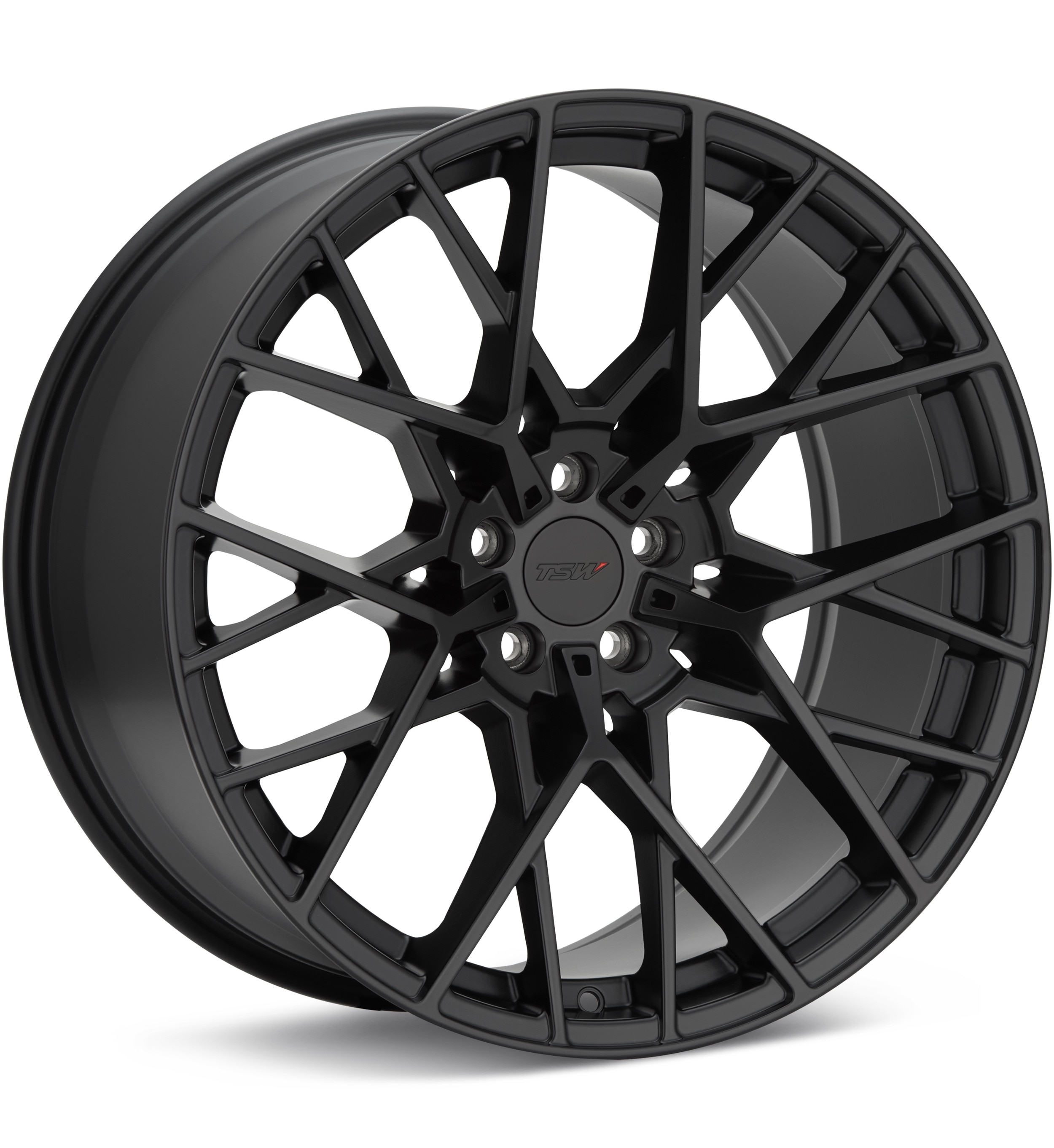
TSW
Sebring
Black
19 × 8.5″ · ET +42
$400.00
View at Tire Rack ↗Recorded OEM specifications for the 2017 Audi R8, donor years with overlapping ranges, and a calculator to compare a selected wheel. Range overlap is not a guaranteed fit.
Save these wheel specs to your Ownery garage
Baseline mounting dimensions used for interchange decisions.
Multiple OEM configurations exist for this vehicle. Fitment can vary by trim, brakes, and factory wheel package – confirm your exact setup before buying.
Thread-only product links are shopping examples, not verified fits. Seat style is not confirmed here. As an Amazon Associate we earn from qualifying purchases.
Selected size: 19 × 8.5″ · ET +42
Showing matching bolt patterns and offsets up to 20 mm lower. Confirm center bore, load rating, and clearance at Tire Rack.
TSW
Black
19 × 8.5″ · ET +42
$400.00
View at Tire Rack ↗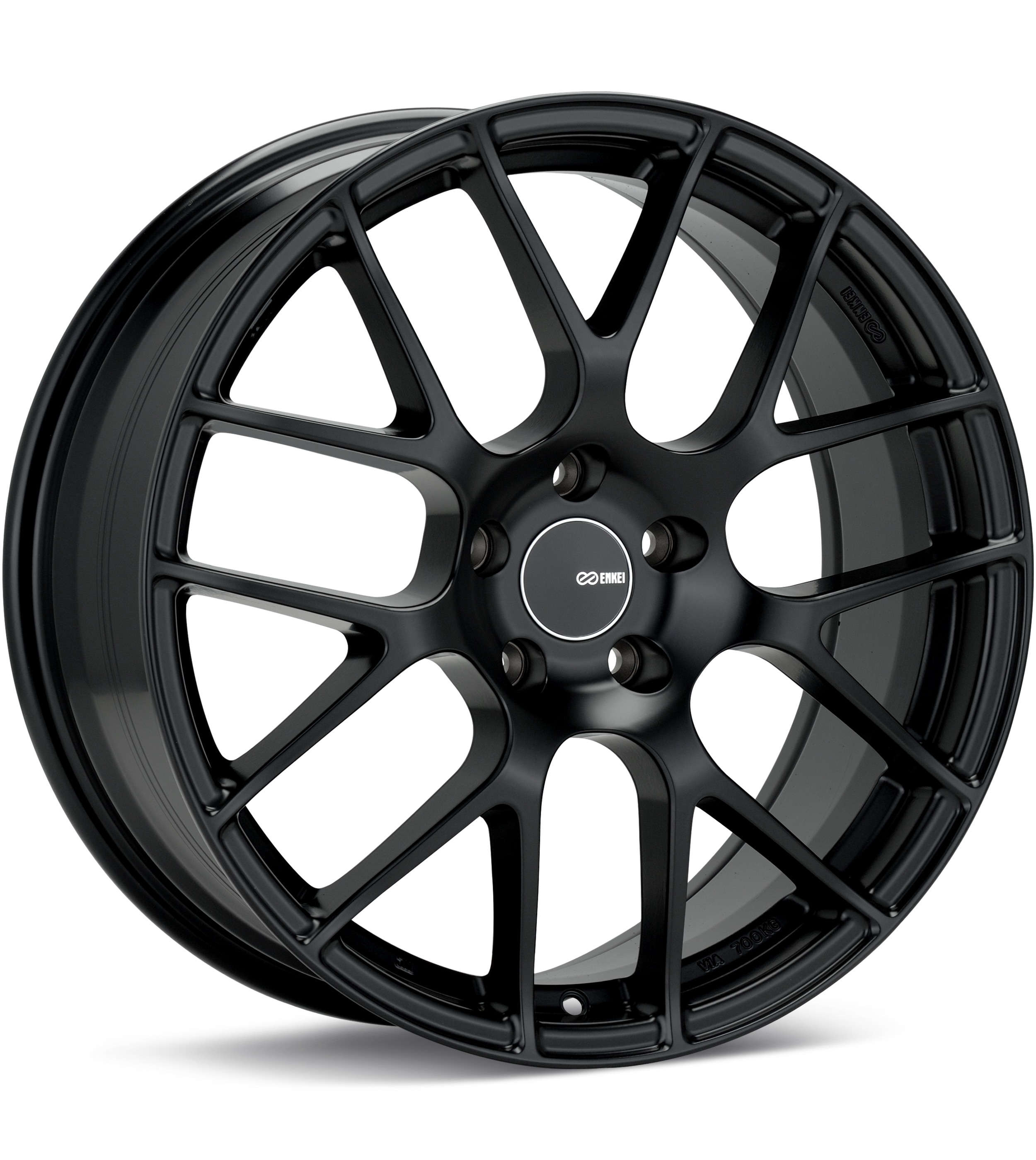
Enkei Tuning
Black
19 × 8.5″ · ET +42
$284.73
View at Tire Rack ↗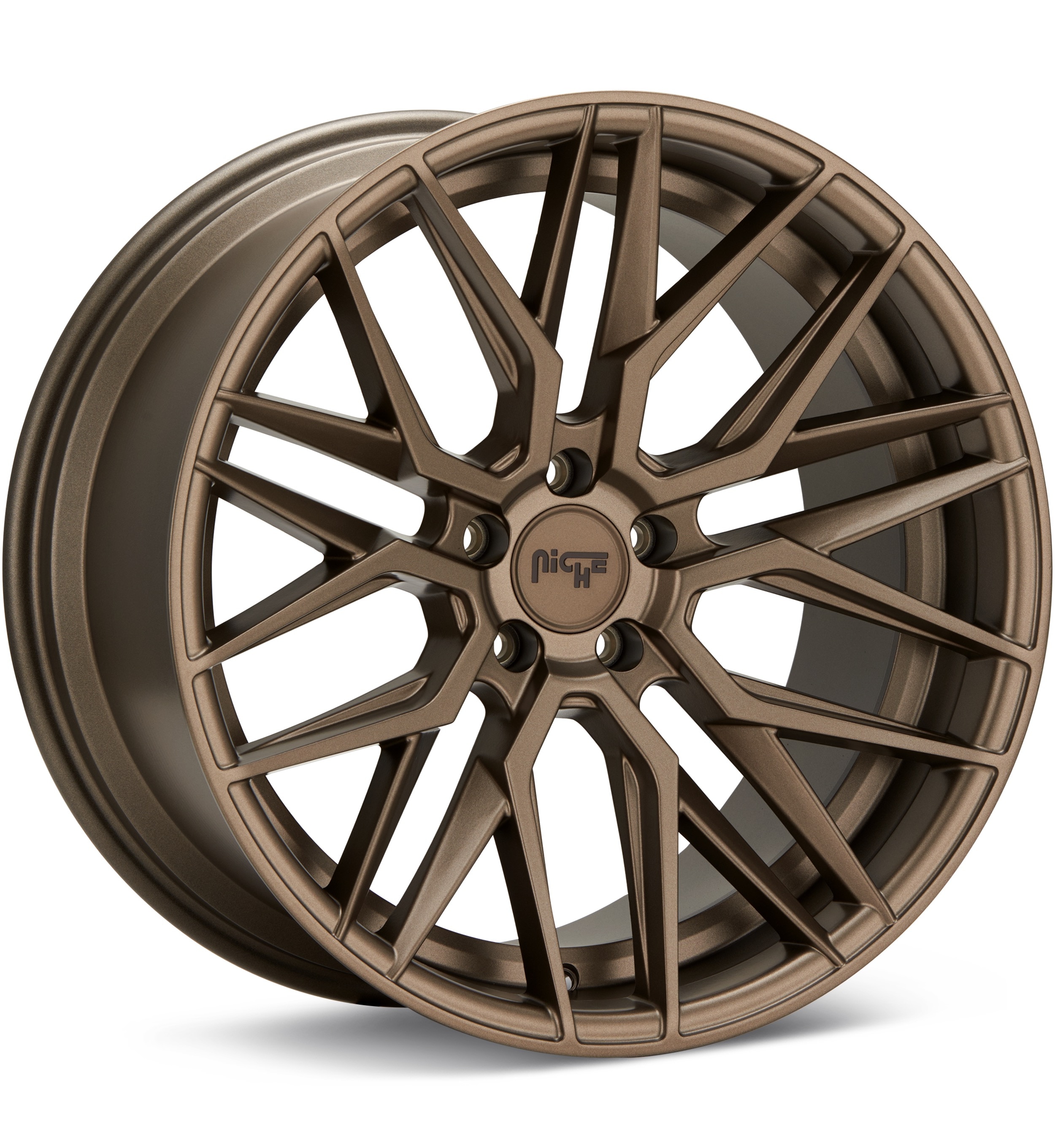
Niche Road Wheels
Matte Bronze
19 × 8.5″ · ET +42
$420.00
View at Tire Rack ↗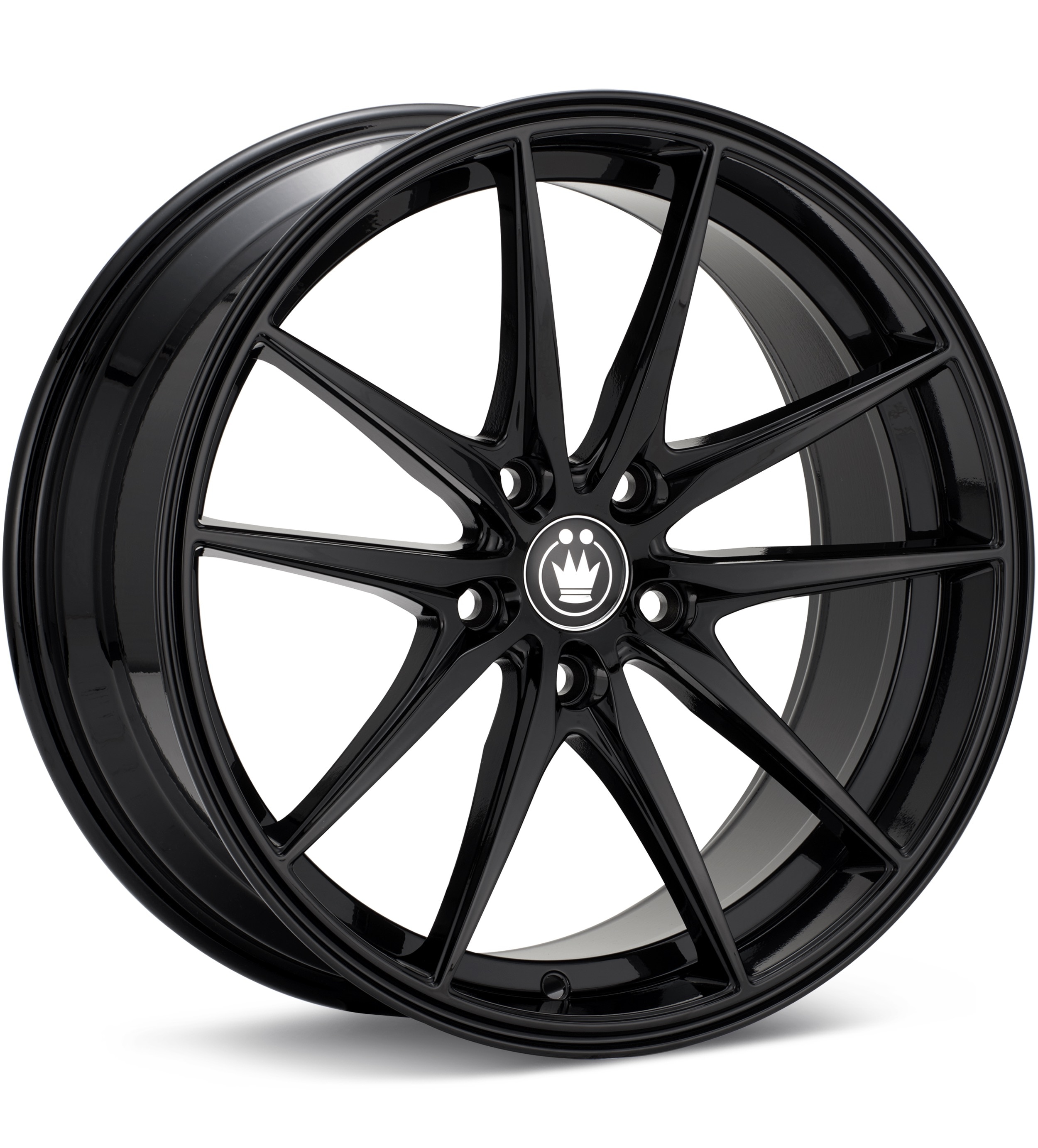
Konig
Gloss Black
19 × 8.5″ · ET +42
$275.94
View at Tire Rack ↗We may earn a commission when you buy through these links. Prices and availability may change.
These are vehicle-year records whose recorded OEM ranges overlap this 2017 Audi R8. Overlap is not a guarantee that a specific wheel will install. Selected-wheel comparison is in the calculator below.
Evaluated 137 donor years. Listed 24 eligible overlaps (not all evaluated years are compatible). Showing all listed.
Years grouped because recorded compatibility evidence is equivalent. Each year keeps its own page.
Recorded OEM bolt pattern, center bore, and width/offset ranges overlap. This is not a guarantee that every wheel from the donor year fits this vehicle.
Center bore data is incomplete. Wheel width/offset data is incomplete.
Years grouped because recorded compatibility evidence is equivalent. Each year keeps its own page.
Recorded OEM bolt pattern, center bore, and width/offset ranges overlap. This is not a guarantee that every wheel from the donor year fits this vehicle.
Years grouped because recorded compatibility evidence is equivalent. Each year keeps its own page.
Recorded OEM bolt pattern, center bore, and width/offset ranges overlap. This is not a guarantee that every wheel from the donor year fits this vehicle.
Only years with evidence-based interchange relationships are listed. Adjacent years are not assumed compatible.
Compare a donor vehicle or custom wheel against this 2017 Audi R8. Use Compare in calculator on a donor row above to fill the donor side of this same calculator.
Compare wheel compatibility between two vehicles
2017 Audi R8





Example products matched to recorded thread, hub, or spacer dimensions. They are not verified fits. Confirm seat style, thickness, and clearance before ordering.
M14 x 1.5
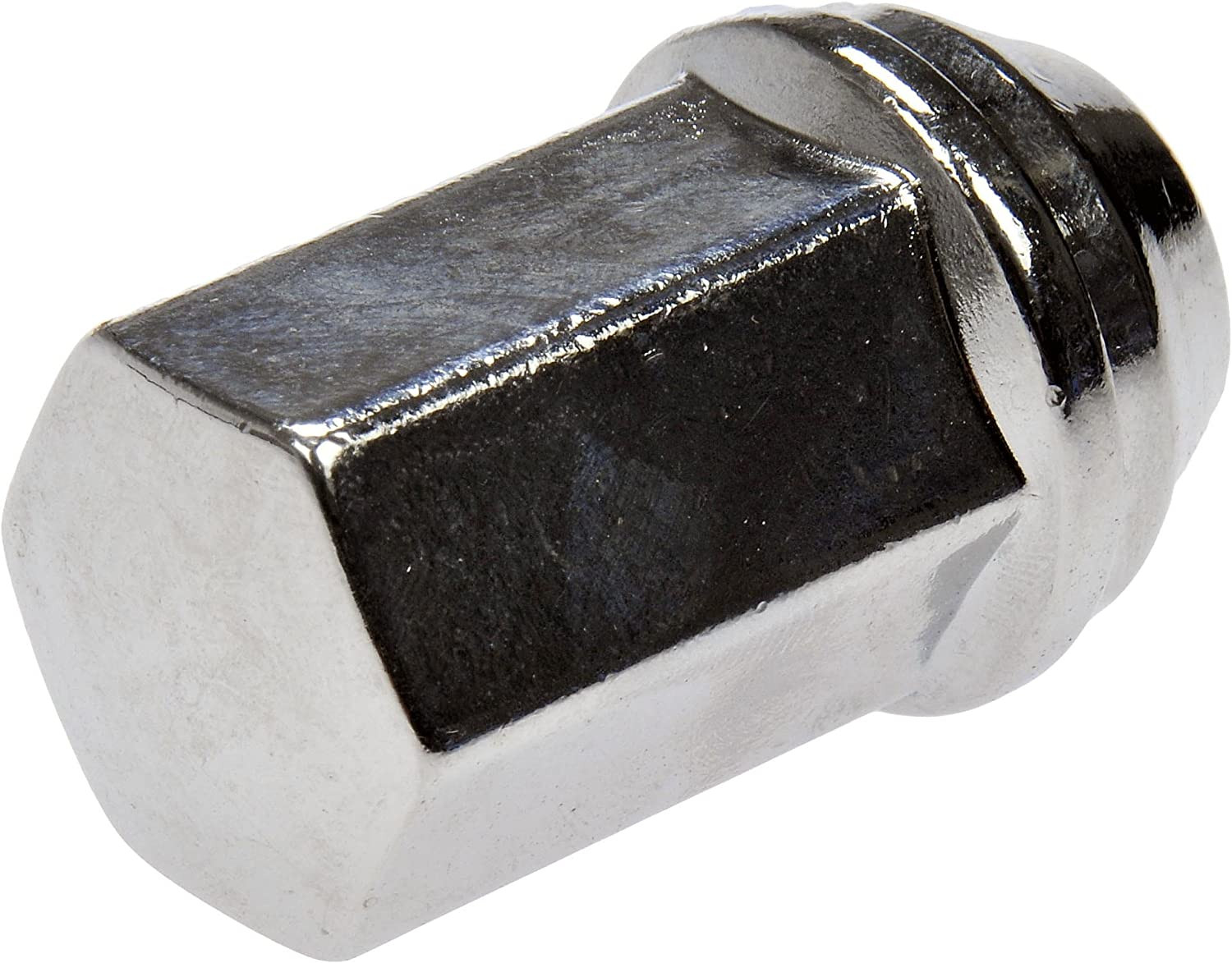
M14 x 1.5 · Thread match only; seat style is not verified
View on Amazon →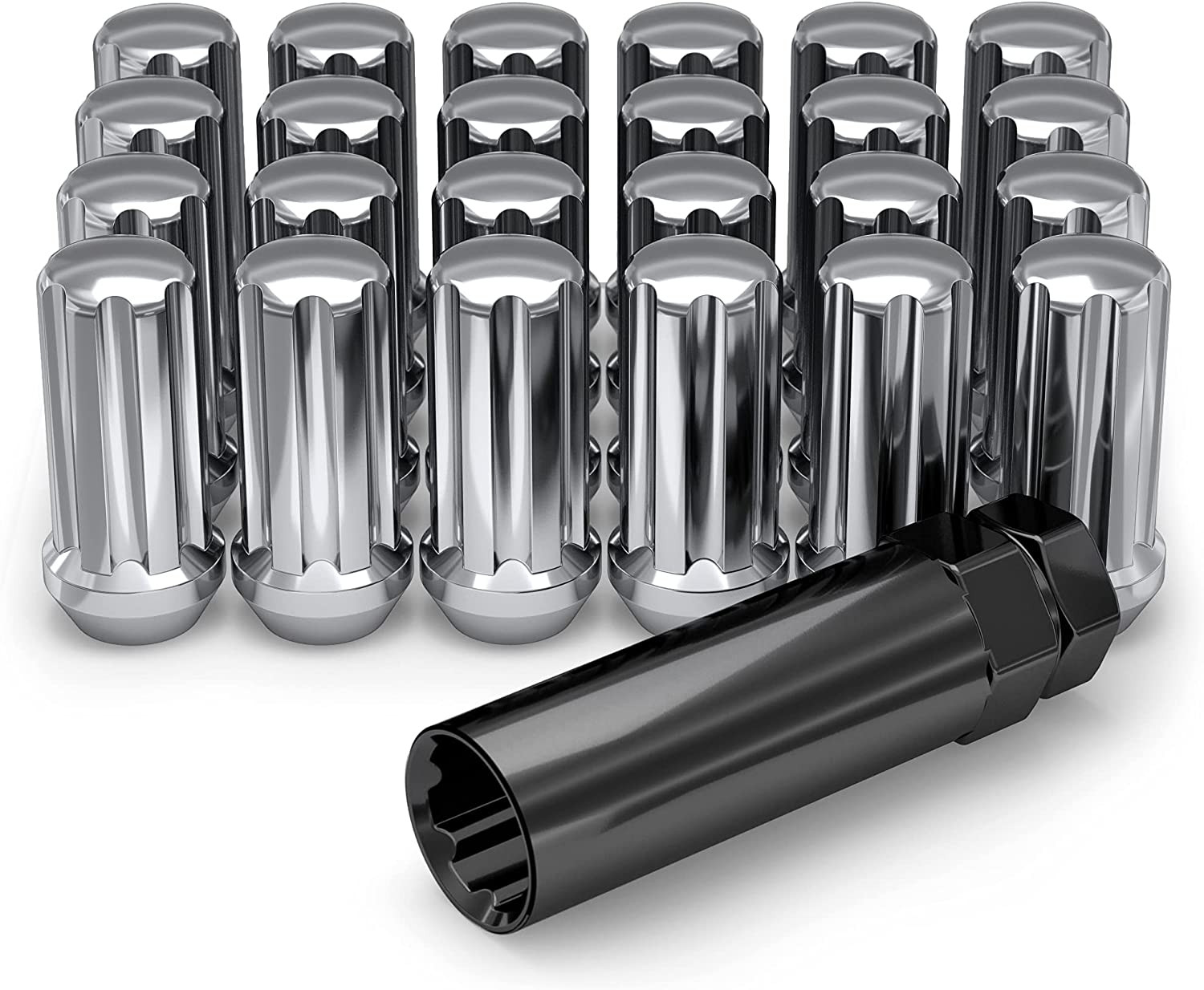
M14 x 1.5 · Thread match only; seat style is not verified
View on Amazon →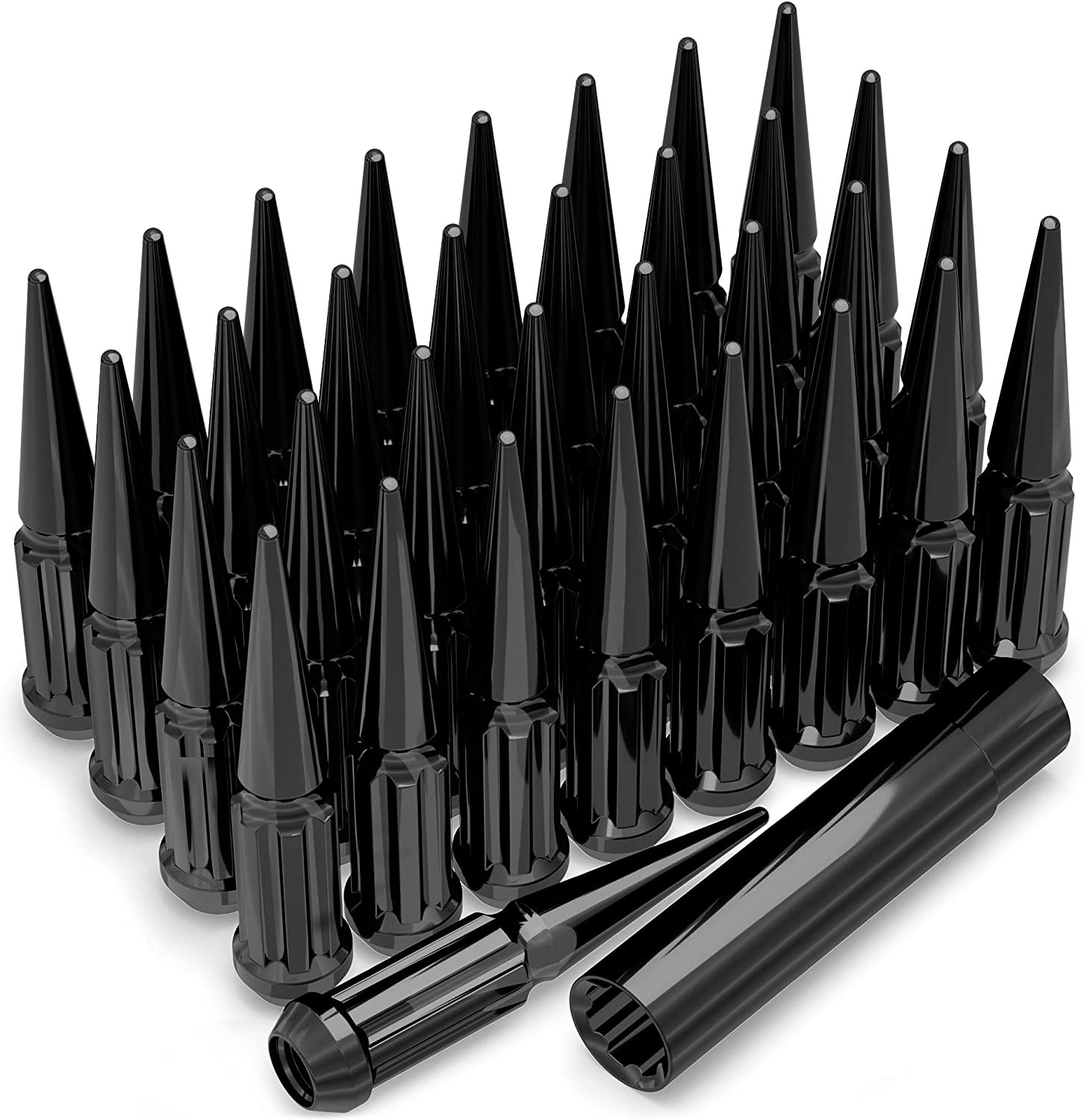
M14 x 1.5 · Thread match only; seat style is not verified
View on Amazon →As an Amazon Associate we earn from qualifying purchases. Product availability and pricing may change.
I learned long ago that the easiest way to get wheels right is to start from verified numbers, then grow changes in small, controlled steps. Think of it as building a mental model of space around your brakes, struts, and fenders, then using the on-page calculator to test that model before you spend money.
Here is the confirmed factory baseline for a 2017 Audi R8, based on the data available on this page. Some trims use staggered setups, so rear specs may differ. If a value is missing for your exact trim, use the on-page calculator and your owner’s manual or dealer parts catalog to confirm.
| Spec | Value | Notes |
|---|---|---|
| Bolt pattern | 5x112 | 5 studs on a 112 mm circle |
| Center bore | 57.1 mm | Hub-centric reference. Aftermarket wheels with larger bores need rings. |
| Thread size | M14 x 1.5 | Wheel bolts on Audi applications |
| Rim diameter | 19 in | Known baseline size on this page |
| Rim width | 8.5 in | Baseline width. Rear width may vary by trim. |
| Wheel offset (ET) | 42 mm | Baseline offset for the listed wheel |
| Backspacing | 5.9 in | Relates to offset and width |
| Tire size | 245/35R19 | Baseline tire on the listed wheel |
Rule of thumb: use these as your anchor. If your car has a different factory option or pack, confirm those values with your VIN at an Audi parts counter, or in the service manual, then plug them into the calculator as the baseline on the “Installed on (your vehicle)” side.
Before I chase a big visual change, I like to test a small nudge. Open the calculator on this page and set “Installed on (your vehicle)” to the 2017 Audi R8. Leave the baseline values as shown. Now, in “Custom wheel size,” try one tweak at a time:
This tiny experiment builds intuition quickly. If you see inner clearance shrinking too much, revert or pair the width increase with slightly higher offset in the calculator. Think of it as finding balance, not chasing one number.
On the R8, brake barrel clearance is often the limiting factor. My mental model is three rings of space: inner barrel over the caliper, inboard face near the strut or upright, and outer edge near the fender. Here is how I approach each ring:
Hardware matters too. The R8 uses M14 x 1.5 wheel bolts and a 57.1 mm hub. If an aftermarket wheel has a larger center bore, use hub-centric rings sized 57.1 mm inner to the wheel’s outer bore. The outer diameter varies by wheel brand, so measure or ask the vendor.
Here is the mental model that keeps me out of trouble:
If your R8 trim came with a staggered rear from the factory, rear wheel and tire sizes can differ from the front baseline shown here. That variation is normal. Confirm your exact trim’s OEM rear sizes via your VIN and use those as the “Installed on” baseline for the rear comparison in the calculator.
Paper fitment is a great start, but I like a quick physical validation before I call it good:
You now have a clean baseline for a 2017 Audi R8 and a practical way to explore changes without guesswork. Start from the confirmed specs, make one small change in the calculator, and watch inner and outer clearance, barrel clearance, and tire diameter. If your trim differs, confirm with OEM sources by VIN and set those values as your baseline in the tool. With that, your choices become informed and confident, and the end result feels right the first time.
Wheel interchange depends on more than bolt pattern. Where data is available, this site compares recorded OEM values:
A normal wheel spacer does not change bolt pattern. Hub rings cannot enlarge a wheel bore that is smaller than the hub. Brake clearance and tire package fitment still require vehicle-specific checks when not confirmed in the dataset.
