OEM wheel and tire fitment specs for the 2019 Audi RS 5, including bolt pattern (PCD), center bore diameter, thread size, rim diameter, rim width, wheel offset, and backspacing.
Recorded OEM specifications for the 2019 Audi RS 5, donor years with overlapping ranges, and a calculator to compare a selected wheel. Range overlap is not a guaranteed fit.
Multiple OEM configurations exist for this vehicle. Fitment can vary by trim, brakes, and factory wheel package – confirm your exact setup before buying.
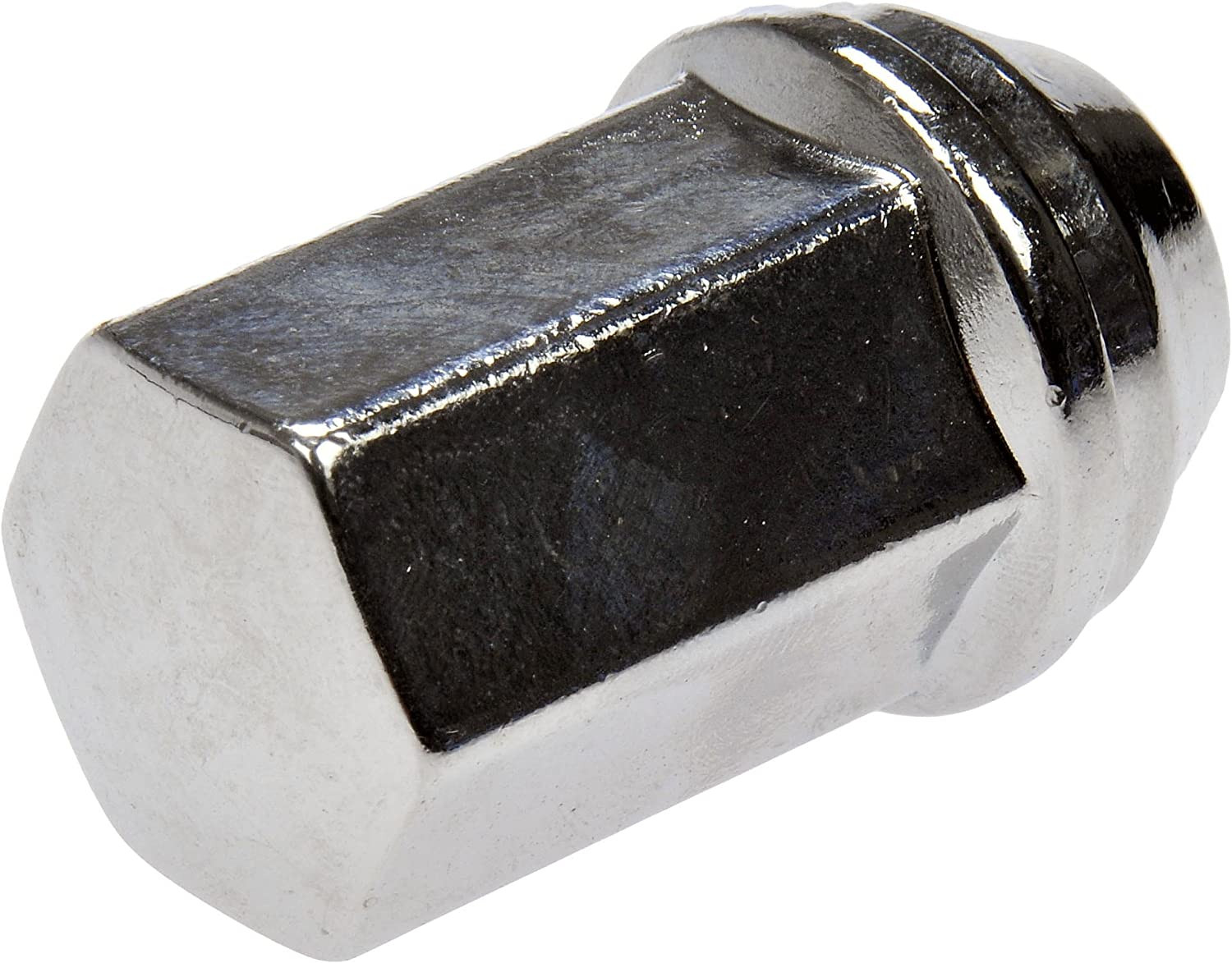
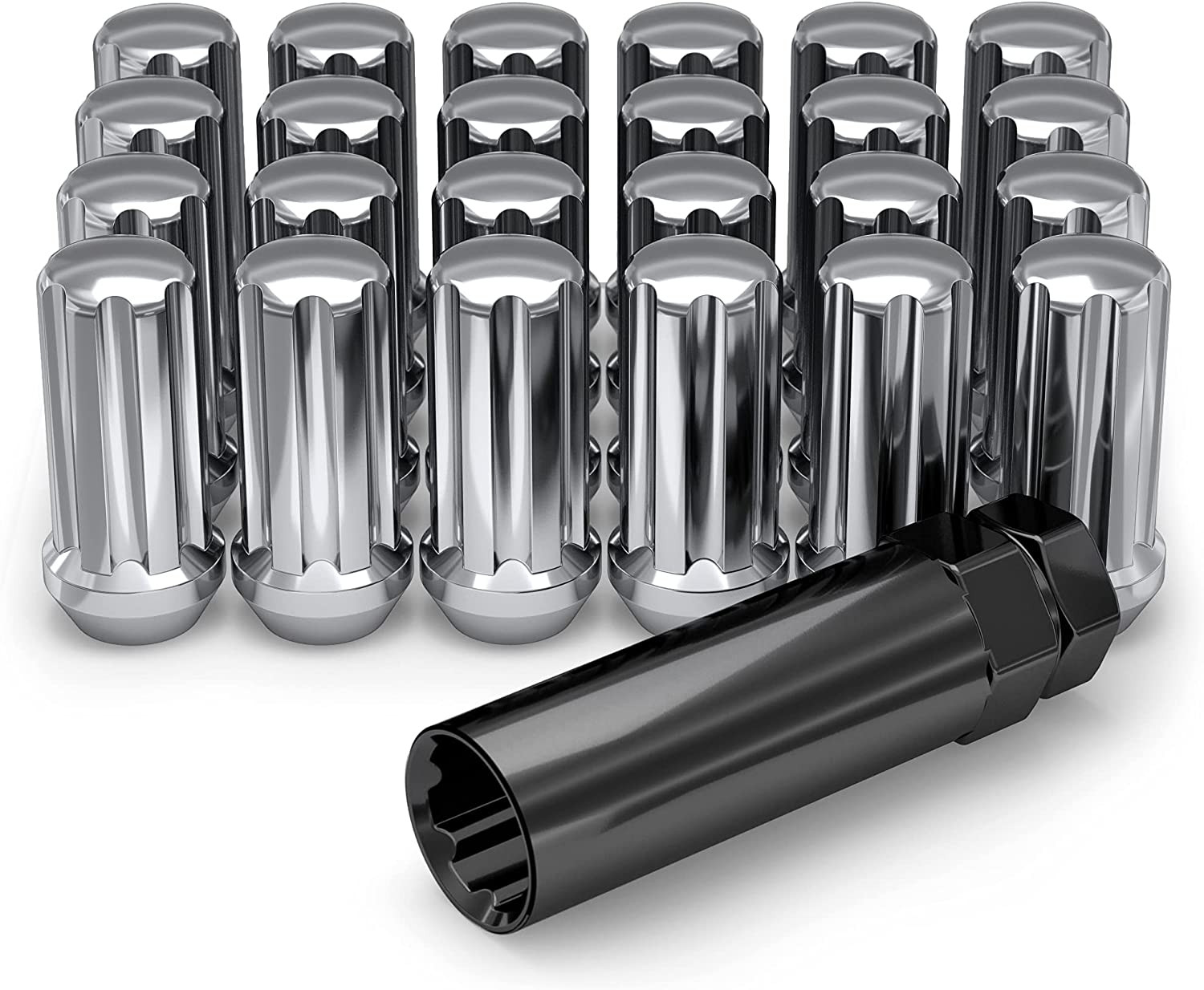
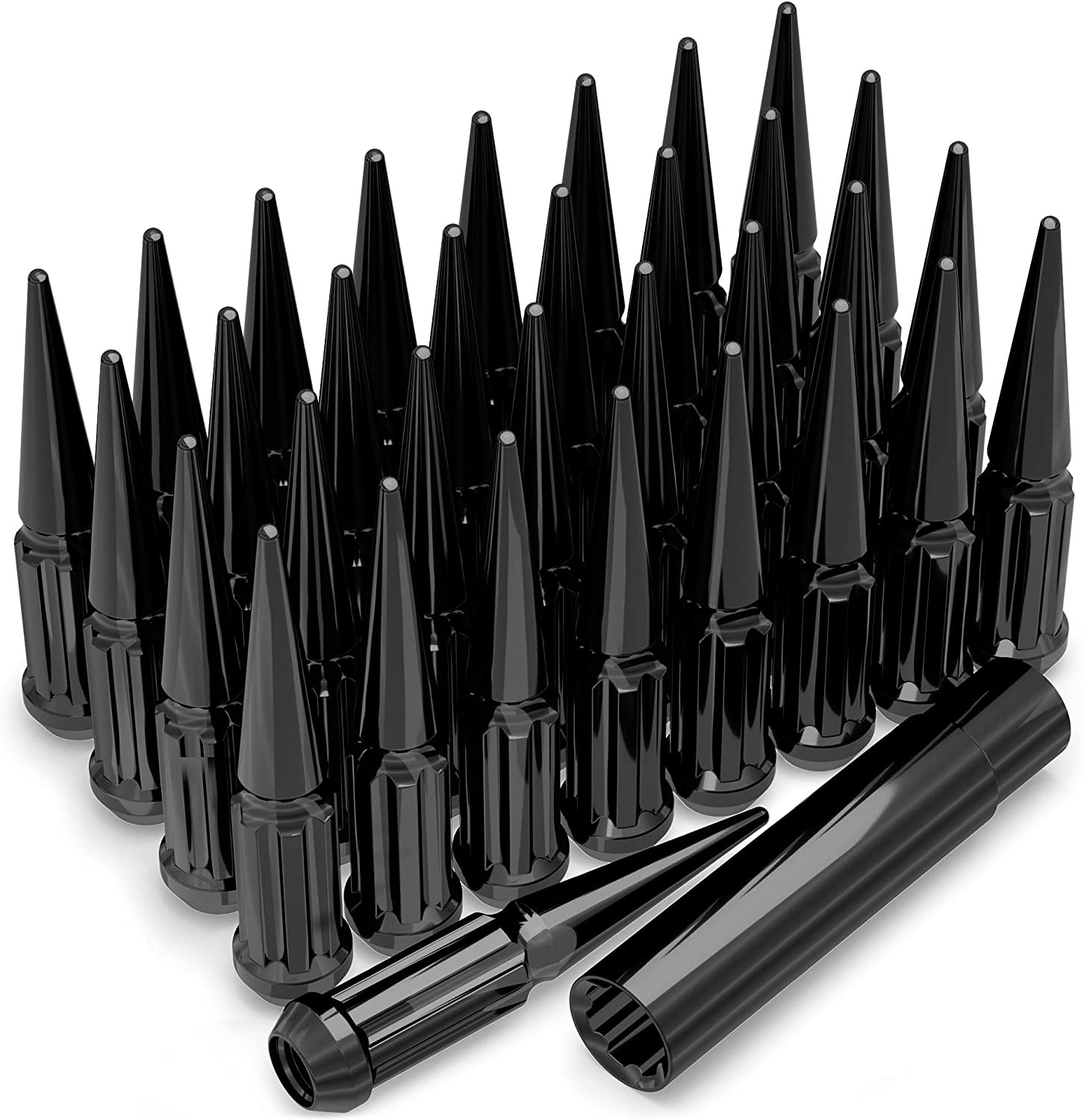
Thread-only product links are shopping examples, not verified fits. Seat style is not confirmed here. As an Amazon Associate we earn from qualifying purchases.
Donor vehicles with overlapping OEM specs
These are vehicle-year records whose recorded OEM ranges overlap this 2019 Audi RS 5. Overlap is not a guarantee that a specific wheel will install. Selected-wheel comparison is in the calculator below.
Evaluated 93 donor years. Listed 24 eligible overlaps (not all evaluated years are compatible). Showing all listed.
Wheel geometryOEM width/offset ranges overlap (not a specific wheel)
Approximate position vs the mid OEM package: outer change 11.35 mm, inner change 1.35 mm. This uses aggregated width/offset ranges, not a specific wheel.
Wheel geometryOEM width/offset ranges overlap (not a specific wheel)
Recorded OEM bolt pattern, center bore, and width/offset ranges overlap. This is not a guarantee that every wheel from the donor year fits this vehicle.
Wheel geometryOEM width/offset ranges overlap (not a specific wheel)
Recorded OEM bolt pattern, center bore, and width/offset ranges overlap. This is not a guarantee that every wheel from the donor year fits this vehicle.
OEM specs overlapOEM ranges overlap – confirm the specific wheel
Bolt pattern5x112 · Same recorded PCD
Center bore66.5 mm · same recorded hub figure
Wheel geometryOEM width/offset ranges overlap (not a specific wheel)
Approximate position vs the mid OEM package: outer change -6.35 mm, inner change -6.35 mm. This uses aggregated width/offset ranges, not a specific wheel.
Wheel geometryOEM width/offset ranges overlap (not a specific wheel)
Approximate position vs the mid OEM package: outer change -7.35 mm, inner change -5.35 mm. This uses aggregated width/offset ranges, not a specific wheel.
Dataset suggestionWheel spacer ≈ 16.35 mm – not a verified installation requirement.
A spacer of about 16.35 mm is a dataset suggestion only; clearance is not verified. Estimated outer position is about 16.35 mm farther inward than the mid OEM package.
Dataset suggestionWheel spacer ≈ 9.35 mm – not a verified installation requirement.
A spacer of about 9.35 mm is a dataset suggestion only; clearance is not verified. Estimated outer position is about 9.35 mm farther inward than the mid OEM package.
Audi RS 5 Years With Compatible Wheels
Only years with evidence-based interchange relationships are listed. Adjacent years are not assumed compatible.
Compare a donor vehicle or custom wheel against this 2019 Audi RS 5. Use Compare in calculator on a donor row above to fill the donor side of this same calculator.
Compare
Compare wheel compatibility between two vehicles
Wheels from (donor vehicle)
Selected Car:
Custom wheel size (optional)
Tip: change values here to simulate custom wheels and immediately see the impact in the comparison below.
Custom tire size (optional)
Installed on (your vehicle)
Selected Car:
2019 Audi RS 5
Compare Rims
Specification
Wheels from
Installed on
Result (Click it)
Bolt Pattern
The total number of bolt holes and the diameter of the circle they form.
-
5x112
Center Bore
The hole in the center of the wheel that fits over the vehicle’s hub.
-
66.5 mm
Thread Size
The size and spacing of the threads on the bolts or nuts that hold the wheel in place.
-
M14 x 1.5
Rim Diameter
The wheel diameter in inches that determines which tire sizes will fit.
-
19"
Rim Width
The distance between the inner edges of the wheel is measured in inches.
-
9.0"
Wheel Offset
How far the wheel sits inward or outward relative to the hub mounting surface.
-
24 mm
Backspacing
Shows how much space the wheel takes up toward the inside of the vehicle.
-
-
Wheel Fasteners
The type of hardware used to secure the wheel to the vehicle.
-
-
Compare Tires
Specification
Wheels from
Installed on
Result (Click it)
Section Width
The width of the tire from sidewall to sidewall, measured in millimeters.
-
-
Aspect Ratio
The height of the tire’s sidewall expressed as a percentage of its width.
-
-
Diameter
The wheel diameter for which the tire is designed to fit.
-
-
Tire Pressure
The recommended air pressure for safe and efficient driving.
-
-
Overall Diameter
The total height of the tire and wheel combined affects clearance and speedometer accuracy.
-
-
Wheel Fitment Parts for the 2019 Audi RS 5
Example products matched to recorded thread, hub, or spacer dimensions. They are not verified fits. Confirm seat style, thickness, and clearance before ordering.
As an Amazon Associate we earn from qualifying purchases. Product availability and pricing may change.
2019 Audi RS 5 Wheel Fitment Guide
You know the RS 5 is picky about wheels, but the details can feel murky. Let’s walk through the common myths, what the real constraints are, and how to sanity check a setup with the on-page calculator on wheelinterchange.com.
Quick recap - known OEM fitment for 2019 RS 5
Spec
Value
Bolt pattern
5x112
Center bore
66.5 mm
Thread size
M14 x 1.5
Rim diameter
20 in
Rim width
9.0 in
Offset (ET)
ET26
Backspacing
5.52 in
Tire size
265/35R19
Note the tire line shows R19, while the rim line shows 20 in. That is a mismatch. Trims and market packages can vary, and data sources sometimes mix them. Think of it as a flag to verify your exact OEM sizes from your door jamb label and owner’s manual, then plug that into the calculator for an accurate baseline.
Misconception 1: Any 5x112 Audi wheel will fit the 2019 RS 5
Why it seems true
Many Audis share 5x112, so it feels like a simple bolt-on situation.
What is true
Bolt pattern is only one constraint. The 2019 RS 5 also cares about a 66.5 mm center bore, the offset, the wheel width, brake caliper clearance, and load rating. You already have several OEM points above, and the calculator lets you compare inner clearance and outer poke against your baseline.
Implications
Get those factors wrong and you can see vibration, rubbing, or odd steering feel. Even if it physically bolts up, a poor offset-width combo can push the tire into liners or sit too far out.
Quick tests
Enter your verified OEM setup in the calculator as “Installed on (your vehicle).”
Set the donor wheel to the candidate size and compare inner clearance and outer poke.
Match or exceed the 66.5 mm hub with hub-centric rings if the wheel bore is larger.
Confirm the wheel sits over the RS 5 brakes with a careful test fit before mounting tires.
Misconception 2: Offset is flexible as long as the tire is the same
Why it seems true
Offset is a small number and wheels with the same tire size often look fine from outside.
What is true
Offset and width act together. Change width and you change where the inner lip and outer lip land. The mental model is simple - lower ET pushes the wheel outward, higher ET pulls it inward. The calculator will show inner clearance and outer poke shifts when you change width or ET.
Implications
Too much inward move risks rubbing struts or control arms. Too much outward move can contact fenders under compression. Small changes tend to be easier to live with. Larger changes ask for exact checking and possibly alignment tweaks.
Quick tests
Use the “Custom wheel size” fields to try width and ET changes and watch both inner and outer movements.
Look for enough inner clearance at full lock and over bumps during a slow test drive.
Misconception 3: Hub-centric rings are optional on Audi
Why it seems true
Aftermarket wheels often bolt up fine with larger bores and it can feel okay in the garage.
What is true
The RS 5 hub is 66.5 mm. If the wheel’s center bore is larger, use hub-centric rings so the wheel centers on the hub lip. The wheel fasteners use M14 x 1.5 threads, but threads are not a centering feature. A ring makes the assembly run true.
Implications
Skipping rings when the bore is larger can show up as highway vibration that balancing will not fully cure.
Quick tests
Measure the wheel bore and confirm it is 66.5 mm or larger.
If larger, add rings with 66.5 mm inner diameter and your wheel’s bore as the outer diameter.
Misconception 4: A 19 inch tire can seat on a 20 inch wheel
Why it seems true
R sizes and aspect ratios are confusing at a glance, and the numbers look close.
What is true
The tire rim diameter must match the wheel diameter. R19 tires are for 19 inch wheels. R20 tires are for 20 inch wheels. The calculator reflects this by updating tire diameter when you change rim diameter in the custom fields.
Implications
If your car shipped on 20 inch wheels but you see 265/35R19 in a spec table, treat it as a cue to verify your exact trim. Different markets and packages happen. Use your door sticker and manual as primary sources.
Quick tests
Open the driver door and read the OEM tire size and pressures from the jamb label.
Match that size in the calculator for your baseline. Then experiment with alternatives.
Confirm load index meets or exceeds OEM on any replacement tire.
Using the wheelinterchange.com calculator for the 2019 RS 5
Here is a simple workflow that keeps things clear.
Set “Installed on (your vehicle)” to your verified OEM wheel and tire sizes. Use the door label and manual to confirm the tire size if our table looks different.
For “Wheels from (donor vehicle)”, either pick a known donor or key in the “Custom wheel size” with desired rim diameter, width, and offset.
Adjust “Custom tire size” so the rim diameter matches the wheel and the overall diameter remains close to OEM for speedometer accuracy.
Watch inner clearance and outer poke. Aim for changes that do not remove needed inner space and do not push the tire beyond the fender line.
Record the before and after track width change and backspacing. The goal is a balanced change that fits your use case without rubbing.
Hardware details and sanity checks
Fastener threads are M14 x 1.5. Seat type can vary by wheel, so verify before buying hardware. If you are installing aftermarket wheels, a wheel hanger makes mounting simpler on cars that use bolts.
Clean the hub face and wheel mounting pad for proper seating.
Confirm full thread engagement of the fasteners. Avoid anything that bottoms out or feels short.
Torque to the specification in your owner’s manual, then recheck after a short drive.
A normal wheel spacer does not change bolt pattern. Hub rings cannot enlarge a wheel bore that is smaller than the hub. Brake clearance and tire package fitment still require vehicle-specific checks when not confirmed in the dataset.