- Bolt pattern5x112 · Same recorded PCD
- Center bore66.5 mm · same recorded hub figure
- Wheel geometryNot fully recorded
Wheel width/offset data is incomplete.
Recorded OEM specifications for the 2023 Audi RS 5, donor years with overlapping ranges, and a calculator to compare a selected wheel. Range overlap is not a guaranteed fit.
Save these wheel specs to your Ownery garage
Baseline mounting dimensions used for interchange decisions.
Thread-only product links are shopping examples, not verified fits. Seat style is not confirmed here. As an Amazon Associate we earn from qualifying purchases.
These are vehicle-year records whose recorded OEM ranges overlap this 2023 Audi RS 5. Overlap is not a guarantee that a specific wheel will install. Selected-wheel comparison is in the calculator below.
Evaluated 7 donor years. Listed 7 eligible overlaps (not all evaluated years are compatible). Showing all listed.
Only years with evidence-based interchange relationships are listed. Adjacent years are not assumed compatible.
Compare a donor vehicle or custom wheel against this 2023 Audi RS 5. Use Compare in calculator on a donor row above to fill the donor side of this same calculator.
Compare wheel compatibility between two vehicles
2023 Audi RS 5





Example products matched to recorded thread, hub, or spacer dimensions. They are not verified fits. Confirm seat style, thickness, and clearance before ordering.
M14 x 1.5
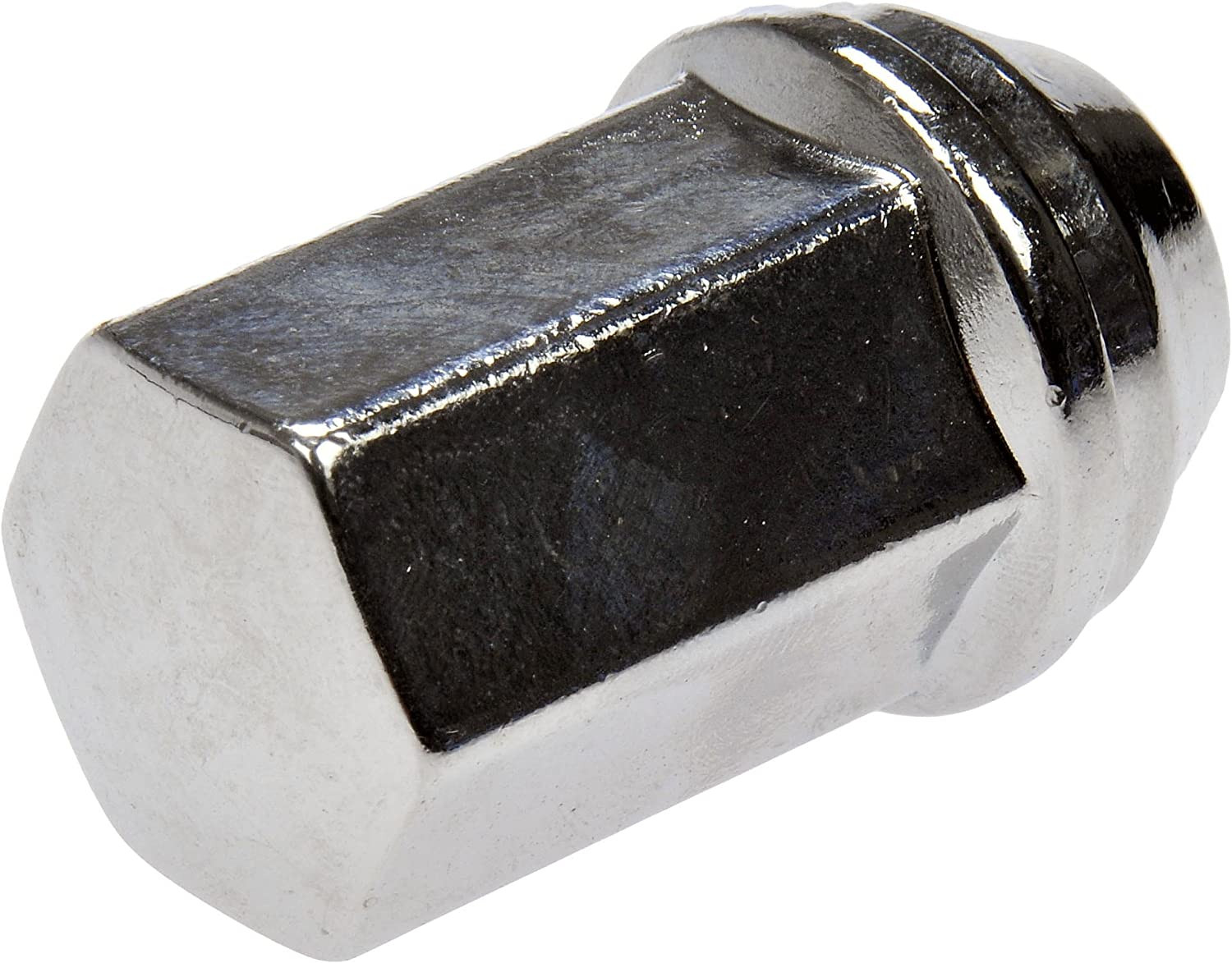
M14 x 1.5 · Thread match only; seat style is not verified
View on Amazon →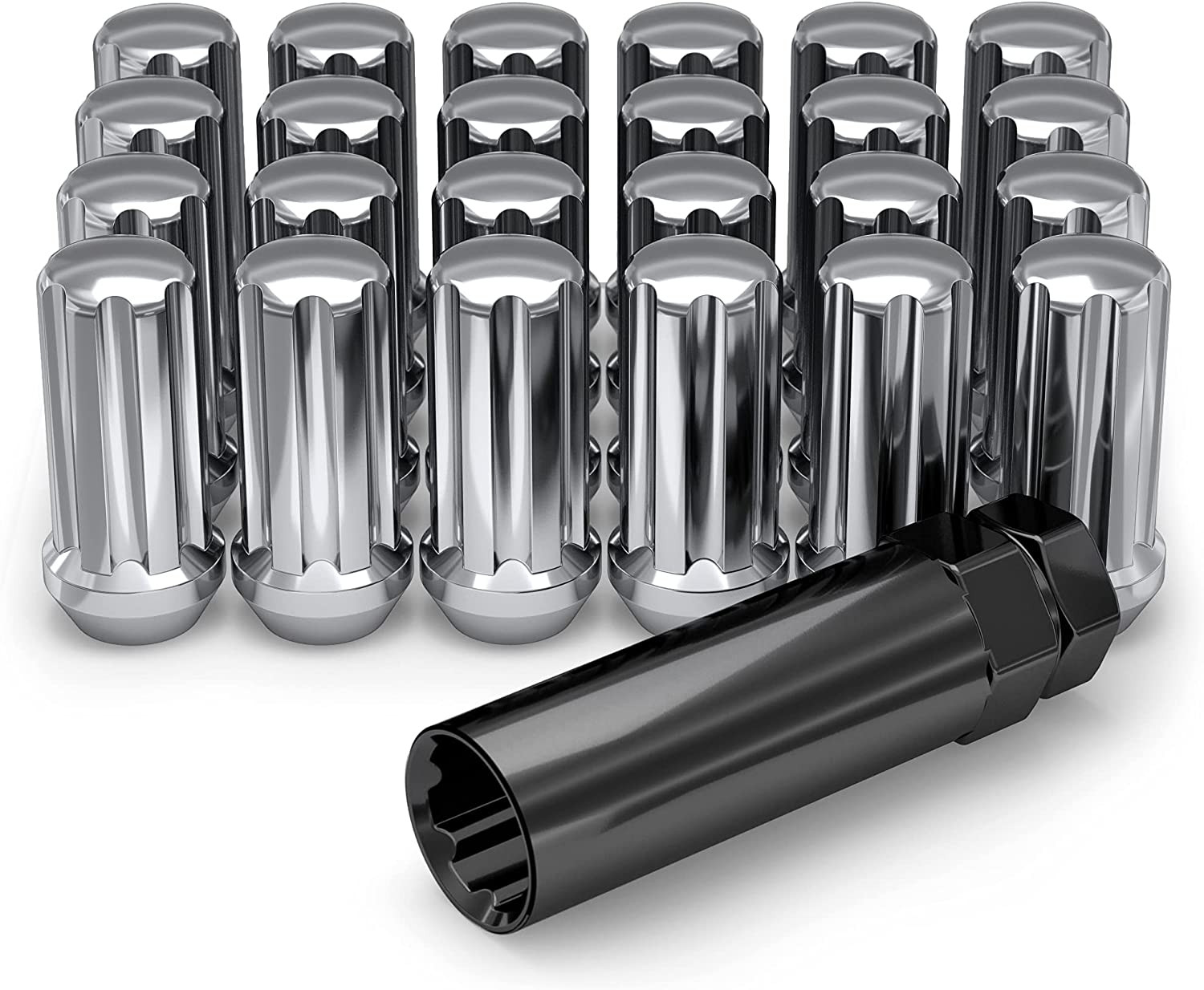
M14 x 1.5 · Thread match only; seat style is not verified
View on Amazon →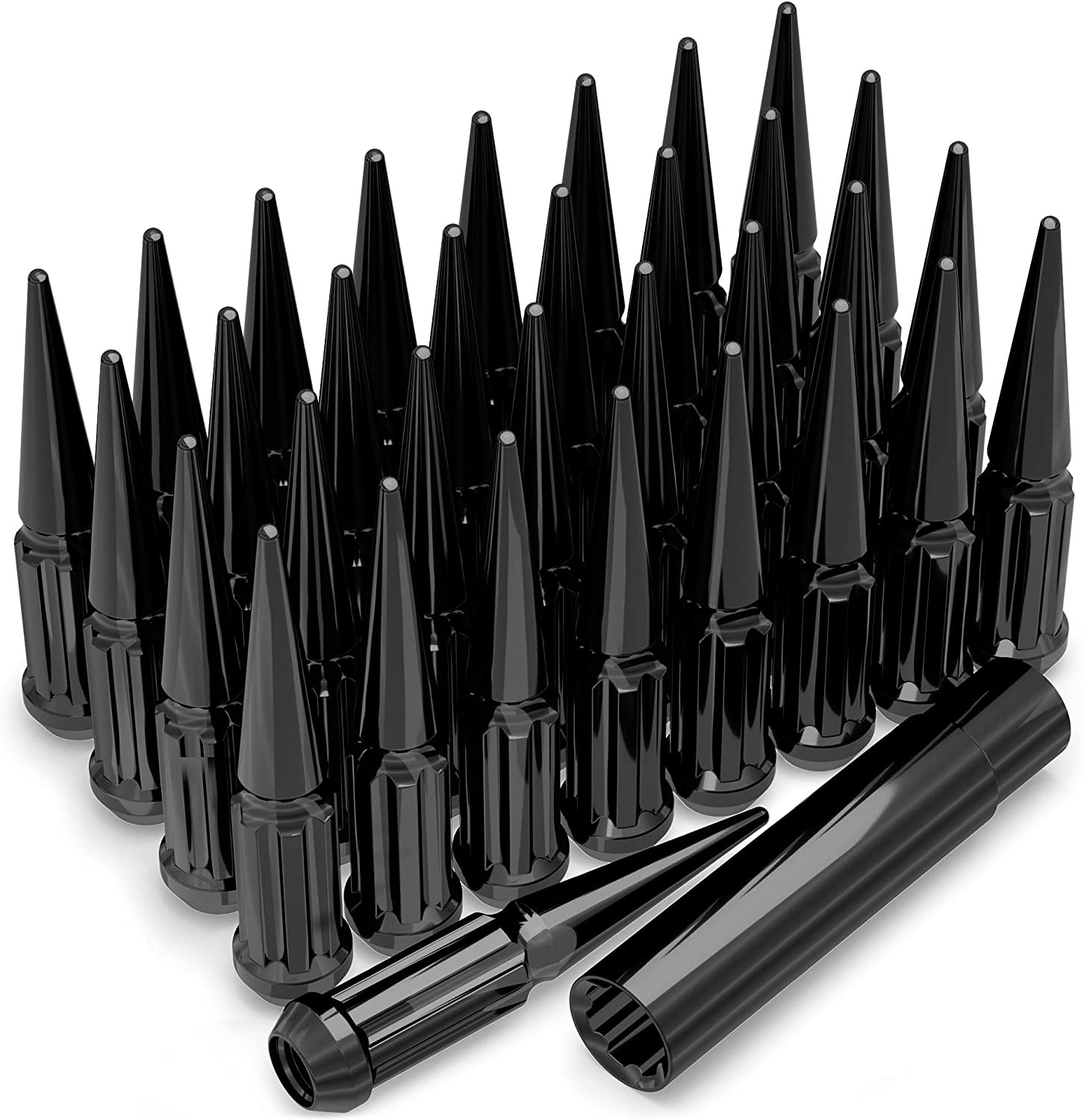
M14 x 1.5 · Thread match only; seat style is not verified
View on Amazon →As an Amazon Associate we earn from qualifying purchases. Product availability and pricing may change.
Misconception: swapping wheels on a 2023 Audi RS 5 is just a matter of matching diameter. I used to think that too. It’s easy to focus on rim size and overlook studs, center bore, threads, and offset.
Why it matters: wrong fitment can lead to vibration, loose lug nuts, rubbing, or worse. Think of it as a systems check. Use the on-page calculator and factory sources to fill gaps you don’t know yet.
Misconception: any 5-lug wheel from Audi will fit. Why it seems true: many Audis share five studs. What is true: the pitch circle diameter must match 112 mm. Implications: wrong PCD means the wheel won’t sit on the hub or the bolts won’t line up. Quick tests: remove a wheel and measure the PCD or use a PCD gauge, or check the wheel stamping and OEM sheet.
Misconception: a slightly larger center bore is okay. Why it seems true: the lug nuts can pull the wheel tight. What is true: an oversized bore without a proper hub-centric ring can produce vibration and stress on studs. Implications: use hub-centric rings to match 66.5 mm to the wheel bore, or confirm the wheel is hub-centric to 66.5. Quick tests: dry-fit the wheel, spin and feel for wobble; measure bore with calipers.
Misconception: lug nuts are interchangeable. Why it seems true: many nuts look similar. What is true: this RS 5 uses M14 x 1.5 threads. Implications: wrong threads can strip studs or cross-thread, a safety hazard. Quick tests: check the owner’s manual, remove a lug to inspect threads, or measure with a thread gauge.
Misconception: a small offset change is harmless. Why it seems true: a few millimeters feels insignificant. What is true: even moderate offset shifts change scrub radius and caliper clearance. Implications: excessive negative offset can cause rubbing or stress suspension components. Quick tests: use the calculator to preview offset effects, measure backspacing, and test-fit before final torque.
| Specification | Value |
|---|---|
| Bolt pattern | 5x112 |
| Center bore (mm) | 66.5 |
| Thread size | M14 x 1.5 |
| Rim diameter (in) | Unknown - confirm with OEM, door placard, or the calculator |
| Rim width (in) | Unknown - confirm with OEM or factory wheel stamping |
| Wheel offset (ET, mm) | Unknown - varies by wheel option and trim; check factory spec |
| Backspacing (in) | Unknown - calculate from width and offset or measure physically |
| Tire section width (mm) | Unknown - depends on factory tire choice |
| Tire aspect ratio (%) | Unknown - depends on factory or optional tires |
| Tire rim diameter (R) | Unknown - confirm with sticker or dealer |
Quick recap: we list the confirmed bolt pattern, center bore, and thread size. Other specs vary by trim or option and should be verified.
If you have a flat, use the factory spare or the Audi tire repair kit when available. Think of it as a temporary measure to get to a safe repair location. If you must swap wheels roadside, use the matching lug nuts and torque to spec, and drive slowly to a shop for verification.
If a wheel vibrates after replacement, stop and recheck the wheel mounting, lug torque, and hub-centric fit before further driving. Vibration can mean the wheel didn’t center properly or a nut is loose.
Why it seems true: same brand sometimes shares patterns. What is true: matching 5x112 helps, but check center bore and offset. Use the calculator to compare actual fitment.
Why it seems true: many wheels seem to sit fine without rings. What is true: rings that match 66.5 mm center bore to the wheel reduce vibration. Quick test: dry-fit and feel for wobble at low speed.
Use the door jamb placard, owner’s manual, factory wheel stamping, or contact a dealer. The on-page calculator can help you explore plausible sizes until you confirm exact specs.
Search parts by thread size and bore dimension. For example, hub centric rings sized to 66.5 mm are common. If you want a quick parts search, try this tool search: hub centric rings 66.5 on Amazon.
I’m a peer sharing practical fitment guidance, not a substitute for official specs. We must not invent or assume unknown factory values. If a spec is listed above as unknown, confirm it with the door placard, owner’s manual, OEM dealer, or the on-page calculator before purchasing or installing wheels. Incorrect fitment can cause loss of control, damage, or injury. When in doubt, consult a qualified technician.
Wheel interchange depends on more than bolt pattern. Where data is available, this site compares recorded OEM values:
A normal wheel spacer does not change bolt pattern. Hub rings cannot enlarge a wheel bore that is smaller than the hub. Brake clearance and tire package fitment still require vehicle-specific checks when not confirmed in the dataset.
