- Bolt pattern5x112 · Same recorded PCD
- Center bore66.5 mm · same recorded hub figure
- Wheel geometryNot fully recorded
Wheel width/offset data is incomplete.
Recorded OEM specifications for the 2023 Audi SQ5, donor years with overlapping ranges, and a calculator to compare a selected wheel. Range overlap is not a guaranteed fit.
Save these wheel specs to your Ownery garage
Baseline mounting dimensions used for interchange decisions.
Thread-only product links are shopping examples, not verified fits. Seat style is not confirmed here. As an Amazon Associate we earn from qualifying purchases.
These are vehicle-year records whose recorded OEM ranges overlap this 2023 Audi SQ5. Overlap is not a guarantee that a specific wheel will install. Selected-wheel comparison is in the calculator below.
Evaluated 9 donor years. Listed 9 eligible overlaps (not all evaluated years are compatible). Showing all listed.
Only years with evidence-based interchange relationships are listed. Adjacent years are not assumed compatible.
Compare a donor vehicle or custom wheel against this 2023 Audi SQ5. Use Compare in calculator on a donor row above to fill the donor side of this same calculator.
Compare wheel compatibility between two vehicles
2023 Audi SQ5





Example products matched to recorded thread, hub, or spacer dimensions. They are not verified fits. Confirm seat style, thickness, and clearance before ordering.
M14 x 1.5
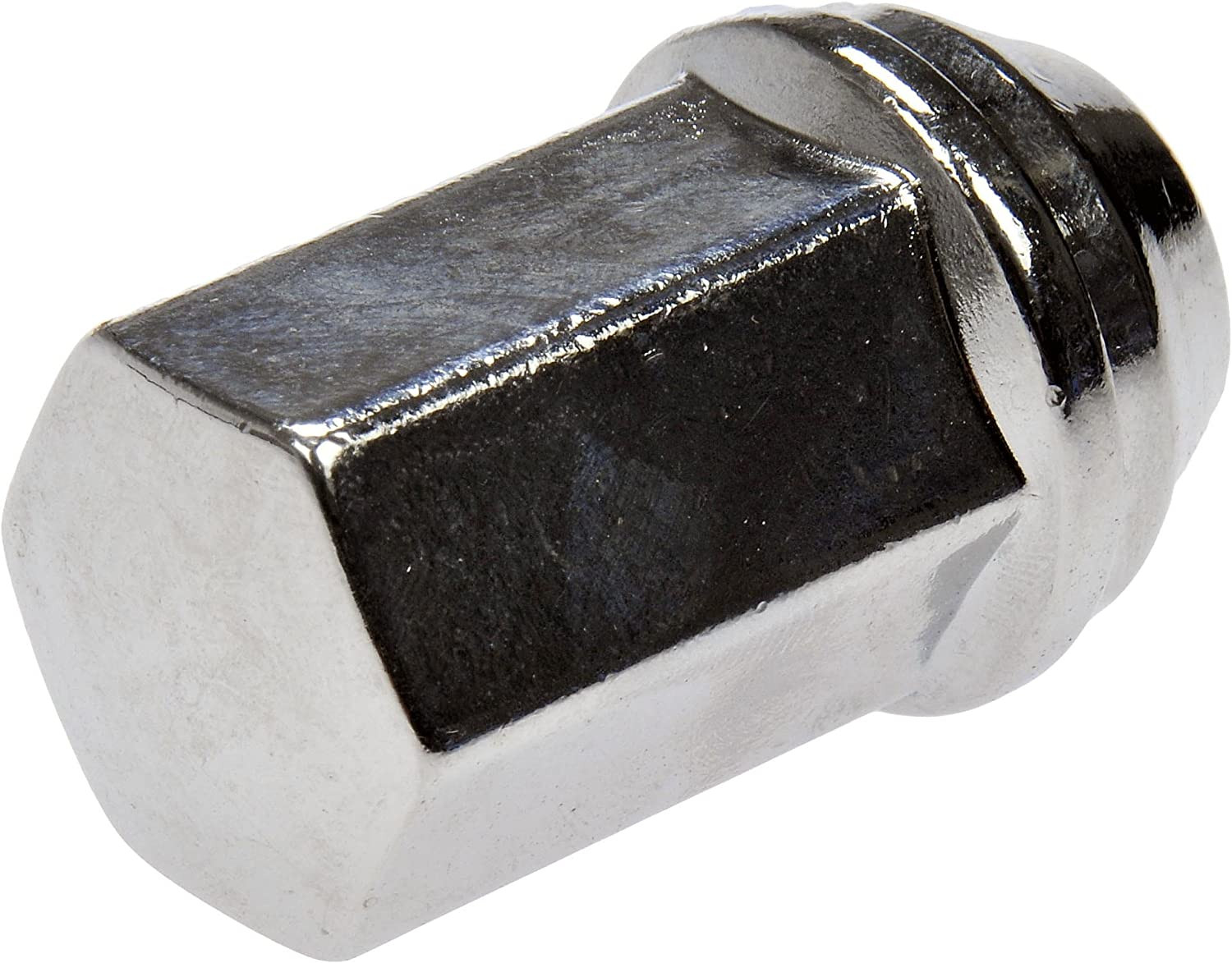
M14 x 1.5 · Thread match only; seat style is not verified
View on Amazon →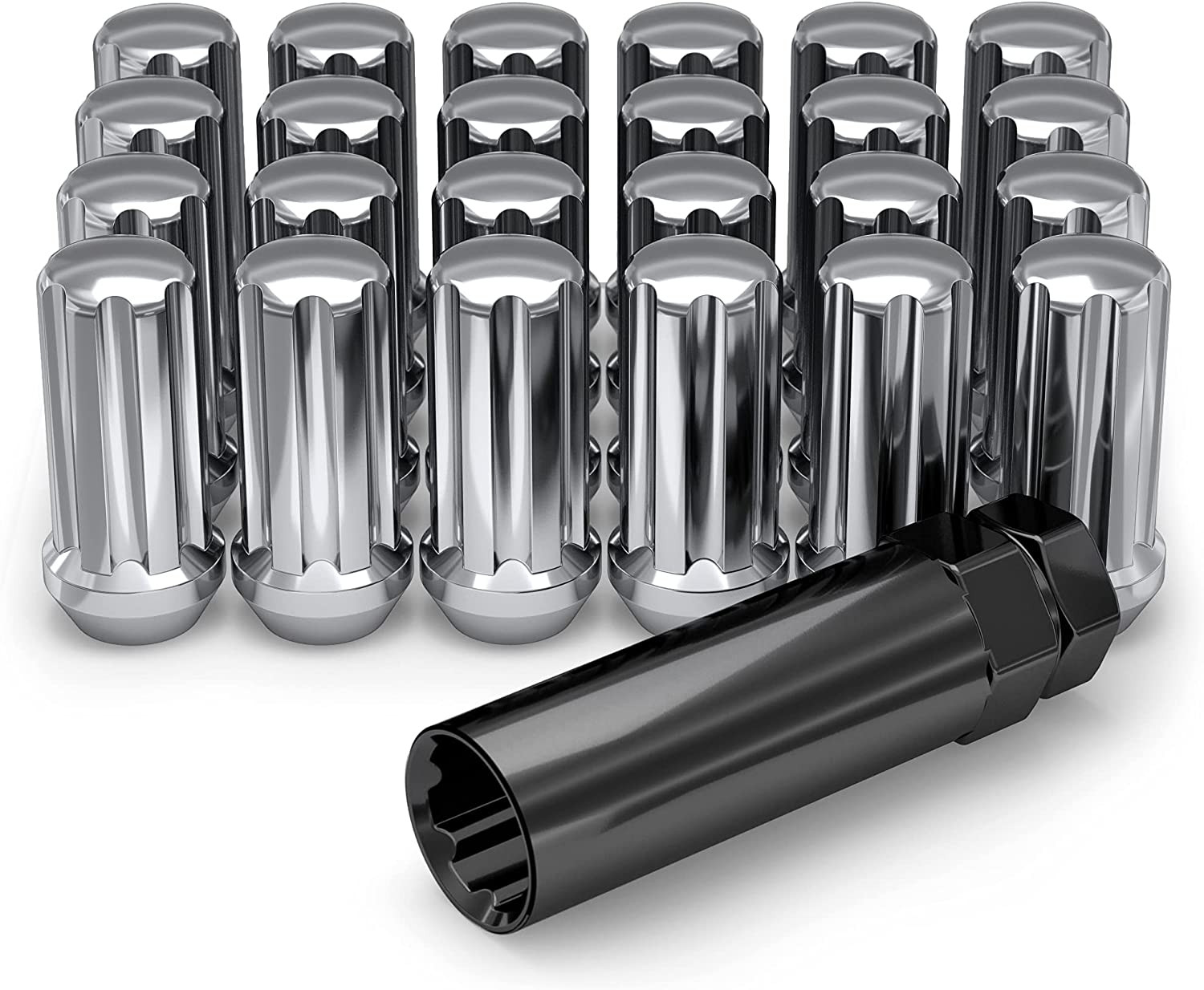
M14 x 1.5 · Thread match only; seat style is not verified
View on Amazon →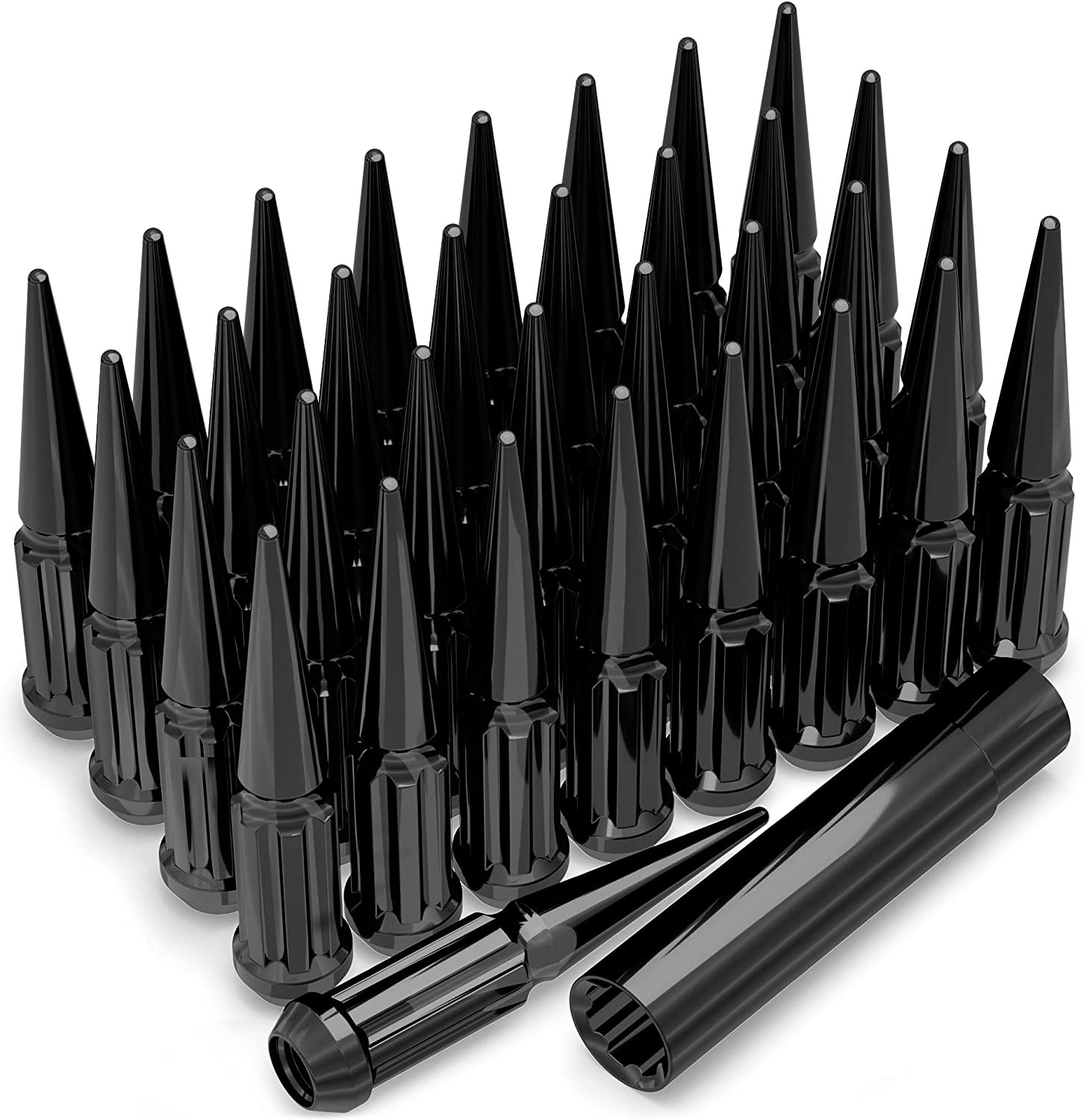
M14 x 1.5 · Thread match only; seat style is not verified
View on Amazon →As an Amazon Associate we earn from qualifying purchases. Product availability and pricing may change.
Use wheels with 5x112 bolt pattern, 66.5 mm center bore, and M14 x 1.5 threads. Rim diameter, rim width, offset, backspacing, and tire sizes vary by trim and are unknown here. Use the on-page calculator and OEM sources to confirm fitment before buying or installing.
Follow a lifecycle approach: plan, select, verify, install, and validate. Start by collecting exact rim and tire sizes from the vehicle placard or OEM manual. Use the site calculator to simulate candidate wheels and tires. Prioritize correct bolt pattern, hub centering, brake clearance, and TPMS compatibility. Buy hardware sized for M14 x 1.5 threads and appropriate seat type. If the wheel center bore is larger, use hubcentric rings sized to 66.5 mm hub diameter and the wheel bore.
| Specification | Value |
|---|---|
| Bolt pattern (studs x PCD) | 5x112 |
| Center bore (mm) | 66.5 |
| Thread size | M14 x 1.5 |
| Rim diameter (in) | Unknown – confirm with placard or dealer |
| Rim width (in) | Unknown – confirm with placard or dealer |
| Wheel offset (ET, mm) | Unknown – confirm before choosing wheels |
| Backspacing (in) | Unknown – calculate from wheel spec sheet |
| Tire section width (mm) | Unknown – use recommended OEM sizes |
| Tire aspect ratio (%) | Unknown – use recommended OEM sizes |
| Tire rim diameter (R) | Unknown – confirm OEM or dealer |
Correct bolt pattern and thread size ensure secure fastening. Proper center bore and hub centering reduce vibration. Accurate offset and backspacing preserve steering, suspension geometry, and fender clearance. Matching tire overall diameter keeps speedometer accuracy and drivetrain calibration. Using the calculator avoids common mismatches before purchase.
Checklist and next steps to finish quickly and safely.
Tool suggestion: search for hubcentric rings or M14 lug nuts on Amazon to compare options.
Next steps: run a calculator comparison, confirm OEM specs, then procure wheels and hardware. If you want, provide a candidate wheel size and I will evaluate clearance and fit using the calculator logic.
Wheel interchange depends on more than bolt pattern. Where data is available, this site compares recorded OEM values:
A normal wheel spacer does not change bolt pattern. Hub rings cannot enlarge a wheel bore that is smaller than the hub. Brake clearance and tire package fitment still require vehicle-specific checks when not confirmed in the dataset.
