2002 BMW M5 Wheel Fitment Guide | wheelinterchange.com
Known OEM Fitment For 2002 BMW M5
The values below reflect a known OEM baseline for at least one factory configuration. This model may have trim-specific or staggered setups that differ. If your vehicle markings differ from this list, verify against your owner’s manual, the wheel label on the wheel itself, or BMW dealer documentation. You can also compare variations with the on-page calculator.
| Bolt pattern (studs x PCD) | 5x120 |
| Center bore (mm) | 74.1 |
| Thread size | M12 x 1.5 |
| Rim diameter (in) | 17 |
| Rim width (in) | 8.0 |
| Wheel offset (ET, mm) | 20 |
| Backspacing (in) | 4.79 |
| Tire section width (mm) | 245 |
| Tire aspect ratio (%) | 40 |
| Tire rim diameter (R) | 18 |
Note: The tire entry above indicates a common factory tire size of 245/40R18, while the rim line shows a 17 inch wheel. Some vehicles were supplied with different wheel options. If your door jamb label, owner’s manual, or existing wheel markings indicate a different size, use that as your baseline and confirm with the calculator and BMW documentation.
How To Use The Wheel Interchange Calculator
The calculator compares Wheels from (donor vehicle) vs Installed on (your vehicle), and lets you try a Custom wheel size and Custom tire size. Follow these steps:
- Set Installed on to 2002 BMW M5, then confirm the baseline specs match your vehicle. If not, manually enter your actual OEM wheel and tire size from your owner’s manual or door label.
- Enter the donor setup. This can be another vehicle’s wheels or the custom specs you want to test.
- Adjust Custom wheel size. Change rim diameter, width, and offset. The calculator will show inner and outer clearance changes relative to your baseline.
- Adjust Custom tire size. Change section width and aspect ratio. When you change rim diameter, the calculator updates overall tire diameter to maintain proper comparisons.
- Check overall diameter difference. Keep total tire diameter change small, ideally within about 1 to 2 percent, and not more than about 3 percent to help protect ABS, DSC, and speedometer accuracy.
- Review inner barrel and strut clearance, fender poke, and scrub radius change. Confirm the new offset and width do not create interference.
- Record the resulting backspacing and poke, then physically test fit when possible before mounting tires.
Fitment Checklist Before You Buy
Use this quick list to avoid vibration, rubbing, or hardware issues on your 2002 BMW M5.
- Bolt pattern: Must be 5x120. Adapters add complexity and may affect geometry. Avoid unless engineered and tested.
- Center bore: OEM hub is 74.1 mm. If your wheel bore is larger, use hub centric rings sized 74.1 mm to the wheel bore. If the wheel bore is smaller than 74.1 mm the wheel will not seat on the hub.
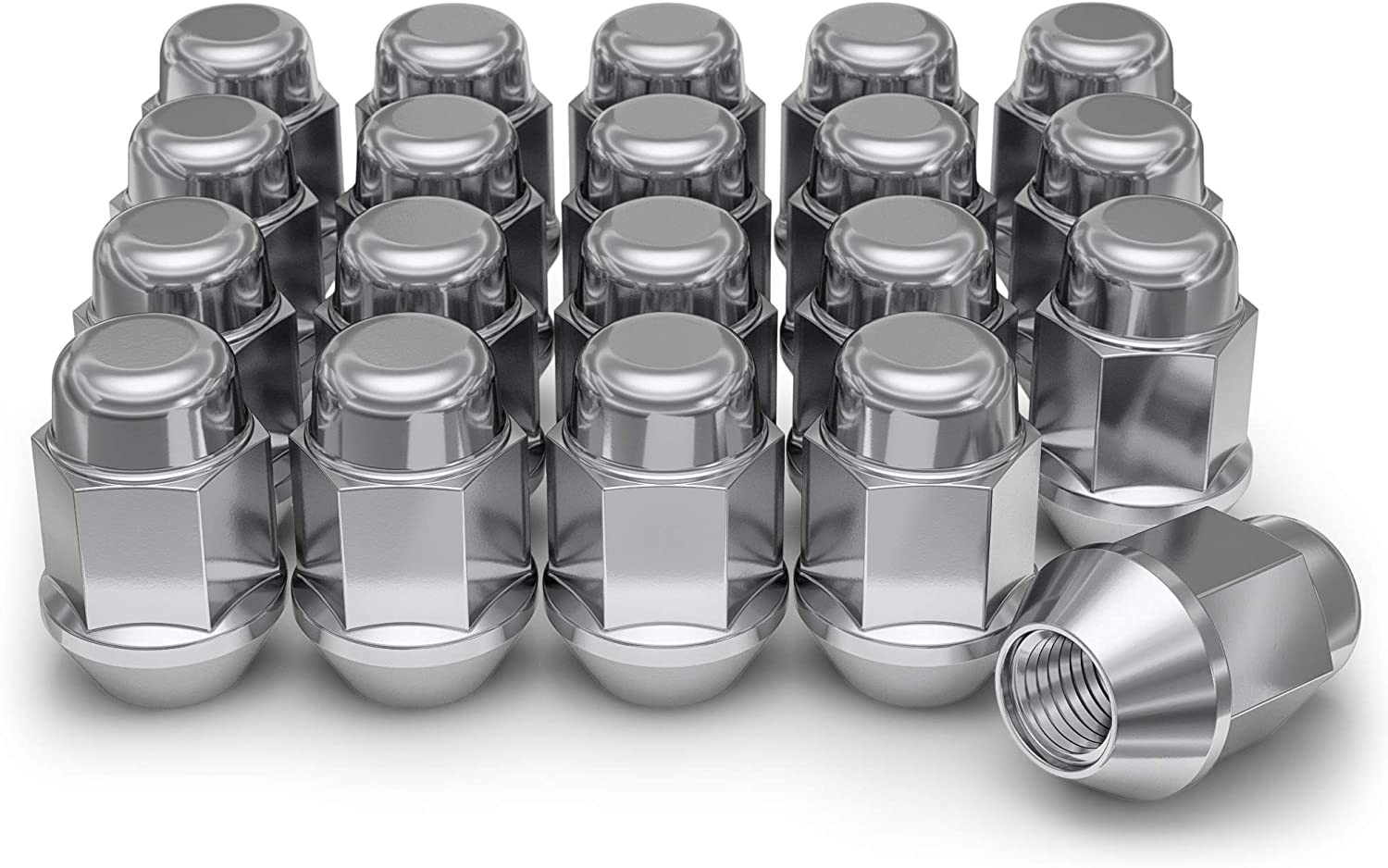
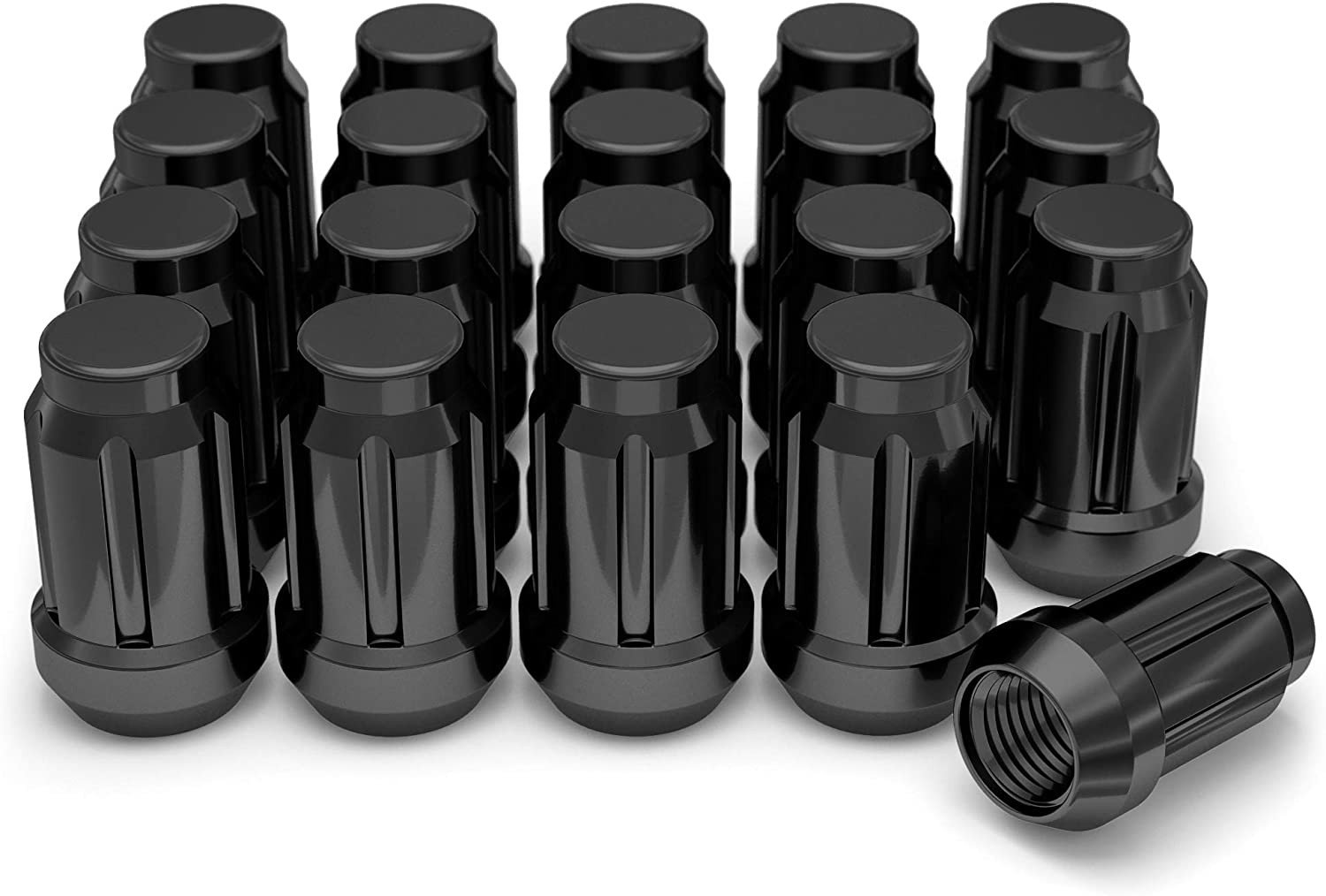
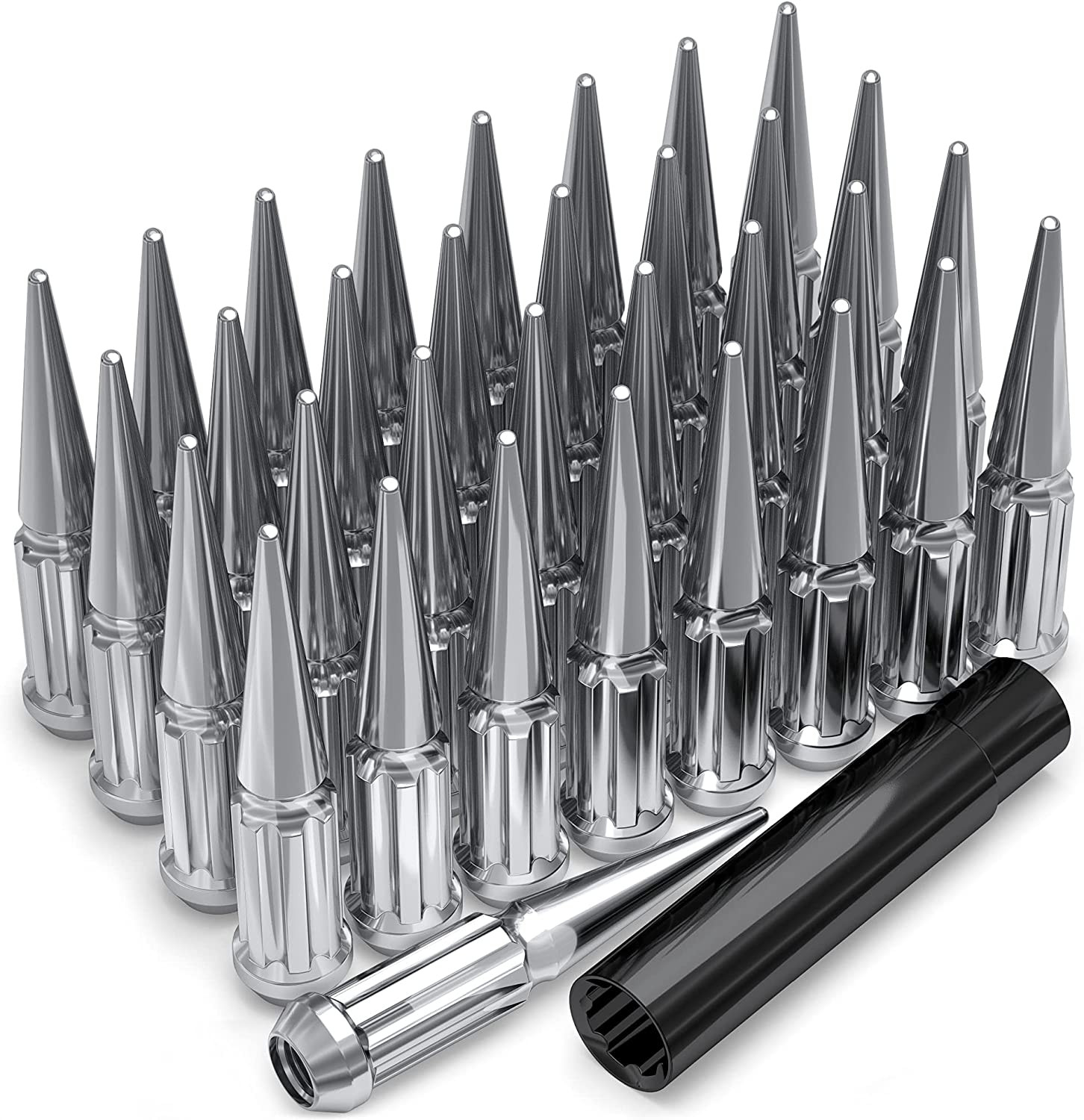
- Thread size and seat: Hardware is M12 x 1.5. Verify the seat type that matches your wheel design, conical vs ball. Do not mix seat styles.
- Offset and width: The known baseline offset is ET20 at 8.0 inches wide. If you change width or offset, use the calculator to check inner clearance to the strut and outer clearance to fenders and liners.
- Tire diameter: Keep overall diameter close to stock to protect ABS, DSC, gearing feel, and speedometer. Use the calculator to quantify the percentage change.
- Brake clearance: Verify inner barrel and spoke-to-caliper clearance. Paper templates from the wheel maker or a physical test fit help prevent surprises.
- Load and speed rating: Tires and wheels must meet or exceed OEM load and speed ratings. Check the sidewall and wheel documentation.
- Backspacing: The listed backspacing may vary based on how wheel width is measured. Confirm with the calculator and the wheel manufacturer’s spec sheet.
- Spacers: If used, choose hub-centric spacers that match 74.1 mm and maintain full thread engagement on bolts. Longer bolts may be required.
- TPMS: If your vehicle is equipped with sensors, verify compatibility and frequency. Some 2000s vehicles use indirect systems that do not require in-wheel sensors. Check your owner’s manual.
Plus Sizing And Common Upgrades
The tire size listed above, 245/40R18, is a common baseline. If your car currently runs a different OEM size, use that as your starting point in the calculator. Typical upgrade paths include increasing wheel diameter while reducing tire sidewall to keep overall tire diameter similar.
- Plus sizing approach: Increase wheel diameter by 1 inch, then select a tire with a lower aspect ratio to keep overall diameter close to stock. The calculator will update total diameter as you change rim diameter.
- Width changes: If increasing wheel width, adjust offset to keep the inner clearance safe and outer poke under the fender. The calculator shows how each millimeter of offset moves the wheel.
- Staggered setups: This model may have trim-specific staggered configurations. If your vehicle shows different front and rear sizes, input front and rear separately and verify each end using VIN specific BMW data or the owner’s manual.
- Ride and handling: Lower profile tires can sharpen response but may increase impact harshness. Confirm load rating and avoid excessive diameter changes.
Installation Tips
- Test fit one wheel without a tire when possible. Spin the hub to confirm caliper and barrel clearance, and check spoke clearance with a thin feeler or clay.
- Clean the hub face and hub pilot. Remove rust and debris so the wheel seats flush. A thin film of anti-seize on the hub pilot only can help prevent sticking. Do not apply lubricant to the wheel face or bolt threads unless specified by BMW.
- If using spacers, ensure they are hub-centric at 74.1 mm and that you have appropriately longer M12 x 1.5 bolts. Maintain adequate thread engagement, typically at least the diameter of the bolt.
- Tighten bolts by hand first, then torque in a star pattern to the BMW specified torque from your owner’s manual. Re-torque after 50 to 100 miles.
- After installation, turn the steering from lock to lock and drive over bumps at low speed to confirm no rubbing under compression.
Tools And Helpful Supplies
FAQs
What is the bolt pattern on the 2002 BMW M5
It is 5x120. Any replacement wheel must match this pattern unless you use engineered adapters, which add complexity and require additional verification.
What center bore do I need
The hub bore is 74.1 mm. Wheels with larger bores can be made hub-centric with rings sized 74.1 mm to the wheel bore. Wheels with smaller bores will not fit the hub.
What wheel hardware does it use
The thread size is M12 x 1.5. Verify the correct seat type for your wheel, conical or ball. Seat mismatch can cause loosening or damage.
The table shows 17 inch rims but 245/40R18 tires. Which is correct
Both were used on some configurations. Check your door jamb label, owner’s manual, and the markings on your current wheels and tires. Use your confirmed OEM size as the baseline in the calculator.
How much can I change wheel offset
Start from the known ET20 baseline shown here. Small changes may work, but always use the calculator to review inner and outer clearance and then test fit. Brake and fender clearances are the limiting factors.
Can I run a staggered setup
This model may have trim-specific staggered options. If your car shows different front and rear sizes, verify both ends with VIN specific BMW documentation and compare each position in the calculator.
Do I need new TPMS sensors
If your vehicle is equipped with in-wheel sensors, ensure compatibility with the new wheels. If your car uses an indirect system, in-wheel sensors may not be required. Confirm in your owner’s manual.
What tire diameter change is acceptable
Keep overall diameter as close as possible to stock. Aim for about 1 to 2 percent change and avoid more than about 3 percent. The calculator will show the exact difference.
What torque should I use for the wheel bolts
Use the BMW specified torque from your owner’s manual or service information. Torque values can vary, so confirm with OEM documentation and tighten in a star pattern on clean, dry threads unless BMW specifies otherwise.