2010 BMW X5 Wheel Fitment Guide
Known OEM Fitment For 2010 BMW X5
The specifications below reflect a known OEM configuration for the 2010 BMW X5. BMW offered multiple wheel and tire packages, and some trims may use different widths, offsets, or staggered setups. If your vehicle differs, use the on-page calculator and confirm with OEM sources before purchasing.
| Bolt pattern | 5x120 |
| Center bore | 74.1 mm |
| Thread size | M14 x 1.25 |
| Rim diameter | 18 in |
| Rim width | 8.5 in |
| Wheel offset (ET) | 46 mm |
| Backspacing | 6.06 in |
| Tire size | 255/55R18 |
Notes:
- Offset and backspacing are tied to wheel width. If you change width, backspacing will change even with the same offset.
- Some 2010 X5 vehicles may have different OEM sizes. Check your door jamb tire label, the owner’s manual, or your VIN at a BMW dealer or OEM parts catalog.
How To Use The Wheel Interchange Calculator
The calculator on this page lets you compare a donor vehicle’s wheels to your 2010 BMW X5 and also test custom wheel and tire sizes.
- Set Installed on (your vehicle) to 2010 BMW X5. If it is not prefilled, manually enter the known OEM spec above.
- Set Wheels from (donor vehicle) to the vehicle or wheel spec you want to test. You can also switch to Custom wheel size and Custom tire size.
- Adjust rim diameter, width, and offset. The tool will show inner clearance to the suspension and outer poke at the fender.
- Adjust tire section width and aspect ratio. Changing rim diameter updates overall tire diameter in the comparison.
- Aim to keep overall tire diameter close to OEM. Many users target a small change to minimize speedometer error and drivetrain stress. Always verify against BMW guidance.
- Watch brake and suspension clearance. The calculator shows relative changes. Physically measure if you are close.
- If an aftermarket wheel has a larger center bore than 74.1 mm, plan for hub-centric rings to maintain a vibration-free fit.
Fitment Checklist Before You Buy
- Bolt pattern must be 5x120.
- Center bore must be 74.1 mm or larger. If larger, use hub-centric rings sized to 74.1 mm.
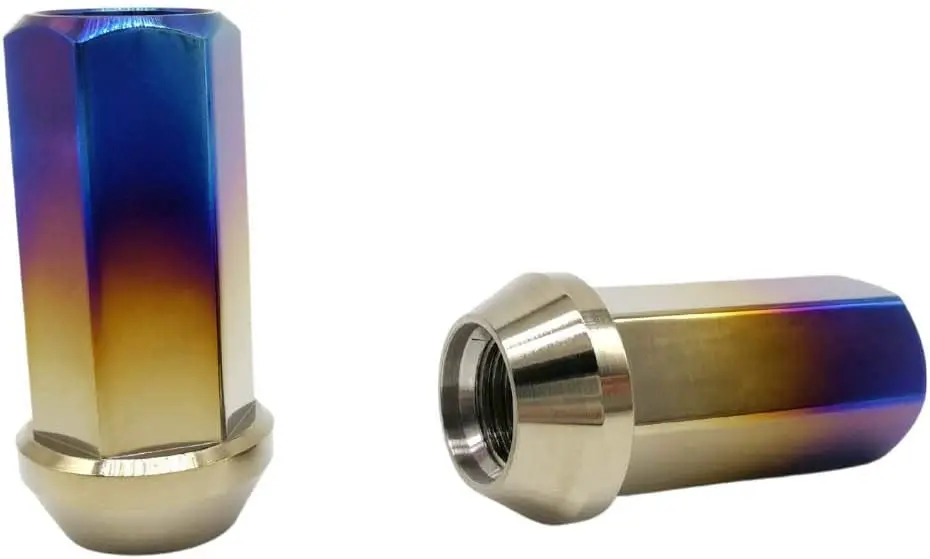
- Fasteners must match M14 x 1.25 thread and the correct seat type for the wheel. Do not mix seat styles.
- Offset and width must clear struts, control arms, and fenders. Use the calculator to compare inner clearance and outer poke versus your OEM setup.
- Brake clearance must be verified. If your X5 has larger brakes, mock up a test fit or measure template clearances.
- Tire load index and speed rating must meet or exceed BMW’s requirements for your exact vehicle. Check the door jamb label and owner’s manual.
- Overall tire diameter and circumference should remain close to OEM to protect ABS, AWD systems, and gearing.
- Staggered setups can affect tire rotation and traction balance. Confirm sizes front and rear, and keep rolling diameters closely matched.
- Check wheel and tire load ratings against the curb weight and GVWR of your X5.
- If using spacers, ensure proper hub engagement and fastener length. Recalculate effective offset in the calculator.
Plus Sizing And Common Upgrades
Owners often consider larger-diameter wheels with lower-profile tires for appearance and handling, or a mild upsizing in width for traction. Exact upgrade sizes for the 2010 BMW X5 vary by trim, brakes, and suspension. Use the calculator to model diameter, width, and offset changes against your known OEM setup above, and verify clearance before buying.
- Keep overall tire diameter change small to reduce speedometer error and avoid drivetrain issues.
- Wider wheels and tires may require different offsets to maintain inner and outer clearances. Model this in the calculator.
- If you select aftermarket wheels with a larger center bore than 74.1 mm, plan for quality hub-centric rings.
- For staggered setups, confirm the front and rear rolling diameters remain closely matched, especially on AWD-equipped vehicles. Consult BMW guidance for your VIN.
Installation Tips
- Test fit each wheel on the hub to confirm center bore fit and brake caliper clearance before mounting tires.
- Clean the hub face and mounting pad. Remove rust and debris to ensure true seating.
- If needed, install hub-centric rings sized to 74.1 mm at the hub and the wheel’s larger bore.
- Verify fastener length and thread engagement for M14 x 1.25. Ensure sufficient thread engagement and correct seat type per the wheel design.
- Tighten bolts by hand first, then torque in a star pattern using a calibrated torque wrench. Do not rely on an impact gun for final torque.
- Re-torque after the first 50 to 100 miles of driving.
- Check for rubbing at full steering lock and over bumps. If close on clearance, reassess width, offset, or tire size.
Tools And Helpful Supplies
- 1/2 inch drive torque wrench: Amazon search
- M14 x 1.25 lug bolts or the correct fasteners for your wheels: Amazon search
- Wheel hanger or guide pin for M14 to protect threads and center wheels: Amazon search
- Hub-centric rings for 74.1 mm hubs when using larger-bore wheels: Amazon search
FAQs
What is the bolt pattern on the 2010 BMW X5?
5x120.
What center bore does the 2010 X5 use?
74.1 mm. If an aftermarket wheel has a larger bore, use hub-centric rings to adapt to 74.1 mm.
What is the wheel fastener thread size?
M14 x 1.25. Use the correct seat type specified by the wheel manufacturer.
What is a known OEM wheel and tire size for 2010 X5?
Wheel 18x8.5 ET46 with 6.06 in backspacing, tire 255/55R18. Other OEM packages may exist. Confirm yours via the door jamb label, owner’s manual, or by checking your VIN with a BMW dealer or OEM catalog.
Can I use wheels from another vehicle on my 2010 X5?
Possibly, if the critical specs match. Use the calculator to compare bolt pattern, center bore, offset, width, and tire diameter. Physically verify brake and suspension clearance and confirm load ratings.
Do I need hub-centric rings?
Use them when the wheel’s center bore is larger than 74.1 mm. Rings center the wheel on the hub to minimize vibration.
What offset will work if I change wheel width?
It depends on how much inner clearance and outer poke you can accept. Use the calculator to compare against the OEM 18x8.5 ET46 setup and check for strut and fender clearance. Measure on the vehicle if close.
Is a staggered setup OK?
Some X5 configurations may use staggered widths. If you choose staggered wheels and tires, ensure rolling diameters stay closely matched and that sizes meet BMW guidance for your specific vehicle. Verify clearance front and rear.
What is the correct wheel torque?
Torque specifications can vary. Do not guess. Check your owner’s manual, the under-hood or door jamb label, or contact a BMW dealer with your VIN. Always use a calibrated torque wrench.
How do I confirm my exact OEM size?
Check the tire information label on the driver’s door jamb, consult the owner’s manual, and verify by VIN at a BMW dealership or OEM parts catalog. Then input those values into the calculator to assess any changes.