2018 BMW X5 Wheel Fitment Guide - Safe Sizes, Offsets, and DIY Tips
Known OEM Fitment For 2018 BMW X5
The values below reflect a documented OEM configuration for the 2018 BMW X5. BMW offered multiple trims and optional brake and wheel packages, including staggered setups on some models, so details may vary. If your vehicle differs, use the on-page calculator and confirm against your owner’s manual, the tire placard in the driver’s door jamb, and OEM parts sources before purchasing.
| Bolt pattern | 5x120 |
| Center bore | 74.1 mm |
| Thread size | M14 x 1.25 |
| Rim diameter | 18 in |
| Rim width | 8.5 in |
| Offset (ET) | 46 mm |
| Backspacing | 6.06 in |
| Tire size | 255/55R18 |
Notes:
- Some 2018 X5 models may use staggered tire widths front to rear or different wheel diameters from factory. Verify your exact trim and brake package.
- Backspacing and offset must be considered together to maintain inner clearance to suspension and brakes while avoiding fender contact.
- If any of your current specs do not match the table, do not assume interchangeability. Measure and use the calculator to model changes.
How To Use The Wheel Interchange Calculator
The calculator on wheelinterchange.com lets you safely compare a potential donor wheel to your 2018 BMW X5. Follow these steps:
- Select Wheels from - Enter the donor vehicle’s wheel and tire specs, or manually type the rim diameter, width, and offset. If using Custom wheel size, set the rim width and offset and the tool will compute position changes.
- Select Installed on - Keep this set to your 2018 BMW X5. Enter your current OEM tire size and wheel specs from the table or from your door placard if they differ.
- Custom tire size - If you change rim diameter or section width, enter a matching tire size. The calculator updates overall tire diameter and shows clearance changes at the fender and strut.
- Review results - Check inner clearance to the strut or control arm, outer poke relative to fender, and overall diameter difference. Aim to keep overall diameter change small to protect ride height, gearing, and speedometer accuracy.
- Decide with safety margins - Ensure no reduction in inner clearance that risks brake or suspension contact, and no excessive outer poke that may contact the fender liner on compression or steering lock.
Fitment Checklist Before You Buy
- Bolt pattern - Must be 5x120 for direct fit. Adapters change offset and add complexity.
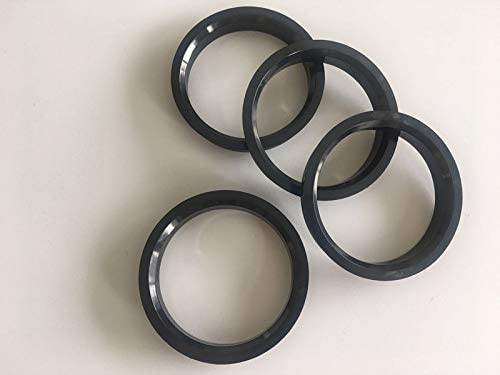
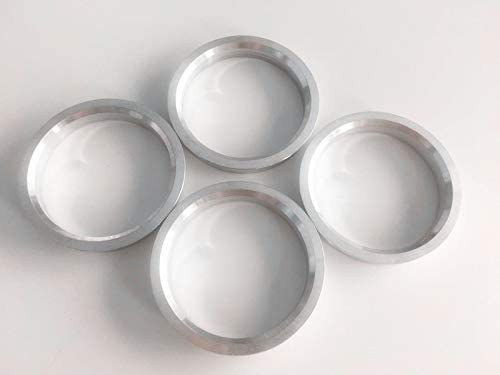
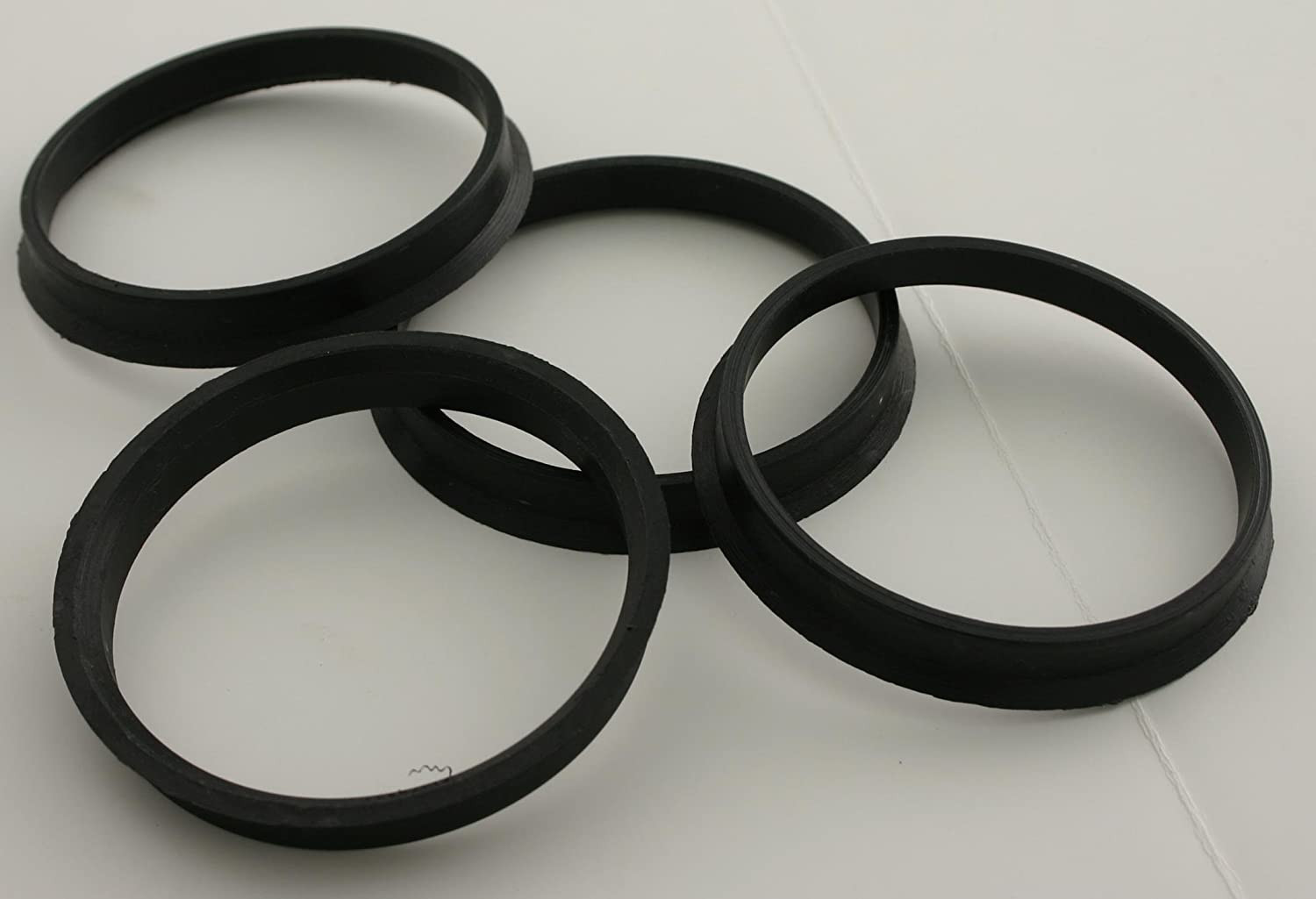
- Center bore - Vehicle hub is 74.1 mm. Aftermarket wheels with a larger bore require hub-centric rings sized to 74.1 mm ID.
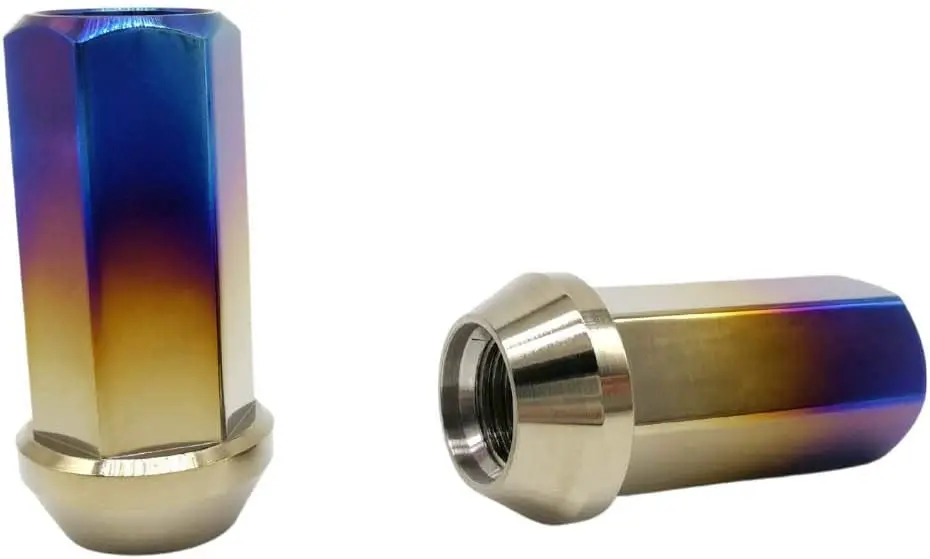
- Thread size and fastener type - BMW uses M14 x 1.25 lug bolts. Match seat type to the wheel manufacturer’s requirement and verify bolt length if spacers are used.
- Offset and backspacing - Use the calculator to keep inner clearance safe and avoid outer fender interference. Even a few millimeters can be critical with larger brakes or wider tires.
- Brake clearance - Visually test-fit and confirm barrel and spoke clearance over your specific brake calipers and rotors.
- Tire overall diameter - Keep the change minimal. Large deviations affect speedometer, ABS, DSC, and transmission shift points.
- Load rating - Wheels and tires must meet or exceed the X5’s axle load requirements. Check stamped ratings.
- TPMS - Ensure sensor compatibility and re-learn procedures for your model year.
- Suspension and alignment - Lowered vehicles have reduced compression clearance. Re-check fit if springs, dampers, or alignment specs change.
- Legal and safety - Avoid excessive poke past the fender and ensure full steering and suspension travel without rubbing.
Plus Sizing And Common Upgrades
The factory example listed is 255/55R18 on an 18x8.5 ET46 wheel. Many owners consider larger diameters for appearance or performance. BMW offered multiple wheel options from the factory on the X5, but exact sizes vary by trim and package. Treat the following as general guidance and verify everything with the calculator and OEM sources:
- Plus-1 to 19 in - Example tire size to maintain similar diameter: 255/50R19. Check offset and brake clearance.
- Plus-2 to 20 in - Often paired with wider tires. Example front sizes include 255/45R20 or similar. Rear may be wider on staggered setups. Confirm inner clearance and fender poke.
- Plus-3 to 21 in - Visual upgrade with thinner sidewalls. Ride quality decreases and damage risk increases. Precision fitment and correct offset are critical.
Targets when upsizing:
- Overall diameter change typically within about 1 to 2 percent for best speedometer and ABS behavior. The calculator shows the percent change.
- Offset adjustments may be required to maintain inner and outer clearances as width increases.
- Staggered setups are common on performance packages. Keep front-to-rear rolling diameter close to OEM to protect AWD systems if equipped.
Installation Tips
- Prepare safely - Park on level ground, chock wheels, and support the vehicle with jack stands at approved lift points.
- Clean the hub - Remove rust and debris from the 74.1 mm hub face and center pilot with a wire brush. Dry fit is preferred. If permitted by OEM guidance, a very thin film of high-temp anti-seize on the hub face can help prevent corrosion bonding. Do not contaminate threads or friction surfaces.
- Use hub-centric rings if needed - If your wheel bore is larger than 74.1 mm, install proper rings so the wheel is centered by the hub, not the bolts.
- Mounting aid - A wheel hanger guide pin for M14 threads helps align heavy wheels and protects threads and rotors.
- Tightening - Hand start all bolts, snug in a star pattern, then final torque with a calibrated torque wrench per BMW specifications in your owner’s manual. Do not use lubricant or threadlocker on wheel bolts unless instructed by BMW.
- Re-torque - After 50 to 100 miles of driving, re-check torque on all wheel bolts.
- TPMS - Install compatible sensors and perform relearn or initialization per the vehicle’s menu or service procedure.
- Final checks - Turn lock-to-lock and compress suspension if possible to confirm no rubbing on liners, fenders, or brake hoses.
Tools And Helpful Supplies
FAQs
What is the bolt pattern on the 2018 BMW X5?
It is 5x120.
What center bore does the 2018 X5 use?
74.1 mm. Use hub-centric rings if your aftermarket wheel bore is larger.
What is the thread size for the wheel bolts?
M14 x 1.25 for the 2018 X5 listed configuration. Always verify against your current wheel bolts and owner’s manual.
Will 20 inch or 21 inch wheels fit my X5?
Many trims support larger diameters, but exact fit depends on width, offset, tire size, and brake package. Use the calculator to model inner and outer clearances and confirm with a physical test-fit.
Can I use wheels from another BMW with 5x120?
Only if all critical specs match or are corrected with rings or spacers where appropriate. Compare bolt pattern, center bore, offset, width, and tire diameter in the calculator, then test-fit.
Do I need spacers?
Only if required to clear brakes or suspension or to correct offset. Use hub-centric spacers and ensure proper bolt or stud engagement length. Re-check torque after installation.
What offset range is safe?
It depends on wheel width, brake package, and suspension. Use the calculator to compare your current setup to the new wheel and ensure inner clearance is maintained while avoiding outer poke.
What is backspacing and why does it matter?
Backspacing is the distance from the wheel mounting face to the back edge of the wheel. The listed OEM backspacing is 6.06 in. Along with offset and width, it determines inner clearance to suspension and brakes.
What torque should I use on wheel bolts?
Follow the specification in your owner’s manual or OEM service information. Tighten in a star pattern using a calibrated torque wrench and re-torque after initial miles.
Will my TPMS sensors work with new wheels?
Yes if they are the correct frequency and type for your vehicle. You can transfer OEM sensors or purchase compatible replacements. Perform the TPMS relearn or initialization after installation.