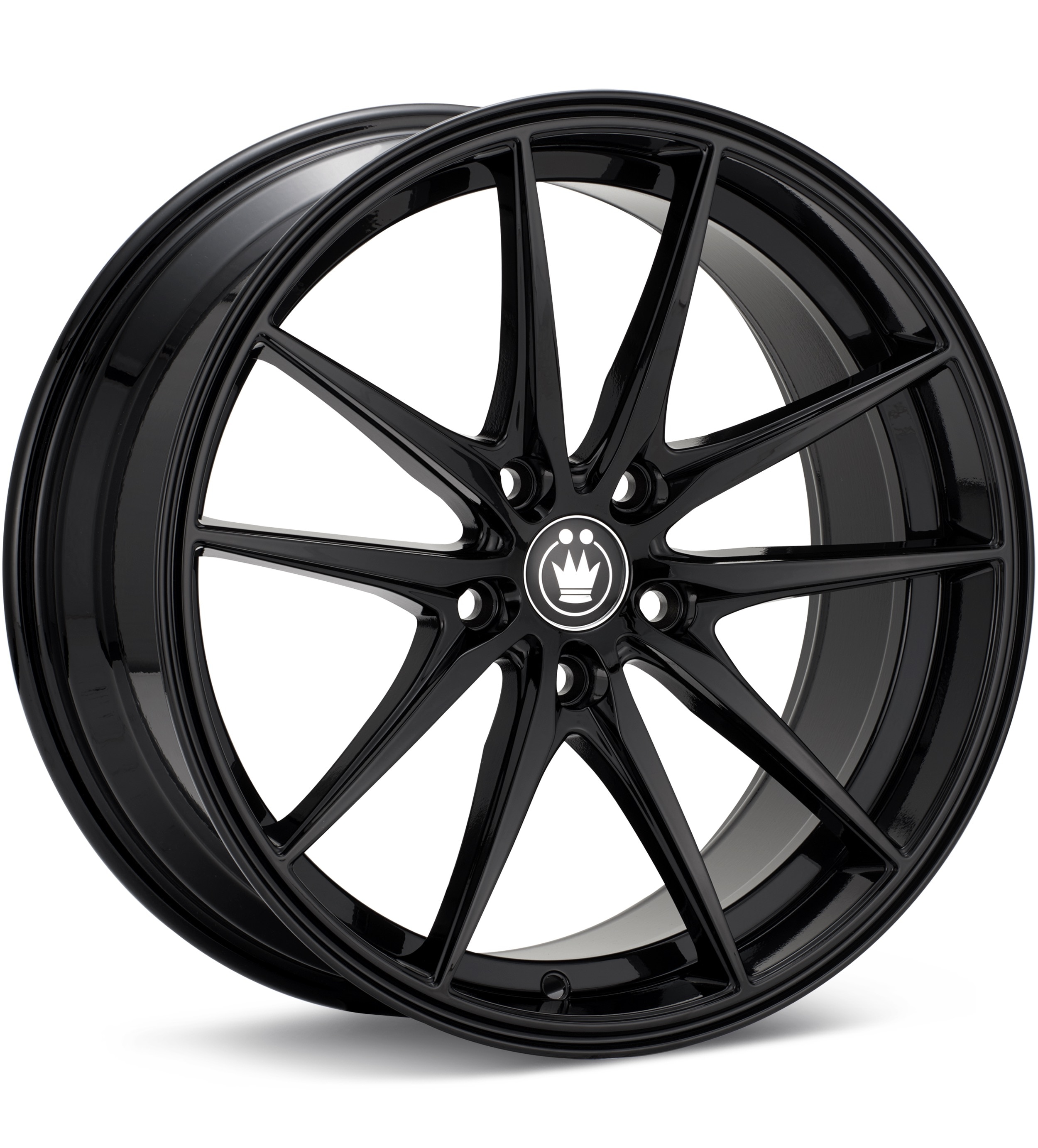
Konig
Oversteer
Gloss Black
20 × 8.5″ · ET +35
$316.06
View at Tire Rack ↗Recorded OEM specifications for the 2019 Cadillac XTS, donor years with overlapping ranges, and a calculator to compare a selected wheel. Range overlap is not a guaranteed fit.
Save these wheel specs to your Ownery garage
Baseline mounting dimensions used for interchange decisions.
Multiple OEM configurations exist for this vehicle. Fitment can vary by trim, brakes, and factory wheel package – confirm your exact setup before buying.
Thread-only product links are shopping examples, not verified fits. Seat style is not confirmed here. As an Amazon Associate we earn from qualifying purchases.
Selected size: 20 × 8.5″ · ET +39
Showing matching bolt patterns and offsets up to 20 mm lower. Confirm center bore, load rating, and clearance at Tire Rack.
Konig
Gloss Black
20 × 8.5″ · ET +35
$316.06
View at Tire Rack ↗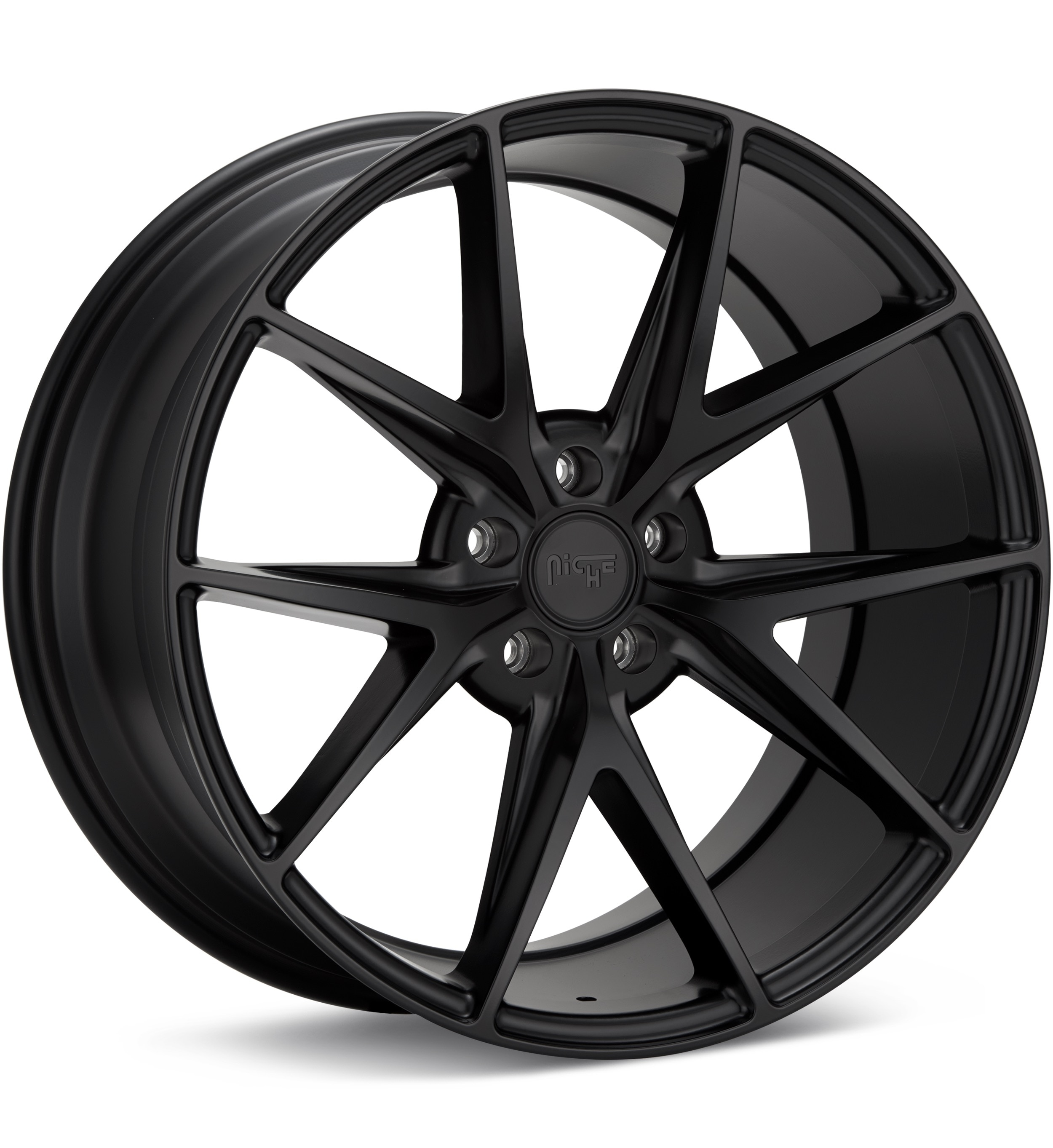
Niche Road Wheels
Black
20 × 9″ · ET +35
$490.00
View at Tire Rack ↗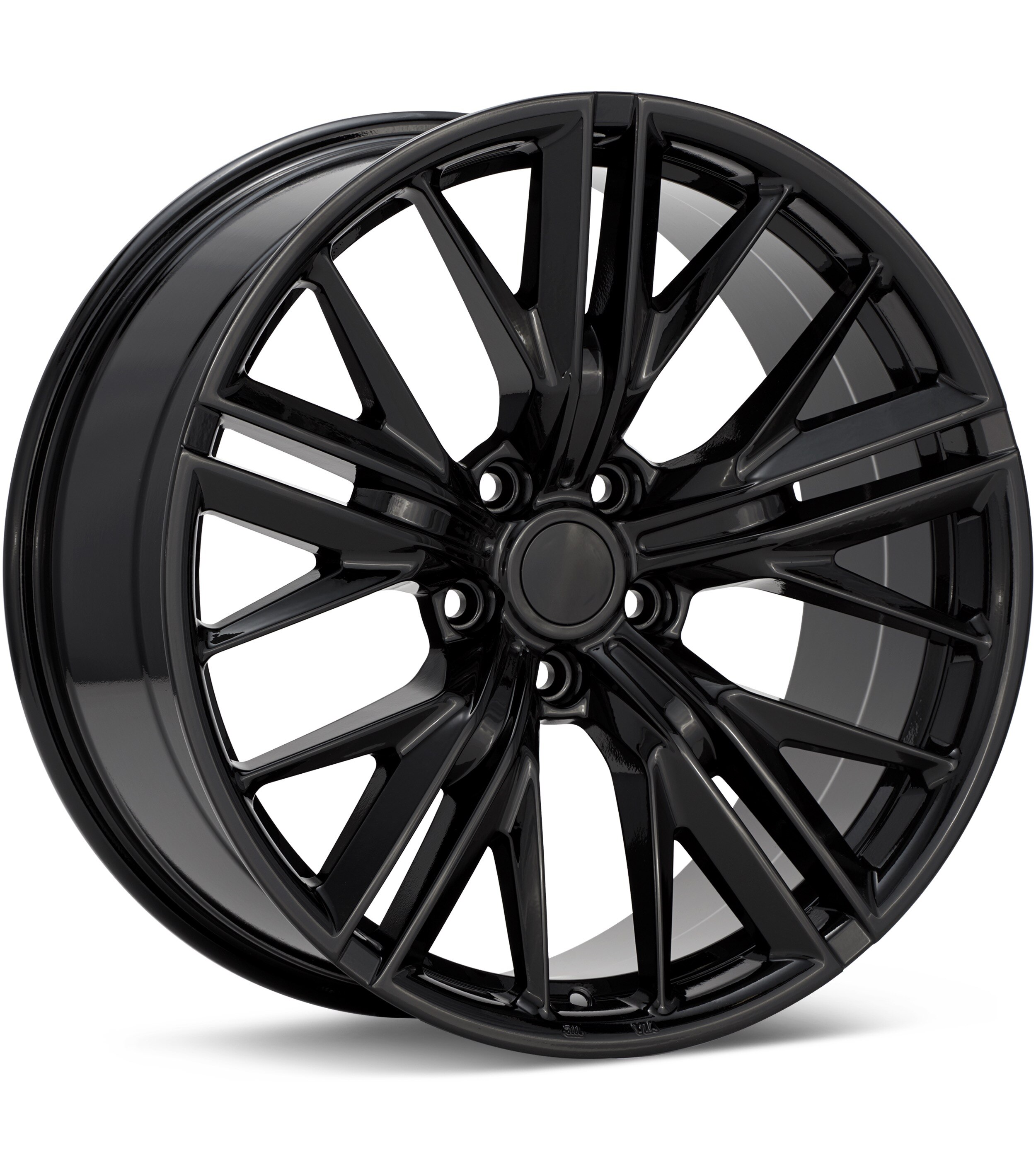
Sport Replica
Gloss Black
20 × 9″ · ET +25
$259.81
View at Tire Rack ↗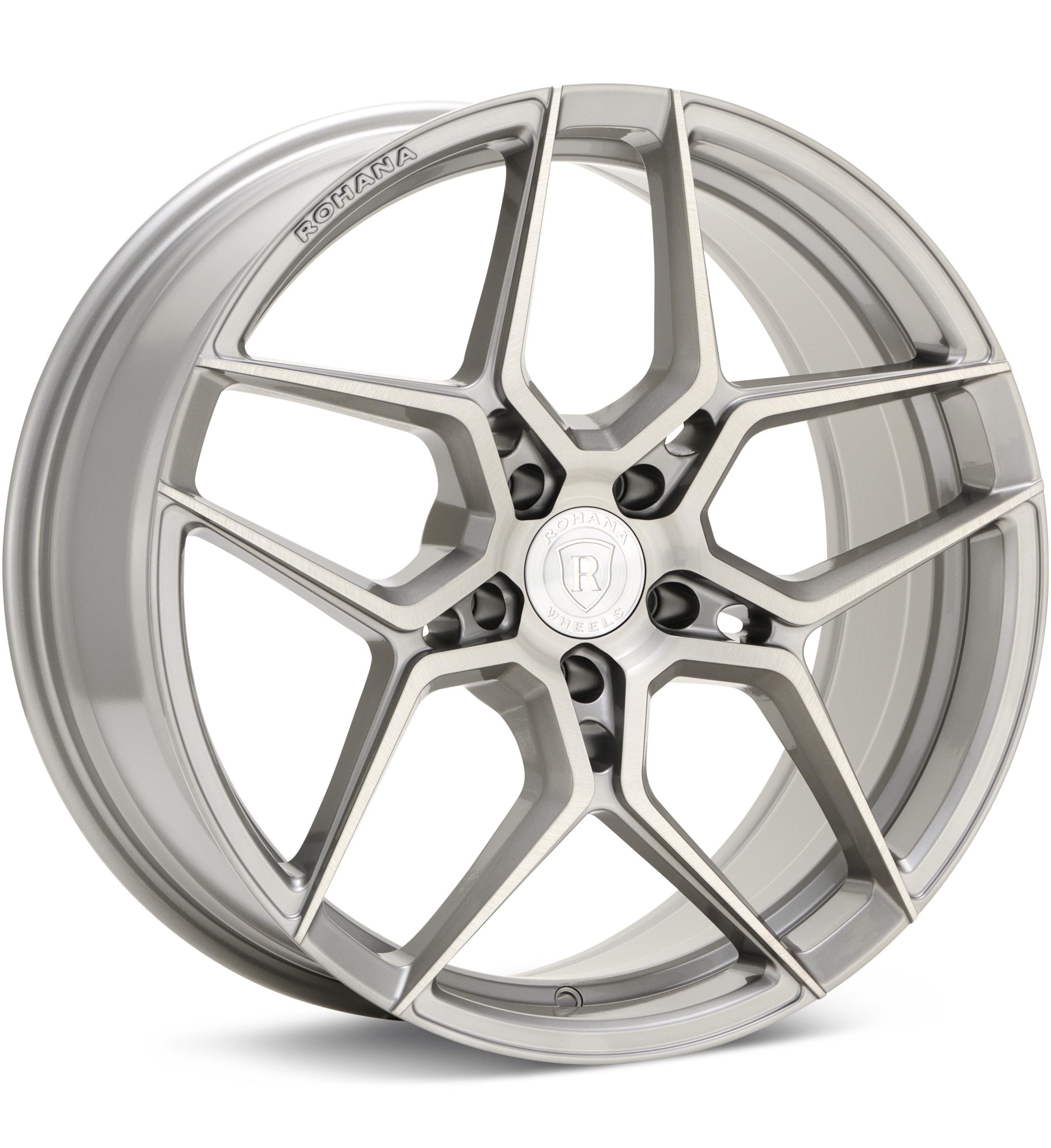
Rohana Wheels
Brushed Titanium
20 × 9″ · ET +20
$668.00
View at Tire Rack ↗We may earn a commission when you buy through these links. Prices and availability may change.
These are vehicle-year records whose recorded OEM ranges overlap this 2019 Cadillac XTS. Overlap is not a guarantee that a specific wheel will install. Selected-wheel comparison is in the calculator below.
Evaluated 32 donor years. Listed 24 eligible overlaps (not all evaluated years are compatible). Showing all listed.
Years grouped because recorded compatibility evidence is equivalent. Each year keeps its own page.
Approximate position vs the mid OEM package: outer change -2.68 mm, inner change -3.68 mm. This uses aggregated width/offset ranges, not a specific wheel.
Years grouped because recorded compatibility evidence is equivalent. Each year keeps its own page.
Approximate position vs the mid OEM package: outer change -5.68 mm, inner change -0.67 mm. This uses aggregated width/offset ranges, not a specific wheel.
Approximate position vs the mid OEM package: outer change -5.68 mm, inner change -0.67 mm. This uses aggregated width/offset ranges, not a specific wheel.
Years grouped because recorded compatibility evidence is equivalent. Each year keeps its own page.
Approximate position vs the mid OEM package: outer change -0.67 mm, inner change -5.68 mm. This uses aggregated width/offset ranges, not a specific wheel.
Years grouped because recorded compatibility evidence is equivalent. Each year keeps its own page.
Approximate position vs the mid OEM package: outer change -0.67 mm, inner change -5.68 mm. This uses aggregated width/offset ranges, not a specific wheel.
Years grouped because recorded compatibility evidence is equivalent. Each year keeps its own page.
Approximate position vs the mid OEM package: outer change -1.67 mm, inner change -4.68 mm. This uses aggregated width/offset ranges, not a specific wheel.
Approximate position vs the mid OEM package: outer change -4.68 mm, inner change -1.67 mm. This uses aggregated width/offset ranges, not a specific wheel.
Only years with evidence-based interchange relationships are listed. Adjacent years are not assumed compatible.
Compare a donor vehicle or custom wheel against this 2019 Cadillac XTS. Use Compare in calculator on a donor row above to fill the donor side of this same calculator.
Compare wheel compatibility between two vehicles
2019 Cadillac XTS





Example products matched to recorded thread, hub, or spacer dimensions. They are not verified fits. Confirm seat style, thickness, and clearance before ordering.
M14 x 1.5
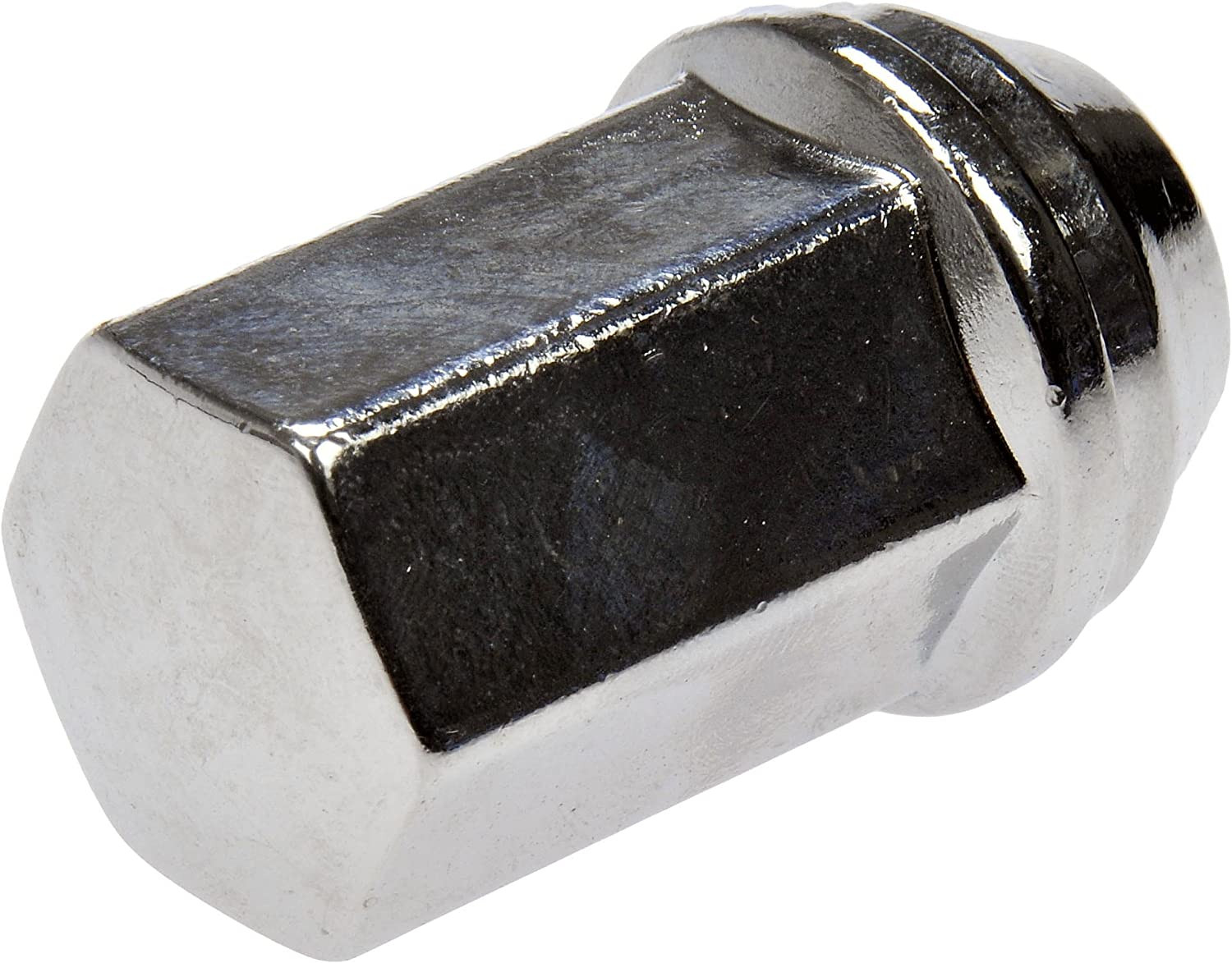
M14 x 1.5 · Thread match only; seat style is not verified
View on Amazon →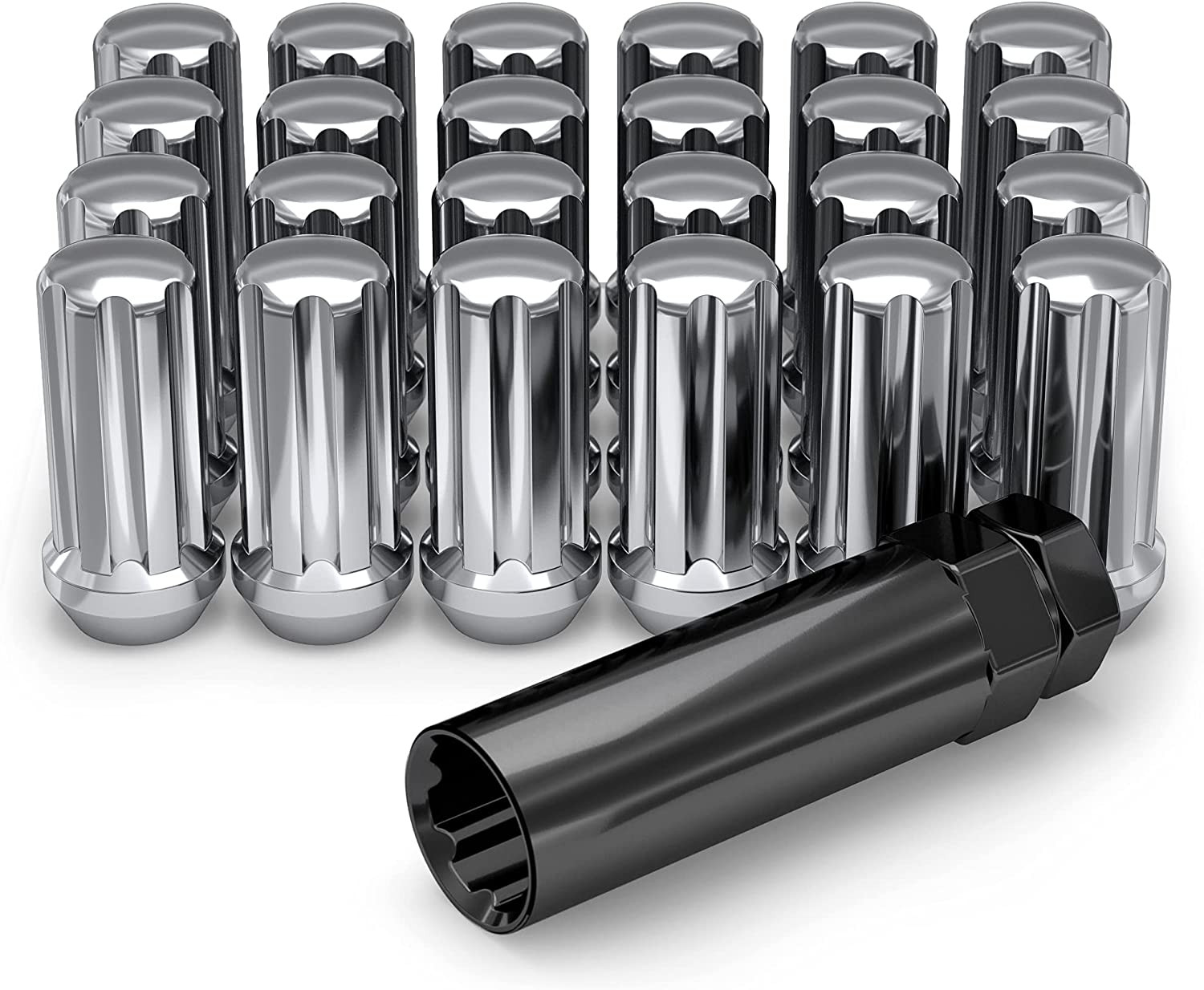
M14 x 1.5 · Thread match only; seat style is not verified
View on Amazon →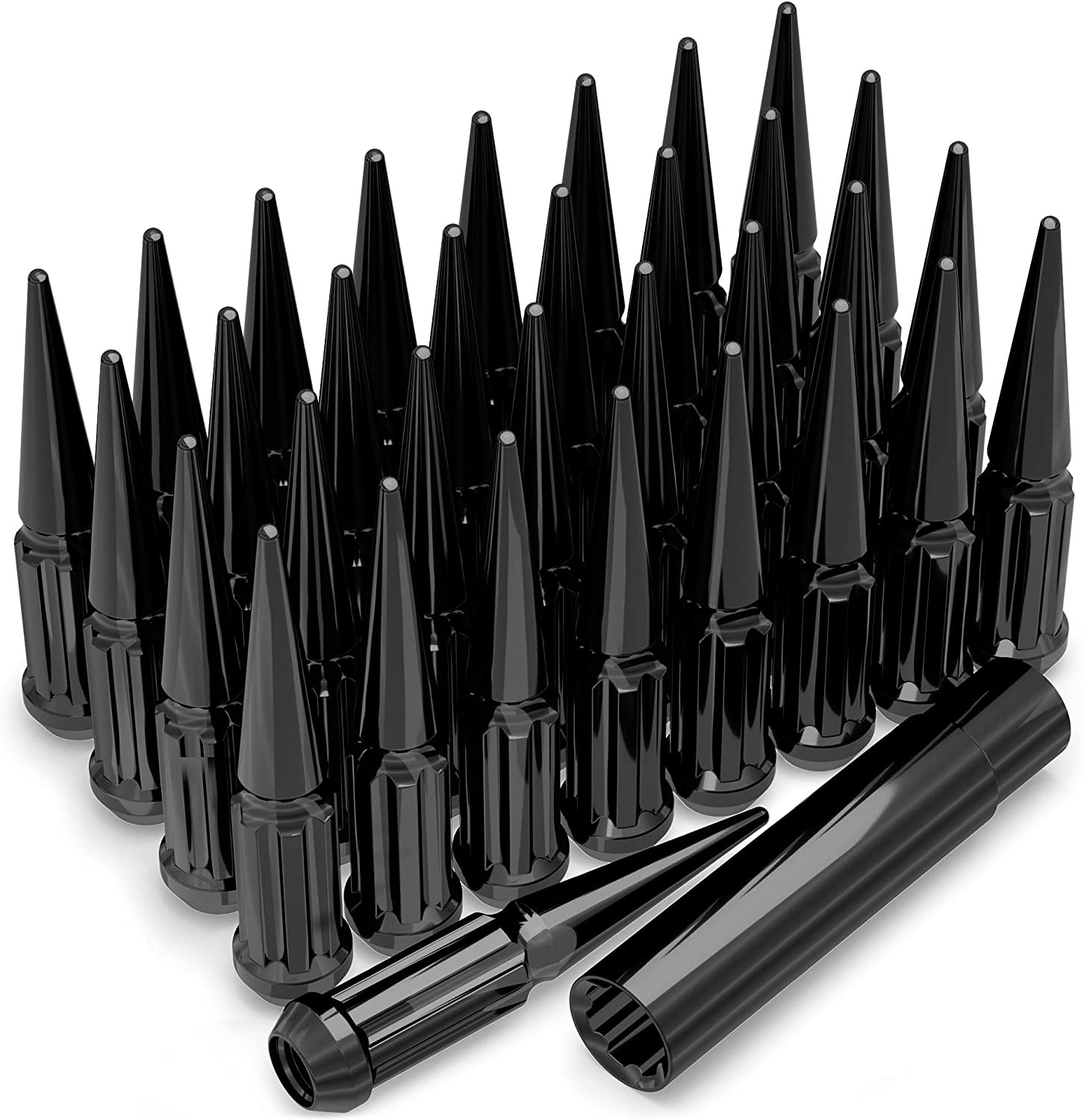
M14 x 1.5 · Thread match only; seat style is not verified
View on Amazon →As an Amazon Associate we earn from qualifying purchases. Product availability and pricing may change.
You want to verify whether a wheel or tire change will fit a 2019 Cadillac XTS safely. The immediate problem is incomplete and partly inconsistent fitment data. This guide gives a stepwise method to confirm fitment, reduce risk, and validate choices using the on-page calculator and OEM sources.
Gather tools and references before you start. You will need a tape measure, caliper or dial caliper for accuracy, a lug nut socket set, and access to the vehicle or its OEM documentation. Have the on-page wheel/tire calculator ready. Expect to consult the owner’s manual, door jamb placard, or dealer spec for any unclear values.
| Item | Value |
|---|---|
| Bolt pattern | 5x120 |
| Center bore (mm) | 66.9 |
| Thread size | M14 x 1.5 |
| Rim diameter (in) | 22 |
| Rim width (in) | 9.0 |
| Wheel offset (ET, mm) | 32 |
| Backspacing (in) | 5.76 |
| Tire section width (mm) | 245 |
| Tire aspect ratio (%) | 40 |
| Tire rim diameter (R) | 20 (note: conflicts with rim diameter above) |
Note the conflict: listed rim diameter is 22 inches, while the tire rim diameter shows 20 inches. This indicates mixed or trim-dependent data. Do not assume these apply to your car without validation.
Decide if you plan to replace wheels only, tires only, or both. Consider constraints such as brake clearance, suspension space, and desired ride/handling trade-off.
Enter the OEM values you confirmed into the calculator. Use the calculator’s “Wheels from (donor vehicle)” vs “Installed on (your vehicle)” comparison. Adjust the custom wheel and tire sizes to model candidate wheels. When you change rim diameter the calculator updates tire diameter automatically. The calculator helps estimate diameter change, track width, and how much wheel will stick in or out.
Compare center bore and bolt pattern exactly. If the wheel’s bore is larger than 66.9 mm, plan for a properly sized hub-centric ring. If the bore is smaller the wheel will not mount. Confirm stud thread M14 x 1.5 matches the wheel’s lug nut threads and seat type.
Verify the candidate wheel clears calipers, ABS sensors, and suspension components throughout full steering lock and wheel travel. Check for sway bar or inner fender interference. If you cannot physically test, err on the conservative side and consult a shop.
Perform these checks before road testing. Validation reduces the risk of a serious issue.
If any item fails validation, stop and reassess. The calculator gives numbers, but physical checks provide the final validation.
Problem: wheel or tire contacts suspension or body at full lock or compression. Likely causes are incorrect offset or too-wide rim. Solutions: revert to correct offset, choose narrower rim, or use minor trimming only as a last resort. Consider wheel spacers only after checking stud length and hub engagement; spacers introduce stresses and require attention to torque and studs.
Problem: steering wheel shakes at speed. Likely causes include poor hub centering, bent wheel, or improper lug seating. Solutions: install hub-centric rings if bore mismatch exists, balance the wheel/tire assembly, inspect lug seat type and replace with correct lug nuts.
Problem: wheel won’t tighten or threads bottom out before sealing. Likely causes are wrong thread size or mismatched seat type. Solution: stop immediately. Confirm thread M14 x 1.5 and lug seat angle. Do not drive until corrected.
Problem: TPMS lights or incorrect pressures. Solution: verify sensor type and frequency, replace sensors if necessary, or reinstall OE sensors in new wheels.
The main constraint is verifying the actual numbers on your vehicle, because provided data shows a conflict between wheel and tire rim diameters. Use the on-page calculator to model candidate wheels and tires, then validate physically for hub fit, brake clearance, and steering travel. When in doubt, consult the dealer or a qualified wheel installer to confirm torque specs and final safety checks.
Useful parts and tools can save time. Search for lug sockets and hub-centric rings here:
Final reassurance: methodical measurement, using the calculator, and conservative validation will get you clarity. If you need help interpreting a specific donor wheel spec, provide the wheel’s full measurements and I will walk through the calculator comparison with you.
Wheel interchange depends on more than bolt pattern. Where data is available, this site compares recorded OEM values:
A normal wheel spacer does not change bolt pattern. Hub rings cannot enlarge a wheel bore that is smaller than the hub. Brake clearance and tire package fitment still require vehicle-specific checks when not confirmed in the dataset.
