2006 Chevrolet Silverado 1500 Wheel Fitment Guide
Known OEM Fitment For 2006 Chevrolet Silverado 1500
The values below reflect known factory specifications for at least one 2006 Silverado 1500 configuration. Trims, brake packages, and suspension options can change fitment. If your truck differs, use the on-page calculator and verify against your owner’s manual and the driver-door jamb placard.
| Spec | Value |
|---|
| Bolt pattern | 6x139.7 |
| Center bore | 78.1 mm |
| Thread size | M14 x 1.5 |
| OEM rim size | 16 x 7.0 in |
| Offset (ET) | +31 mm |
| Backspacing | 4.72 in |
| OEM tire size | 235/75R16 |
If your factory wheel or tire label does not match these numbers, note your exact OEM specs before comparing to aftermarket options.
How To Use The Wheel Interchange Calculator
The calculator on wheelinterchange.com lets you compare a donor wheel and tire against your 2006 Silverado 1500 to predict clearance, diameter change, and offset effects.
- Pick Wheels from (donor vehicle). Choose the vehicle your potential wheels came from or enter its wheel size.
- Pick Installed on (your vehicle). Select 2006 Chevrolet Silverado 1500. If your trim has different OEM sizes, adjust the baseline to match your door placard.
- Try Custom wheel size. Set rim diameter, width, and offset you are considering. Width and offset determine inner and outer clearance changes.
- Try Custom tire size. Enter section width and aspect ratio. When you change rim diameter, the calculator updates overall tire diameter in the comparison.
- Review results. Check inner clearance to suspension and brakes, outer poke to fender, and tire diameter difference. Aim to keep overall diameter close to stock for speedometer accuracy unless you plan to recalibrate.
Always test fit a wheel on the front and rear hubs and turn lock to lock. Measure actual clearances before mounting tires.
Fitment Checklist Before You Buy
- Bolt pattern: Wheel must be 6x139.7. Adapters change fitment and add complexity. Avoid unless necessary and properly engineered.
- Center bore: Hub bore must be 78.1 mm or larger. If larger, use hub-centric rings to 78.1 mm for best road feel.
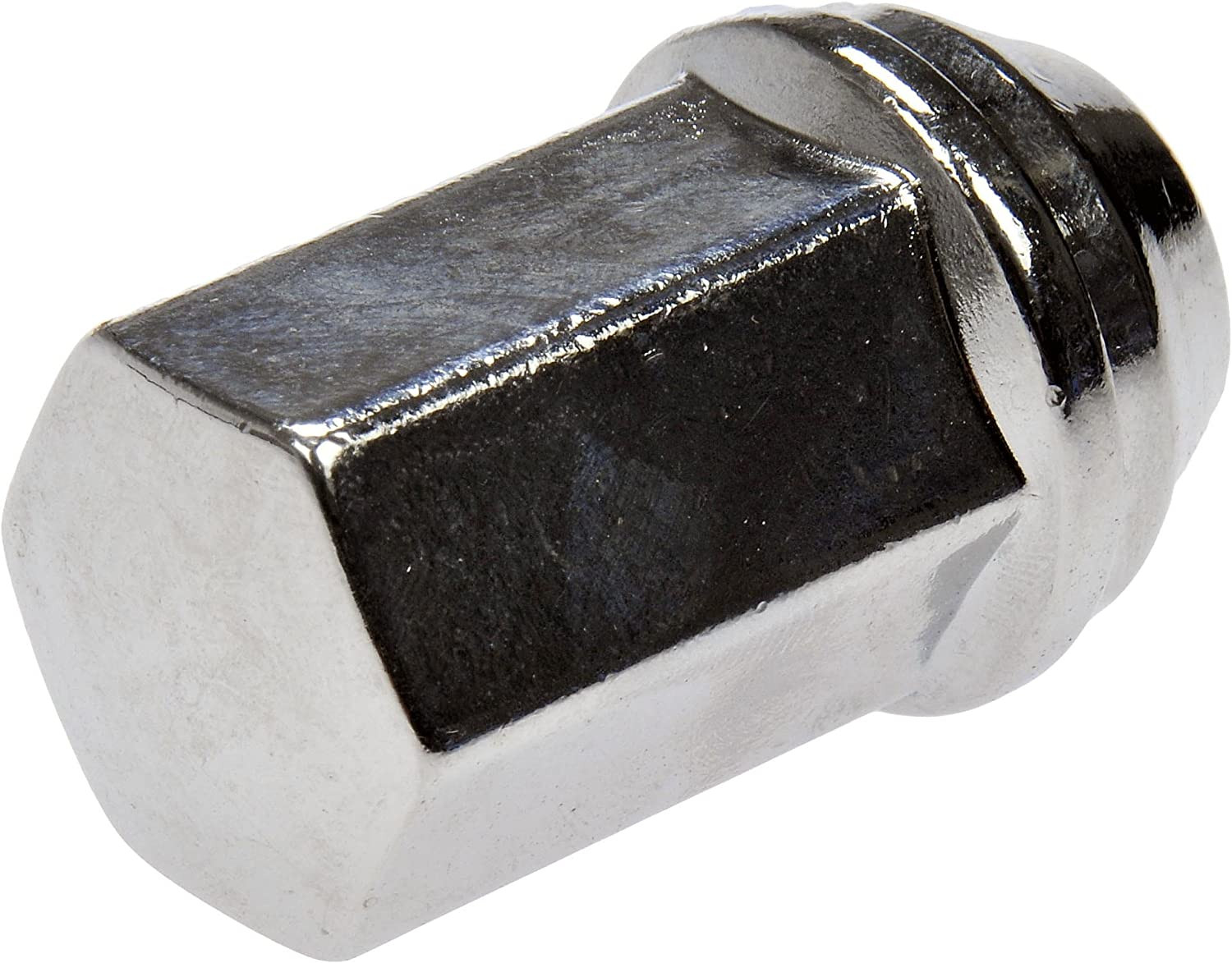
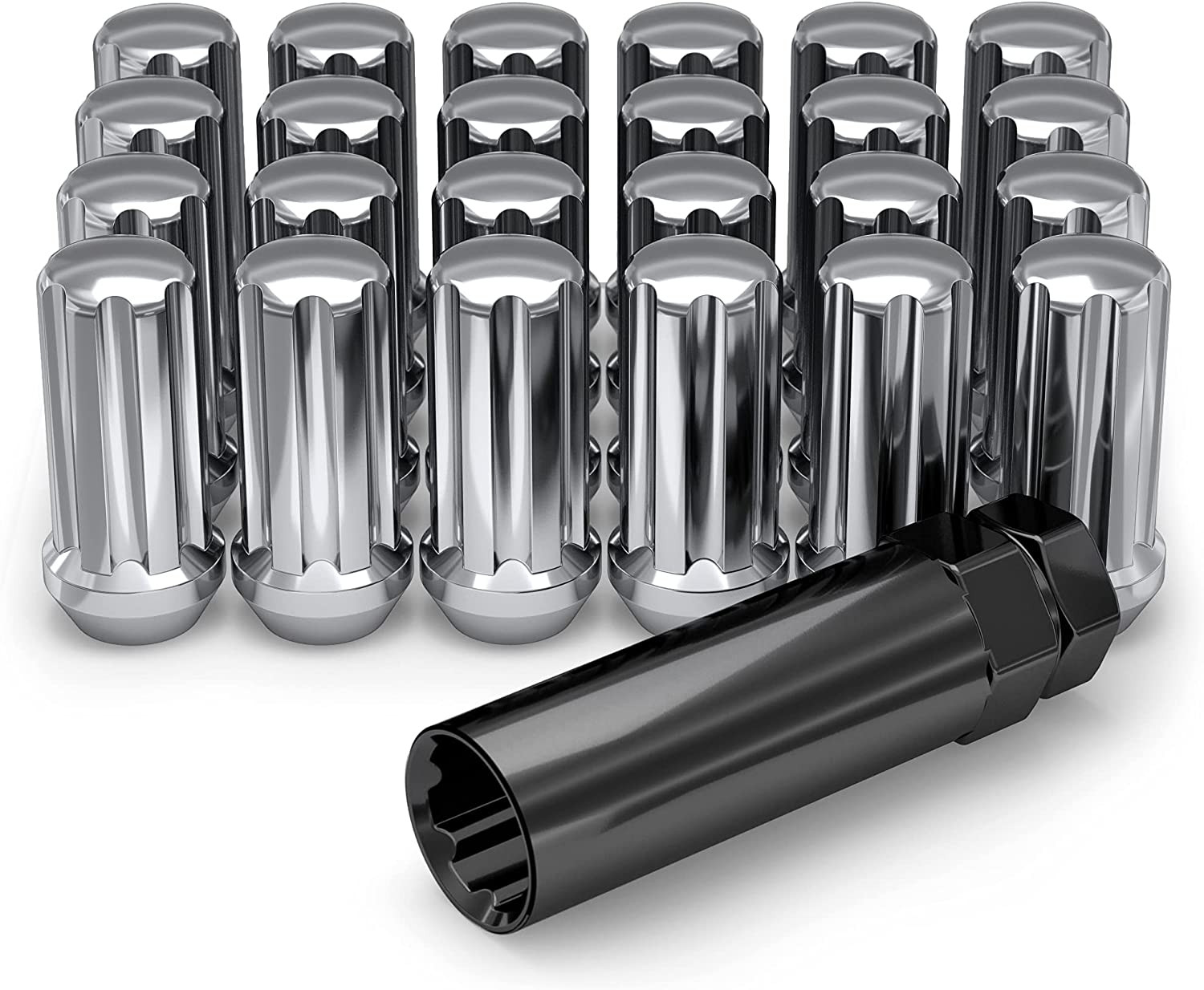
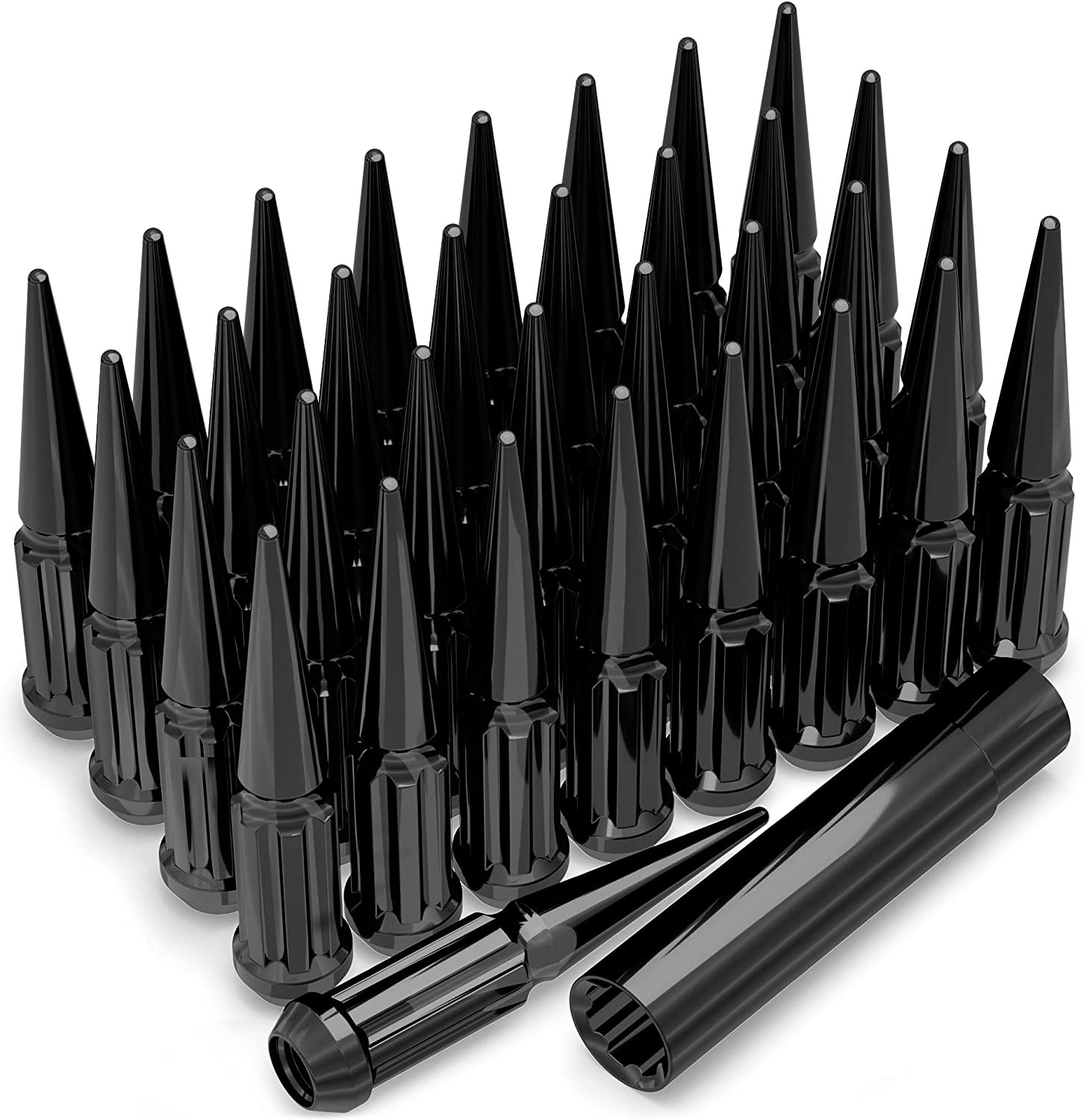
- Thread and lugs: Studs are M14 x 1.5. Match lug seat style to the wheel. Many aftermarket wheels use 60 degree conical-seat lug nuts. Verify what your wheel requires.
- Load rating: Wheel and tire load ratings must meet or exceed the truck’s GAWR and GVWR as shown on the door placard.
- Brake and suspension clearance: Confirm spoke and barrel clearance over front calipers and tie rod ends, and inner clearance to the upper control arm and strut.
- Offset and backspacing: Large changes affect scrub radius and steering feel. Use the calculator to see inner and outer movement relative to OEM +31 mm and 4.72 in backspacing, then measure on the truck.
- Overall diameter: Keep tire diameter close to stock to minimize speedometer error, or plan for recalibration. Check front and rear, and at full steering lock and full compression.
- Tire width: Wider tires may contact fender liners, sway bar, or frame. Verify at the tightest points.
- TPMS: Some 2006 trucks may not have TPMS. If equipped, sensor type and frequency must match your system or be relearned or replaced.
- Spacers: Only use quality hub-centric spacers with adequate stud engagement if required. Longer wheel studs may be necessary.
Plus Sizing And Common Upgrades
Many Silverado 1500 owners move from the OEM 16 x 7 to larger diameters and widths. Availability and clearance vary by trim, brake package, and suspension height. Use these as examples to try in the calculator, then measure on your truck:
- 17 x 8 with a tire around the stock overall diameter for daily driving
- 18 x 9 with an all-terrain tire sized to maintain fender and liner clearance
- 20 x 9 for street-oriented setups, ensuring offset keeps inner clearance to suspension
For leveled or lifted trucks, wider tires may fit, but inner clearance, outer poke, and fender contact must be checked carefully. If your OEM door placard lists an alternate factory size for your trim, use that as a safe baseline in the calculator.
Installation Tips
- Inspect and clean hubs. Remove rust from the 78.1 mm hub pilot with a wire brush. A thin film of anti-seize on the hub face can help prevent future bonding. Do not coat lug nut threads unless specified by OEM.
- Verify hardware. Use the correct M14 x 1.5 lug nuts with the seat style your wheels require. Ensure lug nut hex size matches your socket and that the shank does not bottom out.
- Hand start all lug nuts. Snug in a star pattern to center the wheel on the hub. Final torque to the factory specification from your owner’s manual or service information.
- Re-torque after 50 to 100 miles. Aluminum wheels can settle after initial heat cycles.
- Check lock-to-lock and over bumps. Listen for rubbing. Inspect inner fender liners, sway bar, and upper control arm witness marks.
- Alignment. Any significant offset or diameter change warrants a professional alignment to protect tires and restore handling.
- TPMS (if equipped). Transfer, rebuild, or program sensors as required. Follow the GM relearn procedure after installation.
Tools And Helpful Supplies
- Floor jack and rated jack stands
- Torque wrench capable of your OEM lug torque spec
- Correct size socket for your lug nuts and a breaker bar
- Wire brush and hub cleaning disc
- Hub-centric rings to 78.1 mm if your wheel bore is larger
- Valve stems and TPMS service kits if transferring sensors
- Tire pressure gauge and chalk or paint pen for indexing
FAQs
What other vehicles’ wheels will fit my 2006 Silverado 1500?
Start with 6x139.7 bolt pattern. Then match or exceed the 78.1 mm hub bore or use hub-centric rings, confirm offset and width with the calculator, and physically test fit for brake and suspension clearance. Do not rely on bolt pattern alone.
What offset should I choose if I go wider?
There is no single offset that fits all trims. Use the calculator to compare your stock +31 mm reference against your new width, then measure inner clearance to the control arm and outer poke to the fender. Keep steering feel and scrub radius close to stock when possible.
Do I need hub-centric rings?
If your aftermarket wheel has a larger center bore than 78.1 mm, use rings sized to 78.1 mm to improve centering and reduce vibration. If the wheel bore is exactly 78.1 mm, rings are not needed.
Will 20 inch wheels fit?
They can fit on some setups, but brake, suspension, and fender clearances plus tire choice determine success. Use the calculator to keep overall tire diameter reasonable, then test fit and check lock-to-lock and over bumps.
What is the correct lug nut torque?
Refer to the owner’s manual or GM service information for your exact torque. Torque in a star pattern on clean, dry studs and re-check after 50 to 100 miles.
Can I use spacers?
Quality hub-centric spacers can solve minor clearance issues when paired with adequate thread engagement or extended studs. Recalculate effective offset in the calculator and verify fender coverage and legality in your area.
How much tire diameter change is acceptable?
Keep diameter close to stock to limit speedometer error and maintain gearing. Small changes are typically manageable, but always confirm clearance at full steering lock and compression.
Do I have TPMS on a 2006 Silverado 1500?
Some trucks may not have TPMS. Check your dash for a TPMS indicator at key-on and inspect valve stems for sensor types. If equipped, match compatible sensors and perform the relearn.