2003 Chevrolet Silverado 1500 Wheel Fitment Guide
Known OEM Fitment For 2003 Chevrolet Silverado 1500
The values below reflect a known factory configuration for the 2003 Chevrolet Silverado 1500. Other trims and option packages may differ. If any value on your truck is different, use the on-page calculator and verify against OEM sources before buying.
| Bolt pattern | 6x139.7 mm (also written 6x5.5) |
| Center bore | 78.1 mm |
| Thread size | M14 x 1.5 |
| Rim diameter | 16 in |
| Rim width | 7.0 in |
| Offset (ET) | +31 mm |
| Backspacing | 4.72 in |
| OEM tire size | 245/75R16 |
What can vary by trim or package: wheel diameter and width, offset, tire size, and brake package clearances. Confirm the exact specification for your VIN using the Tire and Loading Information label on the driver door jamb, the owner manual, or OEM service data. You can also visually verify the wheel size and offset markings on the back of the wheel.
How To Use The Wheel Interchange Calculator
The calculator on this page lets you compare a potential wheel or tire setup to your 2003 Silverado 1500 before you buy. It is designed around two sides: Wheels from (donor vehicle) and Installed on (your vehicle).
- Set Installed on to 2003 Chevrolet Silverado 1500 to lock in your baseline.
- Compare against a donor vehicle or switch to Custom wheel size and Custom tire size to enter any rim diameter, rim width, offset, tire section width, and aspect ratio.
- When you change rim diameter, the tool updates tire diameter in the comparison so you can see ride height and speedometer impact.
- Use the outputs to check inner clearance to suspension and brakes, outer poke toward the fender, backspacing changes, and tire diameter difference.
- Aim to keep overall tire diameter close to stock. As a general guideline, many installers try to keep diameter change within about 3 percent to limit speedometer and ABS effects. Always verify real clearances on the truck.
Fitment Checklist Before You Buy
- Bolt pattern: Must be 6x139.7 mm. Do not attempt to fit other patterns with force or elongated holes.
- Center bore: The Silverado hub is 78.1 mm. Aftermarket wheels must have a hub bore at least 78.1 mm. If larger, plan for hub-centric rings sized to 78.1 mm.
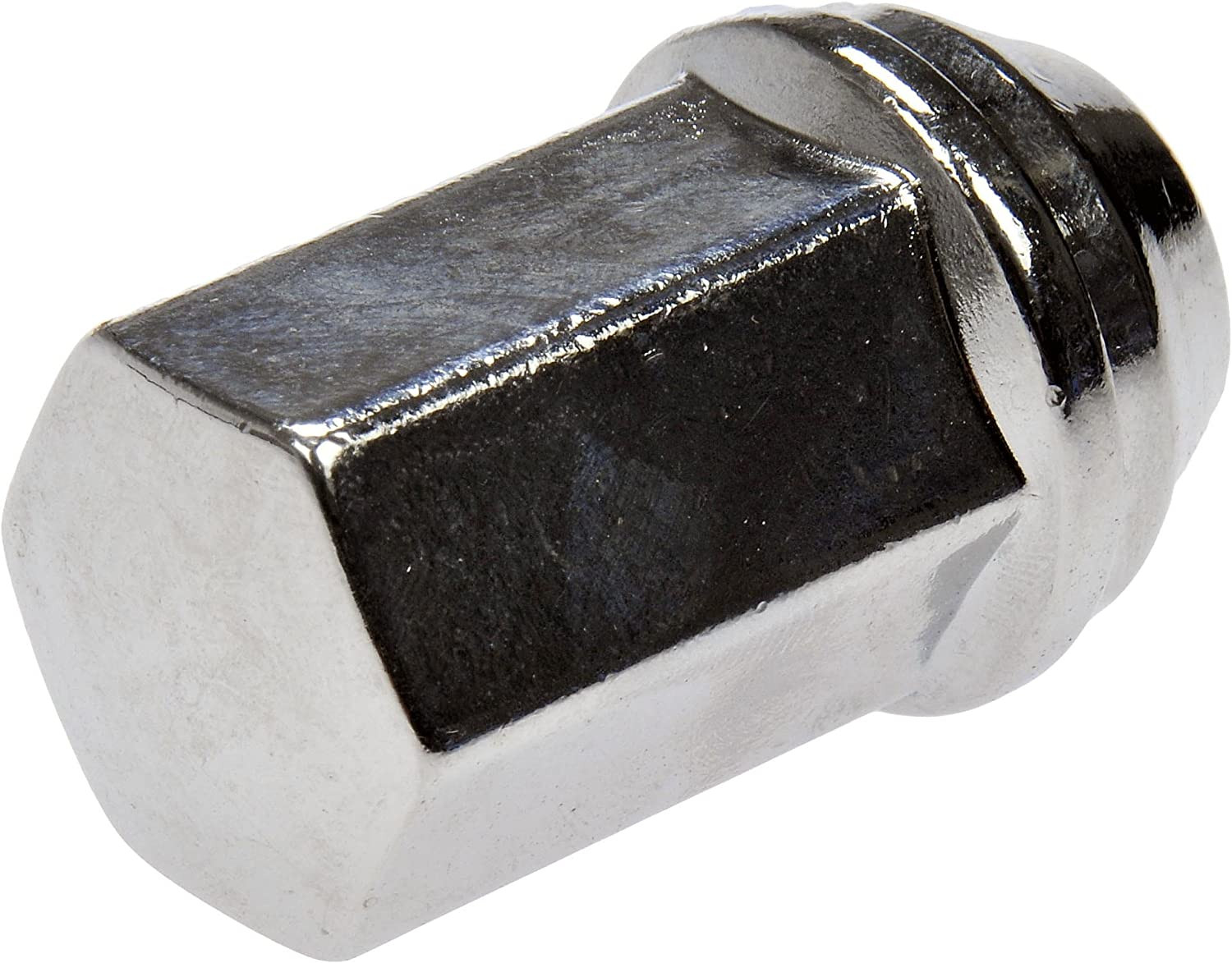
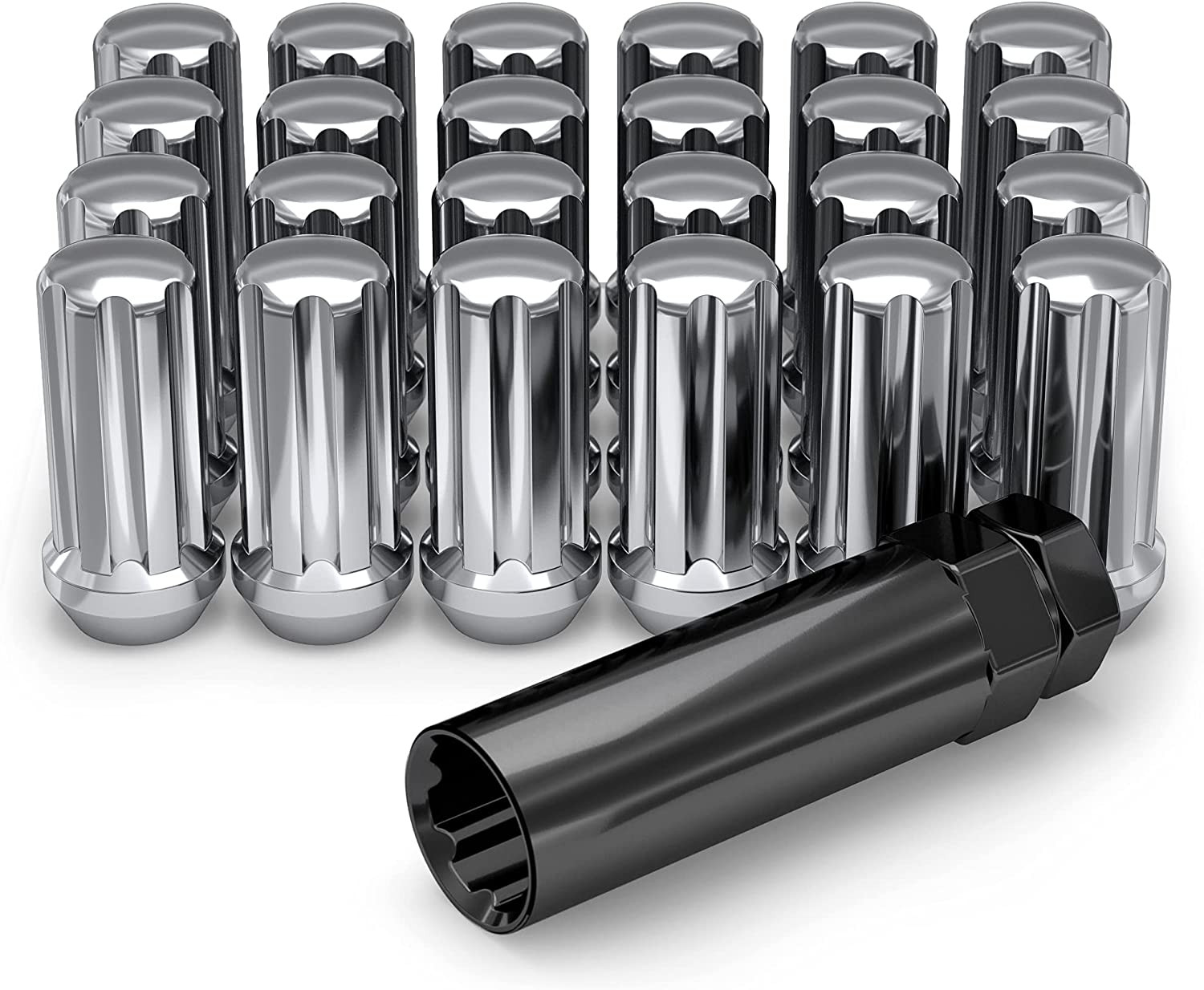
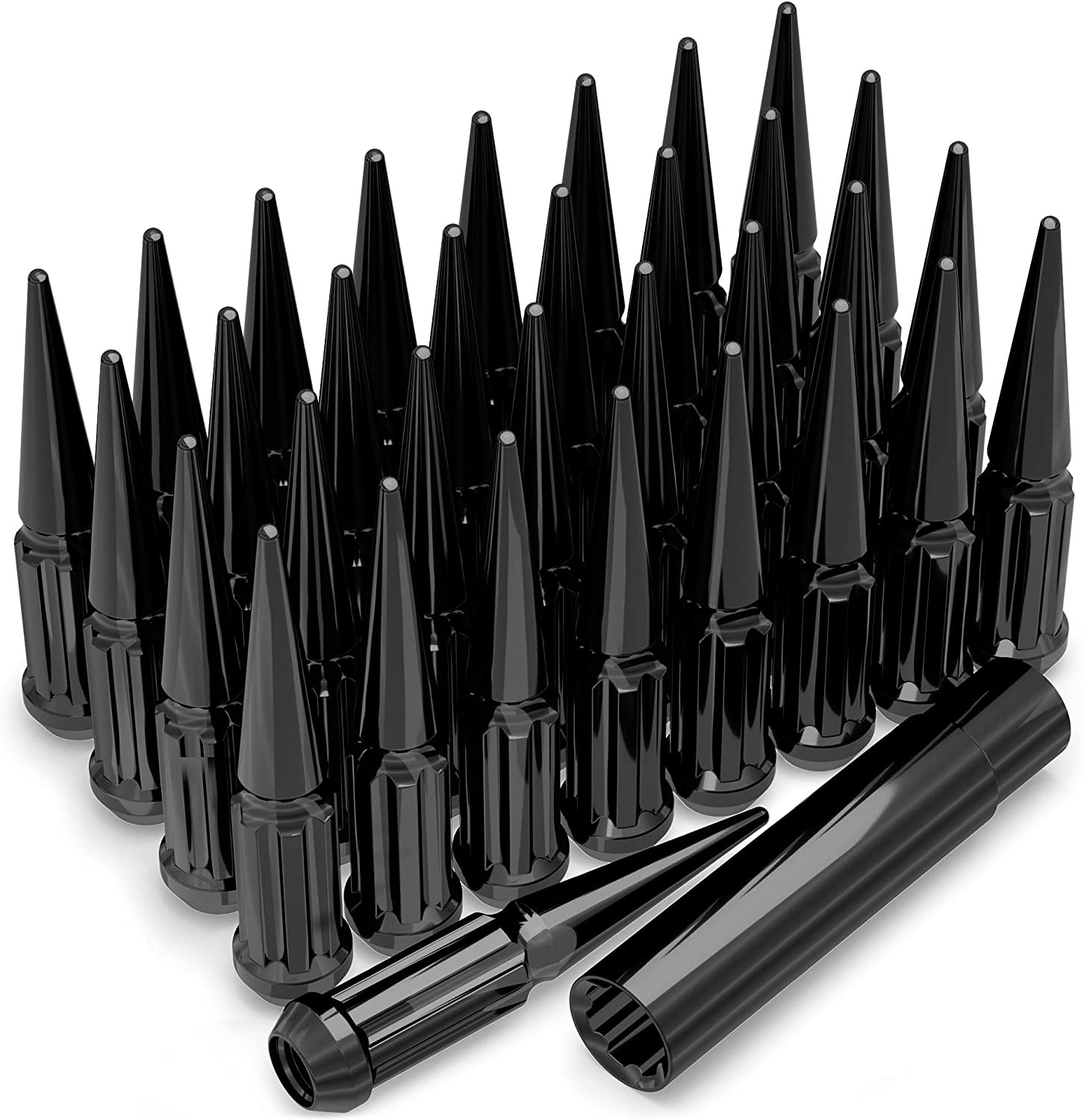
- Thread size and seat type: Threads are M14 x 1.5. Match the lug nut seat style to the wheel (commonly conical 60 degree for aftermarket). Never mix seat styles.
- Offset and backspacing: Use the calculator to compare against the known OEM ET +31 mm and backspacing 4.72 in. Ensure you maintain safe inner clearance to the knuckle, control arms, sway bar, and brake lines, and avoid excessive outer poke that may contact fenders at full compression or full steering lock.
- Brake clearance: If changing diameter or spoke design, test-fit to confirm caliper clearance. Spoke profiles vary.
- Load ratings: Wheel load rating and tire load index must meet or exceed the truck's axle loads. Check the door jamb label for GAWR and match accordingly.
- Tire diameter: Compare tire diameter in the calculator. Larger diameters can affect gearing and speedometer. Verify turning and compression clearance.
- Spacers or adapters: If used, they must match M14 x 1.5 hardware and correct hub-centricity to 78.1 mm. Recalculate effective offset in the tool.
- TPMS: If your truck is equipped, ensure new wheels accept the sensors or plan for appropriate service parts. Some 2003 trucks may not have TPMS. Verify by inspection.
Plus Sizing And Common Upgrades
Starting from the known OEM 245/75R16 on a 16x7 ET +31 wheel, you can explore upsized options with the calculator. The examples below are for comparison only. They are not guarantees of fit. Always verify clearances on your specific truck and consult OEM data.
- Same-diameter idea: 245/70R17 has a similar overall diameter to 245/75R16, useful when moving to a 17 inch wheel while keeping speedometer error small.
- Wider tire on 16 inch: 265/70R16 is slightly larger in diameter than 245/75R16. Check inner clearance and fender clearance at full lock and full compression.
- Street-oriented larger diameters: 18 or 20 inch wheels typically require lower-profile tires to keep overall diameter reasonable. Use the calculator to keep diameter change modest and to manage offset so the tire does not contact suspension or fenders.
Tip: Calculate overall tire diameter as wheel diameter plus two sidewalls. Example for 245/75R16: diameter is approximately 30.5 in. Keep your comparison near that to reduce calibration changes.
Installation Tips
- Prep: Clean hub faces and wheel mounting pads to bare metal. Remove rust ridges that can cause runout.
- Hub-centric rings: If using rings to step an aftermarket wheel down to 78.1 mm, seat them fully in the wheel before mounting.
- Mounting: Hand-start all lug nuts to avoid cross-threading. Tighten in a star pattern.
- Torque: Use a calibrated torque wrench. The correct torque can vary by wheel material and hardware. Follow the wheel manufacturer and OEM service information. Re-torque after 50 to 100 miles.
- Test clearance: With the truck safely supported, turn lock-to-lock and check for contact with liners, sway bar, and brake hoses. Bounce the suspension or carefully cycle travel to check compression clearance.
- Balancing: Request road-force or dynamic balancing to minimize vibration. If vibration occurs, verify hub-centric fit and wheel runout.
Tools And Helpful Supplies
FAQs
Is 6x139.7 the same as 6x5.5?
Yes. 6x139.7 mm is the metric equivalent of 6x5.5 inches.
What happens if I change offset from the OEM +31 mm?
Offset changes move the wheel inboard or outboard. Lower offsets push the wheel outward and can increase fender poke. Higher offsets move inward and can reduce suspension and brake clearance. Use the calculator to see inner clearance and outer poke changes compared to +31 mm and verify on the truck.
Do I need hub-centric rings on this truck?
If your aftermarket wheel has a center bore larger than 78.1 mm, hub-centric rings are recommended to center the wheel on the hub. If the wheel bore is exactly 78.1 mm, rings are not used.
Can I reuse my OEM lug nuts with aftermarket wheels?
Only if the seat type and thread size match the new wheels. The Silverado uses M14 x 1.5 threads. Many aftermarket wheels require 60 degree conical seats that differ from some OEM nuts. Match seat type exactly.
How much tire diameter change is acceptable?
As a general guideline many installers try to keep overall diameter within about 3 percent of stock to reduce speedometer, ABS, and gearing effects. This is not a guarantee of fit. Always check physical clearances.
Will 17, 18, or 20 inch wheels fit my 2003 Silverado 1500?
Some trims were offered with larger wheels, but exact compatibility depends on brake package, offset, width, and tire size. Use the calculator to compare against your truck and verify physically. Consult OEM documentation for your specific VIN.
Can I use wheel spacers?
Only high-quality spacers or adapters that match M14 x 1.5 hardware and maintain hub-centricity to 78.1 mm should be considered. Recalculate effective offset in the calculator and verify stud engagement and fender clearance.