2020 Chevrolet Blazer Wheel Interchange, Sizes, and Fitment Guide
1. Known OEM Fitment For 2020 Chevrolet Blazer
The values below reflect a known factory configuration for the 2020 Chevrolet Blazer. Other OEM options may exist depending on trim and package. If a value for your specific trim is not listed here, verify it on your driver door jamb tire placard, the owner’s manual, a GM service manual, or by checking OEM part numbers at a Chevrolet dealer.
| Bolt pattern | 6x120 |
| Center bore | 66.9 mm |
| Lug nut thread size | M12 x 1.5 |
| OEM rim diameter | 18 in |
| OEM rim width | 8.0 in |
| OEM offset (ET) | 50 mm |
| Backspacing | 5.97 in |
| OEM tire size | 235/65R18 |
Notes:
- If your Blazer has a different factory wheel or tire size, record that as your baseline before comparing changes.
- Staying close to the OEM offset and overall tire diameter usually preserves steering feel and clearance. If your trim differs, use the on-page calculator to compare your exact baseline to any candidate setup.
2. How To Use The Wheel Interchange Calculator
The calculator lets you compare a donor vehicle’s wheel-tire setup to your 2020 Blazer, or test custom sizes. It shows changes in offset, backspacing, track width, and tire diameter.
- Pick Wheels from (donor vehicle) to load the other vehicle’s stock setup. If you do not know the donor’s exact spec, enter it manually in Custom wheel size and Custom tire size.
- Set Installed on (your vehicle) to 2020 Chevrolet Blazer and confirm the baseline matches your door placard or owner’s manual. If your Blazer’s OEM size differs from the table above, enter your actual size.
- Adjust Custom wheel size: change rim diameter, width, and offset. The tool updates backspacing and clearance deltas automatically.
- Adjust Custom tire size: set section width and aspect ratio. When you change rim diameter, the tire diameter comparison updates so you can keep overall diameter within a reasonable range.
- Review results: watch inner clearance to the suspension and brakes, outer poke relative to the fender, speedometer error from tire diameter change, and scrub radius implications from large offset shifts.
- Use the readouts to determine if spacers, different offset, or a different tire profile are needed. Always confirm physically before driving.
3. Fitment Checklist Before You Buy
Work through this list to avoid vibration, rubbing, or unsafe handling.
- Bolt pattern: Wheel must be 6x120.
- Center bore: The Blazer hub is 66.9 mm. Aftermarket wheels typically have a larger bore. Use hub-centric rings sized to your wheel’s bore down to 66.9 mm. Do not use a wheel with a smaller bore than the hub.
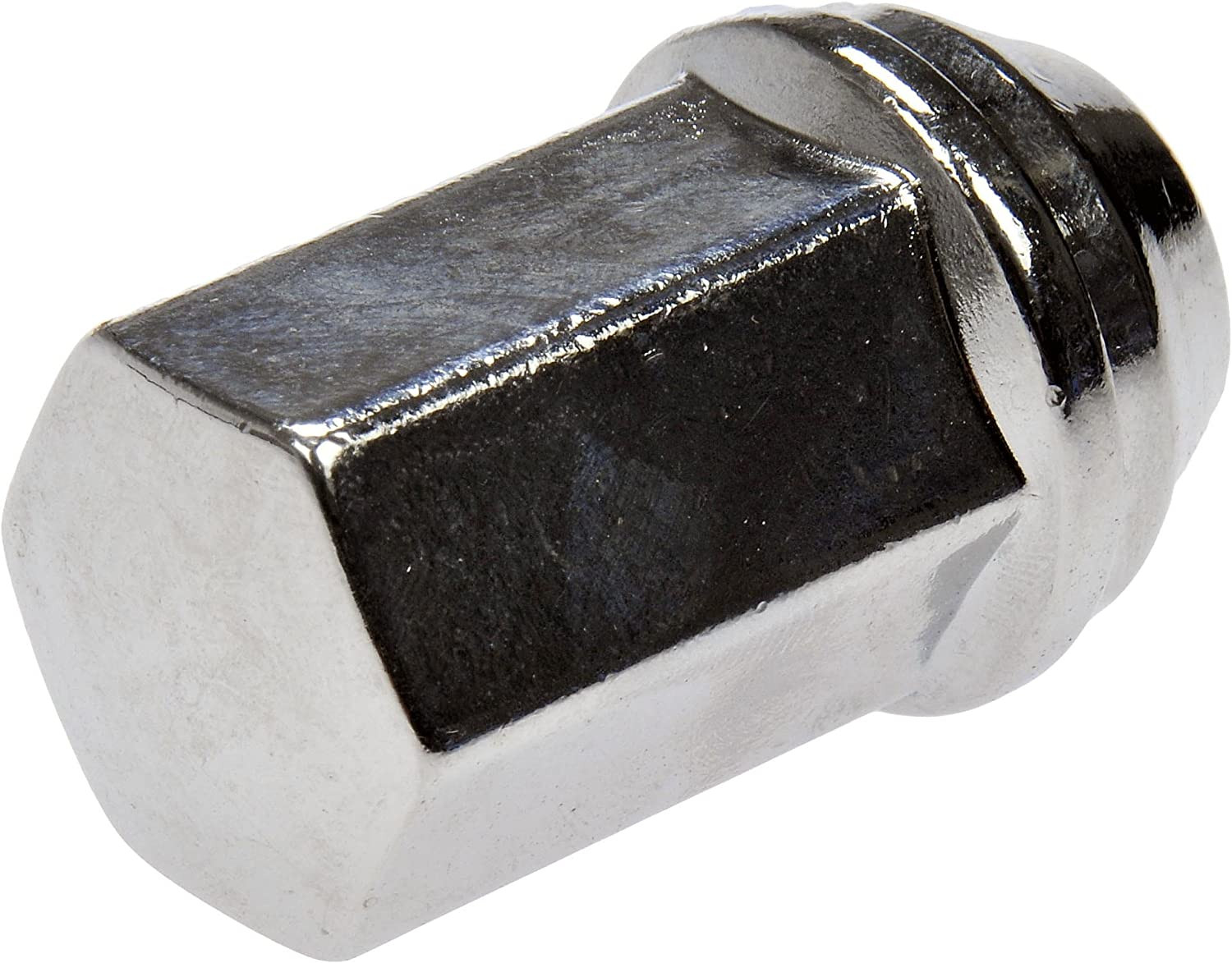
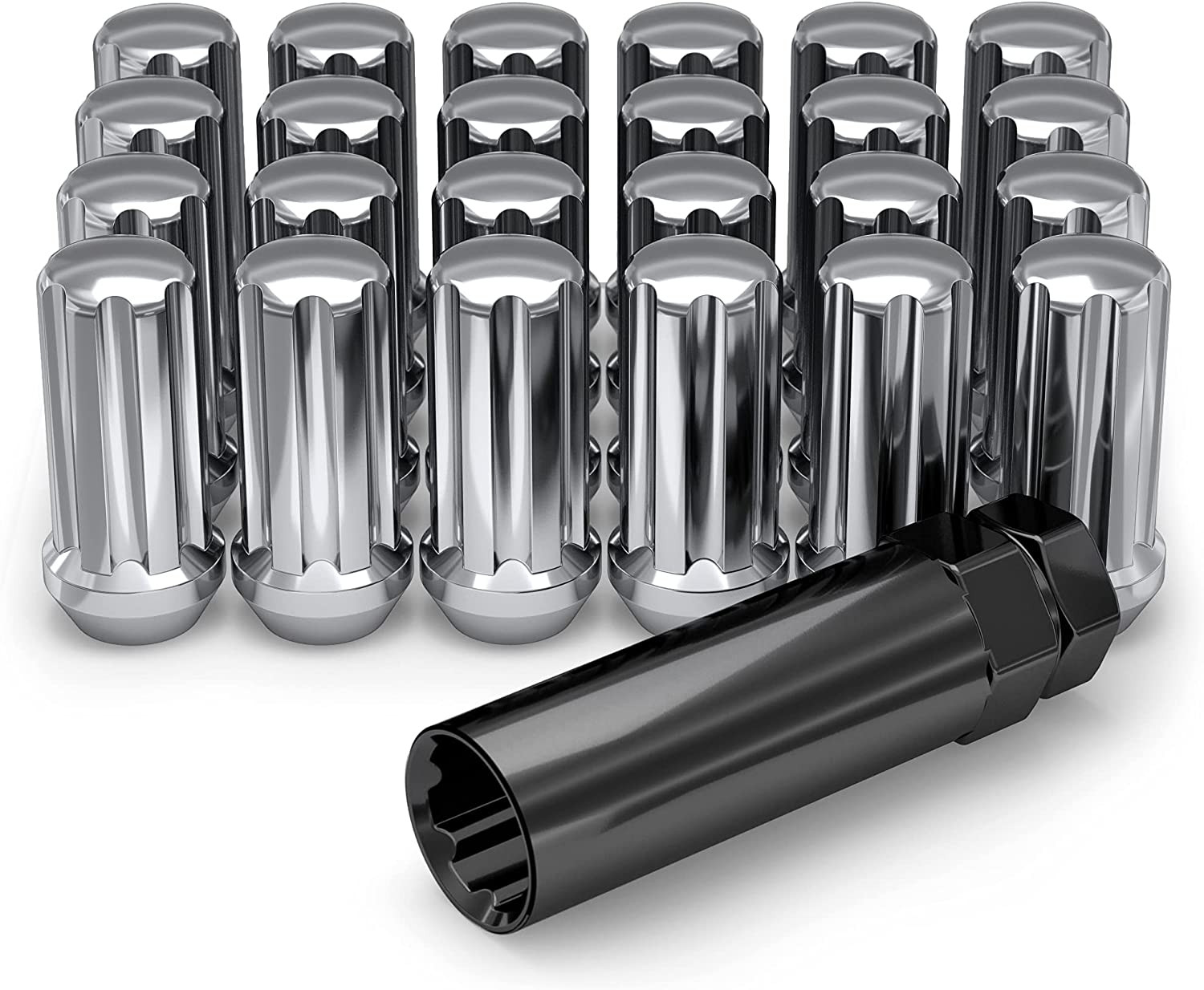
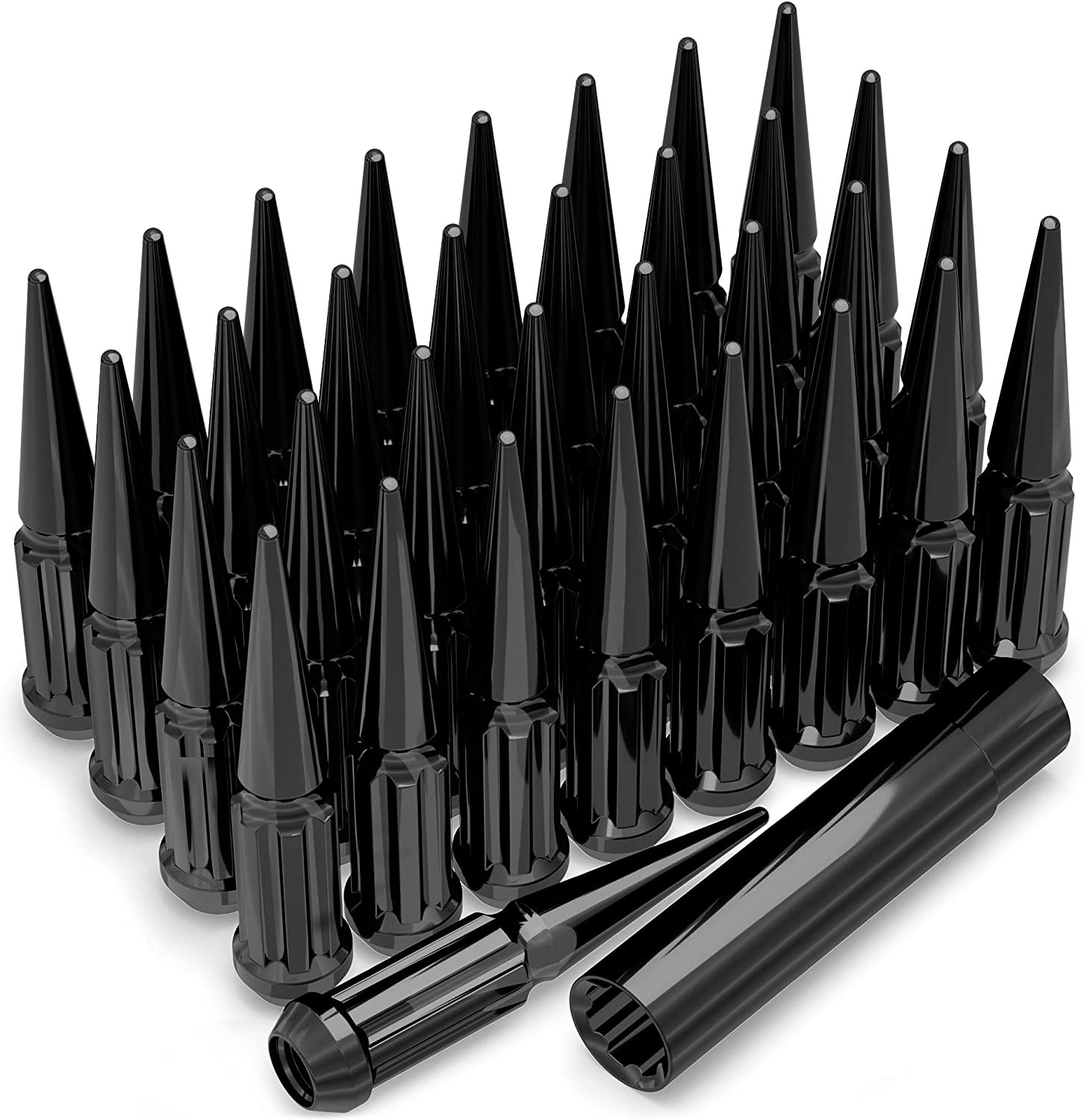
- Lug hardware: Thread is M12 x 1.5. Match the seat type to the wheel (commonly 60 degree conical for aftermarket). Ensure at least 7.5 to 8 full turns of engagement for M12 studs.
- Offset and backspacing: Start from the OEM 50 mm offset and check calculator clearance deltas. Too much positive offset may hit struts or control arms. Too little may poke past fenders and increase steering kickback.
- Brake and suspension clearance: Test spoke-to-caliper and barrel-to-caliper clearance. A minimum of 3 mm static clearance is a common target, more if off-road or towing.
- Fender and liner clearance: At full lock and over bumps. Consider tire section width and shoulder shape.
- Tire load index and speed rating: Meet or exceed the OEM placard. Do not downgrade load capacity.
- TPMS: Plan to transfer sensors or install compatible replacements. Verify frequency and protocol with a GM parts source before ordering.
- Spacers: If required, use hub-centric spacers that maintain 66.9 mm hub location and correct lug engagement. Recalculate effective offset.
- Overall diameter: Keep close to stock to protect gearing, ABS, and speedometer accuracy. The calculator shows diameter change and estimated speed error.
4. Plus Sizing And Common Upgrades
Plus sizing changes wheel diameter and tire profile to maintain a similar overall tire diameter. The calculator makes this easy to visualize. The examples below are for learning only, not guaranteed fitment. Confirm on your Blazer using your actual OEM baseline and a physical test fit.
- Plus-one concept: Increase wheel diameter by 1 inch and reduce tire aspect ratio so the tire diameter stays close to stock. Example from 235/65R18: you might explore a 19 inch wheel with a tire that keeps overall diameter similar. Use the calculator to fine tune width and aspect ratio, then check clearances.
- Plus-two concept: Similar approach moving to a 20 inch wheel while holding overall diameter near stock. Wider tires increase section width and may require different offset to avoid rubbing.
- Wider wheels: If you widen beyond 8.0 inches, offset often must change to maintain inner clearance. The calculator will show how much inner clearance you lose or gain and how far the outer lip moves.
- All-terrain or winter tires: Many have squarer shoulders and can run larger than their nominal size. Leave extra clearance compared to a performance street tire of the same size.
5. Installation Tips
Prepare the area, secure the vehicle on level ground, and follow your Chevrolet jacking instructions. Do not rely on a jack alone. Use jack stands.
- Test fit first: Bolt the new wheel without tire where possible to check caliper and hub fit. Verify the center bore seats fully on the 66.9 mm hub. Confirm the correct lug seat type.
- Torque: Tighten lugs by hand in a star pattern, then torque in stages to the specification in your owner’s manual or GM service manual. Re-torque after 50 to 100 miles.
- TPMS: Swap sensors with new seals or install compatible sensors, then perform the GM relearn procedure as specified for your vehicle.
- Clearance check: With tires mounted, cycle steering lock to lock and compress the suspension if possible. Listen and look for contact.
- Tire pressure: Set cold pressures to the door placard unless your new tire requires a higher pressure to meet load rating. Do not exceed wheel or tire limits.
6. Tools And Helpful Supplies
Have the right tools on hand to install and verify fitment safely.
7. FAQs
What is the bolt pattern on the 2020 Chevrolet Blazer?
It is 6x120 based on the known OEM fitment listed above.
What center bore do I need for hub-centric fit?
The Blazer hub is 66.9 mm. If your wheel’s center bore is larger, use rings that reduce the wheel bore to 66.9 mm. A wheel with a smaller bore will not fit without machining.
What lug nut thread size does it use?
M12 x 1.5. Match the lug seat type to the wheel design and ensure proper thread engagement.
Can I run a different wheel diameter or width?
Often yes, but it depends on offset, brake clearance, and tire choice. Use the calculator starting from your exact OEM size, keep overall tire diameter close to stock, and verify clearances with a physical test fit. Do not assume a size will fit across all trims.
Will 17 inch wheels clear the brakes?
Unknown. Brake package and wheel barrel shape determine clearance. Enter the candidate wheel in the calculator, then physically test fit to confirm barrel-to-caliper clearance before driving.
What offset should I use?
OEM offset is 50 mm in the known configuration. If you change wheel width or diameter, use the calculator to see inner and outer movement. Staying near the OEM effective position helps maintain handling and reduces rubbing risk.
Do I need new TPMS sensors?
Many owners transfer OEM sensors, but compatibility varies by sensor type and frequency. Confirm with a GM parts catalog using your VIN or consult a tire shop, then perform the relearn procedure after installation.
What is the correct lug torque?
Torque values can vary. Refer to your owner’s manual or GM service information for the exact specification for your 2020 Blazer, and torque in a star pattern. Re-torque after 50 to 100 miles.
Are spacers safe on the Blazer?
Only when high quality, hub-centric, correctly sized to 66.9 mm, and when they preserve proper thread engagement and stud strength. Recalculate effective offset with the spacer thickness and verify clearances.
How close should tire diameter be to stock?
Many installers target within a few percent of OEM to limit speedometer error and protect ABS and gearing. Use the calculator to quantify the difference and choose accordingly.