2002 Chevrolet Impala Wheel Fitment Guide
Known OEM Fitment For 2002 Chevrolet Impala
The specifications below reflect a common factory setup for the 2002 Chevrolet Impala. Some values can vary by trim or market. If your car’s door-jamb tire placard or OEM service data shows different specs, use those as the baseline and verify changes with the on-page calculator.
| Bolt pattern (studs x PCD) | 5x115 |
| Center bore (mm) | 70.3 |
| Thread size | M12 x 1.5 |
| Rim diameter (in) | 16 |
| Rim width (in) | 6.5 |
| Wheel offset ET (mm) | 52 |
| Backspacing (in) | 5.3 |
| Tire size | 225/60R16 |
Approximate OEM tire diameter is about 26.6 inches, calculated from 225/60R16. Always verify with the calculator and your tire’s published specs.
How To Use The Wheel Interchange Calculator
The calculator lets you compare a potential donor wheel or a custom size against your 2002 Impala’s baseline. It displays inner and outer clearance changes, tire diameter difference, and speedometer variance so you can decide safely.
- Start by selecting Installed on (your vehicle) as 2002 Chevrolet Impala. Confirm the baseline values match your door-jamb placard or OEM data. Update if needed.
- If you want to test wheels from another vehicle, choose that in Wheels from (donor vehicle). The tool will auto-fill the donor specs if available.
- To try aftermarket options, use Custom wheel size to enter rim diameter, width, and offset you are considering.
- Set Custom tire size to the section width and aspect ratio you want. When you change rim diameter, the tool updates tire diameter in the comparison so you can keep overall diameter close to stock.
- Review inner clearance to strut or spring, outer poke relative to the fender, and tire diameter change. Aim for minimal interference and a small diameter variance.
- Use the speedometer change output to keep error low. Many installers target less than about 3 percent difference.
- Before buying, measure your vehicle for brake caliper and knuckle clearance, then confirm those measurements against the calculator results.
Fitment Checklist Before You Buy
Go through this list to avoid vibration, rubbing, or hardware problems.
- Bolt pattern must be 5x115. Do not rely on 5x114.3 without proper engineering. It is not recommended for safety and hub load reasons.
- Center bore is 70.3 mm. If an aftermarket wheel has a larger bore, use hub-centric rings sized 70.3 mm to the wheel’s bore. A smaller bore will not fit without machining.
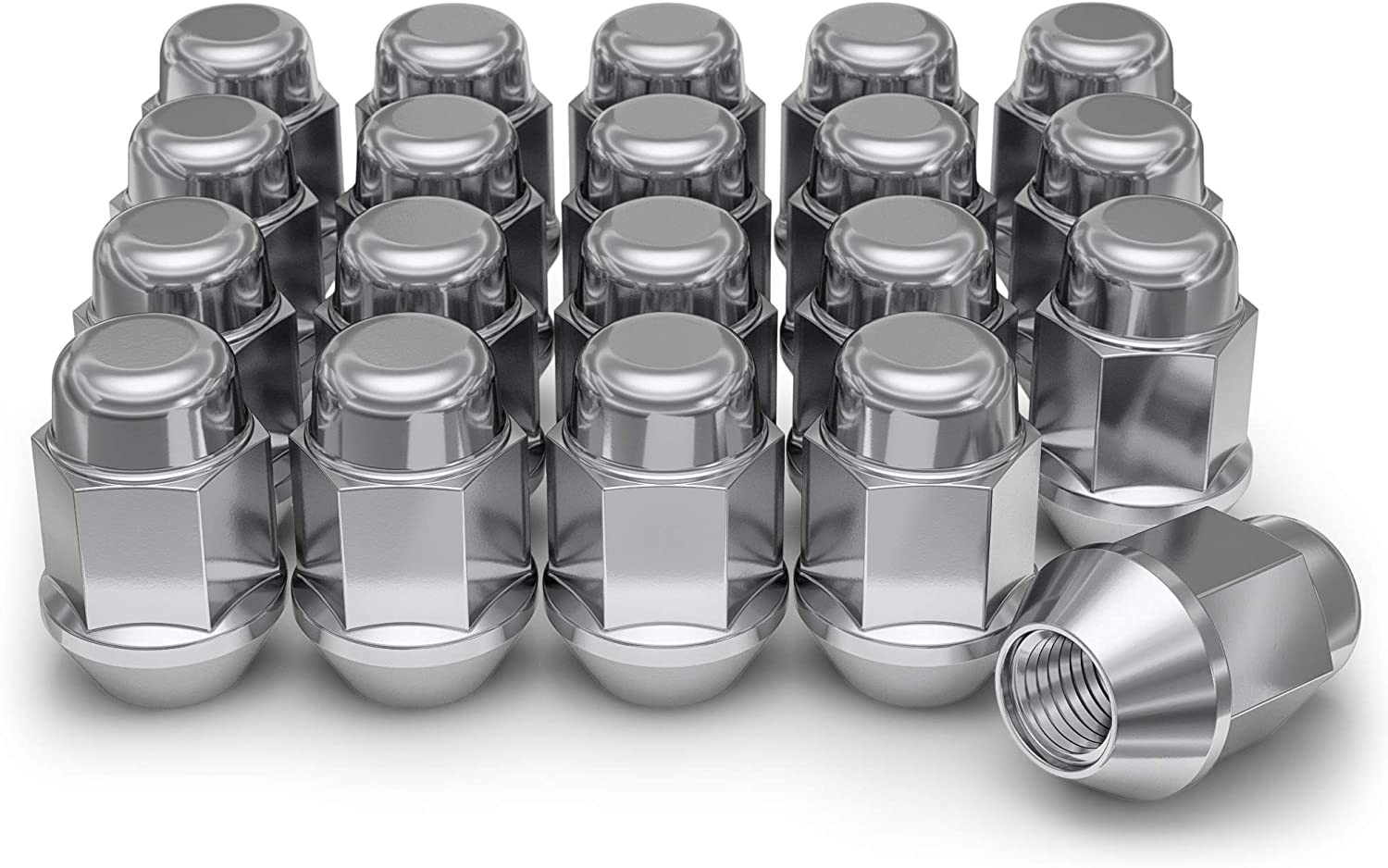
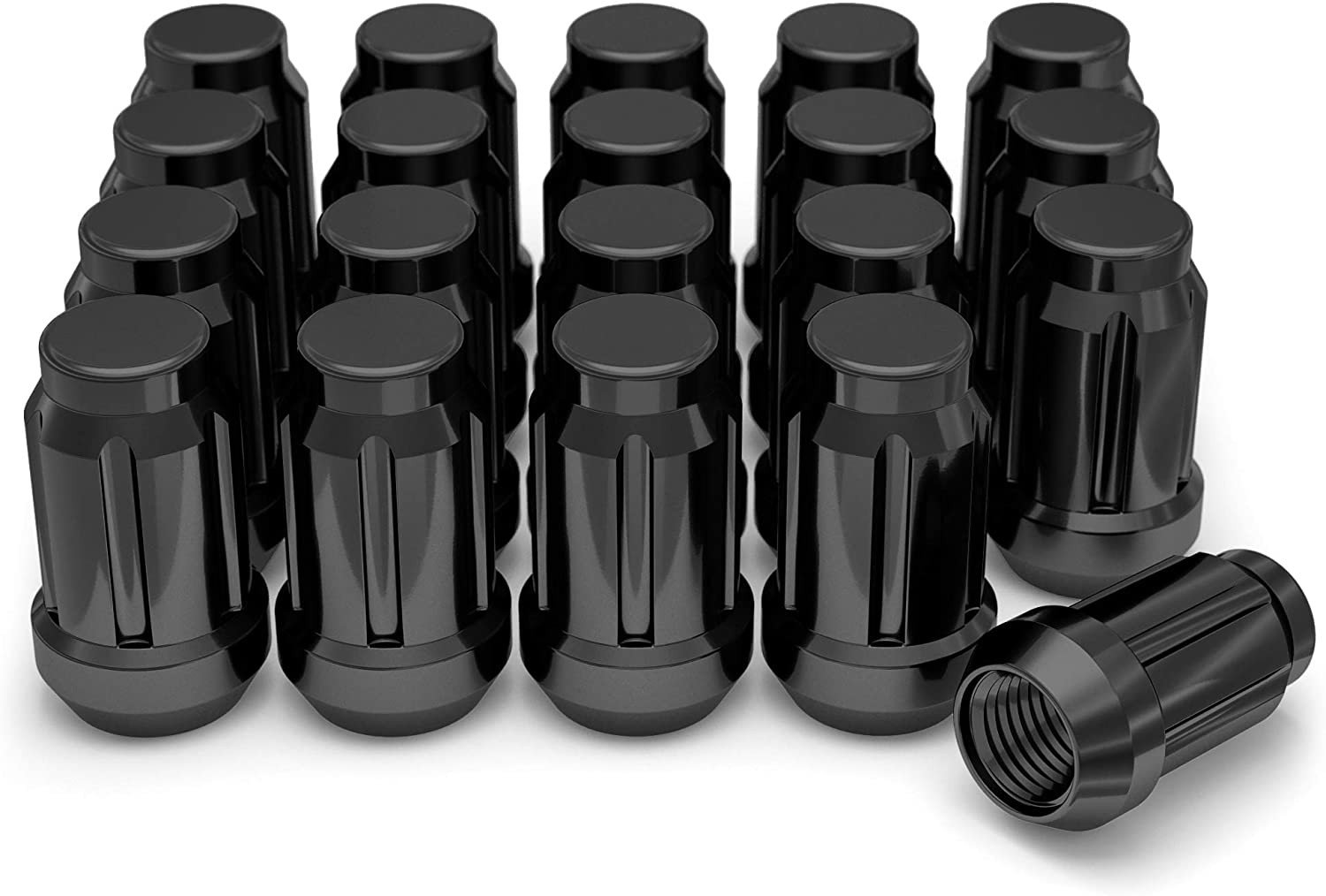
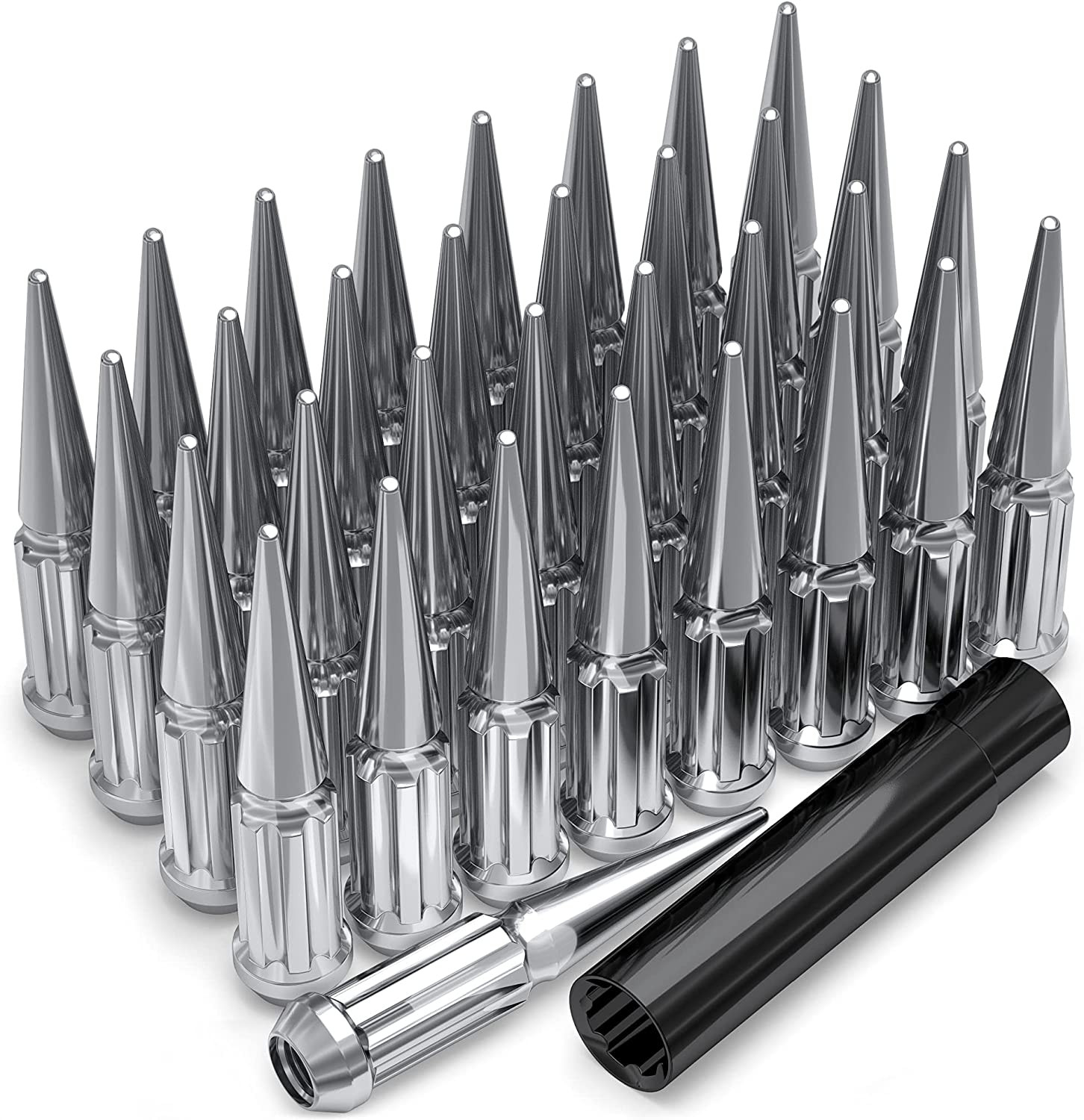
- Thread size is M12 x 1.5. Verify the lug nut seat type matches the wheel design. Many aftermarket wheels use 60 degree conical seats, but confirm with the wheel seller.
- Offset affects inner and outer clearance. Compare your chosen offset and width in the calculator to ensure strut, spring, and fender clearance.
- Brake caliper and barrel clearance. Test fit and spin the wheel by hand to confirm no contact with calipers or balance weights.
- Tire overall diameter. Keep close to the OEM diameter to protect ABS, traction control, and speedometer accuracy.
- Load rating. Wheels and tires must meet or exceed the vehicle’s GAWR and OEM tire load index.
- TPMS. If your vehicle is equipped, plan for sensor transfer or new sensors as needed. Follow relearn procedures per OEM guidance.
- Spacers. If spacers are required, use quality hub-centric spacers and ensure proper thread engagement with longer studs if needed.
- Alignment. After significant wheel or tire changes, have the alignment checked to protect tire wear and handling.
Plus Sizing And Common Upgrades
The factory baseline is 16x6.5 ET52 with 225/60R16. Many owners explore 17 inch or 18 inch packages. Whether they fit your 2002 Impala depends on exact width, offset, tire size, and brake clearance. Use the calculator to validate.
Examples to try in the calculator, not guarantees of fitment:
- 17 inch example to test: 17x7 to 17x8 with a tire like 235/50R17. Compare poke, inner clearance, and diameter change against stock.
- 18 inch example to test: 18x7.5 to 18x8 with a tire like 245/45R18. Confirm fender and strut clearance and speedometer variance.
Aim to keep overall tire diameter close to the OEM 26.6 inches and speedometer change minimal. Always measure your car and test fit before committing.
Installation Tips
- Test fit one front and one rear wheel without a tire if possible to confirm caliper and hub seating. Verify full hub contact and correct lug seat engagement.
- Clean the hub face and the wheel mounting pad. Remove rust and debris. A thin film of high-temperature anti-seize on the hub pilot can help prevent sticking, but keep it off the lug seats and threads.
- If using hub-centric rings, ensure they seat fully on the 70.3 mm hub and into the wheel bore. Plastic or aluminum rings are both common. Do not force a loose or tight ring.
- Hand thread all lug nuts, then tighten in a star pattern in stages. Use a calibrated torque wrench and tighten to the OEM specification from the owner’s manual or service information.
- After 50 to 100 miles of driving, recheck lug torque on aftermarket wheels. Recheck again after any track use or heavy load.
- Verify tire clearance at full lock and over bumps. Listen for rubbing and inspect inner fender liners and strut areas.
Tools And Helpful Supplies
FAQs
What is the bolt pattern for the 2002 Chevrolet Impala?
It is 5x115.
Can I use 5x114.3 wheels on a 5x115 hub?
This is not recommended. The mismatch can prevent proper hub centering and clamp load distribution. Use wheels drilled for 5x115.
What offset do I need on aftermarket wheels?
The OEM offset is ET52 on a 16x6.5 wheel. Aftermarket options can work if inner and outer clearances remain safe. Use the calculator to compare your width and offset to stock and measure your car for brake and fender clearance before buying.
Do I need hub-centric rings?
If your aftermarket wheel bore is larger than 70.3 mm, use rings sized 70.3 mm to the wheel bore to ensure hub-centric mounting and reduce vibration. If the wheel bore is 70.3 mm, rings are not required. A smaller bore will not fit.
What lug nuts should I use?
The thread size is M12x1.5. Match the lug nut seat style to the wheel’s seat profile, commonly a 60 degree conical for many aftermarket wheels. Use the OEM torque specification from the manual.
Will spacers help if my wheels touch the strut?
Possibly, but only use quality hub-centric spacers and ensure adequate thread engagement. You may need longer wheel studs. Recalculate clearances with the spacer thickness in the calculator and verify fender clearance.
What tire pressure should I run?
Use the pressures on your driver door-jamb placard as the primary reference. Adjust only as needed for load and conditions.
How close should my new tire diameter be to stock?
Keep overall diameter close to the OEM 225/60R16 baseline, which is about 26.6 inches. Many installers target a small variance to minimize speedometer and ABS effects. Confirm the exact change in the calculator.
Do I need an alignment after changing wheels or tires?
It is a good idea to check alignment after significant changes or if you notice pull, vibration, or uneven wear. Proper alignment protects handling and tire life.