2004 Chevrolet Suburban 1500 Wheel Fitment Guide | wheelinterchange.com
Known OEM Fitment For 2004 Chevrolet Suburban 1500
The values below reflect known factory specifications for the 2004 Chevrolet Suburban 1500. If your vehicle has special appearance, towing, brake, or suspension packages, some dimensions or clearances can differ. If anything is unknown for your specific trim, use the on-page calculator to test changes and confirm against your owner manual, the factory wheel label, or a GM dealer using your VIN.
| Bolt pattern | 6x139.7 |
| Center bore | 78.1 mm |
| Thread size | M14 x 1.5 |
| OEM rim diameter | 16 in |
| OEM rim width | 7.0 in |
| OEM wheel offset (ET) | 31 mm |
| OEM backspacing | 4.72 in |
| OEM tire size | 265/70R16 |
Reference tire diameter from 265/70R16 is about 30.6 in. Use this when comparing plus sizes so speedometer error stays within about 3 percent unless you plan to recalibrate.
How To Use The Wheel Interchange Calculator
The calculator lets you compare a donor wheel and tire to your Suburban 1500 and immediately see changes to inner clearance, poke, ride height, and speedometer error.
- Set Installed on to 2004 Chevrolet Suburban 1500. The OEM fields will prefill from the data above.
- Pick Wheels from to match a potential donor vehicle or select Custom wheel size to enter rim diameter, width, and offset you want to try.
- Adjust Custom tire size if you are changing section width or aspect ratio. When you change rim diameter, the tool updates overall tire diameter for a realistic comparison.
- Review results. Inner clearance indicates room to suspension and brakes. Outer poke shows fender coverage. Tire diameter change shows ride height and speedometer impact.
- Iterate until inner clearance is safe, outer poke is acceptable, and total diameter is within your target range. Always confirm final choices against physical measurements on your vehicle.
Fitment Checklist Before You Buy
Work through these items to avoid rubbing, vibration, or hardware issues.
- Bolt pattern match: 6x139.7 only. Adapters add complexity and thickness that can cause rubbing.
- Center bore: OEM hub is 78.1 mm. If an aftermarket wheel has a larger bore, use hub centric rings sized to 78.1 mm. If the bore is smaller, the wheel will not seat.
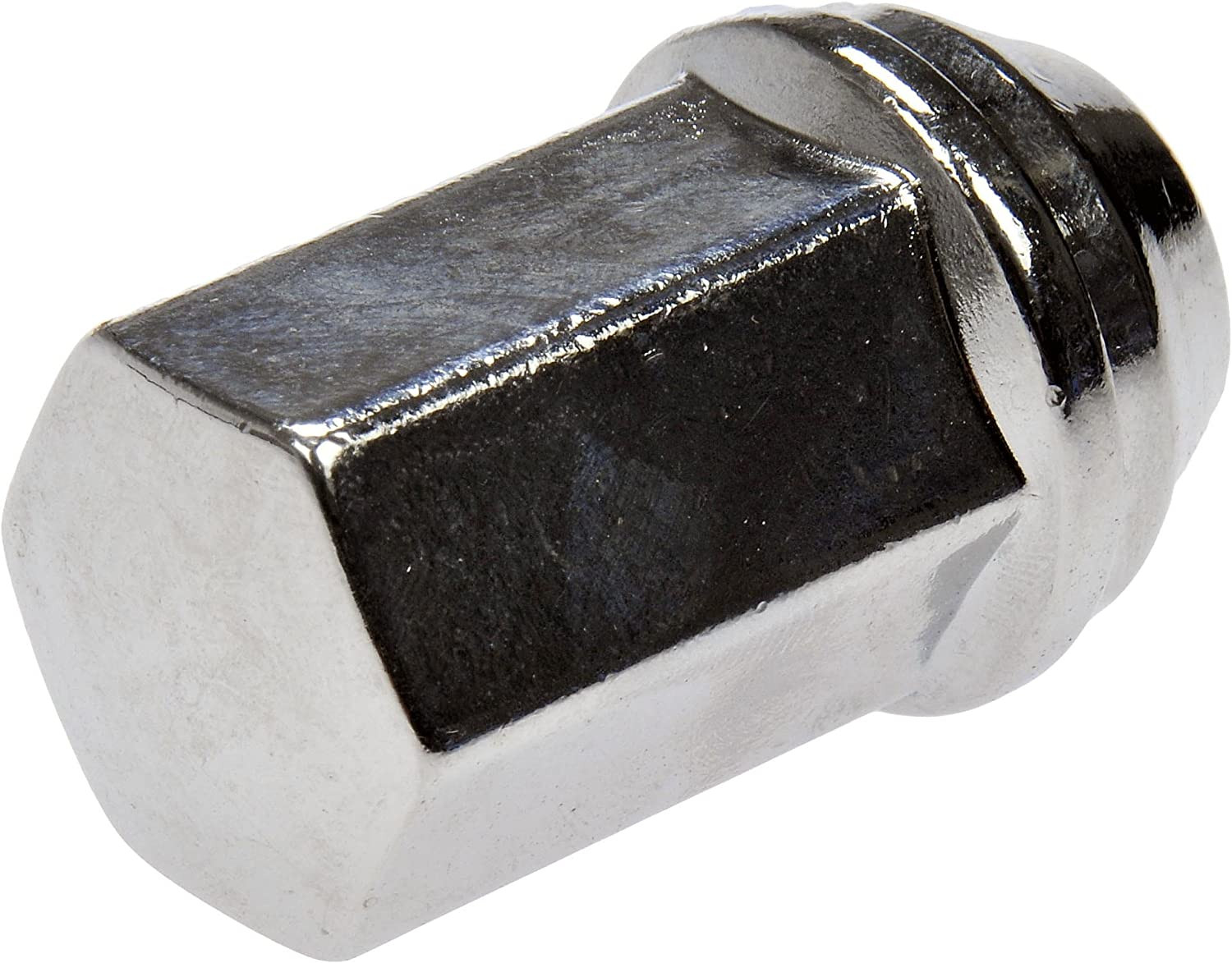
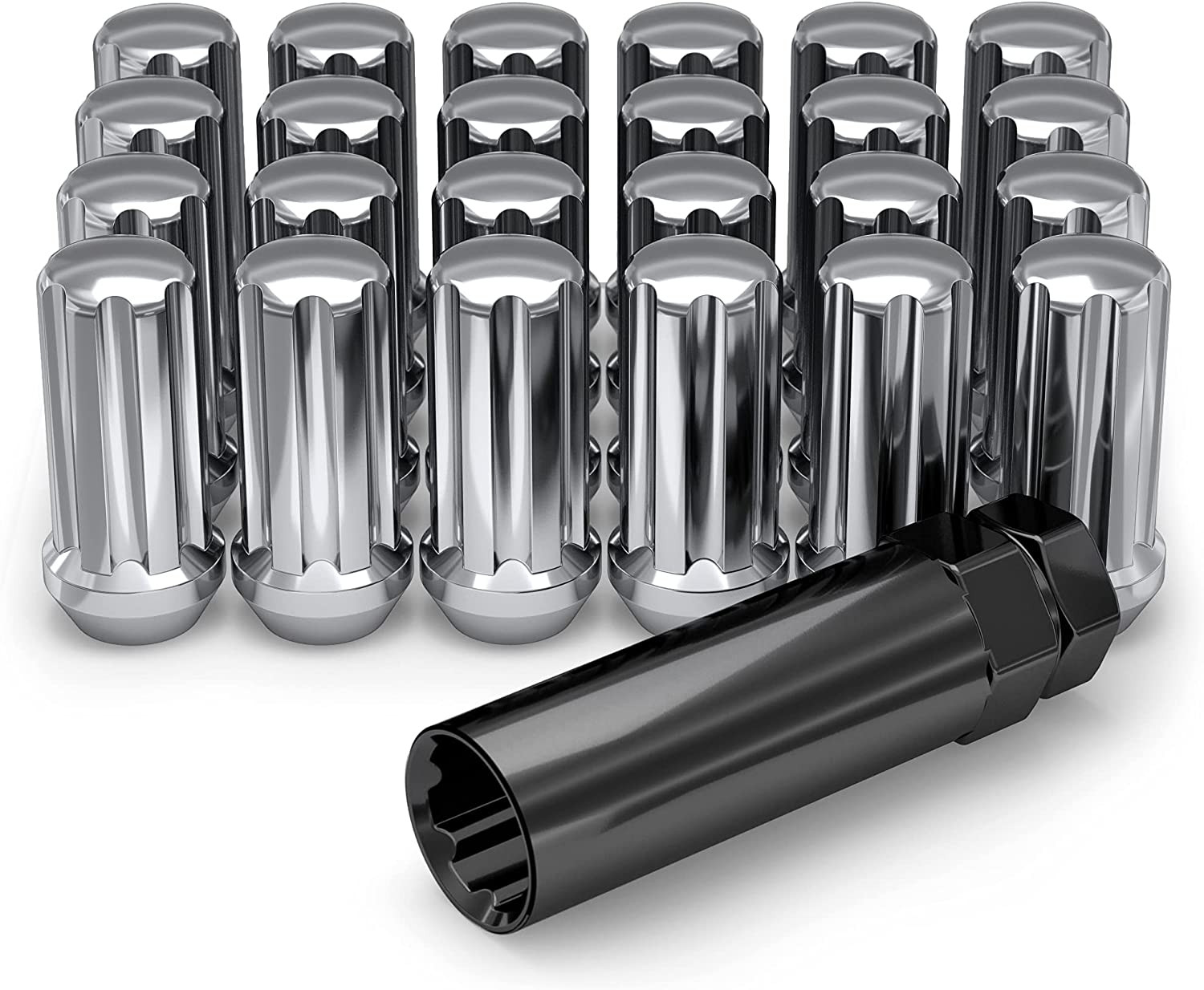
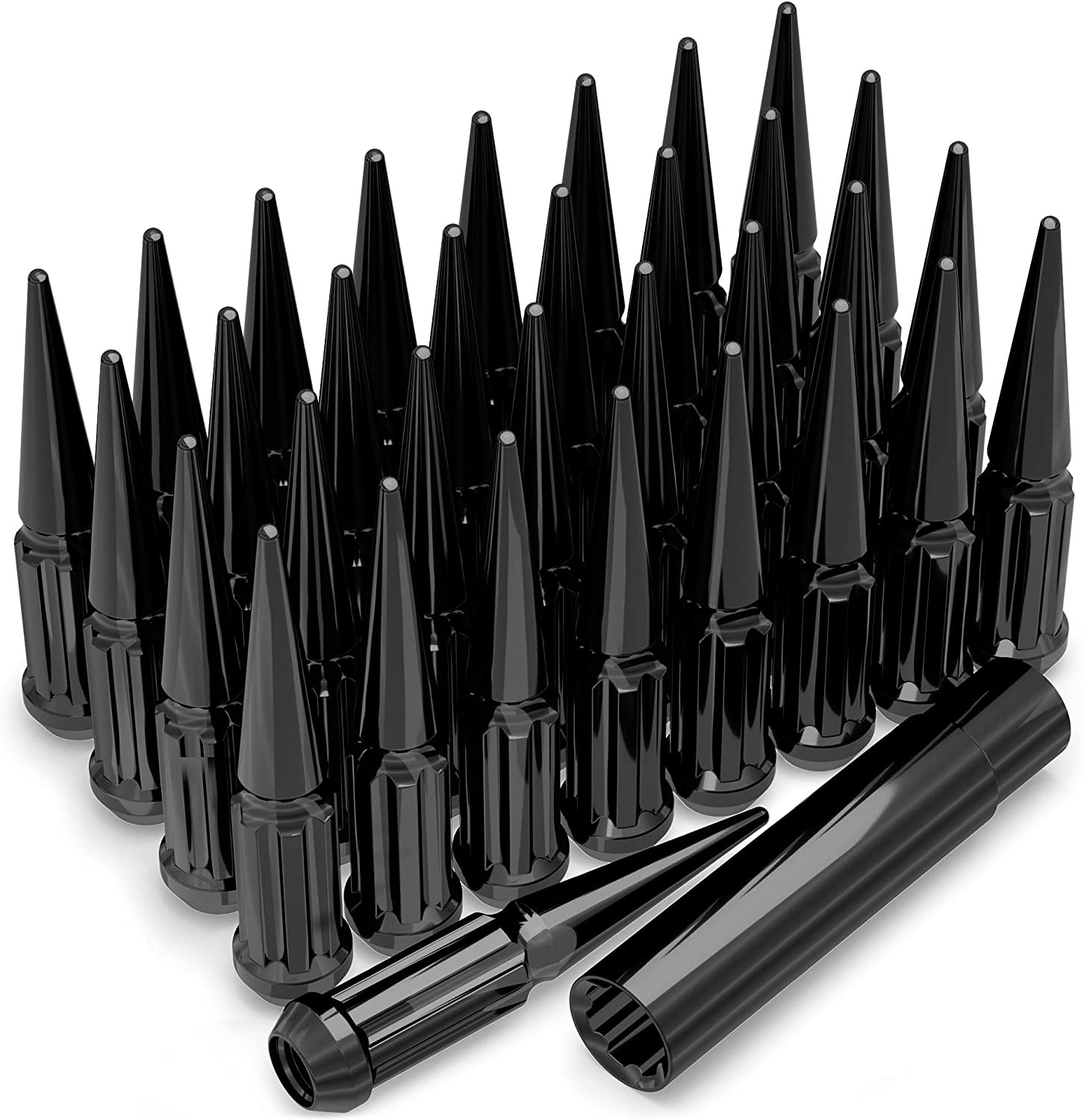
- Lug threads: M14 x 1.5. Verify lug nut seat style that matches the wheel design. Do not mix conical, mag, or shank seats.
- Load rating: Choose wheels and tires with load capacity equal to or greater than your Suburban 1500 axle ratings.
- Brake and suspension clearance: Use the calculator to check inner clearance with your brake package. Measure from the OEM wheel inner barrel to the nearest component as a baseline.
- Offset and width: Changes affect inner clearance and fender poke. Use the calculator to quantify the change and verify with a tape measure at full lock and full compression.
- Tire diameter: Keep overall diameter near 30.6 in for stock geometry unless you accept speedometer error or plan to recalibrate.
- Stud length: If using thicker wheel pads, adapters, or wheels with deep seats, make sure lug nuts achieve full thread engagement. At least the length of the stud diameter is a common target. Confirm with OEM guidance.
- TPMS: Equipment on 2004 models can vary by market and options. Check your cluster for a TPMS icon and confirm requirements in the owner manual before buying wheels or stems.
Plus Sizing And Common Upgrades
Start from the OEM tire diameter of about 30.6 in. The examples below are for comparison and planning. Final fit depends on wheel width, offset, brake package, and suspension height. Always verify with the calculator and physical measurements.
- 17 inch example near stock diameter: 265/65R17 is about 30.6 in.
- 18 inch example near stock diameter: 265/60R18 is about 30.5 in.
- 16 inch alternatives: 255/70R16 is about 30.1 in. 245/75R16 is about 30.5 in.
If you widen the wheel from 7.0 in to 8.0 or 9.0 in, inner clearance and outer poke change even at the same offset. Use the calculator to balance offset against width so the inner barrel clears the upper control arm, sway bar, and brake caliper, and the outer edge remains under the fender. Lift or leveling kits can help with larger diameters and widths but do not replace careful measurement.
Installation Tips
Safety first. Support the vehicle with jack stands on solid ground and chock opposite wheels. Wear eye protection and gloves.
- Test fit each wheel on the front and rear hubs before mounting tires. Confirm the wheel sits flush on the hub and spins freely without contacting calipers or suspension.
- Clean the hub face and center pilot with a wire brush. Remove rust and debris so the wheel seats flat.
- If the aftermarket wheel bore is larger than 78.1 mm, install correct hub centric rings. Verify ring seating in the wheel and on the hub.
- Match lug nut seat style to the wheel. Hand start nuts to avoid cross threading on the M14 x 1.5 studs.
- Tighten lugs in a star pattern with a torque wrench to the torque specified in your owner manual or OEM service information. Recheck torque after 50 to 100 miles.
- After installation, turn the steering from lock to lock and drive over a gentle bump while listening for contact. Inspect inner fender liners and control arms for witness marks.
Tools And Helpful Supplies
FAQs
What is the bolt pattern on the 2004 Suburban 1500?
It is 6x139.7. Only use wheels with this pattern unless a qualified shop has engineered a safe adapter solution.
What offset should I use with aftermarket wheels?
The known OEM offset is 31 mm on a 16x7 wheel. Suitable offsets for other widths depend on brake and suspension clearance. Use the calculator to model inner clearance and outer poke, then confirm with measurements on your vehicle.
Do I need hub centric rings?
If the aftermarket wheel center bore is larger than 78.1 mm, use rings sized to 78.1 mm for hub centering. If the wheel bore is 78.1 mm or smaller, do not force it. A smaller bore will not fit.
What lug nuts does it use?
The thread is M14 x 1.5. The correct seat style depends on the wheel design. Verify the seat type specified by the wheel manufacturer and match your lug nuts accordingly.
Will larger diameter tires fit without a lift?
There is no single answer because fit depends on tire width, wheel width, and offset. Use the OEM diameter of about 30.6 in as your baseline. Changes beyond about 3 percent often require trimming, a level kit, or recalibration. Always test with the calculator and measure at full lock and compression.
What is the correct lug torque?
Lug torque can vary by wheel material and fastener spec. Check your owner manual or OEM service literature for the exact torque and use a calibrated torque wrench.
How do I check brake caliper clearance?
Measure from the current wheel’s inner barrel to the nearest caliper point, then use the calculator to see how a new width and offset moves the inner barrel. You can also place modeling clay on the caliper, test fit the new wheel, and measure the compressed thickness.
Will my spare tire still fit if I change sizes?
If you change overall diameter or wheel diameter, the spare may not match. A temporary mismatch can stress differentials on 4WD vehicles. Keep the spare within your chosen diameter or plan for a compatible spare.