Wheel Fitment Guide For 2015 Dodge Dart
Known OEM Fitment For 2015 Dodge Dart
The data below reflects what we have on file for the 2015 Dodge Dart. Some trims may use different wheel and tire sizes. If a value is not shown for your specific trim, use the on-page calculator to compare your current setup, and confirm final specs via the tire placard on the driver door jamb, the owner manual, or an OEM parts lookup by VIN.
| Bolt pattern | 5x110 |
| Center bore | 65.1 mm |
| Thread size | M12 x 1.25 |
| OEM wheel diameter | 17 in (known on at least one trim). Other trims may differ. |
| OEM wheel width | 7.0 in (known on at least one trim). Other trims may differ. |
| OEM offset | ET 45 mm |
| Backspacing | 5.27 in |
| OEM tire size example | 205/55 R16 (known on at least one trim). Other trims may differ. |
Notes:
- The presence of a 17x7 wheel spec and a 205/55R16 tire spec indicates multiple OEM configurations across trims. Do not assume these are paired together on your vehicle.
- Always match the bolt pattern exactly and ensure the center bore is 65.1 mm or use quality hub-centric rings to adapt larger-bore aftermarket wheels.
How To Use The Wheel Interchange Calculator
The calculator lets you compare dimensions from a donor vehicle or custom wheel to your 2015 Dodge Dart. This helps you predict clearance, stance, and speedometer impact before you buy.
- Step 1. In Wheels from, enter the donor vehicle specs or select from the database. If you only know the wheel numbers, use Custom wheel size and Custom tire size to enter rim diameter, width, offset, and tire section width/aspect ratio.
- Step 2. In Installed on, select 2015 Dodge Dart. If your OEM size differs from what is shown by default, edit rim width, diameter, and offset to match your current wheels. You can read these off the back of the rim casting or from the door placard and OEM sources.
- Step 3. Review the calculator’s clearance results. Focus on inner clearance to the strut and spring perch, and outer poke toward the fender. Small changes in offset have a big effect. Increasing offset moves the wheel inward. Decreasing offset moves it outward.
- Step 4. Check rolling diameter. When you change rim diameter, the tool updates tire diameter based on the size you enter. Keep overall tire diameter close to stock to limit speedometer error and avoid rubbing.
- Step 5. Save or print the comparison and verify against your vehicle. If values vary by trim, confirm with the door placard, owner manual, or dealer VIN lookup.
Fitment Checklist Before You Buy
- Bolt pattern: Must be 5x110. Do not rely on wobble bolts or re-drilled wheels.
- Center bore: OEM 65.1 mm. If the wheel hub bore is larger, plan for hub-centric rings sized to 65.1 mm at the inner diameter.
- Offset and width: Use the calculator to compare inner clearance to the strut and outer poke to the fender. Verify brake caliper clearance for spoke design and barrel diameter.
- Tire diameter: Keep overall tire diameter close to your OEM setup to limit speedometer error and rubbing. Use the calculator for delta.
- Load rating: Wheel and tire load index must meet or exceed OEM ratings.
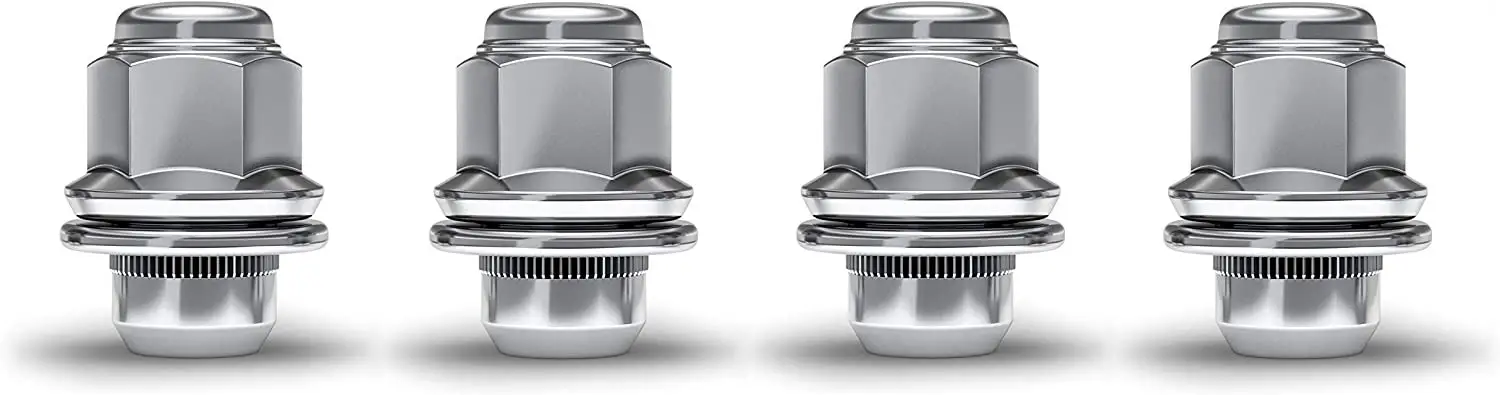
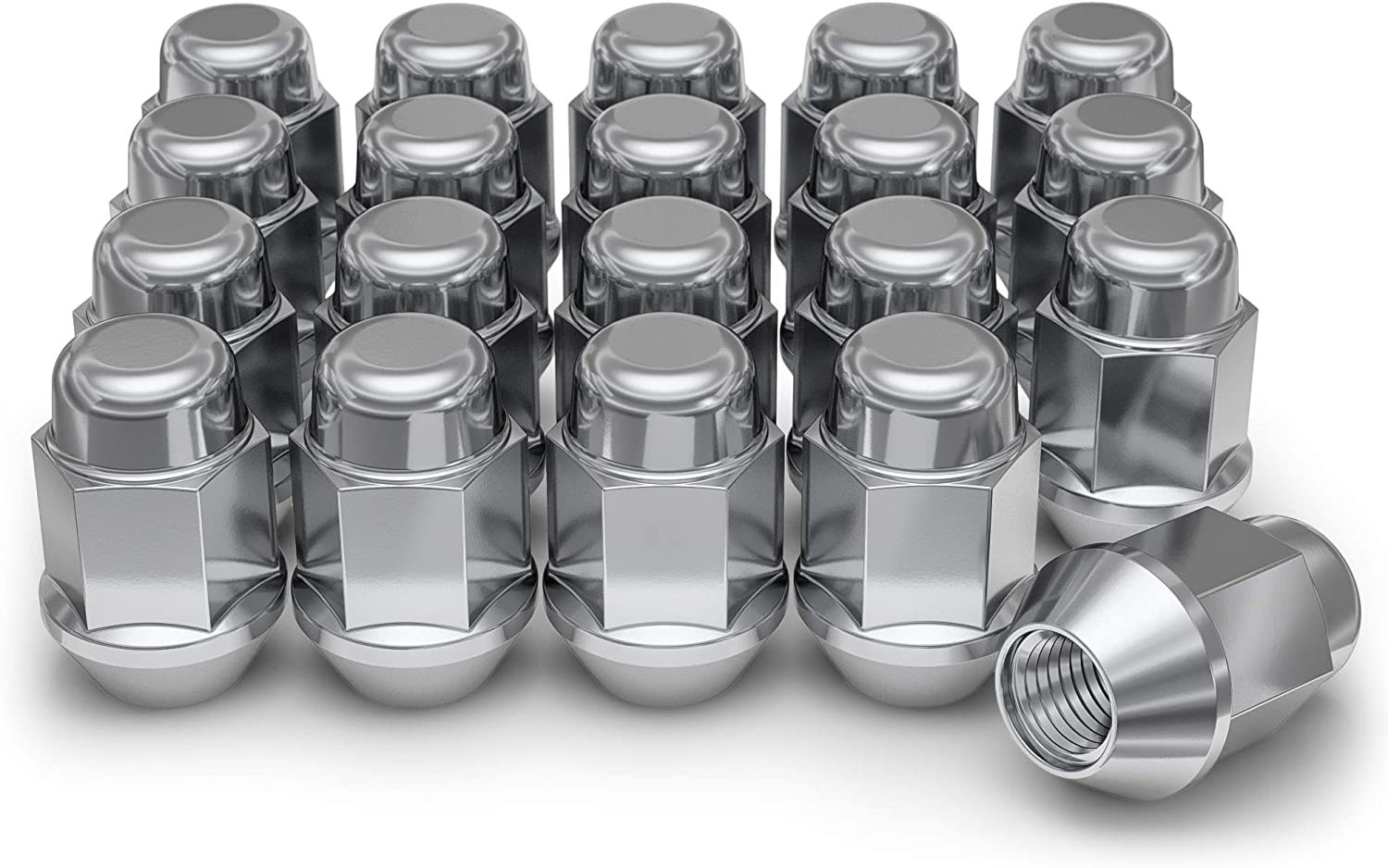
- Hardware: Thread size is M12 x 1.25. Match seat type to the wheel manufacturer’s specification. Do not mix ball-seat and cone-seat hardware.
- TPMS: Plan for sensor transfer or new compatible sensors. Some vehicles auto-learn, others may require a relearn procedure or scan tool.
- Hub preparation: Clean hub faces and remove rust to ensure the wheel seats flush.
- Verify with OEM sources: If any spec is unknown or varies by trim, confirm with the door-jamb placard, owner manual, or dealer by VIN.
Plus Sizing And Common Upgrades
The Dart was offered with multiple OEM wheel and tire sizes. Many owners consider moving between 16, 17, and 18 inch wheel options. Use these guardrails and verify with the calculator and OEM checks:
- Maintaining diameter: When increasing wheel diameter, select a lower-profile tire so overall diameter remains close to stock. The calculator will show the change to speedometer and clearance.
- Offset changes: Small offset changes can be workable. Compare inner and outer movement in the calculator and physically measure clearances at the strut, liner, and fender lip.
- Width changes: Wider wheels push the tire closer to suspension parts and fenders. Check both inner and outer clearances at full steering lock and under compression.
- Winter setups: Narrower tires can improve winter traction and fender clearance with chains. Confirm brake clearance for smaller-diameter wheels before purchasing.
Installation Tips
- Safety first: Support the car with properly rated jack stands on solid ground. Chock wheels.
- Hub cleaning: Use a wire brush to clean the hub face. Lightly remove rust from the center pilot. Do not grind material off the hub.
- Dry threads: Install lug hardware clean and dry unless the OEM service information specifies otherwise. Lubricated threads change torque.
- Hand start all nuts: Center the wheel on the hub. If using hub-centric rings, seat the ring fully before lifting the wheel into place.
- Tighten in a star pattern: Snug by hand in stages, then torque to the OEM specification from the owner manual or service manual.
- Re-torque: Re-check torque after 50 to 100 miles of driving.
- TPMS: Transfer or install new sensors. Perform any required relearn procedure per the owner manual or a TPMS tool.
Tools And Helpful Supplies
Before ordering hardware or rings, verify the wheel seat type and any required outer ring diameter with the wheel manufacturer.
FAQs
What is the bolt pattern on the 2015 Dodge Dart?
5x110. The replacement wheel must match 5x110 exactly. Avoid wobble bolts or redrilled wheels.
What center bore do I need?
65.1 mm. If an aftermarket wheel has a larger bore, use quality hub-centric rings that reduce to 65.1 mm. Do not force a smaller bore over the hub.
What is the lug thread size and what hardware should I use?
M12 x 1.25. Use hardware that matches both this thread size and the wheel’s seat type. Seat type varies by wheel brand, so verify before purchase.
What offset works on the Dart?
We have ET 45 mm recorded on at least one OEM 17x7 wheel. Other trims may differ. Use the calculator to compare any new wheel to your current setup and verify inner and outer clearances on your car.
Can I run 16, 17, or 18 inch wheels?
Yes, multiple OEM configurations exist. Use the calculator to keep overall tire diameter close to stock and confirm brake and fender clearance. If your trim has larger brakes, smaller wheels may not clear.
Will 5x110 wheels from another brand fit my Dart?
They can if bolt pattern, center bore or rings, offset, width, load rating, and hardware seat type are all compatible. Compare in the calculator and verify on the vehicle.
Do I need new TPMS sensors?
You can transfer OEM sensors if the new wheels accept them, or install compatible new sensors. Some vehicles auto-learn after driving. Others require a relearn tool or scan procedure. Check your owner manual.
What torque should I use on the lug nuts?
Consult the owner manual or OEM service information for the correct torque. Re-torque after 50 to 100 miles.
How close should my new tire diameter be to stock?
Use the calculator to see speedometer error and clearance changes. Keep diameter close to your OEM size to minimize issues, and always check clearances at full lock and over bumps.
How do I confirm what my Dart left the factory with?
Check the tire and loading placard on the driver door jamb, the owner manual, the backside of your wheel for size and offset markings, or contact a dealer with your VIN.