2011 Dodge Ram 2500 Wheel Fitment Guide
Known OEM Fitment For 2011 Dodge Ram 2500
The specifications below are the known fitment data available for the 2011 Dodge Ram 2500. Some wheel and tire dimensions can vary by trim, package, axle configuration, or original equipment option. Confirm the exact information for your truck using the vehicle door-jamb label, owner’s manual, OEM parts documentation, or a physical measurement before purchasing wheels or tires.
| Fitment specification |
Known value |
| Bolt pattern |
8x165.1 |
| Center bore |
120.9 mm |
| Thread size |
M14 x 1.5 |
| Rim diameter |
Unknown. Verify by trim and OEM wheel. |
| Rim width |
Unknown. Verify by the wheel stamp or OEM documentation. |
| Wheel offset |
Unknown. Verify the stamped wheel specification or OEM source. |
| Backspacing |
Unknown. Measure or calculate from the confirmed wheel width and offset. |
| Tire section width |
Unknown. Read the tire sidewall and vehicle placard. |
| Tire aspect ratio |
Unknown. Read the tire sidewall and vehicle placard. |
| Tire rim diameter |
Unknown. Confirm the complete tire size from the vehicle placard or OEM documentation. |
The 8x165.1 bolt pattern describes eight wheel studs on a 165.1 mm pitch circle. A replacement wheel must also clear the truck’s brakes and suspension, fit the 120.9 mm hub correctly, use suitable M14 x 1.5 hardware, and meet the required load rating. Bolt pattern alone does not confirm complete fitment.
How To Use The Wheel Interchange Calculator
Use the calculator to compare a donor vehicle’s wheel and tire setup with the wheels you plan to install on your 2011 Dodge Ram 2500.
- Select the donor vehicle under “Wheels from.” Enter the donor wheel diameter, width, offset, and tire dimensions from a reliable source or from the wheel and tire markings.
- Select the 2011 Dodge Ram 2500 under “Installed on.” Confirm the vehicle selection carefully, especially if the site presents multiple trims or configurations.
- Review the comparison for wheel diameter, width, offset, tire diameter, and related clearance differences.
- Use “Custom wheel size” to test a proposed rim diameter, rim width, and offset when the exact donor vehicle is not a match.
- Use “Custom tire size” to enter section width and aspect ratio. The calculator updates the tire diameter when the rim diameter changes, which helps identify overall diameter differences.
- Compare the calculated dimensions with the OEM tire placard, brake clearance, suspension clearance, fender clearance, and required load rating.
The calculator is a screening tool, not a substitute for a physical test fit or OEM confirmation. Verify the actual wheel part number, hub bore, brake clearance, stud engagement, and tire load rating before driving.
Fitment Checklist Before You Buy
- Confirm the vehicle is a 2011 Dodge Ram 2500 and verify the trim, axle, and factory wheel option.
- Confirm the 8x165.1 bolt pattern and ensure the wheel has eight correctly positioned mounting holes.
- Confirm the wheel center bore is compatible with the 120.9 mm hub. A bore that is too small will not seat on the hub.
- Confirm wheel diameter, width, and offset from the wheel markings, manufacturer data, or a measured wheel. These values are not provided here for every configuration.
- Check inner clearance to brake calipers, steering components, ball joints, tie rods, and suspension parts.
- Check outer clearance to the fender, liner, and mud flap at full steering lock and throughout suspension travel.
- Confirm the wheel and tire load ratings are suitable for the truck’s axle ratings and intended payload or towing use.
- Verify the tire size, speed rating, load index, and recommended cold inflation pressure using the vehicle placard and tire manufacturer data.
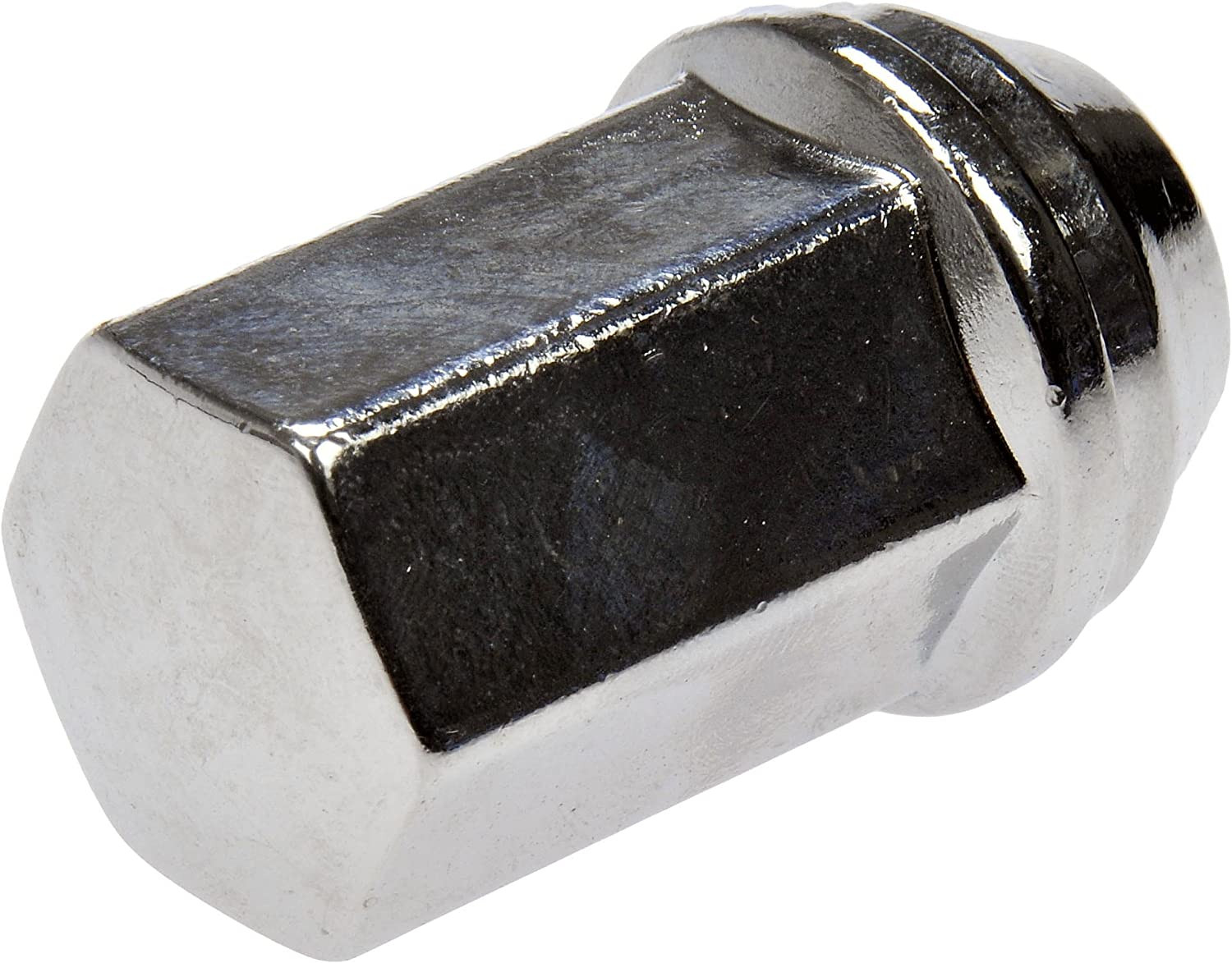
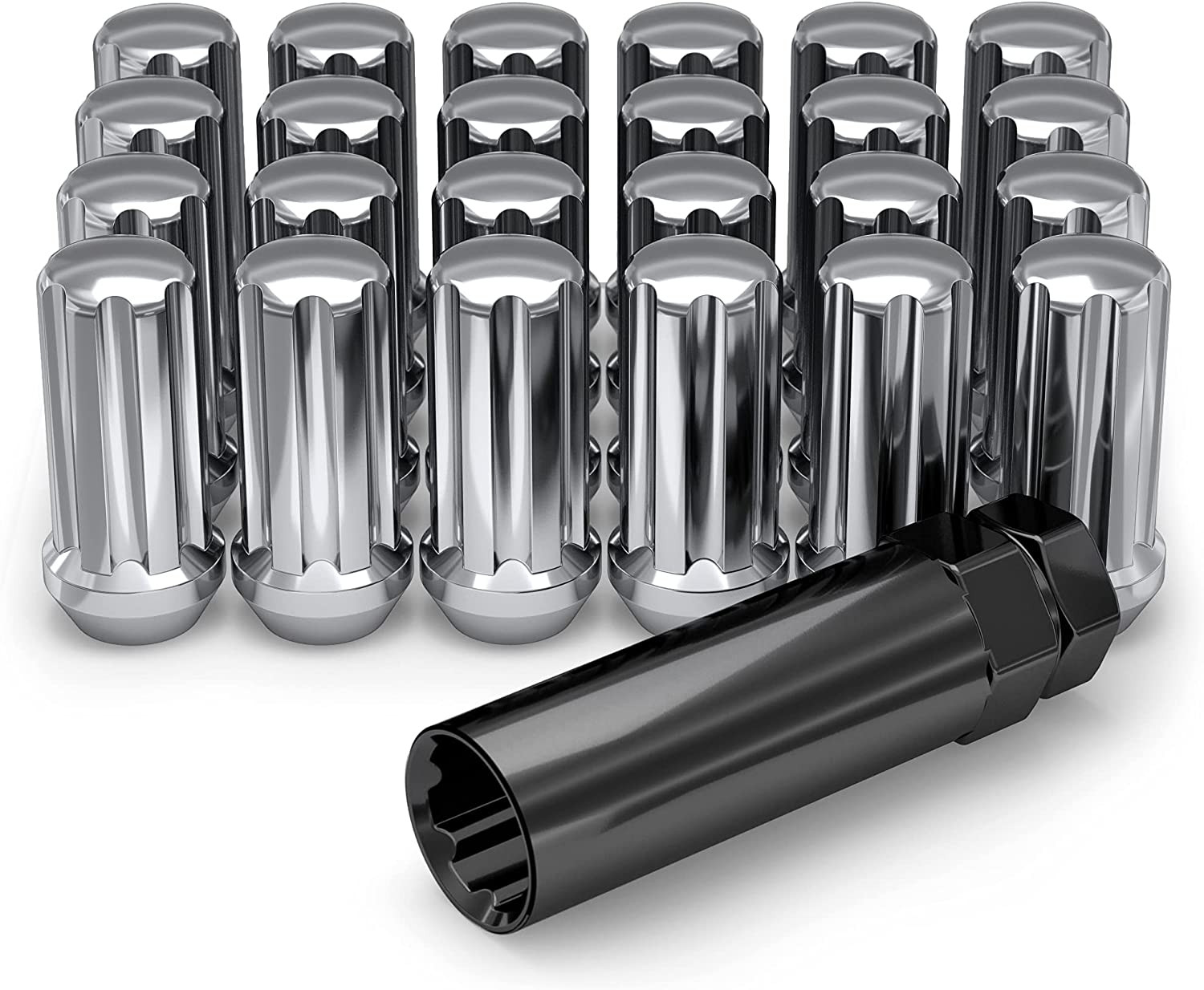
- Use compatible M14 x 1.5 lug hardware and confirm the seat style matches the wheel. Do not assume the original lug nuts fit an aftermarket wheel.
- Confirm the wheel manufacturer’s approved application. Some wheels with the correct bolt pattern may not be rated for a heavy-duty pickup.
Plus Sizing And Common Upgrades
Plus sizing means installing a larger wheel diameter with a lower-profile tire while attempting to keep the overall tire diameter close to the original setup. Because the original rim diameter, width, and tire size are unknown here, a specific plus-size recommendation cannot be confirmed from the available data.
When evaluating a larger wheel, use the calculator to compare the complete wheel and tire combination. Keep the calculated overall diameter reasonably close to the verified OEM setup to reduce the risk of speedometer error, gearing changes, and clearance problems. A larger wheel does not automatically provide more brake clearance, because spoke shape and barrel design are also important.
A wider tire can improve contact area but may increase the risk of rubbing and can affect steering feel, road noise, fuel economy, and hydroplaning behavior. A lower-profile tire may provide sharper handling but usually offers less protection from pothole impacts. For a Ram 2500 used for towing or hauling, load capacity and sidewall durability should take priority over appearance.
Do not select an offset based only on whether the wheel looks flush. A change in offset moves the wheel and tire relative to the hub, suspension, and fender. Confirm the result with calculator measurements and a physical clearance inspection.
Installation Tips
- Inspect the hub, wheel mounting surface, studs, and lug nuts. Remove rust, dirt, and paint buildup that could prevent the wheel from seating flat.
- Install wheels only on clean, dry mounting surfaces. Do not use grease or anti-seize on wheel stud threads unless the vehicle or hardware manufacturer specifically permits it.
- Start every lug nut by hand to avoid cross-threading. Stop if the nut does not turn smoothly.
- Tighten lug nuts in a crisscross sequence with the vehicle supported safely, then apply the manufacturer-specified torque with a calibrated torque wrench. The correct torque value is not provided here and must be confirmed from an OEM or wheel manufacturer source.
- Check that the wheel seats fully against the hub or mounting face and that no part of the wheel contacts the brake caliper.
- After installation, rotate the steering from lock to lock and inspect for contact. Also check clearance with the suspension compressed when practical.
- Set tire pressure according to the vehicle placard unless a qualified tire professional determines that a different pressure is required for the replacement tire.
- Recheck lug nut torque after the first short drive and again according to the wheel manufacturer’s instructions. Stop driving if vibration, rubbing, looseness, or unusual noise occurs.
Tools And Helpful Supplies
A torque wrench, correctly sized socket, jack, jack stands, wheel chocks, and a tire pressure gauge are useful for a careful installation. A thread pitch gauge or the vehicle’s verified parts information can help confirm M14 x 1.5 replacement hardware, but lug nut seat style and length must match the wheel.
Shop automotive torque wrenches on Amazon
Shop automotive wheel chocks on Amazon
Use jack stands rated for the vehicle and place them only at approved support points. Never work beneath a vehicle supported solely by a jack.
FAQs
What is the bolt pattern for a 2011 Dodge Ram 2500?
The known bolt pattern is 8x165.1. Confirm the vehicle configuration and wheel application before ordering.
What is the center bore for the 2011 Dodge Ram 2500?
The known center bore is 120.9 mm. An aftermarket wheel must have a hub opening that is compatible with this measurement. A smaller opening will not fit over the hub.
What lug thread size does this truck use?
The known thread size is M14 x 1.5. The lug nut’s seat type and dimensions must also match the replacement wheel, so thread size alone is not enough to select hardware.
What OEM rim diameter and width does a 2011 Dodge Ram 2500 use?
Those values are unknown in the supplied fitment data and may vary by trim or factory option. Check the wheel stamp, tire placard, owner’s manual, OEM parts information, or a Dodge dealer before using them in the calculator.
Can I use wheels from another vehicle with the same 8x165.1 bolt pattern?
Not automatically. You must also compare center bore, offset, wheel width, brake clearance, load rating, lug seat style, and tire dimensions. Use the wheel interchange calculator for the initial comparison, then verify the physical fit.
How do I calculate or confirm wheel backspacing?
Backspacing depends on wheel width and offset. Because the original width and offset are unknown here, the correct value cannot be stated. Measure the wheel or use confirmed manufacturer specifications, then compare the result with the calculator and perform a clearance check.
Can I install larger wheels on this truck?
A larger wheel may be possible, but no specific size can be confirmed without the original wheel and tire dimensions, proposed wheel specifications, brake clearance, tire load rating, and trim information. Enter the proposed dimensions in the custom wheel and tire fields, then verify clearance and load capacity in person.
Will changing the rim diameter change the tire size comparison?
Yes. In the calculator, changing rim diameter updates the tire diameter comparison. The tire must still be selected as a complete size with adequate load capacity and enough clearance for the vehicle.
Are wheel spacers required for an aftermarket wheel?
They should not be assumed necessary. A spacer changes wheel position and can affect stud engagement, bearing loads, fender clearance, and handling. Use only properly engineered, vehicle-appropriate components and verify installation requirements with the spacer and wheel manufacturers.