2002 Ford Crown Victoria Wheel Fitment
Known OEM Fitment For 2002 Ford Crown Victoria
The following specifications are the known fitment values available for the 2002 Ford Crown Victoria on wheelinterchange.com. Verify the exact configuration of your vehicle before ordering wheels or tires, because fitment can vary by trim, brake package, suspension equipment, and market.
| Specification |
Known value |
| Bolt pattern |
5x114.3 |
| Center bore |
70.5 mm |
| Thread size |
M12 x 1.75 |
| Rim diameter |
17 inches |
| Rim width |
7.5 inches |
| Wheel offset |
ET 0 mm |
| Backspacing |
3.75 inches |
| Tire section width |
225 mm |
| Tire aspect ratio |
60 percent |
| Tire rim diameter listed in the available data |
R16 |
There is an apparent diameter discrepancy in the available data: the listed rim diameter is 17 inches, while the listed tire rim diameter is R16. Treat these values as reference data rather than a final buying recommendation. Confirm the wheel and tire size from the vehicle certification label, owner’s manual, existing wheel markings, and a Ford parts or service source for your exact vehicle.
The bolt pattern, center bore, thread size, offset, and backspacing all matter. A wheel can share the 5x114.3 bolt pattern and still fail to fit because of center-bore, brake-clearance, offset, width, or fastener issues.
How To Use The Wheel Interchange Calculator
Use the calculator to compare Wheels from a donor vehicle with wheels Installed on your 2002 Ford Crown Victoria. Enter the donor vehicle and your Crown Victoria accurately, then review the displayed wheel diameter, width, offset, bolt pattern, center bore, and tire information.
Use the custom fields when the wheel or tire you are evaluating does not match a listed vehicle. Custom wheel settings allow you to change rim diameter, rim width, and offset. Custom tire settings allow you to change section width and aspect ratio.
Changing the rim diameter also updates the tire diameter in the comparison. This is useful when evaluating a complete wheel and tire package, but the calculator does not replace a physical clearance check. Confirm inner fender, suspension, brake, and body clearance at full steering lock and through the suspension travel.
A calculator result is a screening tool, not a guarantee that a particular aftermarket wheel is safe or suitable. Confirm the wheel manufacturer’s load rating, fastener requirements, brake clearance template, and vehicle-specific application information before purchase.
Fitment Checklist Before You Buy
Before ordering, compare the wheel and tire package with the known data and verify the following items:
- Confirm the 5x114.3 bolt pattern and the correct number of lug holes.
- Confirm that the wheel’s center bore is compatible with the vehicle hub. A larger bore may require correctly specified hub-centric rings, while a smaller bore will not fit over the hub.
- Check the wheel width, offset, and backspacing together. These dimensions affect suspension, brake, fender, and inner-body clearance.
- Verify that the wheel clears the front and rear brake assemblies, including calipers and caliper hardware.
- Confirm the wheel’s load rating is appropriate for the vehicle and intended use.
- Match the tire’s rim diameter to the wheel diameter. Pay particular attention to the conflicting 17-inch rim and R16 tire entries in the available data.
- Check tire load index, speed rating, sidewall condition, age, and approved rim-width range.
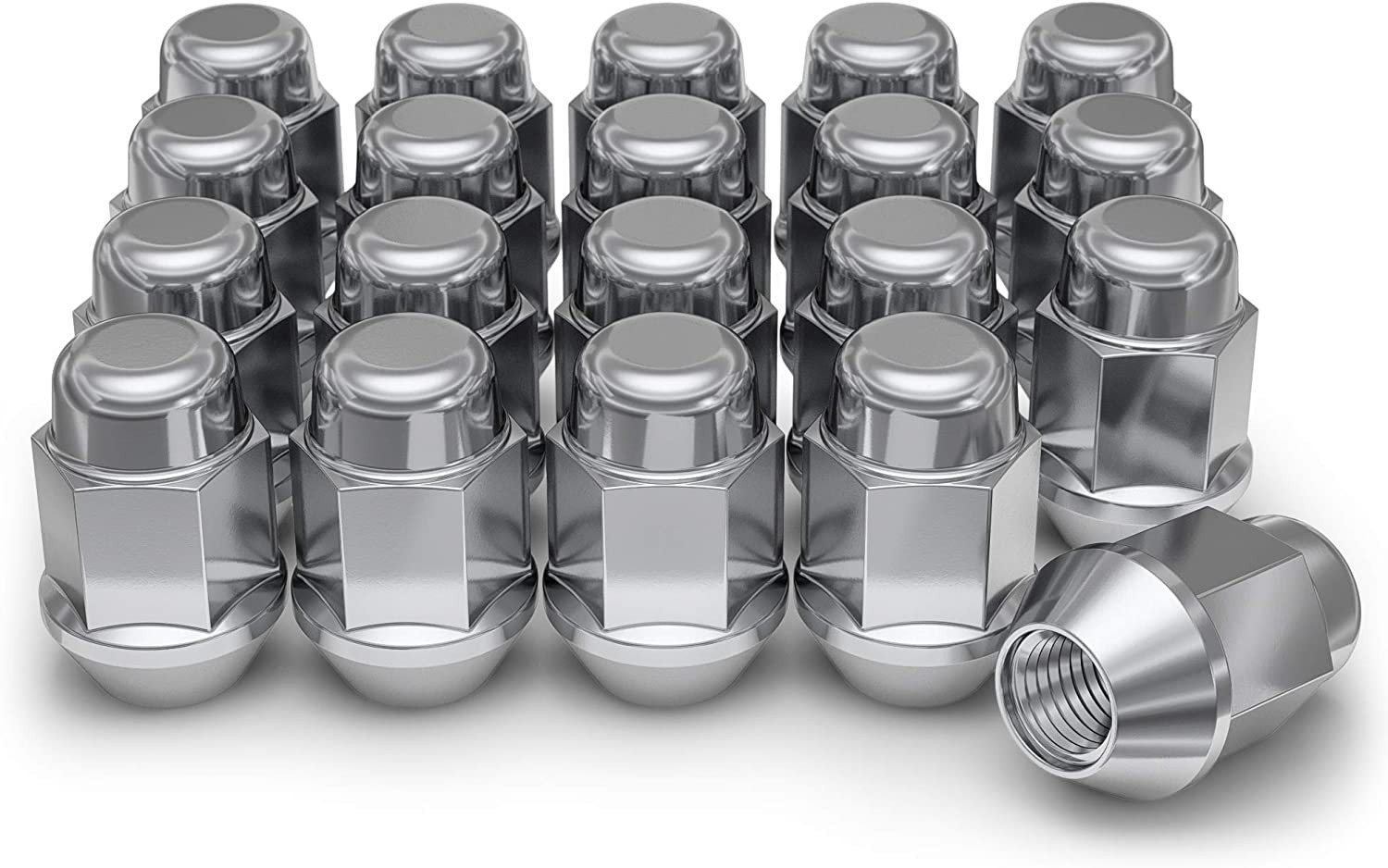
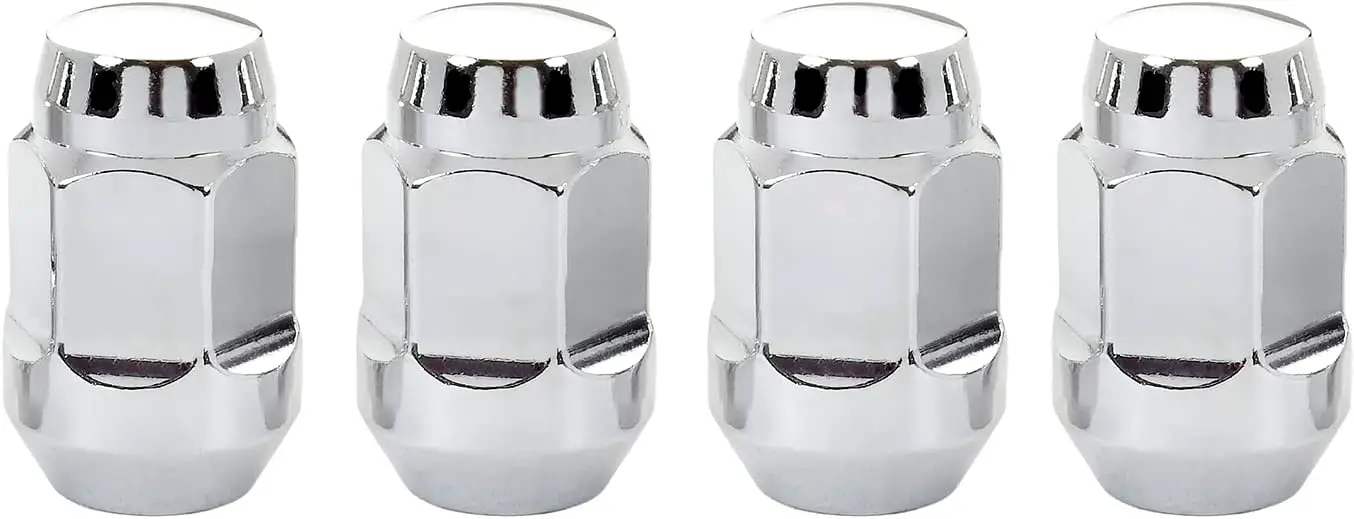
- Confirm that the wheel manufacturer specifies compatible lug nuts and seating surfaces. Do not assume the original lug nuts are correct for an aftermarket wheel.
- After installation, check clearance with the steering at both locks and inspect for rubbing during suspension compression.
Use the driver-door certification label and the tire placard as primary references for the vehicle’s recommended tire information. For wheel specifications and brake clearance, consult Ford service information or a Ford parts source using the vehicle identification number.
Plus Sizing And Common Upgrades
Plus sizing changes the wheel diameter while maintaining a similar overall tire diameter by using a lower tire aspect ratio. The goal is to preserve speedometer behavior, ground clearance, and the available suspension and body clearance. It is not safe to select a larger wheel based on diameter alone.
Use the calculator’s custom wheel size and custom tire size fields to compare candidate packages. Review the calculated tire diameter and the change in wheel width and offset. A wider tire or a more aggressive offset can create rubbing even when the bolt pattern matches.
The available information does not identify a complete list of approved plus-size packages or trim-specific upgrades for this vehicle. Do not treat any custom combination as compatible until it has been checked against the vehicle, the wheel manufacturer’s application data, brake-clearance information, and the tire manufacturer’s specifications.
Changing tire size can affect speedometer accuracy, anti-lock braking behavior, traction control operation, ride quality, steering effort, and fender clearance. Keep the overall diameter close to the vehicle’s verified original specification unless a qualified technician confirms the effects of the change.
Installation Tips
Inspect the wheel mounting surfaces, hub, studs, and lug nuts before installation. Remove rust, dirt, and loose debris from the hub and wheel mating surfaces without grinding away material or applying lubricant between the mating surfaces unless the vehicle or wheel manufacturer specifically requires it.
Install wheels with the vehicle safely supported. Start every lug nut by hand to avoid cross-threading. Tighten in a star pattern in stages, then use a calibrated torque wrench set to the vehicle or wheel manufacturer’s specified torque. The available fitment data provides the thread size, M12 x 1.75, but it does not provide a verified lug-nut torque value, so do not guess.
After lowering the vehicle, recheck torque with the wheel fully seated. Recheck lug-nut torque after the interval specified by the wheel manufacturer or service information, especially after the first drive. Stop immediately if you notice vibration, rubbing, steering pull, loose fasteners, or unusual noise.
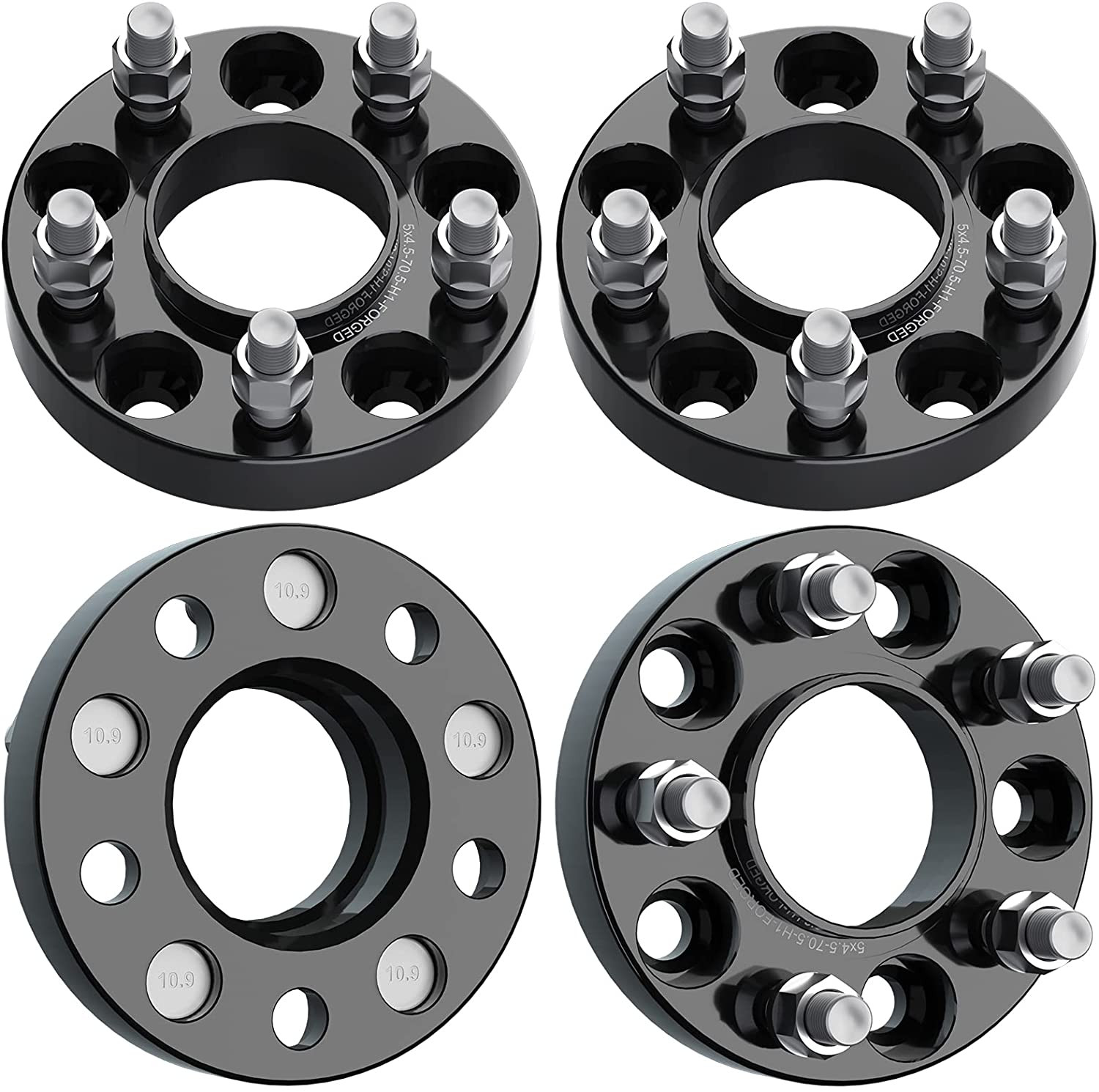
When using hub-centric rings or aftermarket lug nuts, confirm that each part is designed for the wheel, hub, thread size, and seating style. Never use spacers or adapters unless they are properly engineered, hub-centric where required, rated for the application, and installed according to their manufacturer’s instructions.
Tools And Helpful Supplies
Useful items for a careful wheel-fitment check and installation include a calibrated automotive torque wrench, a suitable socket set, a jack and correctly rated jack stands, a tire-pressure gauge, and a tread-depth gauge.
A flashlight, straightedge, measuring tape, and wheel-clearance template can help with inspection, but measurements should not replace the wheel manufacturer’s application data. Use only lifting points and support equipment specified for the vehicle, and never work beneath a vehicle supported only by a jack.
FAQs
What is the bolt pattern for the 2002 Ford Crown Victoria?
The available fitment data lists a 5x114.3 bolt pattern. Confirm the wheel’s specification and verify the complete fitment before purchase.
What is the center bore?
The known center-bore value is 70.5 mm. A wheel with a smaller center bore will not fit over the hub. A larger bore may need correctly specified hub-centric rings.
What lug thread size is listed?
The available data lists M12 x 1.75. Thread size alone does not confirm the correct lug nut because the wheel may require a particular seat type, length, or washer arrangement.
Can I install any 5x114.3 wheel?
No. Bolt pattern is only one fitment measurement. Check center bore, offset, backspacing, width, brake clearance, load rating, lug-nut seating, and tire compatibility.
Why does the data show both a 17-inch rim and an R16 tire diameter?
Those entries conflict. The available information may combine different configurations or contain incomplete data. Confirm the installed wheel markings, tire placard, owner’s manual, and OEM service or parts information before selecting a replacement package.
Can I use the calculator to choose a larger wheel?
Yes, the calculator can compare donor wheels and custom wheel and tire dimensions. It can also update tire diameter when the rim diameter changes. The result must still be checked for physical clearance, load rating, brake clearance, and manufacturer approval.
Do I need hub-centric rings?
Not always. Their need depends on the relationship between the wheel’s center bore and the vehicle hub, along with the wheel manufacturer’s instructions. Never use rings to compensate for an incorrect bolt pattern or a center bore that is too small.
What should I do if the new wheel rubs?
Do not continue driving until the cause is identified. Check tire and wheel dimensions, offset, backspacing, suspension clearance, brake clearance, and body contact at steering lock and suspension movement. A qualified technician should inspect any unresolved rubbing.