2009 Ford Mustang Wheel Interchange
Use this page to review the supplied OEM wheel and tire information for the 2009 Ford Mustang, then compare donor wheels with your vehicle using the on-page calculator. Fitment can vary by trim, brake package, suspension changes, and wheel design, so confirm measurements before purchasing or installing any wheel.
Known OEM Fitment For 2009 Ford Mustang
The following specifications are the known values provided for this page. They should be treated as a starting point, not a substitute for the vehicle placard, owner’s manual, Ford service information, or a direct measurement.
| Specification |
Known value |
| Bolt pattern |
5x114.3 |
| Center bore |
70.5 mm |
| Thread size |
M12 x 1.75 |
| Rim diameter |
17 inches |
| Rim width |
8.0 inches |
| Wheel offset |
ET45, or 45 mm |
| Backspacing |
5.77 inches |
| Tire section width |
215 mm |
| Tire aspect ratio |
65 percent |
| Tire rim diameter |
16 inches |
The supplied rim diameter is 17 inches while the supplied tire rim diameter is 16 inches. Because these values do not describe the same wheel and tire diameter, verify the correct configuration for your specific Mustang before ordering tires or wheels. Check the driver-door tire and loading label, the owner’s manual, and the markings molded into the existing tire sidewall.
How To Use The Wheel Interchange Calculator
Start by selecting the donor vehicle in the “Wheels from” fields. Select the 2009 Ford Mustang in the “Installed on” or “your vehicle” fields. The calculator is intended to help compare the donor wheel’s basic dimensions with the known or selected dimensions for your Mustang.
Use the custom wheel size controls when the donor wheel or proposed replacement has a different rim diameter, width, or offset. Enter the custom tire section width and aspect ratio when evaluating a different tire size. Changing rim diameter updates the tire diameter shown in the comparison, which helps identify changes in overall rolling diameter.
A calculator result is a screening tool. It cannot confirm brake-caliper clearance, spoke clearance, suspension clearance, fender clearance, load rating, tire pressure monitoring compatibility, or whether the wheel accepts the required lug hardware. Confirm those items physically and with OEM or wheel manufacturer documentation.
Fitment Checklist Before You Buy
Compare the complete wheel specification rather than relying only on the bolt pattern. Confirm the following items for both the Mustang and the proposed wheel:
- Five-lug 5x114.3 bolt pattern.
- Center bore compatibility with the 70.5 mm hub. A wheel bore that is too small will not seat on the hub. A larger bore may require correctly sized hub-centric rings if approved for the application.
- Wheel diameter, width, and offset. Verify that the wheel does not contact the strut, brake caliper, control arm, inner fender, or outer fender.
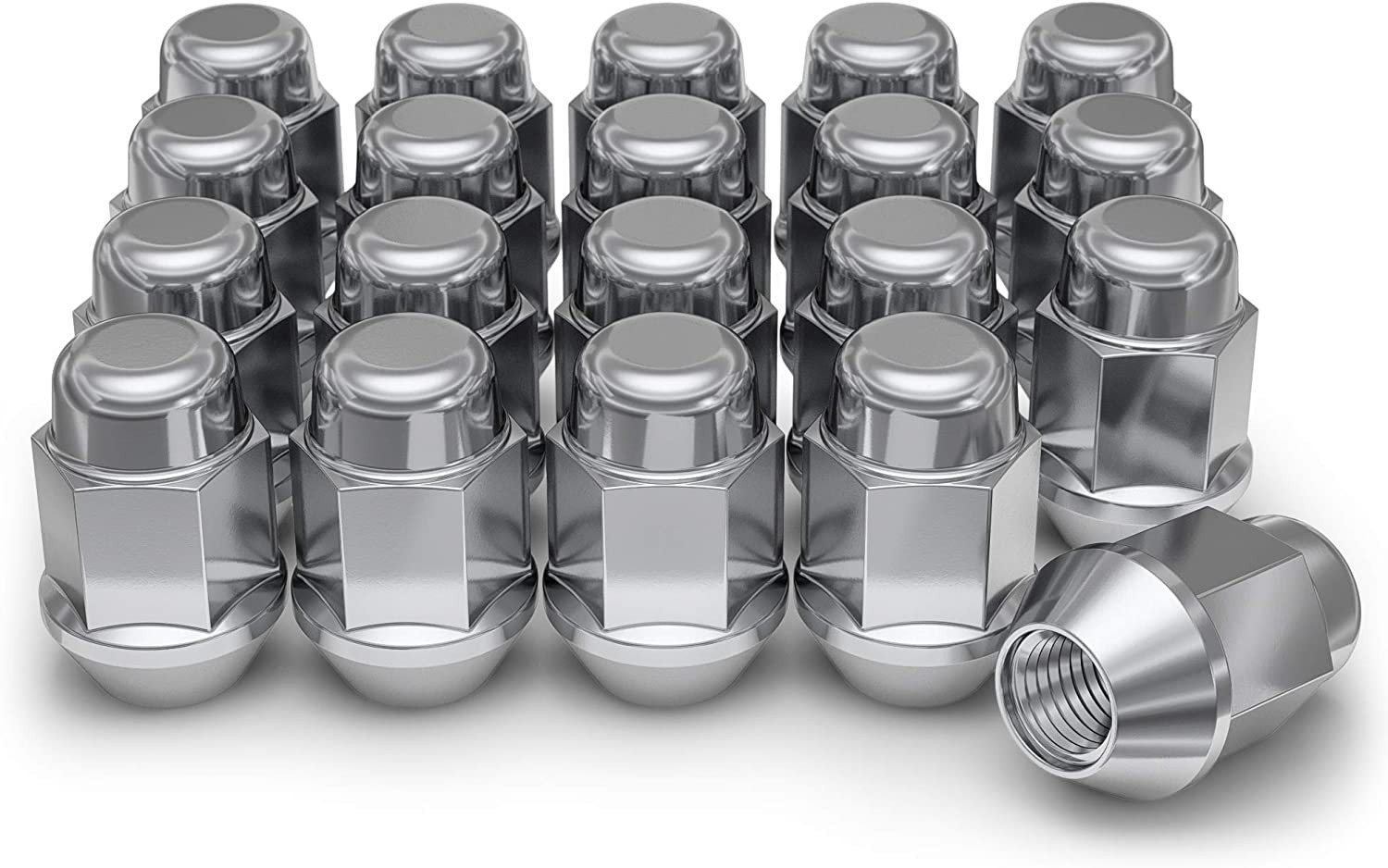
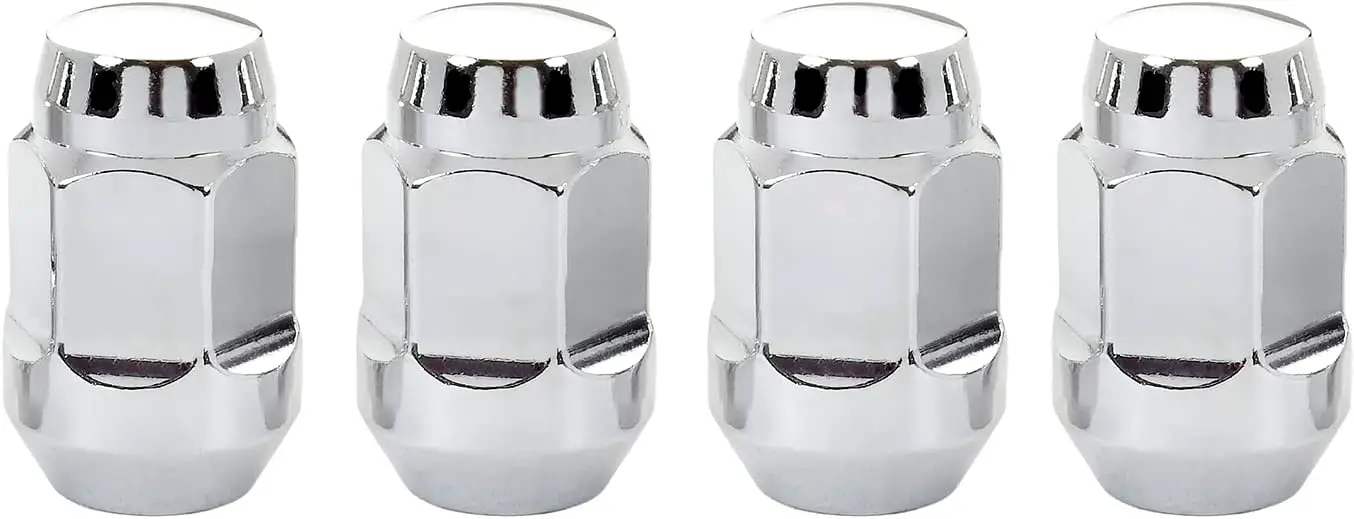
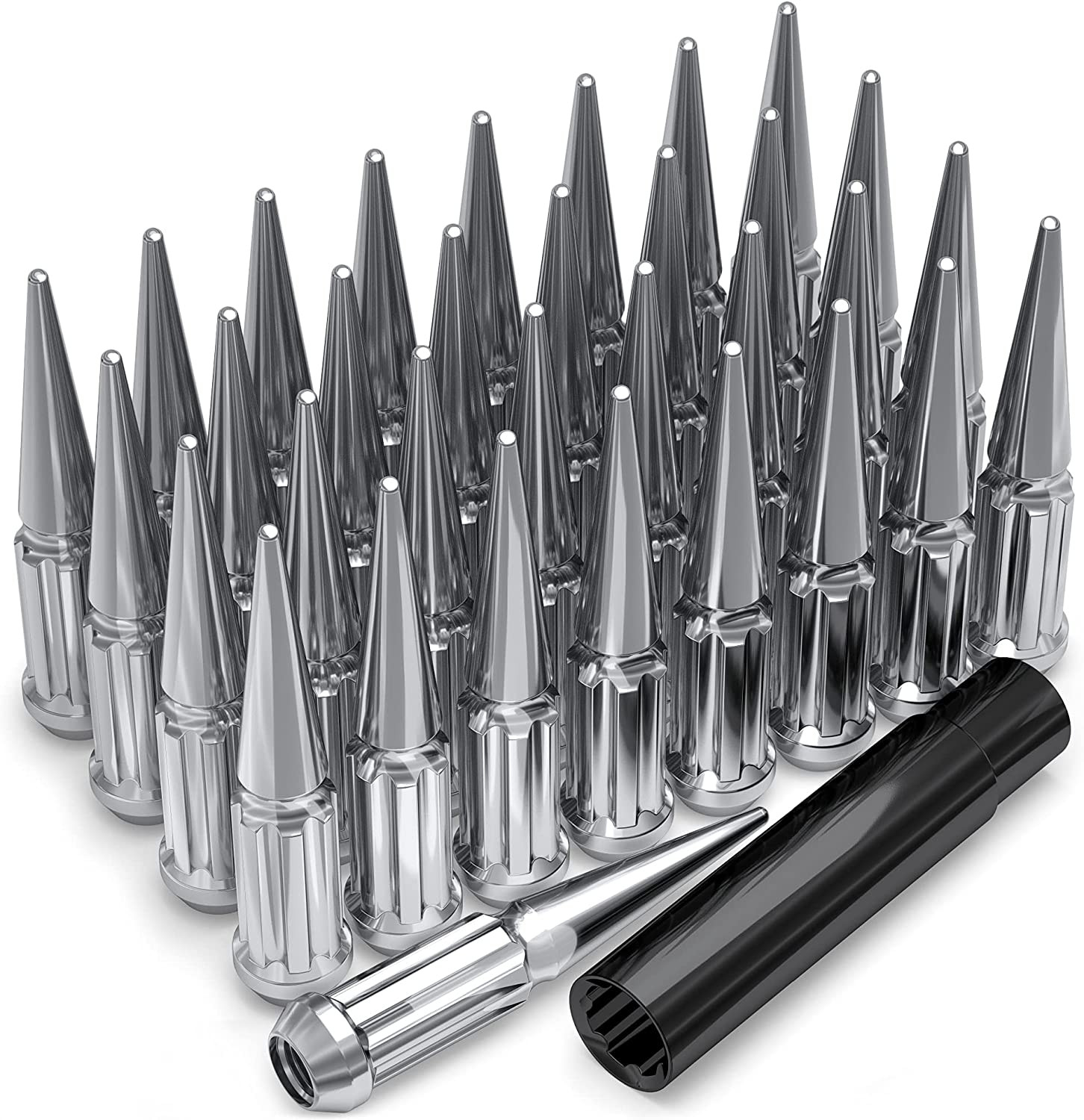
- Correct lug-seat type, thread engagement, and hardware. The supplied thread size is M12 x 1.75, but the correct nut style and seat must also match the wheel.
- Wheel and tire load ratings that meet or exceed the vehicle requirements.
- Tire diameter, section width, speed rating, and clearance at full steering lock and full suspension compression.
- Clearance around brake components, including the caliper and rotor, with the wheel mounted.
- Valve stem and tire pressure monitoring requirements, if equipped.
Do not assume that a wheel fits because it shares the same bolt pattern. Test-fit one wheel when possible, keep the vehicle safely supported, and rotate the assembly by hand before final tightening.
Plus Sizing And Common Upgrades
Plus sizing generally means using a larger rim diameter with a lower-profile tire while keeping the overall tire diameter reasonably close to the vehicle’s confirmed original size. The goal is to preserve speedometer behavior, clearance, and handling characteristics while changing wheel appearance or response.
Use the calculator to compare custom rim diameter, rim width, offset, section width, and aspect ratio. Compare the displayed tire diameter with the confirmed specification for your particular trim. The supplied data includes both a 17-inch rim diameter and a 16-inch tire rim diameter, so do not select a plus-size target until the correct factory tire and wheel combination is verified.
A wider tire or a lower offset can move the tire outward and increase the risk of fender contact. A higher offset can move the wheel inward and increase the risk of contact with suspension or brake components. Any change should be checked at full left and right steering lock and through the available suspension travel.
Installation Tips
Clean the hub face and wheel mounting surface before installation. Rust, paint buildup, dirt, or debris between the wheel and hub can prevent proper seating and cause vibration or loosening.
Install the wheel using the correct M12 x 1.75 lug hardware with the seat style specified by the wheel manufacturer. Start each fastener by hand to avoid cross-threading. Tighten the hardware in a star or crisscross pattern, then apply the vehicle manufacturer’s specified torque with a calibrated torque wrench. Do not use an impact wrench as the final torque method.
After installation, confirm that the wheel rotates freely and that no component contacts the wheel or tire. Recheck lug torque after the first short drive and again according to the vehicle or wheel manufacturer’s instructions. Stop driving if you notice vibration, rubbing, steering pull, or loose hardware.
Tools And Helpful Supplies
A basic installation setup may include a properly rated floor jack, jack stands, wheel chocks, a socket that fits the lug hardware, a torque wrench, a tire pressure gauge, and a tread or clearance measuring tool. Use jack stands on solid, level ground and follow the vehicle’s approved lift points.
Use only hub-centric rings, spacers, adapters, or replacement lug hardware that are specifically sized and approved for the wheel and vehicle. Do not stack spacers or use unverified hardware to correct a fitment problem.
FAQs
Can I use any 5x114.3 wheel on a 2009 Ford Mustang?
No. The 5x114.3 pattern is only one part of fitment. Center bore, wheel width, offset, brake clearance, lug-seat type, load rating, and tire clearance must also be confirmed.
What is the center bore listed for this Mustang?
The supplied center bore is 70.5 mm. Confirm the hub and wheel bore with OEM documentation and direct measurement before using a replacement wheel or hub-centric ring.
What wheel thread size is provided for this vehicle?
The supplied thread size is M12 x 1.75. The thread size alone does not identify the correct lug nut. The lug seat must match the wheel, and adequate thread engagement is required.
Why does this page show a 17-inch rim and a 16-inch tire rim diameter?
Those are the values supplied for this page, but they do not represent one matching wheel and tire diameter. Verify the correct trim-specific combination using the door label, owner’s manual, existing tire markings, and the calculator before purchasing.
Can the calculator prove that a donor wheel will fit?
No. It compares entered wheel and tire dimensions and updates tire diameter when rim diameter changes. It does not physically verify brake, spoke, suspension, fender, or load-rating compatibility.
How do I check whether a wider tire will rub?
Compare the custom tire width and wheel offset in the calculator, then perform a physical clearance check. Turn the steering fully left and right, inspect the inner and outer sidewalls, and check clearance through suspension movement. A qualified technician should inspect any uncertain installation.
Should I use spacers if the wheel does not fit?
Do not use spacers as a quick fix. A spacer changes effective offset and can affect hub engagement, wheel bearing loads, fender clearance, and fastener engagement. Use only a properly engineered and approved spacer system after confirming all safety requirements.