2004 Ford Crown Victoria Wheel Fitment
Known OEM Fitment For 2004 Ford Crown Victoria
The supplied fitment data for the 2004 Ford Crown Victoria is shown below. Treat these values as a starting point, not a substitute for checking the vehicle identification label, owner manual, wheel markings, and the actual wheel before installation.
| Specification |
Provided value |
| Bolt pattern |
5x114.3 |
| Center bore |
70.5 mm |
| Thread size |
M12 x 1.75 |
| Rim diameter |
17 inches |
| Rim width |
7.5 inches |
| Wheel offset |
ET44, or 44 mm |
| Backspacing |
5.48 inches |
| Tire section width |
225 mm |
| Tire aspect ratio |
60 percent |
| Tire rim diameter |
16 inches |
There is a diameter discrepancy in the supplied information: the rim diameter is listed as 17 inches, while the tire rim diameter is listed as 16 inches. These values should not be assumed to describe one complete wheel and tire package. Confirm the wheel diameter stamped or cast on the wheel and the tire size printed on the tire sidewall before ordering replacements.
The bolt pattern, center bore, thread size, offset, width, and backspacing should also be verified against the vehicle and the replacement wheel. A matching bolt pattern alone does not prove that a wheel is safe or suitable.
How To Use The Wheel Interchange Calculator
Use the calculator to compare a donor vehicle wheel with the wheel configuration installed on your 2004 Ford Crown Victoria.
- Enter the donor vehicle in the “Wheels from” section.
- Enter the 2004 Ford Crown Victoria in the “Installed on” section.
- Compare rim diameter, rim width, offset, tire section width, aspect ratio, and calculated tire diameter.
- Use “Custom wheel size” to test a wheel diameter, width, or offset that is not represented by the donor vehicle.
- Use “Custom tire size” to test a different tire section width or aspect ratio.
- Remember that changing rim diameter updates the tire diameter shown in the comparison.
The calculator is a comparison aid. It cannot confirm brake clearance, suspension clearance, fender clearance, wheel load rating, tire load capacity, or whether the required lug hardware is correct. Inspect the actual wheel and consult Ford service information when the result is uncertain.
Fitment Checklist Before You Buy
- Confirm the 5x114.3 bolt pattern and make sure the wheel has five correctly positioned mounting holes.
- Check that the wheel center bore is compatible with the vehicle hub. The supplied center bore value is 70.5 mm. A smaller wheel bore will not fit over the hub.
- Compare the wheel offset and backspacing with the original wheel. A change can move the wheel inward toward suspension components or outward toward the fender.
- Verify the wheel diameter and width. The supplied data contains both 17-inch rim and 16-inch tire-rim values, so confirm which package applies to your vehicle.
- Check brake caliper and suspension clearance with the wheel mounted, never by bolt pattern alone.
- Confirm that the tire size is approved for the wheel width and that its load index and speed rating meet or exceed the vehicle requirements.
- Inspect the wheel for cracks, bends, corrosion around the bead seat, damaged threads, and repaired impact damage.
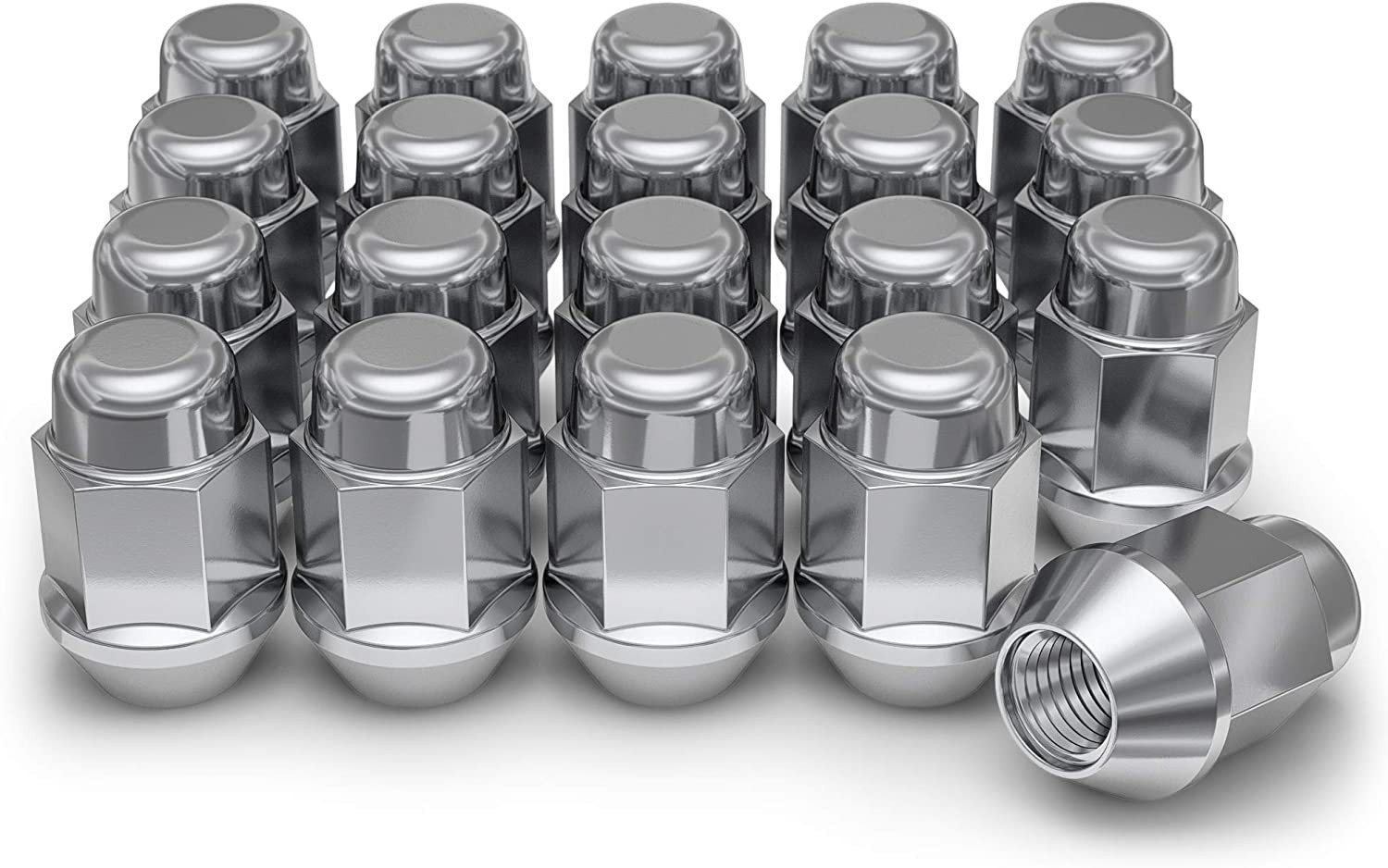
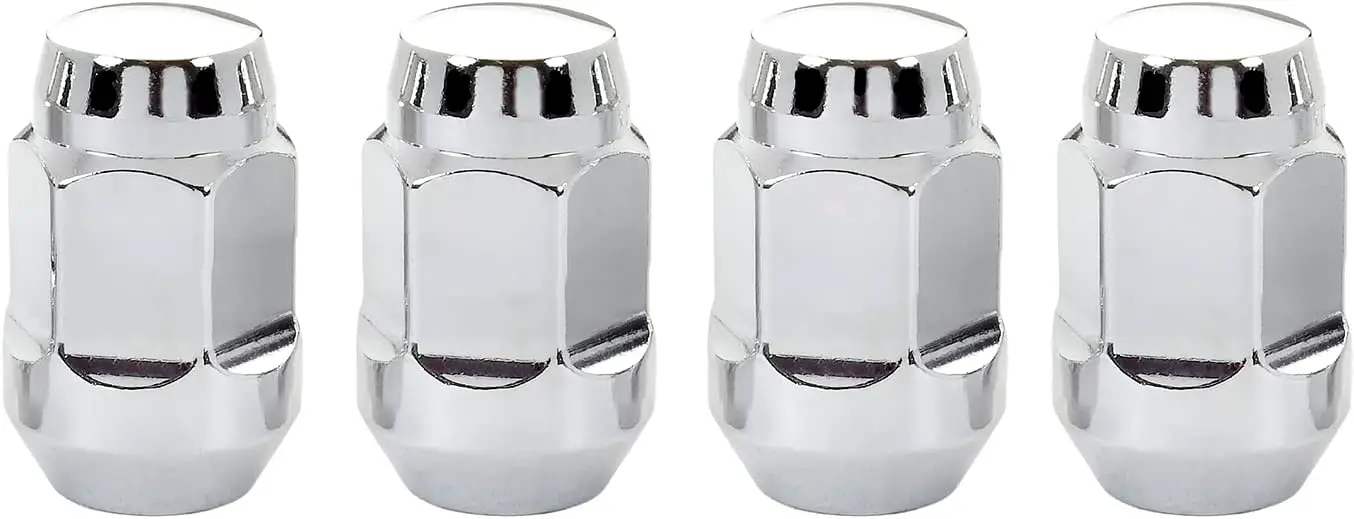
- Verify lug nut seat type, thread engagement, and any required spacers or hub-centric rings. Do not use spacers or rings to correct an unsafe wheel design.
- Check the replacement wheel's load rating. No load-rating value was provided here, so obtain it from the wheel manufacturer.
Plus Sizing And Common Upgrades
Plus sizing normally means fitting a larger wheel diameter with a lower-profile tire while keeping the overall tire diameter near the original. It can change steering feel, ride comfort, tire cost, speedometer accuracy, and the risk of wheel or tire damage.
Do not choose a replacement tire from the supplied numbers without resolving the 16-inch versus 17-inch discrepancy. The tire sidewall identifies the actual tire rim diameter, and the wheel markings identify the wheel diameter. The calculator can compare custom combinations, but the final tire size must be approved for the wheel width and vehicle.
Changing offset or width can create interference even when the calculated tire diameter is close to the original. Check the inner sidewall, strut or suspension clearance, outer fender clearance, steering-lock clearance, and clearance with the suspension loaded.
Any change in wheel or tire size should be checked against the vehicle placard, Ford service information, tire manufacturer data, and local inspection requirements.
Installation Tips
- Install wheels on clean, dry hub and wheel mounting surfaces. Remove rust scale without removing metal from the hub or wheel.
- Do not apply grease, anti-seize, paint, or thread locker to wheel stud or lug nut threads unless the vehicle manufacturer specifically requires it.
- Start every lug nut by hand to avoid cross-threading.
- Tighten lug nuts in a crisscross sequence, then torque them with a calibrated torque wrench to the vehicle manufacturer's specification. No torque value was provided for this page, so do not guess.
- After installation, check that the wheel rotates freely and that there is no contact with the brakes, suspension, bodywork, or wheel-well liner.
- Set tire pressure using the vehicle placard or manufacturer's specified pressure, not the maximum pressure molded into the tire.
- Recheck lug nut torque after the initial drive and again according to the vehicle or wheel manufacturer's instructions.
- Stop driving if you notice vibration, rubbing, loss of pressure, steering pull, or unusual noise. Reinspect the installation before continuing.
Tools And Helpful Supplies
Useful equipment includes a calibrated torque wrench, the correct lug socket, a jack and jack stands rated for the vehicle, wheel chocks, a tire pressure gauge, a tread-depth gauge, a flashlight, and a wire brush for cleaning mounting surfaces. Use jack stands on solid, level ground and follow the lifting points in the owner manual. Never work under a vehicle supported only by a jack.
A tape measure or wheel-fitment gauge can help with a preliminary clearance check, but it does not replace mounting the wheel and inspecting clearance through steering and suspension movement. Hub-centric rings, spacers, and replacement lug nuts should be selected only after confirming their dimensions, material, seat type, and manufacturer instructions.
FAQs
What is the bolt pattern for the 2004 Ford Crown Victoria?
The supplied bolt pattern is 5x114.3. Confirm the pattern on the replacement wheel and verify that the wheel's mounting holes are designed for the correct hardware.
What is the center bore listed for this vehicle?
The supplied center bore is 70.5 mm. A replacement wheel with a smaller center bore will not fit over the hub. A larger bore may require correctly sized hub-centric rings, but rings do not correct an incorrect bolt pattern, offset, load rating, or brake clearance problem.
What wheel offset and backspacing are provided?
The supplied values are ET44 offset and 5.48 inches of backspacing. Verify the wheel manufacturer's measurement method because backspacing and offset are related but are not interchangeable measurements.
Can I use the supplied tire information to order a tire?
Not until the diameter discrepancy is resolved. The supplied data lists a 17-inch rim but a 16-inch tire rim diameter. Read the complete tire size from the tire sidewall and confirm the wheel diameter from the wheel marking before ordering.
Does a 5x114.3 wheel automatically fit this Ford?
No. Bolt pattern is only one part of fitment. Center bore, offset, width, brake clearance, suspension clearance, fender clearance, load rating, lug hardware, and tire specifications must also be correct.
Can the calculator confirm that a donor wheel is safe?
No. The calculator compares dimensions and allows custom wheel and tire values. It does not verify structural condition, wheel load rating, brake clearance, hardware compatibility, or tire approval. Use it with physical inspection and OEM or manufacturer documentation.
What should I do if the calculator shows a different tire diameter?
Review the custom wheel and tire inputs, especially rim diameter, section width, and aspect ratio. Changing rim diameter updates the calculated tire diameter. Then compare the result with the vehicle placard and manufacturer guidance before purchasing.
Where can I confirm the final specifications?
Check the tire and wheel markings, the vehicle certification or tire-information label, the owner's manual, Ford service information, and the replacement wheel and tire manufacturers. If those sources conflict, pause the installation and have the fitment checked by a qualified tire or wheel professional.