2002 Honda CR-V Wheel Fitment and Interchange Guide
Known OEM Fitment For 2002 Honda CR-V
The specifications below are the known fitment data available for the 2002 Honda CR-V. Treat them as a starting point, not a substitute for checking the vehicle identification label, owner’s manual, wheel markings, and tire placard on your specific vehicle.
| Specification |
Known value |
| Bolt pattern |
5x114.3 |
| Center bore |
64.1 mm |
| Thread size |
M12 x 1.5 |
| Rim diameter |
16 inches |
| Rim width |
6.0 inches |
| Wheel offset |
ET50, or 50 mm |
| Backspacing |
4.97 inches |
| Tire section width |
205 mm |
| Tire aspect ratio |
70 percent |
| Tire rim diameter field |
15 inches |
There is an apparent discrepancy in the supplied data: the rim diameter is listed as 16 inches, while the tire rim diameter field is listed as 15 inches. The tire fields correspond to a 205/70R15 description, but that does not match a 16-inch wheel. Confirm the correct wheel and tire combination from the driver-door placard, owner’s manual, current tire sidewall, and OEM wheel markings before ordering. Do not mount a tire on a wheel with a different specified diameter.
The bolt pattern, center bore, thread size, width, offset, and backspacing all need to be considered together. A wheel with the correct bolt pattern can still be unsafe or unsuitable if its center bore, offset, brake clearance, load rating, or fastener seat is incorrect.
How To Use The Wheel Interchange Calculator
Use the calculator to compare a donor vehicle’s wheel and tire information with the 2002 Honda CR-V. Enter the donor specifications under “Wheels from” and enter the CR-V values under “Installed on.” Review changes in wheel diameter, width, offset, backspacing, tire width, sidewall height, and overall tire diameter.
You can also select “Custom wheel size” to test a proposed rim diameter, width, and offset. Use “Custom tire size” to enter the proposed section width and aspect ratio. When you change rim diameter, the calculator updates the tire diameter comparison, so check the resulting tire size rather than evaluating wheel diameter alone.
The calculator is a comparison tool, not a clearance certification. It cannot replace a physical test fit, brake-clearance check, steering-lock inspection, suspension inspection, or verification of the wheel manufacturer’s load rating and fastener requirements.
Because the supplied CR-V data contains a 15-inch versus 16-inch diameter conflict, run both possibilities only as comparison scenarios and verify the correct factory specification using OEM documentation before purchasing tires or wheels.
Fitment Checklist Before You Buy
Confirm the vehicle and wheel information at the point of purchase. The following checks help prevent common fitment and safety problems.
- Verify the 5x114.3 bolt pattern and confirm that the wheel has five correct-size mounting holes.
- Check that the wheel center bore is 64.1 mm or otherwise compatible through a properly engineered hub-centric solution. A smaller bore will not fit over the hub.
- Confirm the wheel width, offset, and backspacing against the calculator and a physical clearance inspection.
- Check inner clearance to the brake caliper, strut, knuckle, and suspension components.
- Check outer clearance to the fender, liner, and body through full steering lock and suspension travel.
- Verify the tire diameter, section width, load index, and speed rating against the vehicle requirements and the tire manufacturer’s guidance.
- Confirm the wheel’s load rating and ensure it meets or exceeds the vehicle’s axle and wheel requirements.
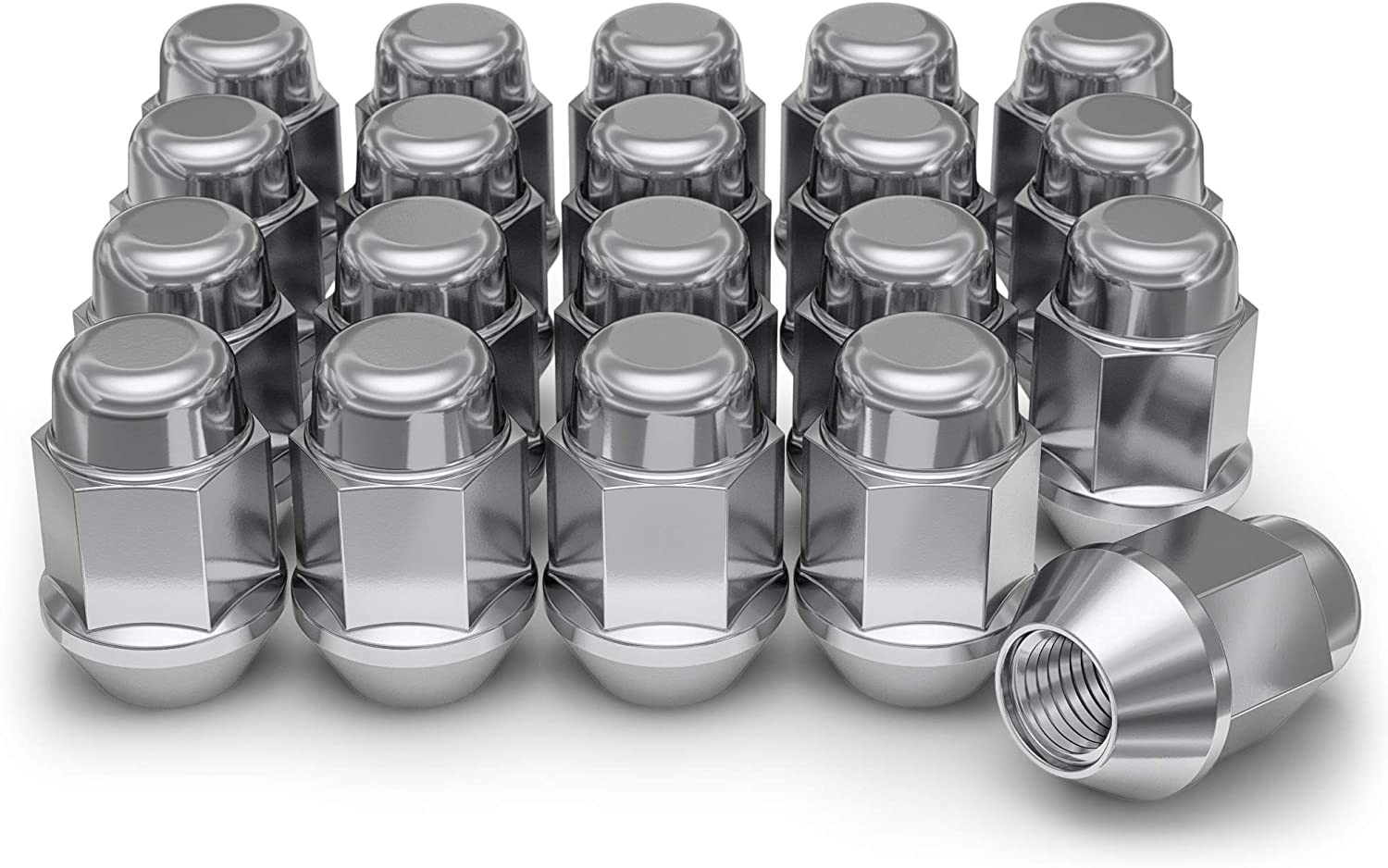
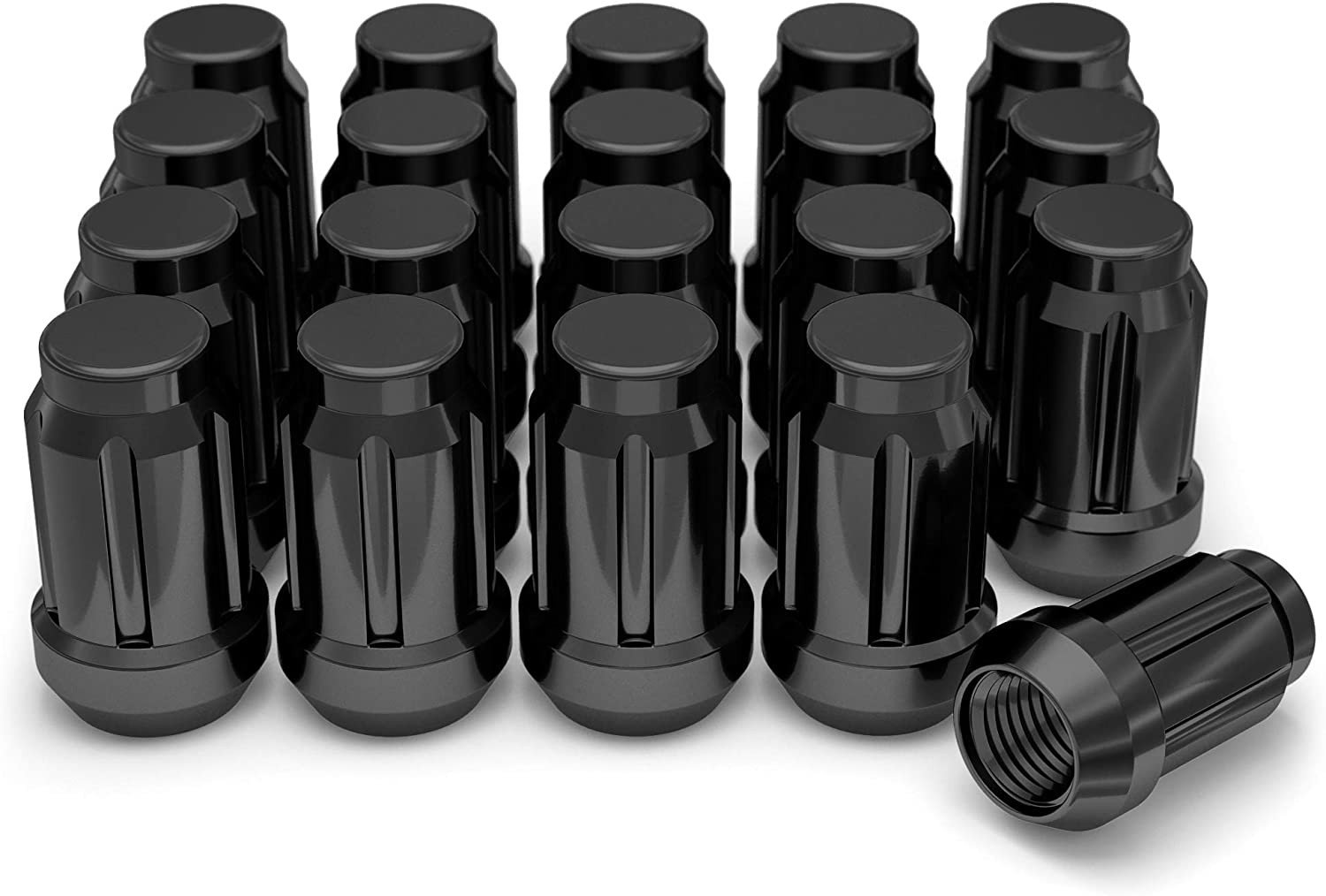
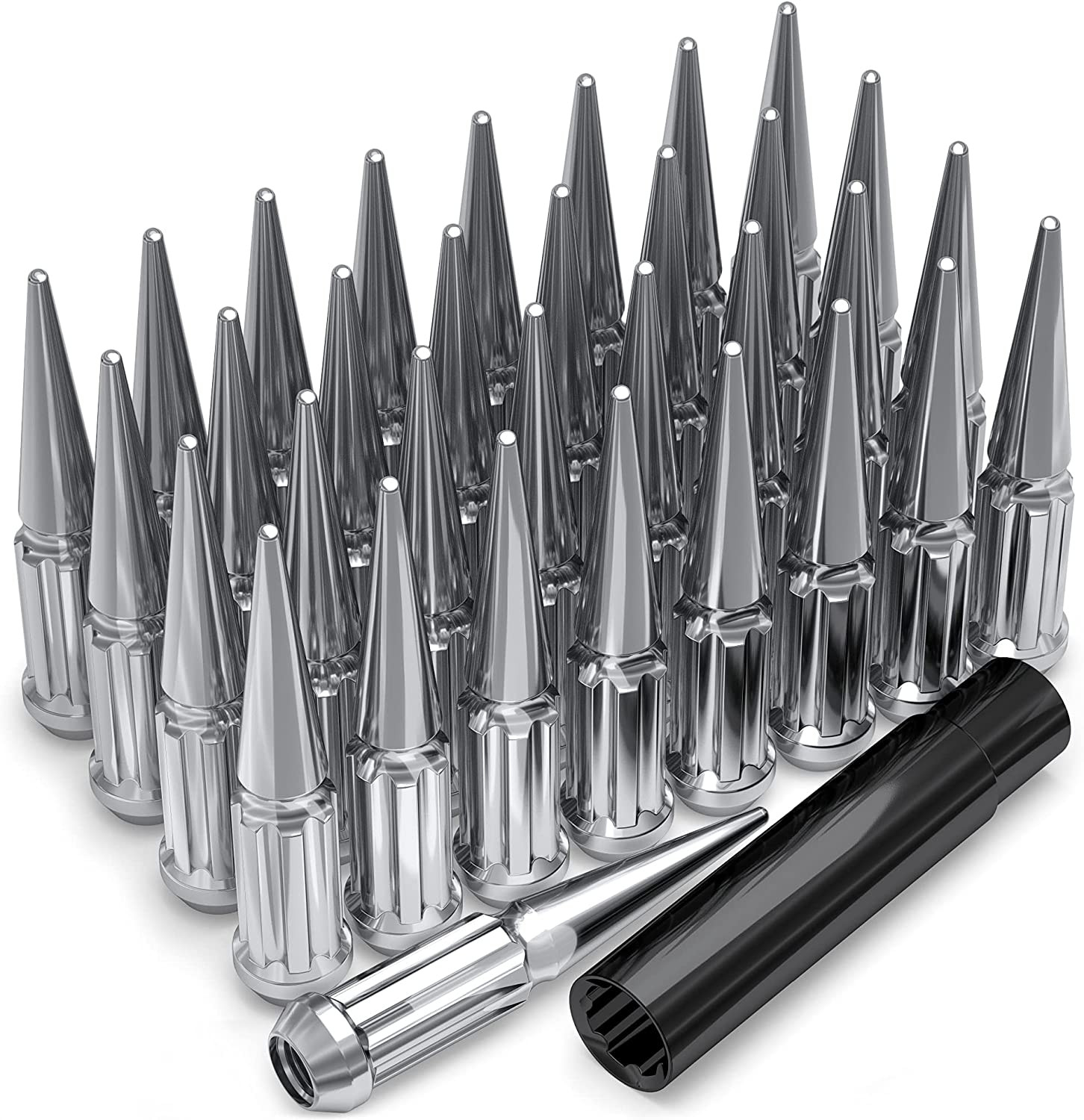
- Match the lug-nut seat type to the wheel. Do not assume the original lug nuts are correct for an aftermarket wheel.
- Inspect used wheels for cracks, bends, corrosion around the bead seat, damaged threads, and repaired areas.
Plus Sizing And Common Upgrades
Plus sizing generally means using a larger wheel diameter with a lower-profile tire while keeping the overall tire diameter reasonably close to the verified original size. The goal is to preserve speedometer behavior, suspension geometry, fender clearance, and usable load capacity. A larger wheel does not automatically improve handling and may reduce ride comfort or increase the risk of wheel and tire damage.
Use the calculator to compare a proposed wheel and tire package with the verified OEM package. Pay particular attention to section width, overall diameter, sidewall height, offset, and backspacing. A wider wheel or a more aggressive offset can create interference even when the bolt pattern is correct.
Do not choose a tire size based only on appearance. Confirm that the tire fits the selected rim width, satisfies the required load and speed ratings, and maintains adequate clearance at full steering lock and under compression. If the factory diameter cannot be confirmed because of the supplied 15-inch and 16-inch conflict, resolve that conflict before making a plus-size calculation.
Installation Tips
Before installation, clean the hub mounting face and wheel mounting surface. Remove rust, scale, paint buildup, and debris that could prevent the wheel from sitting flat. Do not apply grease, anti-seize, or paint between the wheel and hub unless specifically instructed by the vehicle or wheel manufacturer.
Install the correct lug nuts by hand first. Tighten them in a star or crisscross pattern, then torque them with a calibrated torque wrench to the vehicle or wheel manufacturer’s specification. The required torque value is not provided here, so obtain it from an OEM service source or the wheel manufacturer instead of guessing.
After mounting, rotate each wheel by hand and inspect for contact. With the vehicle safely supported, check clearance, then lower it and check again with the steering turned fully in both directions. Have the tires professionally mounted and balanced, and set inflation pressure using the vehicle placard rather than the maximum pressure molded into the tire.
Recheck lug-nut torque after the first short drive and again according to the wheel manufacturer’s instructions. Stop driving if you notice vibration, rubbing, steering changes, air loss, or unusual noise.
Tools And Helpful Supplies
Useful equipment includes a calibrated torque wrench, properly sized socket, jack and jack stands or a suitable lift, wheel chocks, a tire-pressure gauge, and a tread-depth gauge. A straightedge and ruler or caliper can help with basic clearance measurements, but they do not replace a professional inspection.
Helpful supplies may include a soft wire brush for cleaning hub faces, a flashlight for inspecting inner clearance, and manufacturer-approved replacement lug nuts when the wheel seat type differs from the original. For example, you can shop automotive torque wrenches on Amazon or shop digital tire-pressure gauges on Amazon. Verify tool suitability and specifications before purchase.
FAQs
What is the bolt pattern for the 2002 Honda CR-V?
The known bolt pattern is 5x114.3. Confirm the wheel’s mounting-hole pattern before installation.
What is the center bore?
The known center bore is 64.1 mm. A wheel with a smaller center bore will not fit over the vehicle hub. A larger bore may require a correctly sized hub-centric ring, subject to the wheel manufacturer’s instructions.
What lug-nut thread size is listed?
The known thread size is M12 x 1.5. Thread size alone does not identify the correct lug nut because the seating style must also match the wheel.
Is the original wheel diameter 15 or 16 inches?
The supplied fitment data lists a 16-inch rim diameter but a 15-inch tire rim diameter field. This is an unresolved data conflict. Check the door placard, owner’s manual, current tire sidewall, and OEM wheel markings before buying a replacement package.
Can any 5x114.3 wheel fit this CR-V?
No. The wheel must also have suitable center-bore compatibility, offset, width, brake clearance, load rating, mounting hardware, and fender and suspension clearance.
Can I use a larger wheel?
Possibly, but it must be evaluated as a complete wheel and tire package. Use the custom wheel and tire fields in the calculator, then verify diameter, clearance, load rating, tire approval, and physical fitment.
Do I need hub-centric rings?
Only if the wheel manufacturer specifies them and the wheel has a larger center bore than the hub. Rings do not correct an incorrect bolt pattern, offset, wheel load rating, or brake clearance.
What torque specification should I use for the lug nuts?
The required torque value is not provided in this guide. Use the vehicle manufacturer’s service information or the wheel manufacturer’s instructions, and use a calibrated torque wrench.
Why should I recheck the lug nuts after installation?
Rechecking helps identify settling or improper seating after the first drive. Follow the wheel manufacturer’s procedure and stop if the wheel develops vibration, looseness, or abnormal noise.