Enkei Performance
EKM3
Gunmetal
18 × 7.5″ · ET +38
$198.50
View at Tire Rack ↗Recorded OEM specifications for the 2018 Honda CR-V, donor years with overlapping ranges, and a calculator to compare a selected wheel. Range overlap is not a guaranteed fit.
Save these wheel specs to your Ownery garage
Baseline mounting dimensions used for interchange decisions.
Multiple OEM configurations exist for this vehicle. Fitment can vary by trim, brakes, and factory wheel package – confirm your exact setup before buying.
Thread-only product links are shopping examples, not verified fits. Seat style is not confirmed here. As an Amazon Associate we earn from qualifying purchases.
Selected size: 18 × 7.5″ · ET +45
Showing matching bolt patterns and offsets up to 30 mm lower. Confirm center bore, load rating, and clearance at Tire Rack.
Enkei Performance
Gunmetal
18 × 7.5″ · ET +38
$198.50
View at Tire Rack ↗
Enkei Tuning
Black
18 × 8″ · ET +45
$230.97
View at Tire Rack ↗
American Racing
Black
18 × 8″ · ET +45
$312.00
View at Tire Rack ↗
Konig
Gloss White
18 × 8″ · ET +45
$241.49
View at Tire Rack ↗We may earn a commission when you buy through these links. Prices and availability may change.
These are vehicle-year records whose recorded OEM ranges overlap this 2018 Honda CR-V. Overlap is not a guarantee that a specific wheel will install. Selected-wheel comparison is in the calculator below.
Evaluated 123 donor years. Listed 24 eligible overlaps (not all evaluated years are compatible). Showing all listed.
Years grouped because recorded compatibility evidence is equivalent. Each year keeps its own page.
Recorded OEM bolt pattern, center bore, and width/offset ranges overlap. This is not a guarantee that every wheel from the donor year fits this vehicle.
Years grouped because recorded compatibility evidence is equivalent. Each year keeps its own page.
Recorded OEM bolt pattern, center bore, and width/offset ranges overlap. This is not a guarantee that every wheel from the donor year fits this vehicle.
Only years with evidence-based interchange relationships are listed. Adjacent years are not assumed compatible.
Compare a donor vehicle or custom wheel against this 2018 Honda CR-V. Use Compare in calculator on a donor row above to fill the donor side of this same calculator.
Compare wheel compatibility between two vehicles
2018 Honda CR-V


Example products matched to recorded thread, hub, or spacer dimensions. They are not verified fits. Confirm seat style, thickness, and clearance before ordering.
M12 x 1.5
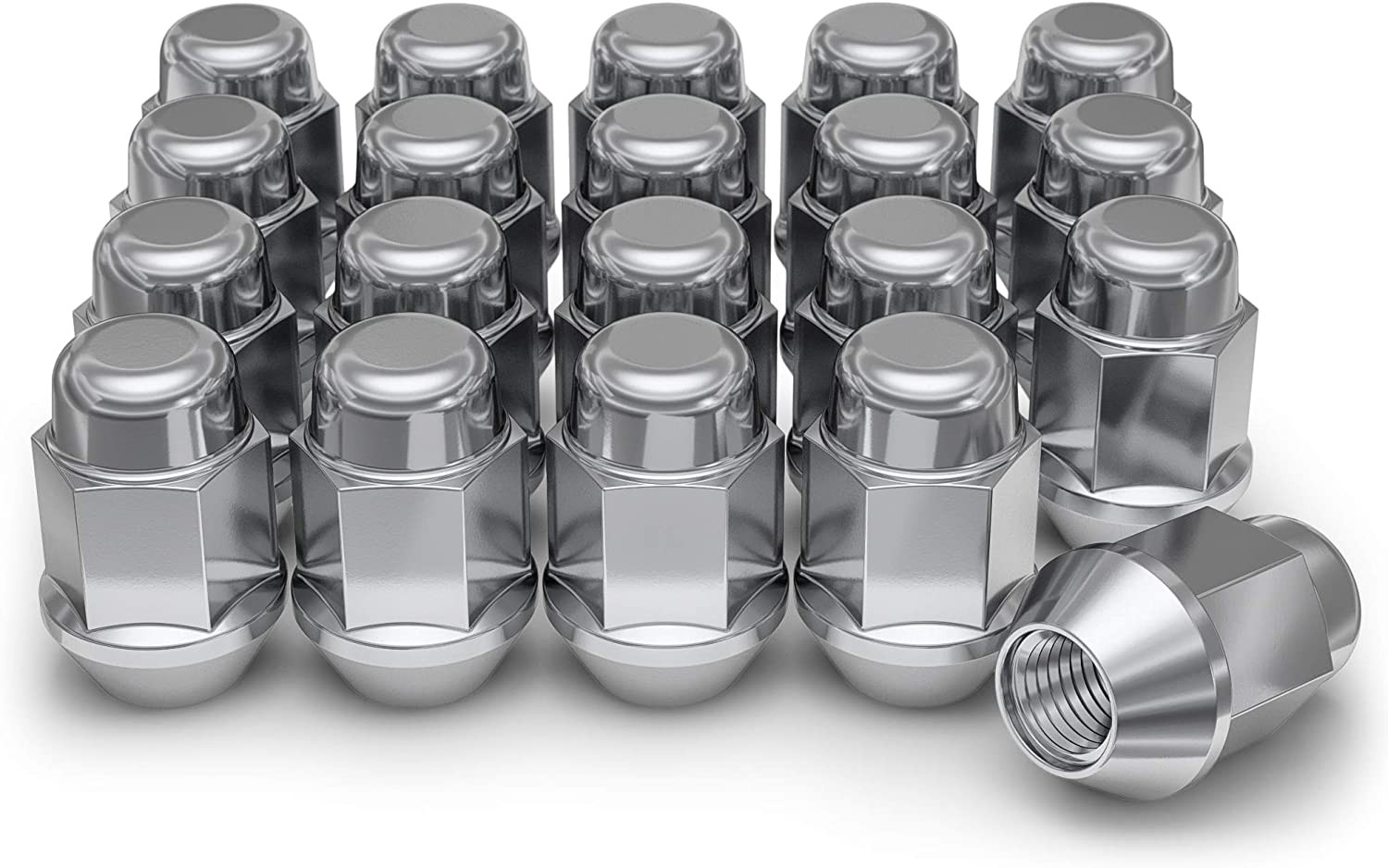
M12 x 1.5 · Thread match only; seat style is not verified
View on Amazon →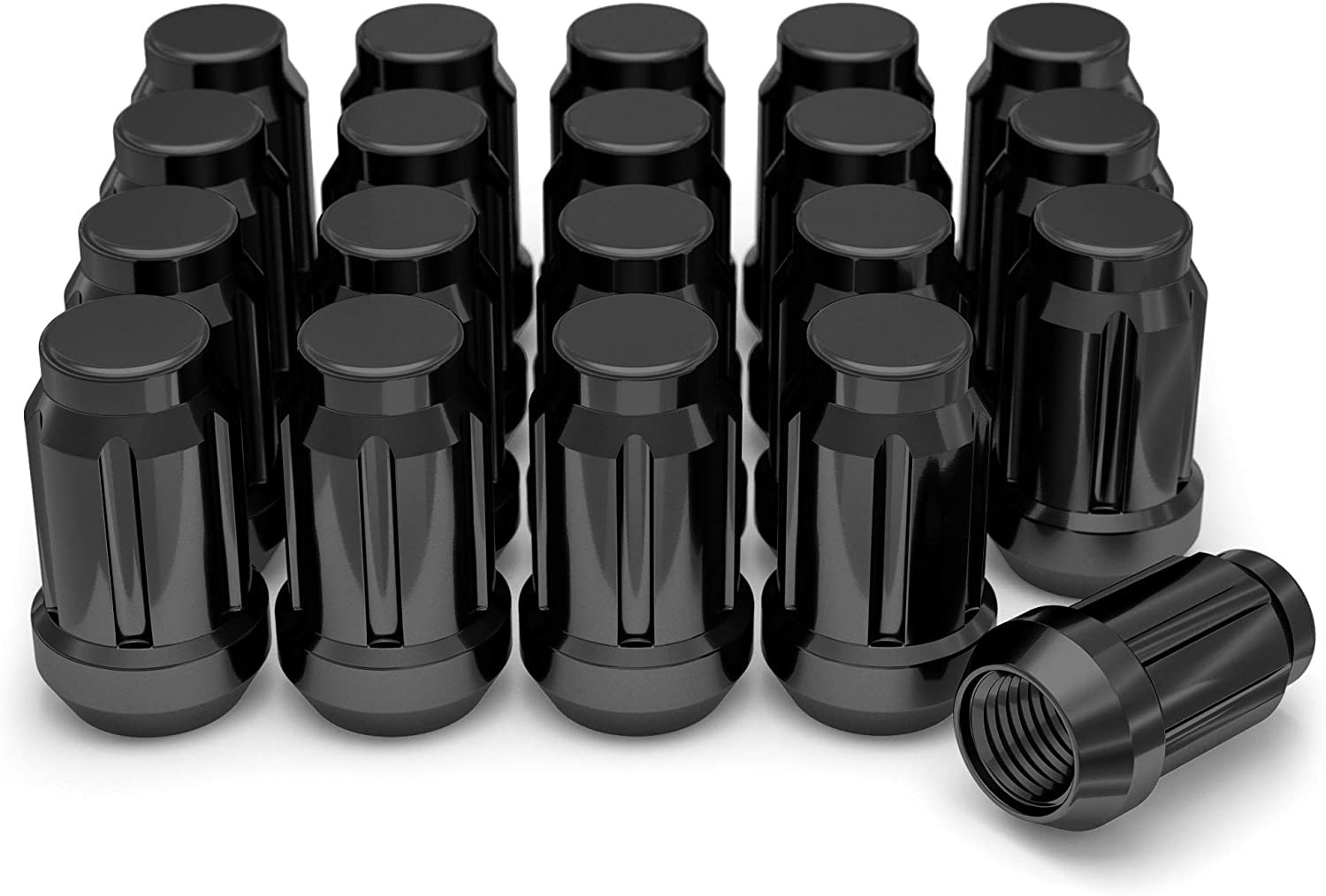
M12 x 1.5 · Thread match only; seat style is not verified
View on Amazon →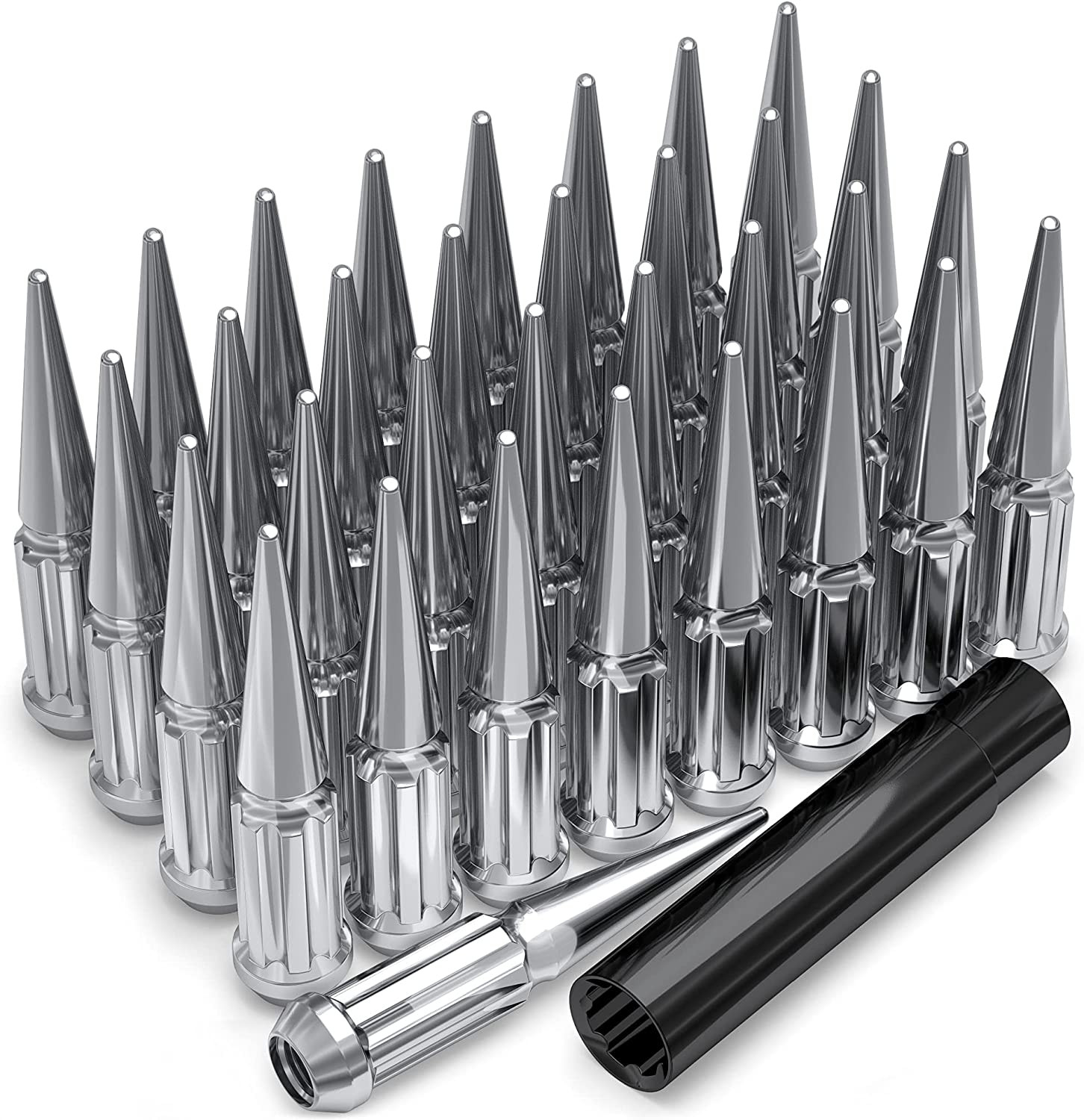
M12 x 1.5 · Thread match only; seat style is not verified
View on Amazon →As an Amazon Associate we earn from qualifying purchases. Product availability and pricing may change.
The following specifications are the known fitment values provided for the 2018 Honda CR-V. Factory equipment can vary by trim, market, and wheel package, so confirm the information on your vehicle and in current Honda service documentation before purchasing wheels or tires.
| Specification | Known value |
|---|---|
| Bolt pattern | 5x114.3 |
| Center bore | 64.1 mm |
| Thread size | M12 x 1.5 |
| Rim diameter | 18 inches |
| Rim width | 7.5 inches |
| Wheel offset | ET45 |
| Backspacing | 5.52 inches |
| Tire size details | 235 mm section width, 60% aspect ratio, 18-inch rim diameter |
These values describe the supplied reference configuration, not necessarily every 2018 CR-V trim. Do not assume that a wheel fits solely because it has the same bolt pattern. Inner clearance, brake clearance, center bore, load rating, tire clearance, and lug-seat design must also be checked.
Use the calculator to compare a donor vehicle's wheels with the wheels installed on your 2018 Honda CR-V. Enter the donor wheel and tire information under “Wheels from (donor vehicle)” and the CR-V information under “Installed on (your vehicle).”
Use the known reference values above where they match your vehicle. If a value varies by trim or is not shown in your vehicle documentation, verify it before entering it. The calculator can also model a custom wheel size by changing rim diameter, rim width, and offset, along with a custom tire section width and aspect ratio.
When you change the rim diameter, the calculator updates the tire diameter in the comparison. Review the resulting diameter, sidewall, width, and clearance differences rather than relying only on a percentage or visual estimate. Calculator results are a planning aid and do not replace a physical test fit or confirmation from Honda and the wheel manufacturer.
Confirm the wheel has a 5x114.3 bolt pattern and a center bore that is compatible with the CR-V's 64.1 mm hub. A larger wheel center bore may require correctly sized hub-centric rings, while a smaller bore will not fit over the hub. Do not use rings to correct an incompatible bolt pattern.
Check the wheel's offset, width, and backspacing against the calculator and the vehicle. Confirm clearance to the brake caliper, suspension components, steering components, and inner fender at full steering lock and through suspension travel.
Verify the wheel's load rating, diameter, width, and tire compatibility. Confirm that the replacement tire has a suitable load index and speed rating for the vehicle. Tire diameter changes can affect speedometer accuracy, ground clearance, electronic systems, and available fender clearance.
Inspect the wheel's lug-seat type and confirm that the fasteners match the wheel. The known thread size is M12 x 1.5, but thread size alone does not confirm the correct lug nut seat or required fastener style. Check the owner's manual, wheel documentation, or an authorized Honda source for the required tightening specification.
Before ordering, confirm the exact trim, original wheel package, and market version using the vehicle identification number, the driver's door information label, the owner's manual, and current Honda parts or service information.
Plus sizing means using a larger rim diameter with a lower-profile tire while attempting to maintain a similar overall tire diameter. It can change steering response, ride comfort, wheel protection, noise, cost, and the risk of impact damage. A larger rim is not automatically a better or safer choice.
Use the calculator to compare a proposed custom rim diameter, rim width, offset, section width, and aspect ratio with the known reference configuration. The calculator can show how changing rim diameter affects tire diameter, but it cannot confirm brake clearance, structural wheel quality, tire load capacity, or every body and suspension clearance.
Do not select a tire only by matching the 235 mm section width. Actual tire dimensions vary by tire model and approved rim width. Review the tire manufacturer's fitment data and confirm that the proposed tire is approved for the selected wheel.
Before installation, compare the replacement wheel with the original wheel and inspect the mounting face, center bore, lug holes, valve-stem area, and inner barrel. Test-fit one wheel on the front and rear as appropriate before mounting all four tires.
With the vehicle safely supported, rotate the wheel by hand and check for contact. After lowering the vehicle, check clearance at both steering extremes and recheck after a short, cautious drive. Any rubbing, vibration, uneven seating, or steering change requires immediate inspection.
Use the correct lug nuts for the replacement wheel and tighten them in a star pattern with a calibrated torque wrench using the vehicle or wheel manufacturer's specified torque. Do not guess the torque value. Recheck lug tightness according to the vehicle manufacturer's service guidance after installation.
Set tire pressure according to the vehicle's tire information label unless a qualified tire professional or manufacturer specifies otherwise. Reset or verify the tire-pressure monitoring system as required, and have the wheels balanced. An alignment check is recommended if the vehicle pulls, the steering wheel is off-center, or suspension components were disturbed.
Useful equipment includes a calibrated torque wrench, properly sized socket, jack and jack stands or an approved lift, wheel chocks, a tire-pressure gauge, and a tread or clearance inspection tool. Use equipment rated for the vehicle and follow its safety instructions. Never work under a vehicle supported only by a jack.
Hub-centric rings, if needed, must match the wheel's actual center bore and the vehicle hub diameter. They cannot correct an incorrect bolt pattern, unsafe offset, inadequate load rating, or poor-quality wheel.
The provided OEM fitment value is 5x114.3. Confirm the value for your exact trim and market before ordering.
The provided center-bore value is 64.1 mm. A replacement wheel with a larger bore may need properly sized hub-centric rings. A wheel with a smaller bore will not fit over the vehicle hub.
The supplied reference configuration is an 18-inch diameter wheel that is 7.5 inches wide, with ET45 offset and 5.52 inches of backspacing. Trim-specific equipment may differ, so verify your vehicle before using these values for a purchase.
The supplied reference tire information is a 235 mm section width, 60% aspect ratio, and an 18-inch rim diameter. The complete tire designation, load index, and speed rating were not provided here. Confirm those details from the tire sidewall, vehicle label, owner's manual, and tire manufacturer.
No. Bolt pattern is only one part of fitment. You must also check center bore, offset, width, backspacing, brake and suspension clearance, lug-seat compatibility, wheel load rating, tire size, and fender clearance.
The provided thread size is M12 x 1.5. Confirm that the replacement wheel uses the correct lug-seat design and fastener type. Thread size by itself does not identify the complete lug-nut specification.
Enter the donor information under “Wheels from (donor vehicle)” and the CR-V information under “Installed on (your vehicle)” in the on-page calculator. Review changes in diameter, width, offset, backspacing, and tire dimensions. Treat the result as a preliminary comparison, then confirm the wheel manufacturer's specifications and perform a safe clearance check.
In the calculator, changing rim diameter updates the tire diameter in the comparison. The actual final tire diameter depends on the complete tire size selected. Check the tire manufacturer's published dimensions and confirm clearance on the vehicle.
Use the vehicle identification number, the driver's door label, the owner's manual, Honda parts and service information, and the wheel and tire manufacturers' specifications. If those sources disagree, consult a qualified tire or wheel professional before installation.
Wheel interchange depends on more than bolt pattern. Where data is available, this site compares recorded OEM values:
A normal wheel spacer does not change bolt pattern. Hub rings cannot enlarge a wheel bore that is smaller than the hub. Brake clearance and tire package fitment still require vehicle-specific checks when not confirmed in the dataset.