2011 Honda Pilot Wheel Fitment Guide
This page summarizes the known wheel and tire fitment data for the 2011 Honda Pilot and explains how to verify a replacement wheel before purchase. Fitment can vary by trim, package, market, and the specific wheel or tire combination. Always confirm the vehicle’s original equipment information using the door-jamb label, owner’s manual, VIN-based Honda parts source, or a qualified tire and wheel professional.
Known OEM Fitment For 2011 Honda Pilot
The supplied fitment data for the 2011 Honda Pilot is listed below. These values should be treated as reference information, not as confirmation that every listed value belongs to one complete factory wheel and tire package.
| Specification |
Known value |
| Bolt pattern |
5x120 |
| Center bore |
64.1 mm |
| Thread size |
M14 x 1.5 |
| Rim diameter |
18 inches |
| Rim width |
7.5 inches |
| Wheel offset |
ET45 |
| Backspacing |
5.52 inches |
| Tire section width |
245 mm |
| Tire aspect ratio |
65 percent |
| Tire rim diameter |
17 inches |
There is an apparent diameter mismatch in the supplied data: the listed rim diameter is 18 inches, while the listed tire size data includes a 17-inch tire rim diameter. A tire with a 17-inch rim diameter cannot be mounted on an 18-inch wheel. Confirm the actual wheel and tire package for your Pilot before ordering. Do not combine these entries without verification.
The 5x120 bolt pattern describes five wheel studs or bolt holes positioned on a 120 mm pitch circle. The 64.1 mm center bore is also important. A replacement wheel must clear the hub, and a larger aftermarket center bore may require correctly sized hub-centric rings. A wheel with a smaller center bore will not seat on the hub unless it is specifically designed for that application.
How To Use The Wheel Interchange Calculator
Use the on-page calculator to compare wheels from a donor vehicle with wheels installed on your 2011 Honda Pilot. Start by entering or selecting the donor vehicle in the “Wheels from” section, then select the Pilot in the “Installed on” section.
Review the calculator results for bolt pattern, center bore, wheel width, wheel diameter, offset, and tire dimensions. A match in bolt pattern alone does not prove that a wheel is safe or suitable. Check the complete result and compare it with the known Pilot data above.
You can also use the custom wheel size controls to enter rim diameter, rim width, and offset. The custom tire controls allow you to enter tire section width and aspect ratio. When you change rim diameter, the calculator updates the tire diameter used in the comparison. This is useful for evaluating a proposed wheel and tire combination, but it does not replace physical clearance checks or professional confirmation.
If a value is missing, conflicts with another value, or varies by trim, confirm it through the vehicle’s tire information label, owner’s manual, Honda service information, or a VIN-specific parts source. Do not rely on an internet listing that does not identify the exact vehicle and wheel.
Fitment Checklist Before You Buy
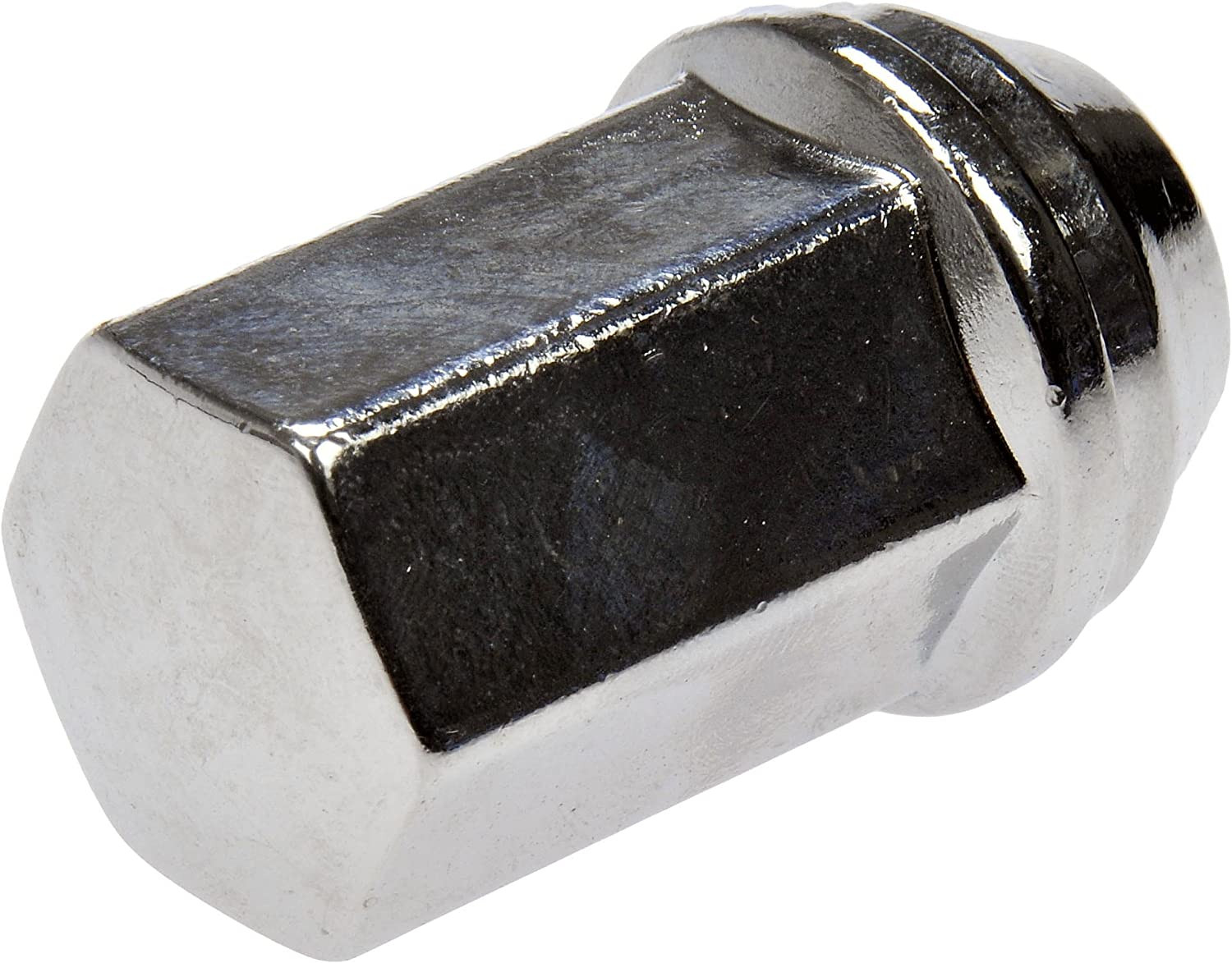
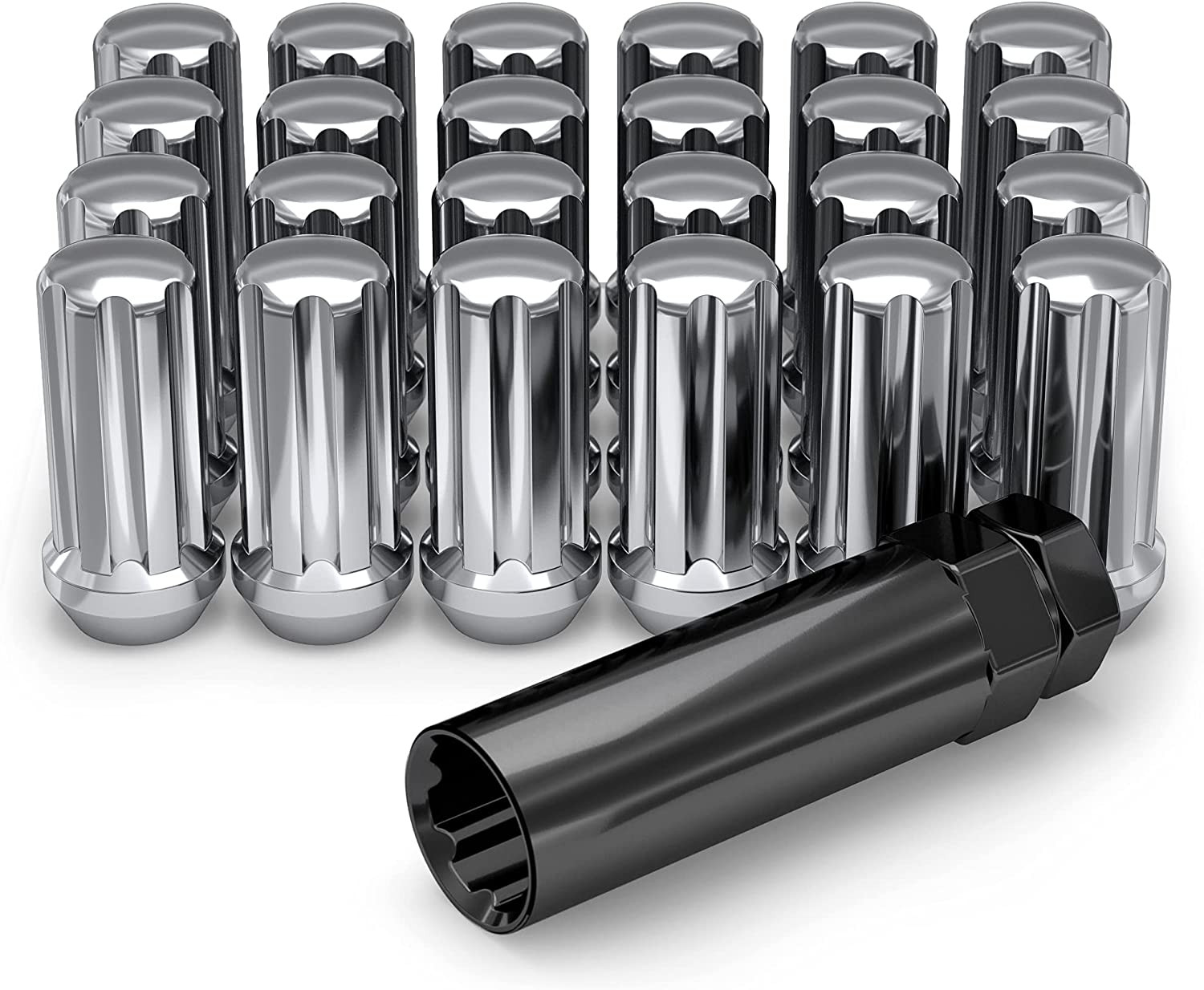
Confirm the exact Pilot trim and market before purchasing. Then verify the wheel’s 5x120 bolt pattern, 64.1 mm hub requirement, diameter, width, and offset. Confirm that the wheel uses the correct fastener seat and that the M14 x 1.5 thread specification is appropriate for the vehicle and wheel hardware.
Check the complete tire size, including section width, aspect ratio, and rim diameter. The tire must match the wheel diameter. Because the supplied information contains both an 18-inch rim entry and a 17-inch tire rim entry, verify which size is installed on your vehicle before buying tires or wheels.
Inspect clearance at the brake caliper, suspension strut, steering components, inner wheel well, and fender. Check clearance at full steering lock and through the suspension’s usable travel. Also verify that the replacement wheel supports the vehicle’s load requirements and that the tire has an appropriate load index and speed rating.
After installation, check that the wheel seats flat against the hub, the fasteners engage properly, and no spacer or adapter is being used unless it is specifically engineered and approved for the application. Recheck clearances after driving and follow the wheel manufacturer’s torque instructions.
Plus Sizing And Common Upgrades
Plus sizing means changing wheel diameter while selecting a tire with a different sidewall so the overall tire diameter remains close to the original. The calculator can help compare custom rim diameter, rim width, offset, section width, and aspect ratio, but the result is only a comparison. It is not a guarantee of brake, suspension, body, or tire clearance.
Changing wheel width or offset can move the inner wheel edge closer to suspension parts or move the outer edge closer to the fender. A wider tire can also increase the chance of rubbing during steering or suspension compression. Do not assume that a wheel from another vehicle is suitable just because it has the same 5x120 bolt pattern.
When considering an upgrade, preserve safe load capacity, maintain appropriate tire diameter, confirm speedometer and vehicle-system compatibility, and verify that the tire remains approved for the selected wheel width. Tire pressure should be set according to the vehicle manufacturer’s label unless a qualified professional provides a documented alternative.
Installation Tips
Before mounting a replacement wheel, clean rust, dirt, and debris from the hub and the wheel’s mounting face. Do not apply grease or anti-seize to wheel stud or lug nut threads unless the vehicle or fastener manufacturer specifically permits it, because lubrication can change the resulting clamping force.
Install the wheel by hand and start each fastener by hand to avoid cross-threading. Tighten the fasteners in a star or crisscross pattern, then use a calibrated torque wrench set to the vehicle or wheel manufacturer’s specified torque. The exact torque value was not provided here, so obtain it from an OEM or wheel manufacturer source rather than guessing.
After installation, verify tire pressure, inspect for leaks, and confirm that the wheel rotates freely. Drive cautiously at first, listen for rubbing or unusual noise, and recheck fastener torque after the interval specified by the vehicle or wheel manufacturer. Stop driving if the wheel contacts suspension or bodywork.
Tools And Helpful Supplies
A calibrated torque wrench, correct socket, jack and jack stands or an approved lift, wheel chocks, a tire pressure gauge, and a soft brush for cleaning the hub are useful for a careful installation. Use jack stands or a lift that is properly rated for the vehicle, and never work under a vehicle supported only by a jack.
For shopping reference, you can compare automotive torque wrenches on Amazon and digital tire pressure gauges on Amazon. Confirm tool specifications and suitability before purchase.
FAQs
What is the known bolt pattern for the 2011 Honda Pilot?
The supplied bolt pattern is 5x120. Verify the exact vehicle and wheel application before purchase because bolt pattern by itself does not confirm full fitment.
What is the center bore listed for the 2011 Honda Pilot?
The supplied center bore is 64.1 mm. A replacement wheel should clear the hub. If an aftermarket wheel has a larger bore, properly sized hub-centric rings may be needed to center it correctly.
What wheel offset is listed?
The supplied wheel offset is ET45. Offset affects inner suspension clearance and outer fender position, so compare the proposed wheel’s width and offset together rather than evaluating offset alone.
Can I use the listed 245/65R17 tire on the listed 18-inch rim?
No. The tire rim diameter in that size is 17 inches, while the supplied rim diameter is 18 inches. Those entries should not be treated as one compatible wheel and tire package. Confirm the correct factory size and current vehicle setup before ordering.
Does a 5x120 wheel automatically fit the 2011 Honda Pilot?
No. You must also verify center bore, wheel diameter, width, offset, brake clearance, fastener compatibility, load capacity, and tire dimensions. Use the on-page calculator for an initial comparison, then confirm the result with physical and OEM checks.
How can I confirm the correct OEM tire size?
Check the tire and loading information label on the vehicle, the owner’s manual, and a VIN-specific Honda parts or service source. If those sources disagree, have a qualified tire professional identify the correct configuration before replacing the tires.
Do I need a special torque value for aftermarket wheels?
Use the torque specification provided by the vehicle manufacturer or the wheel manufacturer for the specific fastener and wheel design. No torque value was provided in this guide, so do not guess. Recheck the fasteners according to the manufacturer’s instructions after installation.
Can the calculator confirm that a donor wheel will not rub?
The calculator can compare key dimensions and show how custom wheel and tire changes affect the comparison. It cannot account for every brake shape, suspension variation, tire brand profile, vehicle load, or body condition. Confirm clearance on the actual vehicle before driving.