2016 Hyundai Genesis Wheel Fitment Guide
Known OEM Fitment For 2016 Hyundai Genesis
The following specifications are the known OEM reference values provided for the 2016 Hyundai Genesis. Fitment can vary by trim, package, market, brake configuration, and wheel design, so confirm the markings on your current wheel and consult Hyundai service information before purchasing.
| Specification |
Known reference |
| Bolt pattern |
5x114.3 |
| Center bore |
67.1 mm |
| Thread size |
M12 x 1.5 |
| Rim diameter |
18 inches |
| Rim width |
8.0 inches |
| Wheel offset |
ET36 |
| Backspacing |
5.42 inches |
| Tire size reference |
245/45R18 |
| Tire section width |
245 mm |
| Tire aspect ratio |
45 percent |
| Tire rim diameter |
18 inches |
These values identify the mounting pattern and a known wheel and tire reference. They do not confirm that every 5x114.3 wheel will clear the brake components, suspension, fenders, or wheel wells. Wheel spoke shape and barrel design can affect clearance even when the basic dimensions match.
How To Use The Wheel Interchange Calculator
Use the calculator to compare a donor vehicle's wheel and tire dimensions with the 2016 Hyundai Genesis reference setup. Select the donor vehicle under “Wheels from” and the Genesis under “Installed on.” Review diameter, width, offset, bolt pattern, center bore, and tire dimensions together rather than relying on one measurement.
For a custom comparison, enter the proposed rim diameter, rim width, and offset under “Custom wheel size.” Then enter the tire section width and aspect ratio under “Custom tire size.” When you change rim diameter, the calculator updates the tire diameter comparison. This helps identify changes in overall diameter, but it does not replace a physical brake-clearance, suspension-clearance, or fender-clearance check.
- Compare the proposed bolt pattern with 5x114.3.
- Compare the wheel center bore with 67.1 mm and determine whether hub-centric rings are needed for a larger bore.
- Check offset and width for changes in inner and outer clearance.
- Compare the proposed tire diameter and width with the 245/45R18 reference.
- Confirm the result against the vehicle identification label, the wheel markings, the tire placard, and OEM service information.
Fitment Checklist Before You Buy
Do not purchase a wheel based only on bolt pattern. Confirm every critical interface and clearance point before mounting the wheel on the vehicle.
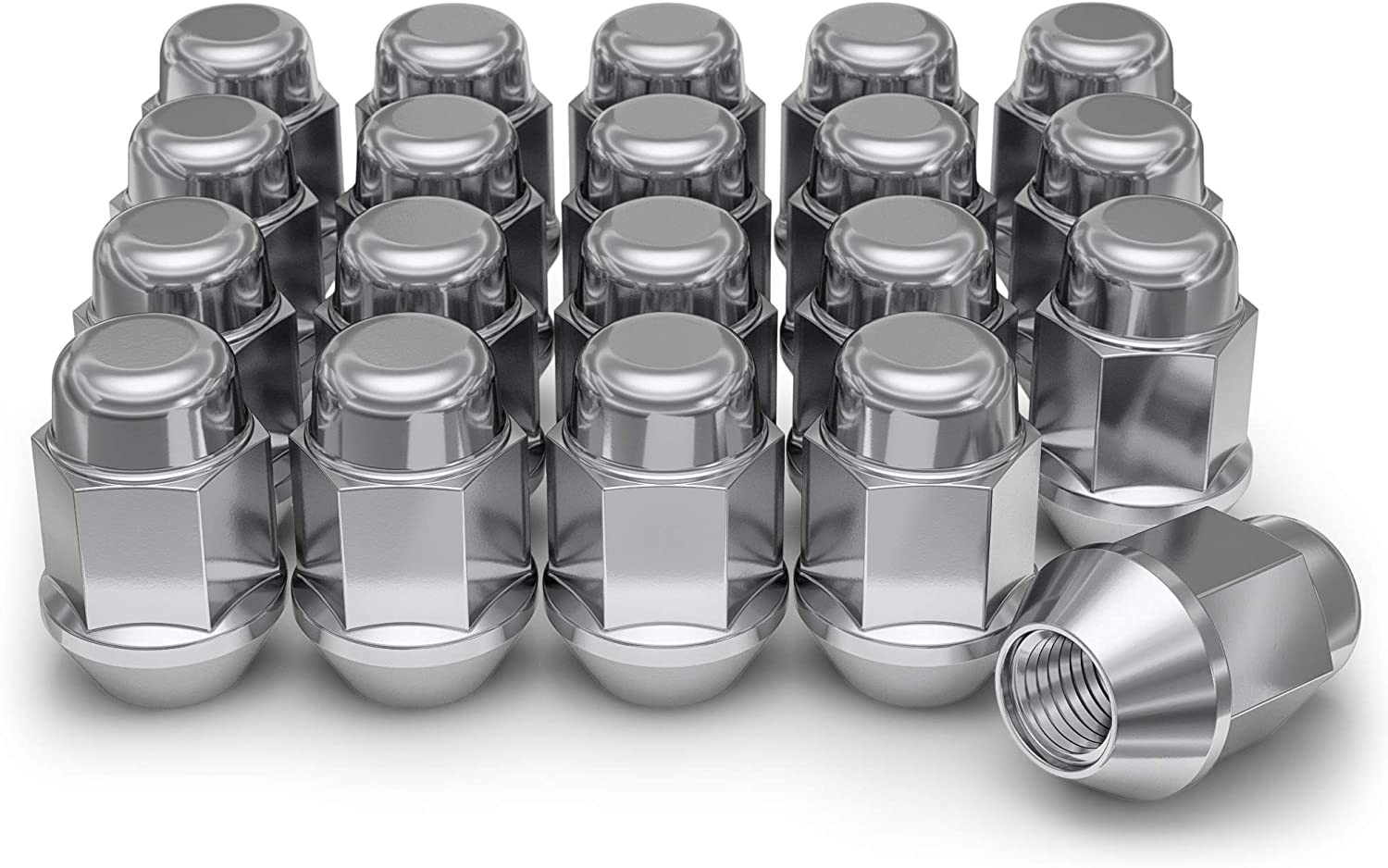
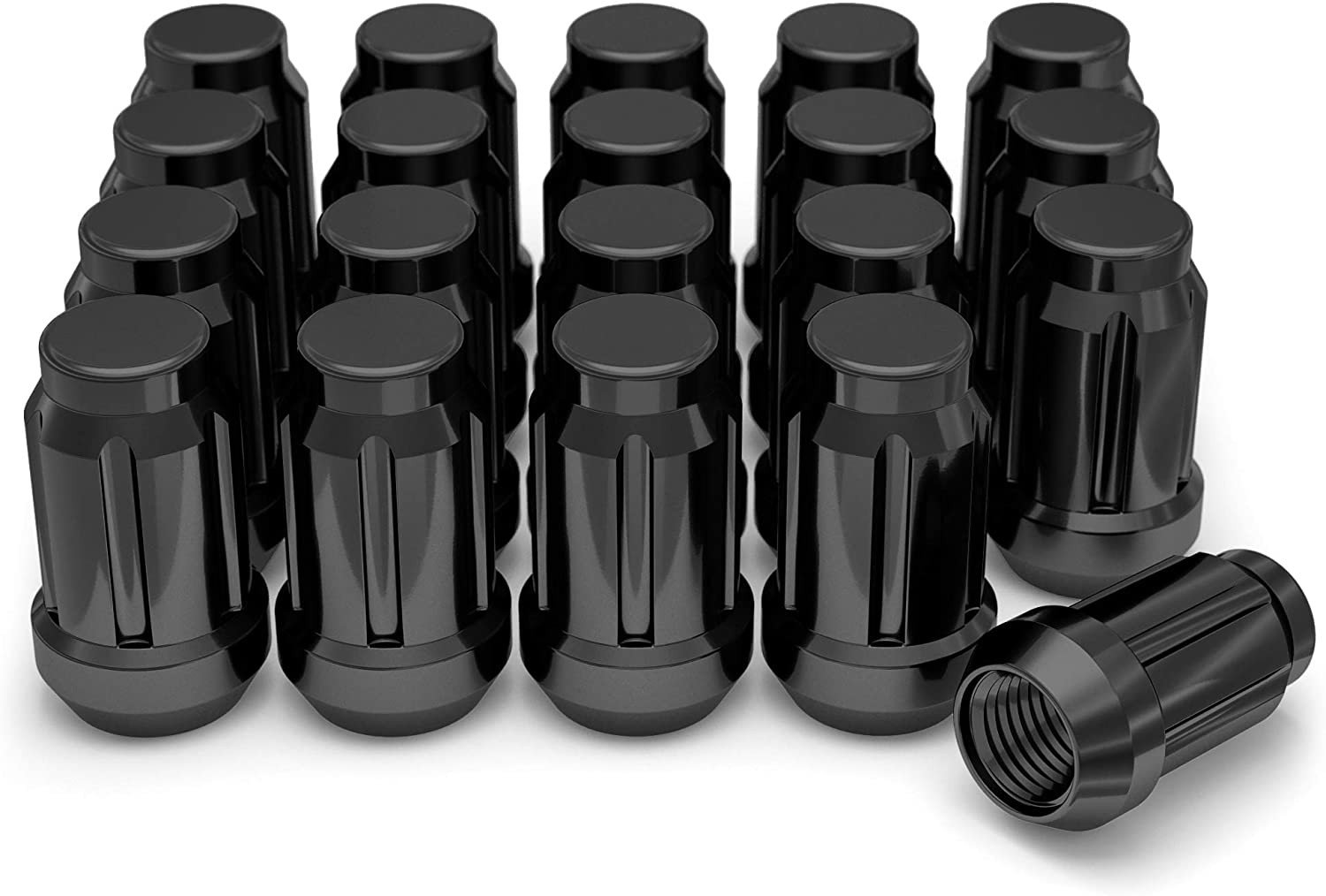
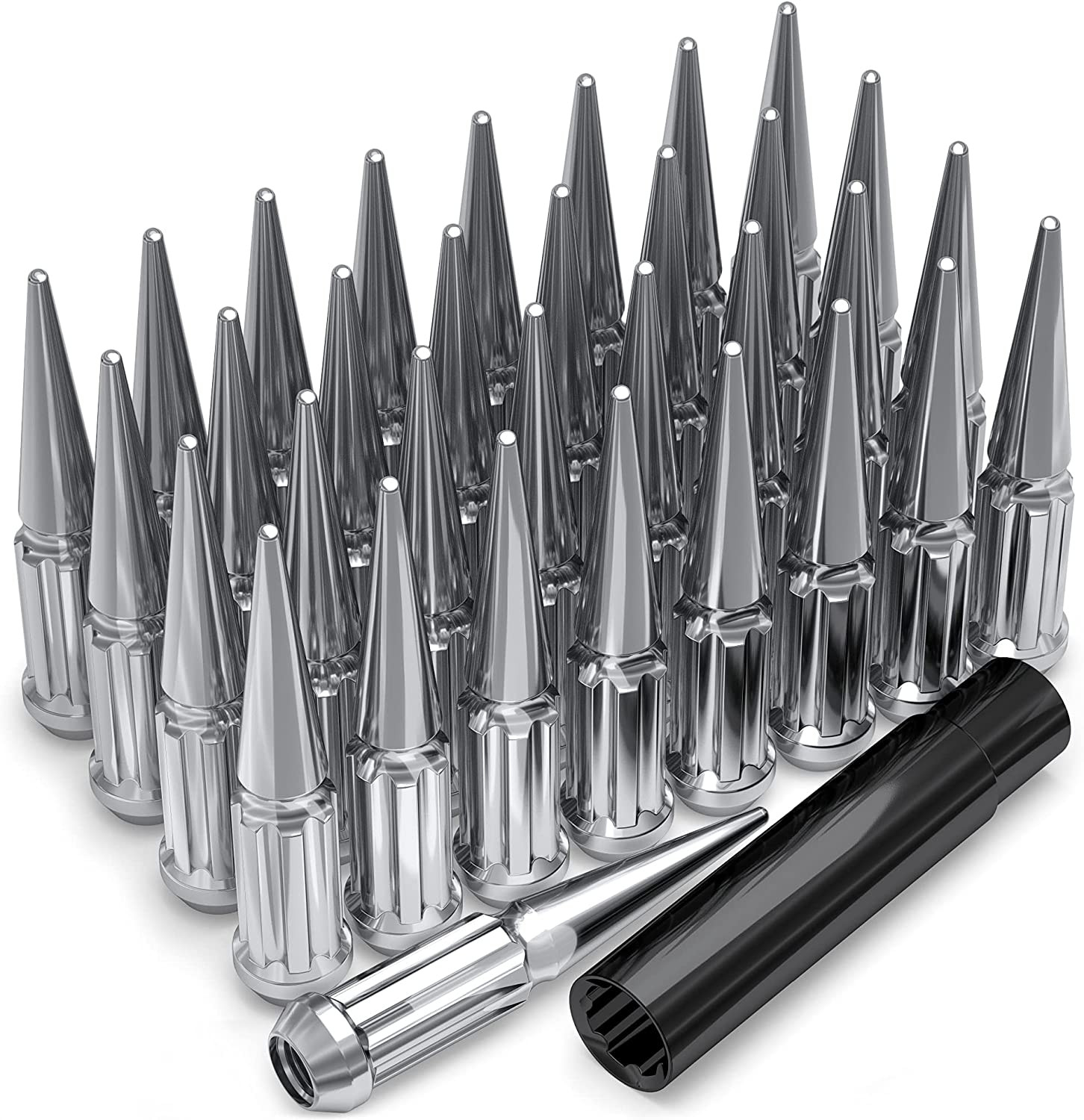
- Verify the 5x114.3 bolt pattern and confirm that the wheel uses the correct seat type for the intended lug hardware.
- Check the center bore. A wheel bore smaller than 67.1 mm will not fit over the hub. A larger bore may require correctly sized hub-centric rings where appropriate.
- Confirm the intended lug nut thread is M12 x 1.5 and verify the lug seat style and engagement length with the wheel manufacturer or OEM documentation.
- Compare wheel width, offset, and backspacing. Small changes can affect strut, control-arm, brake, fender, and inner-liner clearance.
- Check brake-caliper clearance using the wheel manufacturer's template or a careful test fit. The provided specifications do not confirm clearance for every aftermarket wheel design.
- Confirm the tire load index, speed rating, approved width range, and pressure requirements using the tire manufacturer and the vehicle placard.
- After installation, check for rubbing at full steering lock and through suspension movement. Do not drive if the tire or wheel contacts any component.
Plus Sizing And Common Upgrades
Plus sizing changes the wheel diameter while maintaining a similar overall tire diameter by using a lower tire aspect ratio. The calculator can show how a custom rim diameter, width, offset, section width, and aspect ratio compare with the 245/45R18 reference.
No specific larger wheel or tire size is confirmed here. Clearance, tire availability, ride quality, load capacity, speed rating, speedometer effect, and fender position must be evaluated for the exact wheel and tire combination. A wider wheel or tire is not automatically safer or better, and a lower-profile tire may be more vulnerable to impact damage.
When comparing a custom setup, keep the calculated overall diameter as close as practical to the verified OEM reference unless Hyundai, the tire manufacturer, or a qualified technician confirms otherwise. Check the complete wheel-and-tire assembly on the vehicle before final installation.
Installation Tips
Inspect both the wheel mounting face and the vehicle hub before installation. Remove rust, dirt, paint buildup, and debris that could prevent the wheel from seating flat. Never use wheel spacers, adapters, or incompatible lug hardware without confirming their specifications and safety suitability.
- Install the wheel by hand and start every lug nut by hand to avoid cross-threading.
- Use the correct lug seat and thread engagement for the specific wheel.
- Snug the lugs in a crisscross pattern, lower the vehicle according to the service procedure, and torque them with a calibrated torque wrench to the vehicle or wheel manufacturer's specification.
- Do not guess the torque value. The correct value may vary by vehicle, wheel, lug hardware, and installation condition.
- Recheck tire pressure and inspect for leaks after mounting.
- Perform a short, cautious test drive, then recheck for looseness, vibration, rubbing, and air loss.
Tools And Helpful Supplies
Useful equipment includes a properly rated floor jack, jack stands, wheel chocks, a calibrated torque wrench, the correct socket, a tire-pressure gauge, and a tool for checking wheel or hub clearance. Use jack stands on a solid, level surface and follow the vehicle service manual's lifting points.
Shop automotive torque wrenches on Amazon and shop digital tire pressure gauges on Amazon. Product compatibility and accuracy should be verified before use.
FAQs
What is the bolt pattern for the 2016 Hyundai Genesis?
The provided OEM reference is 5x114.3. Confirm the exact vehicle and wheel application before ordering.
What is the center bore?
The provided reference center bore is 67.1 mm. A wheel with a smaller bore will not fit over the hub. A larger bore may need a properly sized hub-centric ring, depending on the application and wheel design.
What wheel size is listed as the OEM reference?
The known reference is an 18 x 8.0-inch wheel with ET36 offset and 5.42-inch backspacing. This may not represent every trim or factory package.
What tire size is listed for this fitment?
The provided tire reference is 245/45R18, with a 245 mm section width, 45 percent aspect ratio, and 18-inch rim diameter. Verify the tire placard on the vehicle because tire specifications can vary.
Can I use any 5x114.3 wheel?
No. Bolt pattern alone is not enough. The wheel must also have suitable center bore, offset, width, brake clearance, lug seat compatibility, load capacity, and adequate tire clearance.
What lug thread size is provided?
The provided thread reference is M12 x 1.5. Confirm lug seat type, required engagement, and final torque for the exact wheel and lug hardware before installation.
Will the calculator confirm that a custom wheel will fit?
The calculator compares key dimensions and shows how custom wheel and tire sizes differ from the reference. It cannot verify every spoke, brake, suspension, fender, or inner-liner clearance condition. A physical test fit and OEM or manufacturer confirmation are still required.
Where can I confirm specifications that are not listed?
Check the vehicle's tire and loading information label, current wheel markings, Hyundai owner's and service information, and documentation from the wheel and tire manufacturers. If the vehicle has an unlisted trim or package, treat the available reference as incomplete until confirmed.