2014 Hyundai Genesis Wheel Fitment Guide
Known OEM Fitment For 2014 Hyundai Genesis
The following specifications are the known OEM fitment values provided for the 2014 Hyundai Genesis. Fitment can vary by trim, wheel package, market, or factory equipment, so confirm the markings on your original wheel and consult Hyundai documentation before ordering replacement wheels or tires.
| Specification |
Provided value |
| Bolt pattern |
5x114.3 |
| Center bore |
66.7 mm |
| Thread size |
M12 x 1.5 |
| Rim diameter |
18 inches |
| Rim width |
8.0 inches |
| Wheel offset |
ET33 |
| Backspacing |
5.3 inches |
| Tire section width |
225 mm |
| Tire aspect ratio |
55 |
| Tire rim diameter listed in the supplied data |
R17 |
Important: the supplied data lists an 18-inch rim diameter but also lists a tire rim diameter of R17. Those values do not describe the same wheel-and-tire assembly. Do not use a tire marked R17 on an 18-inch wheel, or vice versa. Confirm the correct factory wheel diameter and tire size from the tire sidewall, wheel markings, vehicle certification label, owner documentation, or a Hyundai parts source for your specific vehicle.
The bolt pattern, center bore, thread size, offset, and backspacing must also be checked before installation. A wheel with the wrong bolt pattern or an unsuitable center bore should not be forced onto the vehicle.
How To Use The Wheel Interchange Calculator
Use the on-page calculator to compare a donor vehicle's wheels with the wheels installed on your 2014 Hyundai Genesis. The calculator is a comparison tool, not a substitute for a physical clearance check or OEM confirmation.
- Select the donor vehicle under “Wheels from.”
- Select the 2014 Hyundai Genesis under “Installed on.”
- Review the displayed bolt pattern, center bore, wheel diameter, width, offset, and tire information.
- Use “Custom wheel size” when the donor wheel or proposed replacement has a different diameter, width, or offset.
- Use “Custom tire size” to compare section width and aspect ratio changes.
- Remember that changing rim diameter updates the tire diameter in the comparison. A tire must still match the actual wheel diameter.
- Compare the calculated dimensions with the vehicle's OEM information and inspect the vehicle for brake, suspension, fender, and hub clearance.
If the calculator and a vehicle label, wheel marking, or Hyundai documentation disagree, pause the purchase and verify the application using the VIN or a qualified wheel and tire professional.
Fitment Checklist Before You Buy
- Confirm the wheel uses the 5x114.3 bolt pattern.
- Confirm the center bore is suitable for the 66.7 mm hub. A larger bore may require correctly specified hub-centric rings, while a smaller bore will not fit over the hub.
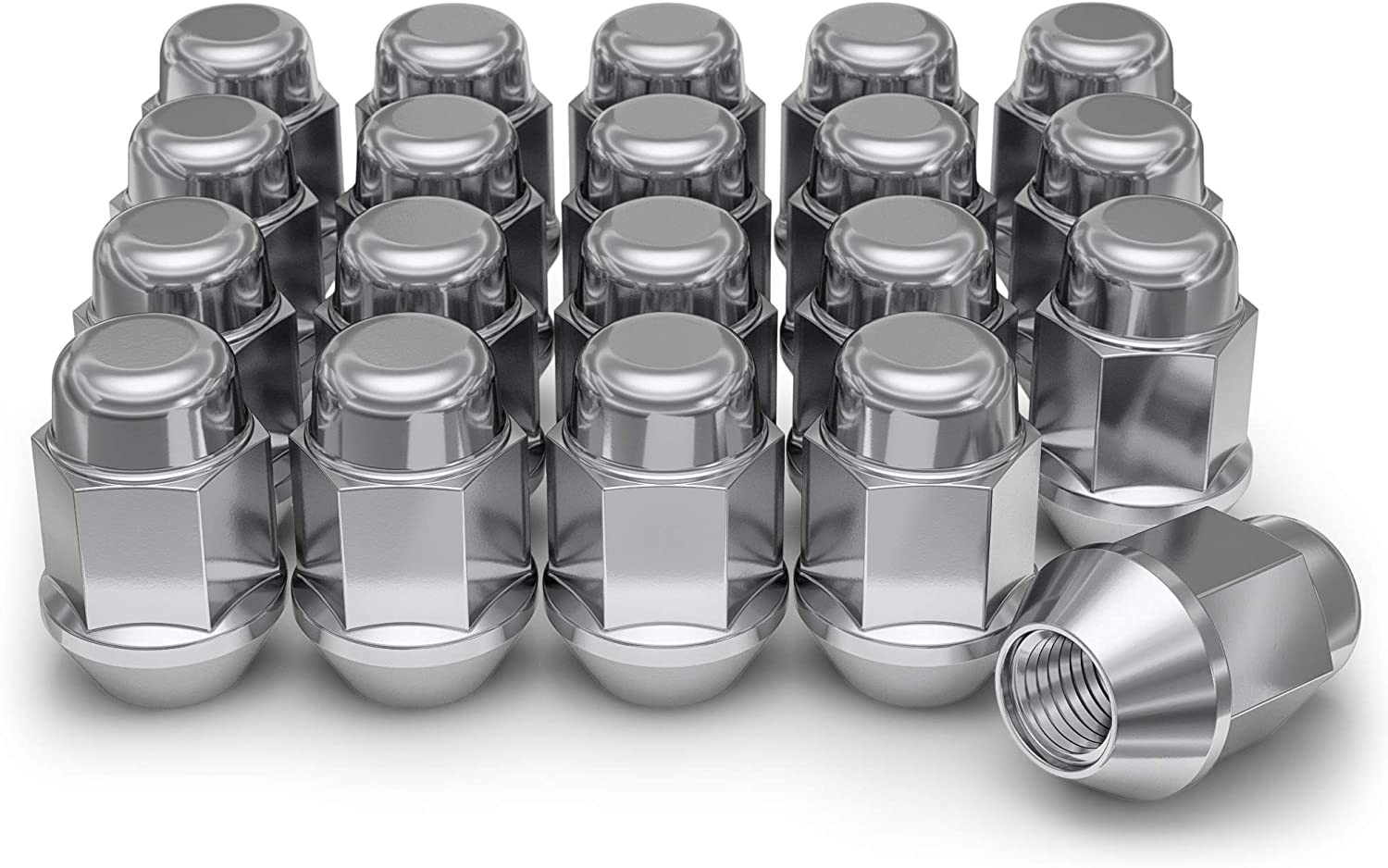
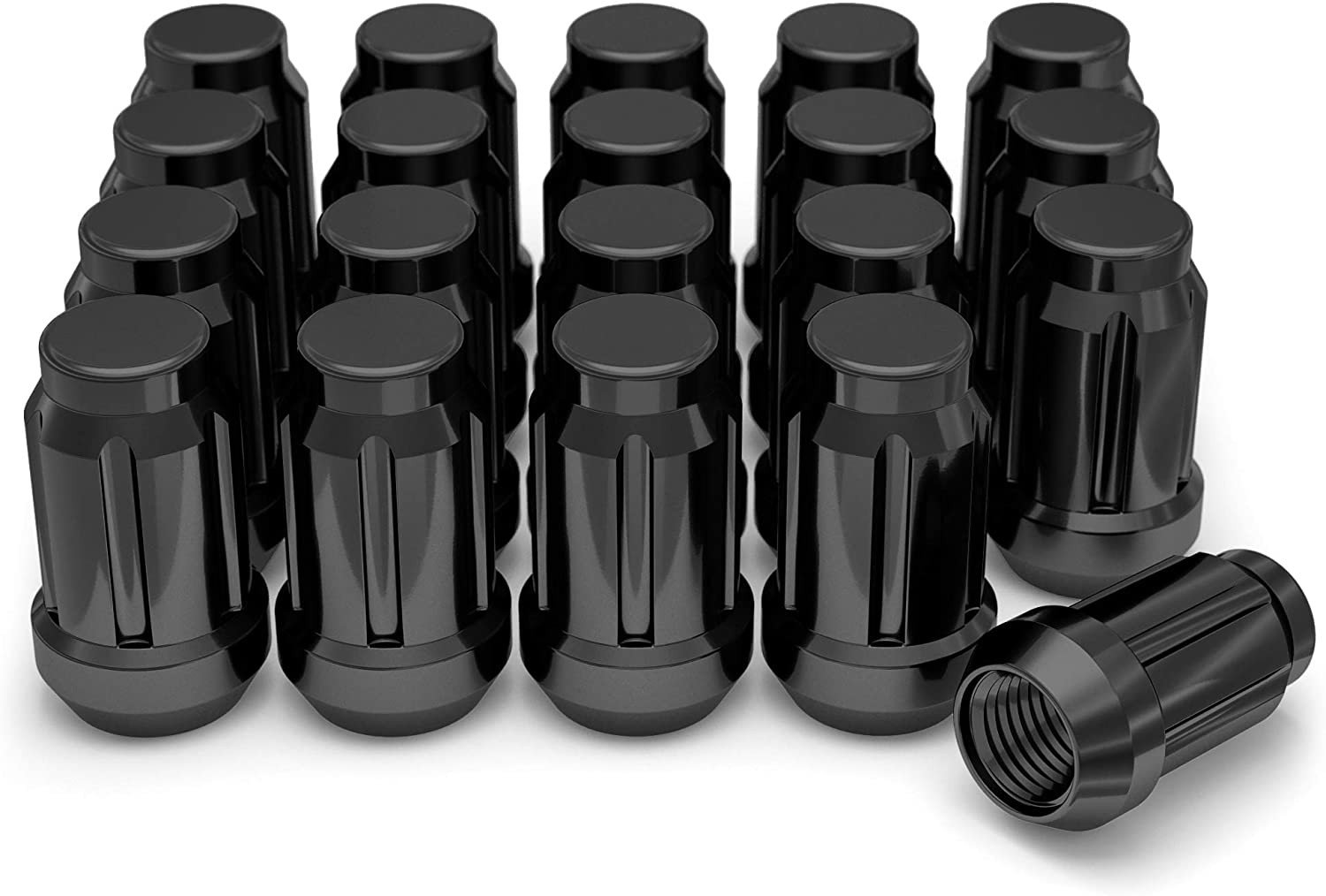
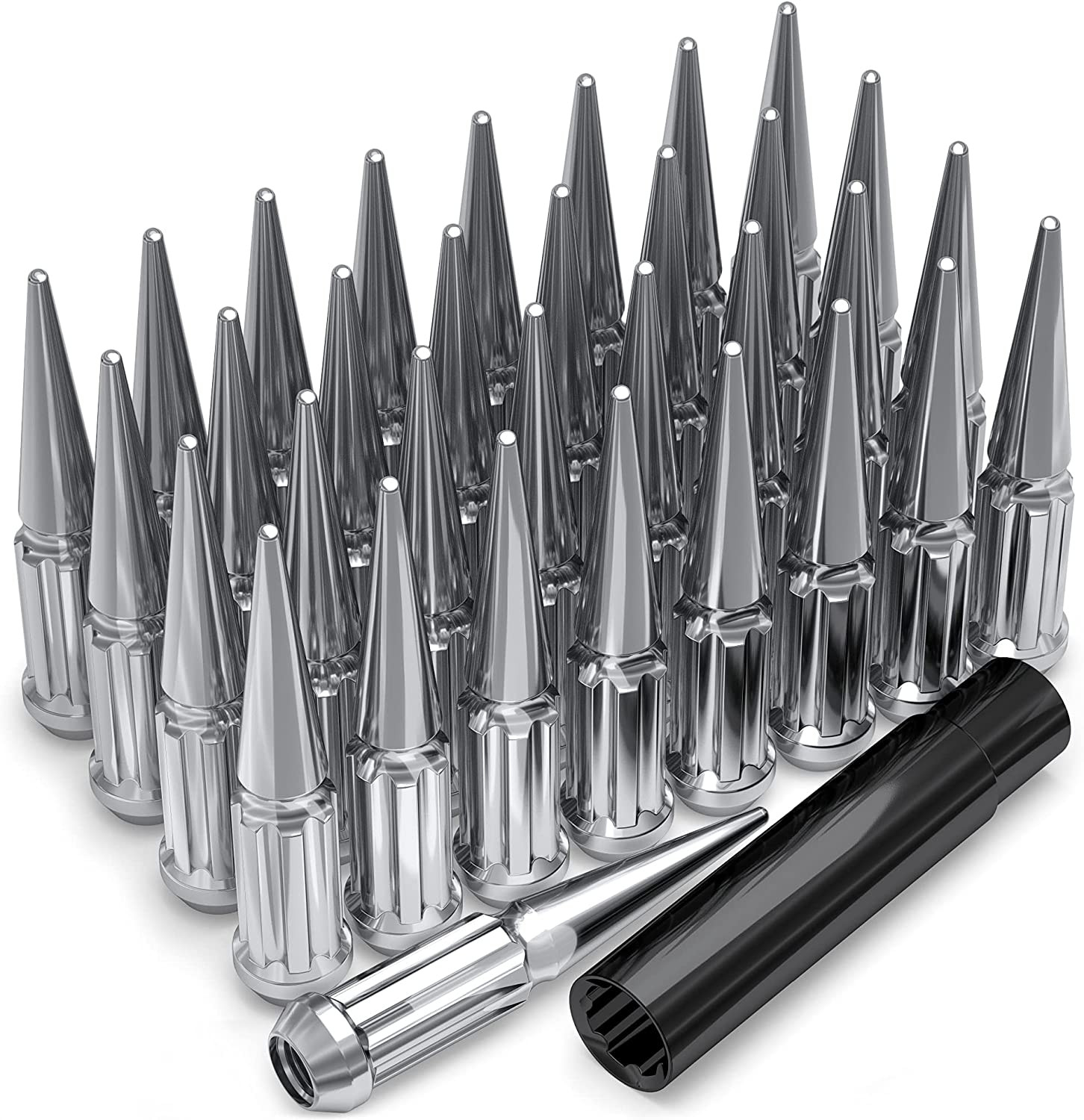
- Confirm the wheel accepts M12 x 1.5 hardware and that the lug-seat type matches the wheel. Thread size alone does not confirm lug-nut compatibility.
- Compare wheel diameter, width, and offset with the calculator and the original wheel.
- Check inner clearance to the brake caliper, suspension, steering components, and wheel-well liners.
- Check outer clearance to the fender and confirm that the tire does not rub at full steering lock or full suspension compression.
- Verify the tire's load index and speed rating meet or exceed the vehicle manufacturer's requirements.
- Resolve the supplied 18-inch versus R17 data conflict before selecting a tire.
- Confirm the replacement wheel's load rating and inspect it for cracks, bends, or corrosion.
- After installation, check tire pressure using the vehicle manufacturer's recommended cold pressure.
Plus Sizing And Common Upgrades
Plus sizing changes the wheel diameter while maintaining a similar overall tire diameter by using a lower-profile tire. It can change steering feel, ride comfort, impact protection, tire cost, and clearance. It may also affect the accuracy of vehicle systems if the rolling diameter changes substantially.
No specific plus-size package is confirmed here. Do not treat a larger diameter or wider wheel as compatible without checking the custom wheel and tire fields in the calculator, confirming the tire diameter, and inspecting physical clearance. A wider tire can contact the suspension on the inside or the fender on the outside even when the bolt pattern is correct.
Common wheel upgrades may include a different finish, a lighter wheel, or a custom offset. These changes are not automatically safe. Preserve adequate hub fit, brake clearance, tire load capacity, and fender clearance, and confirm that the wheel manufacturer approves the application.
Installation Tips
- Clean the hub face and wheel mounting surface before installation. Remove rust and debris without damaging the surfaces.
- Install only compatible lug hardware with the correct seat design for the wheel.
- Start every lug nut by hand to prevent cross-threading.
- Lower the vehicle enough to prevent the wheel from rotating, then tighten the lug nuts in a star or crisscross pattern.
- Use the vehicle or wheel manufacturer's specified torque. Do not guess a torque value from a generic chart.
- Check for clearance by turning the steering from lock to lock and inspecting the wheel and tire relationship.
- Recheck lug torque after the first short drive and again according to the wheel manufacturer's instructions.
- Inspect for rubbing, vibration, loss of air pressure, or unusual steering behavior. Stop driving if any safety-related problem appears.
Tools And Helpful Supplies
Useful equipment includes a calibrated torque wrench, an appropriate socket, a tire pressure gauge, a tread-depth gauge, a jack and properly rated jack stands, and a wheel chock. Use the vehicle's approved lifting points and never work under a vehicle supported only by a jack.
For suitable wheel-service equipment, see automotive torque wrenches and digital tire pressure gauges. Confirm tool specifications and use the instructions supplied by the manufacturer.
FAQs
What is the bolt pattern for the 2014 Hyundai Genesis?
The provided OEM fitment is 5x114.3. Confirm the application for your specific trim or market before ordering.
What is the center bore?
The supplied center bore is 66.7 mm. The replacement wheel must fit over the vehicle hub. If the wheel bore is larger, correctly specified hub-centric rings may be considered when approved for the application; a smaller bore will not fit without proper machining by a qualified specialist.
What lug thread size is listed?
The supplied thread size is M12 x 1.5. The lug nut's seat style and overall dimensions must also match the replacement wheel, so do not select hardware by thread size alone.
Can I install any 5x114.3 wheel?
No. Bolt pattern is only one part of fitment. Center bore, wheel diameter, width, offset, backspacing, brake clearance, lug-seat design, wheel load rating, and tire size must all be checked.
Why does the supplied information show both 18 inches and R17?
Those values represent different rim diameters and cannot be used together as one tire-and-wheel specification. Verify the actual wheel diameter and tire size from the vehicle, tire sidewall, wheel markings, or OEM documentation before purchase.
Can I use the calculator to confirm fitment?
The calculator can compare donor and installed wheel dimensions and lets you test custom wheel and tire sizes. It cannot verify every physical clearance condition, wheel load rating, lug-seat requirement, or trim-specific OEM restriction. Complete the calculator comparison and then confirm the result with physical inspection and reliable OEM or wheel-manufacturer information.
What should I do if a replacement wheel rubs?
Do not continue driving until the cause is identified. Check inner and outer clearance, tire dimensions, offset, suspension condition, steering position, and wheel-well components. A qualified technician should inspect the vehicle before spacers, different tires, or other changes are considered.