OEM wheel and tire fitment specs for the 2014 BMW X3, including bolt pattern (PCD), center bore diameter, thread size, rim diameter, rim width, wheel offset, and backspacing.
2014 BMW X3 Fitment Specs
Baseline mounting dimensions used for interchange decisions.
Multiple OEM configurations exist for this vehicle. Fitment can vary by trim, brakes, and factory wheel package – confirm your exact setup before buying.
Wheels That Interchange With a 2014 BMW X3
Results are evaluated from bolt pattern, center bore direction, OEM width/offset envelope, and lug hardware – not bolt pattern alone.
Use lug nuts compatible with your vehicle's studs. Geometry within known OEM envelope (approx. outer change -9.85 mm, inner change -2.85 mm vs mid OEM).
A normal wheel spacer does not change bolt pattern. Hub rings cannot enlarge a wheel bore that is smaller than the hub. Brake clearance and tire package fitment still require vehicle-specific checks when not confirmed in the dataset.
2014 BMW X3 Wheel Interchange, Specs, and Fitment Guide | wheelinterchange.com
Known OEM Fitment For 2014 BMW X3
OEM fitment can vary by trim, package, and market. The values below are confirmed examples for the 2014 BMW X3. If your vehicle differs, verify your exact specs using the on-page calculator, your door-jamb placard, the owner’s manual, or BMW documentation.
Bolt pattern
5x120
Center bore
72.6 mm
Thread size
M14 x 1.25
OEM wheel example
18 x 8.0 in, ET 43, backspacing 5.69 in
OEM tire example
225/60R17
Notes:
Different trims may have different OEM wheel and tire options. Do not assume one size fits all.
If your wheel center bore is larger than 72.6 mm, use hub-centric rings to adapt to 72.6 mm. A wheel with a smaller bore than 72.6 mm will not seat on the hub.
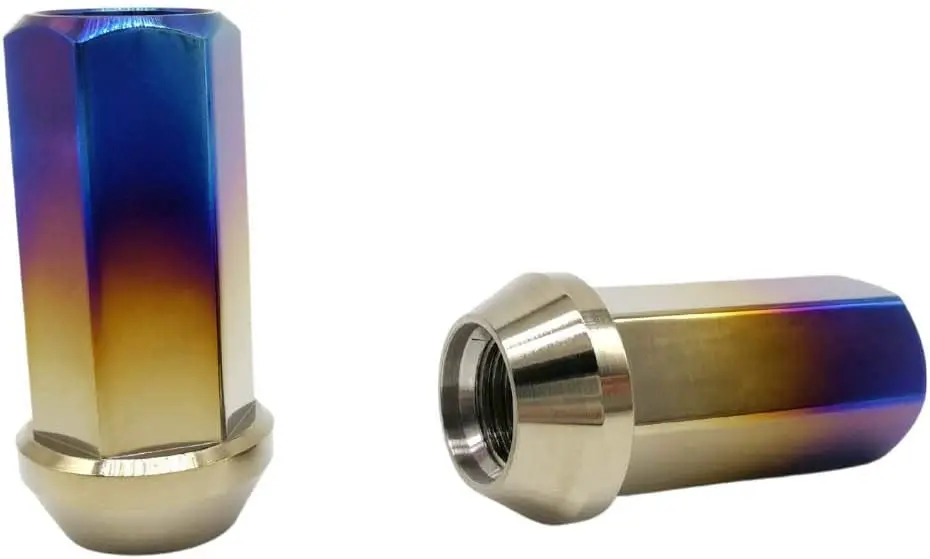
BMW uses wheel bolts, not nuts. Always match seat type and length to the wheel design and follow BMW torque specifications from OEM sources.
How To Use The Wheel Interchange Calculator
The calculator compares Wheels from a donor vehicle to what is Installed on your vehicle and lets you try a Custom wheel size and Custom tire size. It automatically updates the tire diameter in the comparison when you change rim diameter.
Select Installed on and choose 2014 BMW X3 so the hub size, bolt pattern, and baseline are correct.
Enter your current OEM setup. If you have the 225/60R17 OEM tire, its overall diameter is about 27.6 in. If your label shows a different OEM size, enter that instead.
Pick a donor wheel or enter a Custom wheel size. Set rim diameter, width, and offset. The tool shows inner clearance and outer poke changes from your baseline.
Enter a Custom tire size to keep the overall diameter as close as possible to OEM. Aim for within about 3 percent to minimize speedometer error and gearing impact.
Review brake and suspension clearances. The calculator’s inner clearance and poke help you spot risks like strut, liner, or fender contact. Physically test-fit when possible.
Use the center bore and bolt pattern checks. Wheels must be 5x120 and must seat on a 72.6 mm hub or use proper rings.
Fitment Checklist Before You Buy
Bolt pattern: Must be 5x120.
Center bore: Vehicle hub is 72.6 mm. Wheels with larger bore need rings to 72.6 mm. Smaller bore will not fit.
Offset and width: Compare with the calculator to confirm inner clearance to strut and outer poke to fender. Consider brake caliper shape, not just diameter.
Tire diameter: Keep total diameter close to your OEM reference. If your OEM tire is 225/60R17, target about 27.6 in overall diameter. Confirm your own OEM size on the door placard or manual.
Load and speed ratings: Tires must meet or exceed OEM load index and speed rating.
Wheel fasteners: Thread is M14 x 1.25. Seat type and bolt length must match the wheel. Do not reuse bolts if length or seat differs.
TPMS: 2014 applications can vary by market. Check your VIN-specific requirement and ensure sensor compatibility or re-learn procedure as needed.
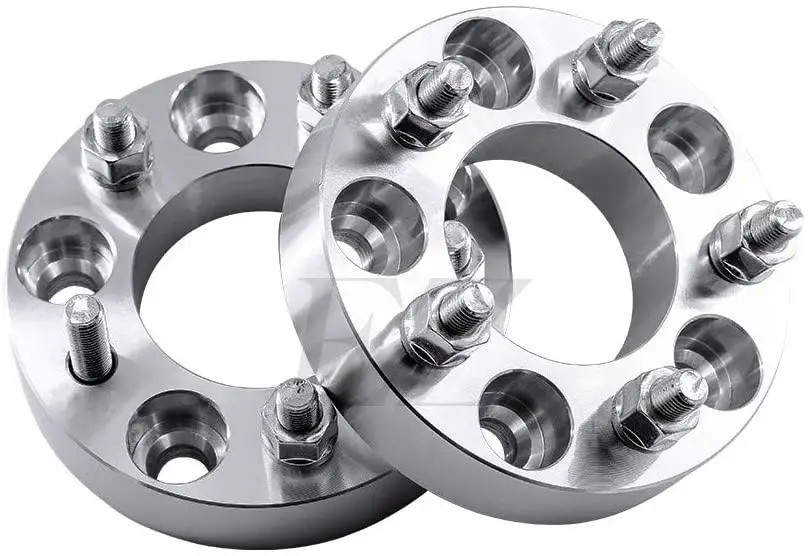
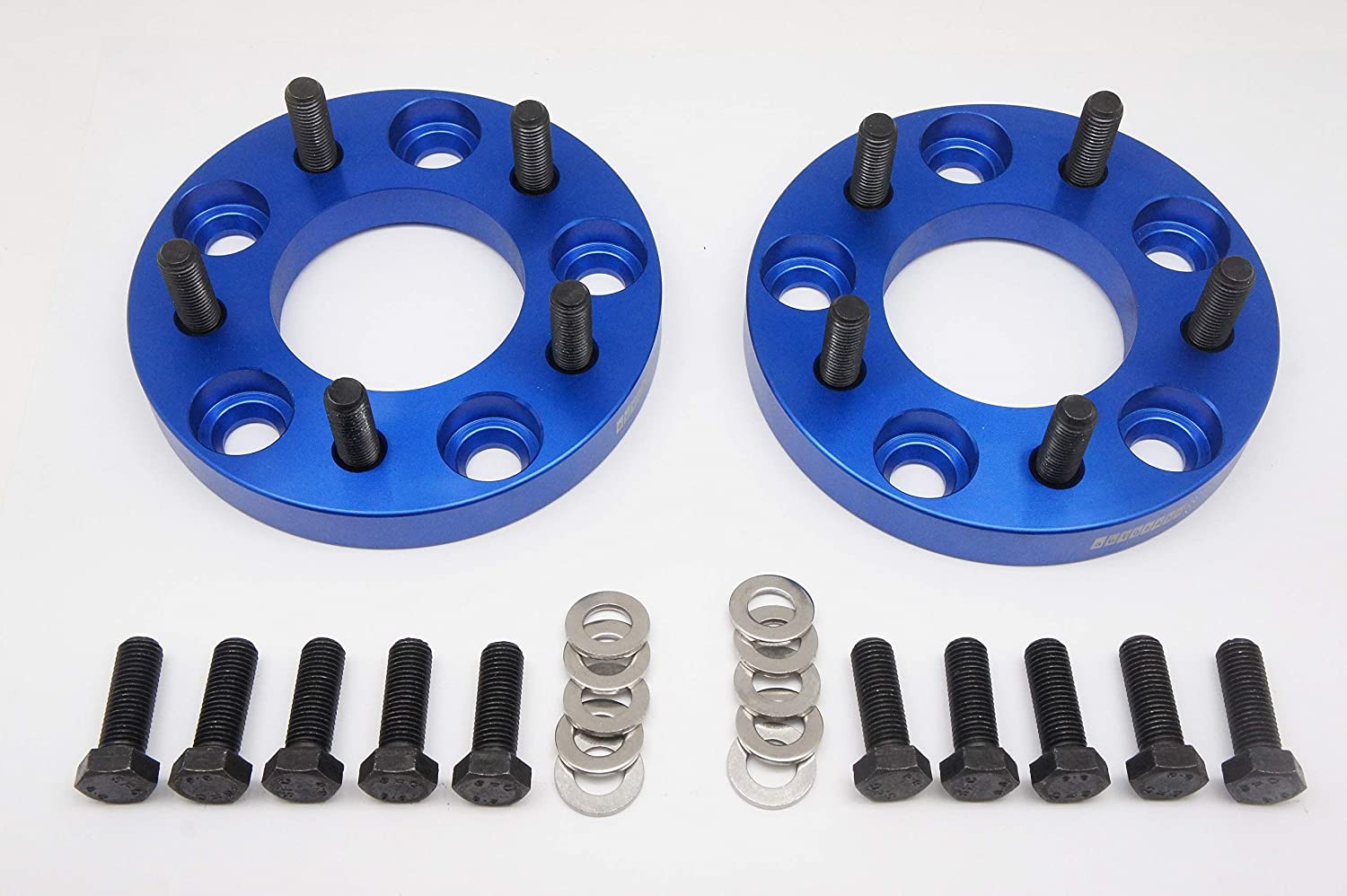
Spacers: If used, choose hub-centric spacers with appropriate extended wheel bolts. Re-check hub engagement.
Plus Sizing And Common Upgrades
For a clean upgrade, use the calculator to keep overall tire diameter within about 3 percent of your OEM reference and to maintain safe inner and outer clearances. Example workflow using the known OEM tire 225/60R17:
Baseline diameter: about 27.6 in. Set this in the calculator as your current tire.
Plus-1 or Plus-2: Increase rim diameter while selecting a lower-profile tire so the total diameter stays close to 27.6 in.
Offset tuning: If you widen the wheel, adjust offset so the inner clearance remains safe and the outer edge does not poke beyond the fender. The calculator shows these changes instantly.
If your vehicle did not come with the 225/60R17 tire, confirm your exact OEM size on the door placard or manual and use that as your baseline in the calculator.
Installation Tips
Preparation: Park on level ground, set the parking brake, and chock wheels. Loosen bolts slightly before lifting.
Lifting: Use the BMW jack points. Support the vehicle with quality jack stands.
Hub clean-up: Wire-brush the hub face and the wheel mounting pad. A very light film of high-temp anti-seize on the hub face can help prevent corrosion bonding. Do not lubricate bolt threads unless BMW specifies it.
Mounting: Hand-start all M14 x 1.25 bolts to avoid cross-threading. A wheel hanger/guide pin helps align heavy wheels.
Tightening: Snug in a star pattern, lower the vehicle, then torque to the BMW spec from your owner’s manual or service manual. Re-torque after 50 to 100 miles.
TPMS: Install correct sensors if required and perform relearn via the iDrive or service tool as applicable for your market.
Test drive: Listen for rubbing over bumps and at full steering lock. If rubbing occurs, revisit tire size, offset, or spacer use.
What bolt pattern does the 2014 BMW X3 use? 5x120. Any donor wheel must share this pattern.
What center bore do I need? The vehicle hub is 72.6 mm. Wheels with a larger bore can be adapted with hub-centric rings to 72.6 mm. Wheels with a smaller bore will not fit.
What wheel bolts does it use? M14 x 1.25 threads. The bolt seat type and length must match the wheel design. Verify with the wheel manufacturer and BMW documentation.
What is the OEM wheel and tire size? OEM options vary by trim. Confirm your exact size on your door-jamb placard or owner’s manual. Known examples include an 18 x 8.0 in wheel with ET 43 and a 225/60R17 tire size. Use the calculator to compare your actual setup.
How close should my new tire diameter be to OEM? Use the calculator to target within about 3 percent of your OEM diameter to keep the speedometer and ABS behavior reasonable. If your OEM is 225/60R17, the diameter is about 27.6 in. Confirm your OEM size before planning.
Will wheels from another BMW fit my 2014 X3? Only if bolt pattern is 5x120, center bore seats on 72.6 mm or uses rings, and offset, width, and brake clearance are verified with the calculator. Do not assume cross-model compatibility.
Do I need new TPMS sensors? 2014 systems vary by market. Check your VIN-specific requirements in the owner’s manual or a BMW parts catalog and match frequency and protocol if sensors are required.
What torque should I use on the wheel bolts? Consult your owner’s manual or BMW service information for the exact torque specification for your vehicle. Re-torque after 50 to 100 miles.
Can I use spacers? Yes if necessary, but use hub-centric spacers and the correct extended M14 x 1.25 bolts. Confirm hub engagement and clearances with the calculator and a physical test-fit.
How do I check brake caliper clearance? Use the calculator to estimate inner clearance, then physically test-fit. Some wheel designs with the same diameter and offset clear differently due to spoke shape.