OEM wheel and tire fitment specs for the 2015 BMW X4, including bolt pattern (PCD), center bore diameter, thread size, rim diameter, rim width, wheel offset, and backspacing.
2015 BMW X4 Fitment Specs
Baseline mounting dimensions used for interchange decisions.
Multiple OEM configurations exist for this vehicle. Fitment can vary by trim, brakes, and factory wheel package – confirm your exact setup before buying.
Wheels That Interchange With a 2015 BMW X4
Results are evaluated from bolt pattern, center bore direction, OEM width/offset envelope, and lug hardware – not bolt pattern alone.
Use lug nuts compatible with your vehicle's studs. Geometry within known OEM envelope (approx. outer change -9.85 mm, inner change -2.85 mm vs mid OEM).
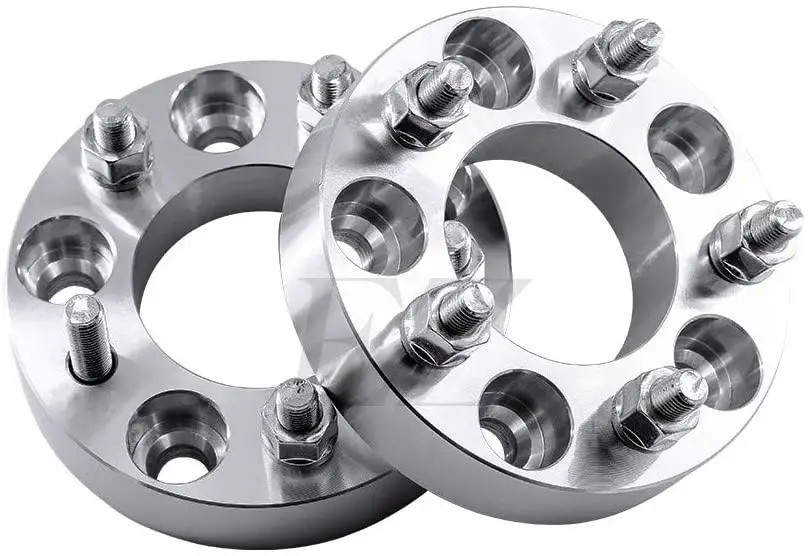
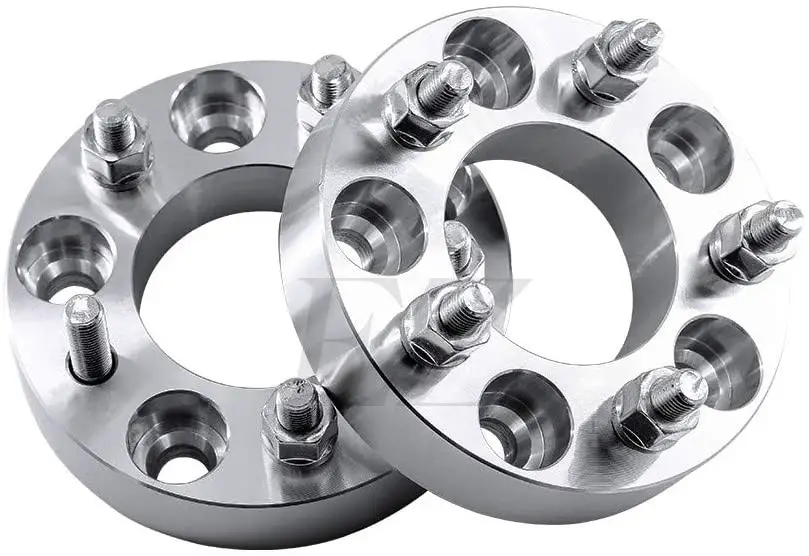
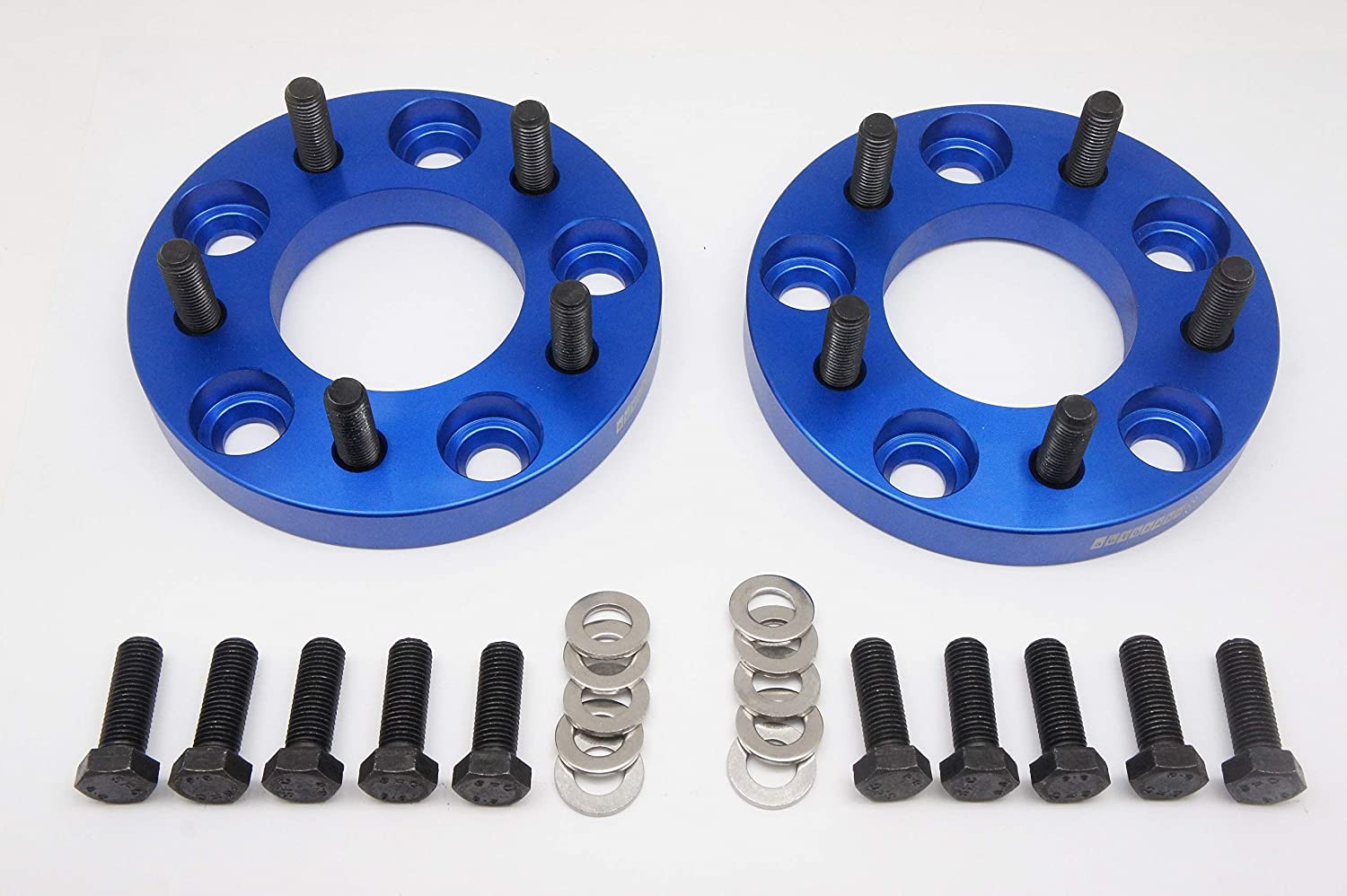
A normal wheel spacer does not change bolt pattern. Hub rings cannot enlarge a wheel bore that is smaller than the hub. Brake clearance and tire package fitment still require vehicle-specific checks when not confirmed in the dataset.
2015 BMW X4 Wheel Fitment Guide
Known OEM Fitment For 2015 BMW X4
The values below reflect a confirmed OEM configuration for the 2015 BMW X4. BMW offered multiple trims and wheel packages, so some specifications can vary by VIN, market, and package. Use the on-page calculator and verify against your door jamb tire label, owner’s manual, or an official BMW parts catalog before you buy.
Bolt pattern
5x120
Center bore
72.6 mm
Thread size
M14 x 1.25
OEM rim diameter
18 in
OEM rim width
8.0 in
OEM wheel offset
ET 43 mm
OEM backspacing
5.69 in
OEM tire size
245/50R18
Notes:
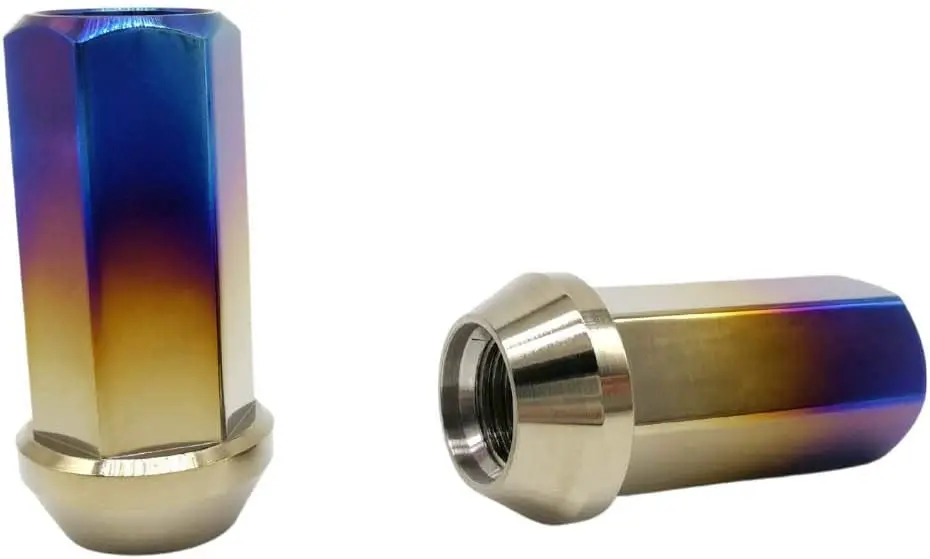
BMW uses lug bolts, not lug nuts. The seat type on the bolts must match the wheel seat profile.
If your X4 trim came with a staggered setup or different wheel option, sizes may differ. Confirm by VIN or the driver door jamb sticker.
How To Use The Wheel Interchange Calculator
The calculator on wheelinterchange.com lets you compare a donor wheel and tire to your 2015 BMW X4. It also supports custom rim and tire entries so you can visualize fitment and clearance changes before buying.
Step 1: In Wheels from, enter the donor vehicle or manually input a Custom wheel size and Custom tire size if you know them.
Step 2: In Installed on, select 2015 BMW X4 or input the OEM values above. You can edit rim diameter, width, and offset, plus tire section width and aspect ratio.
Step 3: Review inner clearance to suspension and outer poke toward the fender. The tool shows how offset and width change inner and outer positions.
Step 4: Check overall tire diameter difference. Changing rim diameter updates tire diameter in the comparison. Aim to keep total diameter close to stock to protect speedometer accuracy and driver-assistance behavior.
Step 5: Use the results to plan hub-centric rings if your aftermarket wheel bore is larger than 72.6 mm, and to assess brake caliper clearance.
Always confirm final selections against OEM documentation and perform a physical test-fit before mounting tires.
Fitment Checklist Before You Buy
Bolt pattern: Must be 5x120 for a direct fit. Adapters change offset and add complexity. Not recommended unless professionally engineered and approved.
Center bore: Vehicle hub is 72.6 mm. Wheels with a larger bore require hub-centric rings to prevent vibration. Wheels with a smaller bore will not fit.
Offset and width: Small changes can affect fender clearance and suspension clearance. Use the calculator to visualize inner clearance and outer poke relative to ET 43 and 8.0 in width.
Brake clearance: Spoke design and barrel shape matter. Confirm caliper clearance with a template or test-fit.
Overall tire diameter: Common practice is to stay within roughly 3 percent of OEM diameter to help keep ABS, traction control, and speedometer behavior consistent. Verify with the calculator.
Load rating: Wheel and tire load ratings must meet or exceed the BMW X4’s axle and GVWR requirements.
TPMS: Sensor type and frequency can vary by market. Confirm by VIN or with a TPMS supplier before ordering.
Seat type and fastener length: BMW uses lug bolts. Ensure the bolt seat matches the wheel seat profile and that shank length is correct for the wheel thickness and any spacers.
Plus Sizing And Common Upgrades
Many owners move from the OEM 18 inch package to a larger rim with a lower-profile tire for handling and appearance. Because BMW offered multiple packages in 2015, the exact sizes that fit can vary. Use the on-page calculator with your OEM baseline to model:
1 inch upsize: Enter a 19 inch rim and adjust tire aspect ratio so overall diameter remains close to stock. Check inner clearance and fender poke.
2 inch upsize: Enter a 20 inch rim, then select a lower profile tire to maintain diameter. Larger upsizes increase the risk of rubbing and impact harshness.
Square vs staggered: Some trims may use staggered widths. If you are unsure, check your door jamb label or OEM documentation before selecting widths and tire sizes.
Spacers: Only if necessary for inner clearance or caliper spoke clearance. Spacers alter effective offset and may require longer lug bolts. Use hub-centric spacers that match 72.6 mm.
Always verify with a physical test-fit. Consider alignment adjustments if you significantly change width or offset.
Installation Tips
Preparation: Park on level ground, chock wheels, and use a quality jack and stands rated for the vehicle.
Hub face: Clean rust and debris from the hub and wheel mounting faces. A very light, thin film of anti-seize on the hub centering lip can help prevent sticking. Do not lubricate lug bolt threads unless specified by BMW.
Hub-centric rings: If your wheel bore is larger than 72.6 mm, install proper rings before mounting the wheel.
Mounting: Because BMW uses lug bolts, use a wheel hanger guide pin to support the wheel while threading bolts by hand.
Tightening: Snug bolts in a star pattern, lower the vehicle, then torque to the specification in your BMW owner’s manual or service information. Re-torque after 50 to 100 miles.
TPMS: Move or program sensors as required. Perform a relearn procedure if your market requires it.
Final checks: Turn lock-to-lock and drive over bumps at low speed to confirm no rubbing.
72.6 mm. If an aftermarket wheel has a larger bore, use hub-centric rings that step down to 72.6 mm. A smaller bore will not fit.
Can I use 5x112 wheels on my X4 with adapters
Adapters exist but add thickness and change effective offset, which can cause clearance issues. For safety and simplicity, use 5x120 wheels designed for the vehicle unless a professional confirms an adapter-based setup is safe for your application.
What lug hardware does the X4 use
M14 x 1.25 lug bolts. The bolt seat must match the wheel seat profile and the length must suit the wheel and any spacer used.
What tire sizes can I run if I go to a larger wheel
Use the calculator to target an overall diameter close to the OEM 245/50R18 package. A common guideline is to keep overall diameter within about 3 percent of stock. Verify clearance at full lock and compression.
Will I need new TPMS sensors
Possibly. Sensor type and frequency can vary by market and trim. Confirm by VIN or with a reputable TPMS supplier. If reusing OEM sensors, ensure the new wheels accept them.
What offset should I choose
The known OEM reference here is ET 43 mm with an 8.0 in rim. Use the calculator to see how different offsets change inner clearance and outer poke. Always confirm with a test-fit.
Important: If a specification is missing for your exact trim, do not guess. Confirm using the on-page calculator with your current wheel and tire, and verify against BMW service information, a VIN lookup, or the driver door jamb label before purchasing.