OEM wheel and tire fitment specs for the 2015 BMW X3, including bolt pattern (PCD), center bore diameter, thread size, rim diameter, rim width, wheel offset, and backspacing.
2015 BMW X3 Fitment Specs
Baseline mounting dimensions used for interchange decisions.
Multiple OEM configurations exist for this vehicle. Fitment can vary by trim, brakes, and factory wheel package – confirm your exact setup before buying.
Wheels That Interchange With a 2015 BMW X3
Results are evaluated from bolt pattern, center bore direction, OEM width/offset envelope, and lug hardware – not bolt pattern alone.
Use lug nuts compatible with your vehicle's studs. Geometry within known OEM envelope (approx. outer change -9.85 mm, inner change -2.85 mm vs mid OEM).
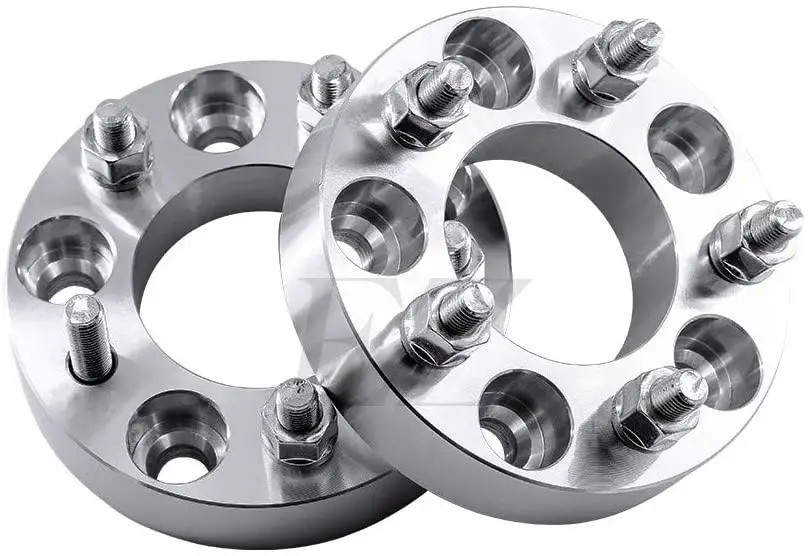
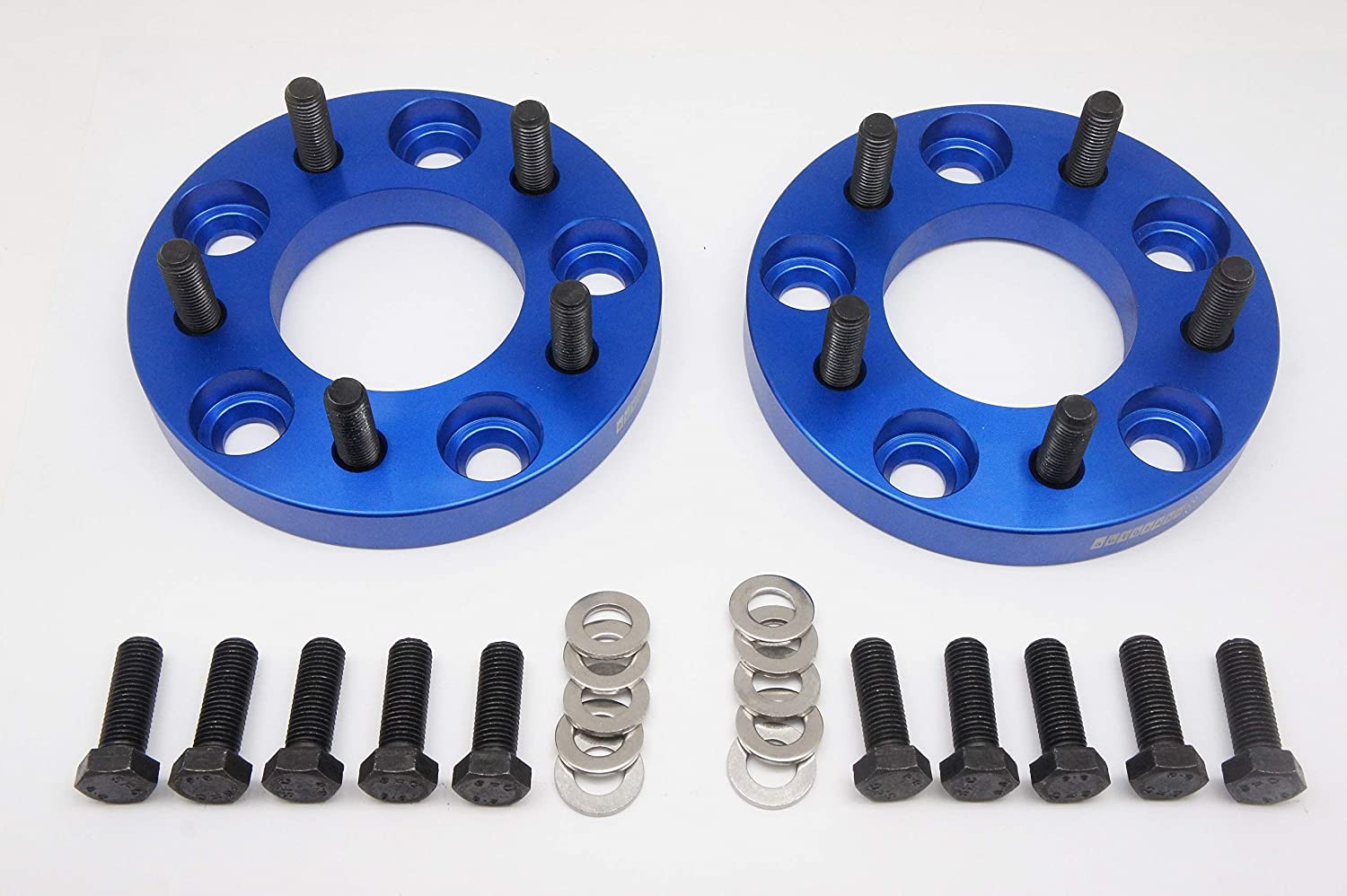
A normal wheel spacer does not change bolt pattern. Hub rings cannot enlarge a wheel bore that is smaller than the hub. Brake clearance and tire package fitment still require vehicle-specific checks when not confirmed in the dataset.
2015 BMW X3 Wheel Interchange, Specs, And Upgrade Guide | wheelinterchange.com
Known OEM Fitment For 2015 BMW X3
The values below reflect an OEM baseline specification that may vary by trim or option package. Do not assume other sizes are the same. If your X3’s door-jamb label or owner’s manual shows different wheel or tire sizes, rely on those. Use the on-page calculator to compare your exact setup before buying.
Bolt pattern
5x120
Center bore
72.6 mm
Thread size
M14 x 1.25
Rim diameter
18 in
Rim width
8.0 in
Wheel offset
ET 43 mm
Backspacing
5.69 in
Tire size
245/50R18
If any specification is unknown for your exact vehicle, confirm with the owner’s manual, the tire information label on the driver door jamb, and BMW service information. The calculator on this page lets you safely compare any alternative wheel and tire to this baseline or to your current setup.
How To Use The Wheel Interchange Calculator
Set Wheels from (donor vehicle) to the vehicle or wheel you want to install. Set Installed on (your vehicle) to 2015 BMW X3.
Use Custom wheel size to try different rim diameter, width, and offset. The tool will show inner and outer clearance changes compared to your baseline.
Use Custom tire size to adjust section width and aspect ratio. When you change rim diameter, the calculator updates overall tire diameter so you can see the effect on speedometer and gearing.
Watch inner clearance to suspension and brakes and outer poke relative to the fender. Keep changes conservative to avoid rubbing.
For xDrive models, keep overall rolling diameter the same on all four corners. The calculator helps verify diameter so you can avoid drivetrain stress.
When in doubt, compare against the sizes printed on your door-jamb label and owner’s manual, then validate with the calculator before purchasing.
Fitment Checklist Before You Buy
Bolt pattern must be 5x120. Adapters change geometry and may affect hub engagement. If adapters are used, verify net offset and fastener engagement carefully.
Center bore is 72.6 mm at the hub. If the wheel’s center bore is larger, use 72.6 mm hub-centric rings matched to the wheel’s bore. If it is smaller, the wheel will not seat.
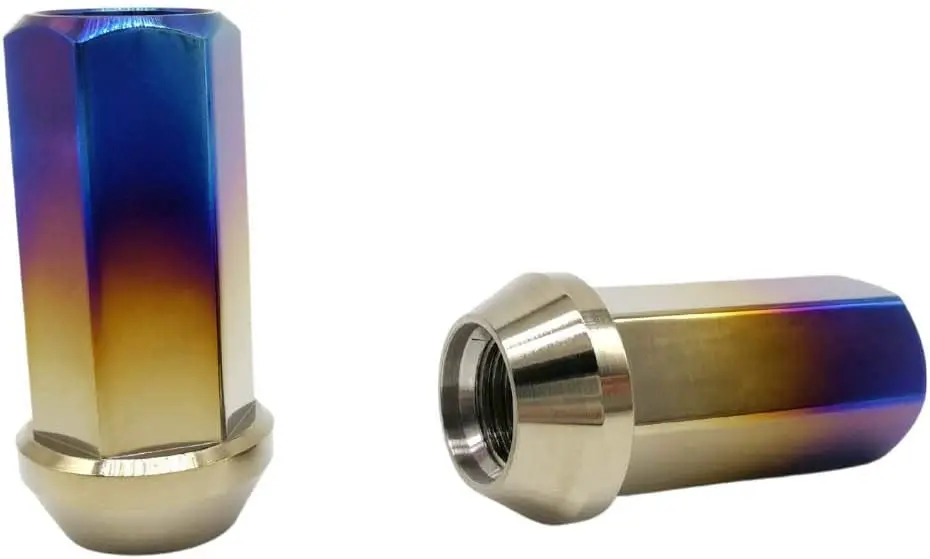
Threads are M14 x 1.25. Confirm whether your wheels require specific fastener seat type and length. Do not mix ball and cone seats.
Offset and width must clear brakes and suspension. Use the calculator to compare inner clearance and outer poke vs the baseline ET 43 on 18x8. Check for fender and liner clearance at full lock and full compression.
Tire load and speed rating must meet or exceed the OEM label on your door jamb.
Overall tire diameter should remain close to OEM for accurate speedometer and proper ABS and stability control function. Use the calculator’s diameter readout to compare.
TPMS compatibility. Reuse or program sensors that match your X3’s system. Frequency and protocol vary by region and model year. Verify with OEM sources or a trusted supplier.
For xDrive AWD, use four matching tire sizes and similar tread depth. Mixing sizes or heavily mismatched wear can stress the drivetrain.
Brake caliper clearance. Test fit to ensure spoke and barrel clearance. Many aftermarket designs differ even at the same nominal size.
Plus Sizing And Common Upgrades
Plus sizing changes rim diameter and alters tire sizing to keep overall diameter close to OEM. The calculator makes this easy to verify. Examples below are for planning only. Do not assume universal compatibility. Always compare against your trim’s OEM data and physically test fit.
Plus one concept: Move from an 18 in wheel to a 19 in wheel while choosing a tire with a lower aspect ratio so overall diameter stays similar. Example to try in the calculator: start at 245/50R18 on 18x8 ET 43, then try 245/45R19 on an appropriately sized 19 in wheel. Verify inner and outer clearances and load rating.
Plus two concept: 20 in wheels are a common visual upgrade on crossovers. Use the calculator to select a tire with a shorter sidewall so the overall diameter remains close to OEM. Check ride quality, rim protection, and pothole risk.
Wider tires: If you explore wider section widths, confirm inner suspension clearance and outer fender clearance at full steering lock and full bump. Offset changes may be required, which you must verify with the calculator and a test fit.
Winter downsizing: Many owners prefer a smaller wheel with a taller sidewall for winter use. Use the calculator to compare diameter and brake clearance. Ensure the smaller wheel clears your brake package.
Installation Tips
Dry fit first. Mount one front and one rear without tires to check spoke and barrel clearance to calipers and knuckles. Then test with tires and turn lock-to-lock.
Clean the hub face and the wheel mounting pad. Remove rust and debris to ensure proper seating and prevent vibration.
Use hub-centric rings when wheel center bore is larger than 72.6 mm. Seat the ring fully and verify it is not cracked or loose.
Fasteners. Confirm seat type and required length for your wheels. If your X3 uses lug bolts, a wheel hanger pin helps guide the wheel on safely.
Torque to the specification in your owner’s manual using a calibrated torque wrench. Re-torque after 50 to 100 miles of driving.
TPMS. Install compatible sensors and perform relearn or programming as required for your region and model year.
Can I install wheels with a 5x112 or 5x114.3 bolt pattern on my 2015 BMW X3?
Not directly. Your OEM bolt pattern is 5x120. Adapters exist but change effective offset and hub engagement. If you consider adapters, use the calculator to verify the net offset and confirm fastener engagement and brake clearance. A direct 5x120 wheel is the safest choice.
What offset range will work?
Offset requirements depend on wheel width, brake package, and tire size. Your baseline is ET 43 on an 18x8. Use the calculator to see inner clearance and outer poke changes as you adjust width and offset, then test fit. Do not assume a single offset fits all trims.
Do I need hub-centric rings?
If your new wheels have a center bore larger than 72.6 mm, install rings sized 72.6 mm to the wheel’s bore so the wheel centers on the hub. If the wheel bore is smaller than 72.6 mm, the wheel will not fit.
What is the correct lug torque?
Torque varies by model, wheel type, and fastener. Do not guess. Use the torque specification in your owner’s manual or BMW service information and tighten with a calibrated torque wrench in a star pattern.
Will 20 inch wheels fit my X3?
Some owners use 20 in setups, but fitment depends on width, offset, tire size, and brake clearance. Use the calculator to maintain a similar overall tire diameter, confirm clearances, and test fit before purchase. Check load rating and ride quality considerations.
Can I run different tire sizes front and rear on xDrive?
BMW advises keeping matching overall diameters on all four corners for xDrive. Mismatched diameters or significantly different tread depths can stress the AWD system. Keep sizes and wear closely matched and follow BMW guidance.
Do I need new TPMS sensors?
If you are adding a second wheel set, you will typically need compatible TPMS sensors. Frequency and part numbers vary by region and production date. Verify with OEM parts catalogs or a sensor supplier and program or relearn as required.
How do I check brake clearance without mounting tires?
Test fit the bare wheel to the hub, spin it by hand, and inspect spoke and barrel clearance to the caliper. Even with the same size, spoke design can make a difference. After tire mounting, repeat checks at full steering lock and over bumps.