OEM wheel and tire fitment specs for the 2016 BMW X4, including bolt pattern (PCD), center bore diameter, thread size, rim diameter, rim width, wheel offset, and backspacing.
2016 BMW X4 Fitment Specs
Baseline mounting dimensions used for interchange decisions.
Multiple OEM configurations exist for this vehicle. Fitment can vary by trim, brakes, and factory wheel package – confirm your exact setup before buying.
Wheels That Interchange With a 2016 BMW X4
Results are evaluated from bolt pattern, center bore direction, OEM width/offset envelope, and lug hardware – not bolt pattern alone.
Use lug nuts compatible with your vehicle's studs. Geometry within known OEM envelope (approx. outer change -9.85 mm, inner change -2.85 mm vs mid OEM).
A normal wheel spacer does not change bolt pattern. Hub rings cannot enlarge a wheel bore that is smaller than the hub. Brake clearance and tire package fitment still require vehicle-specific checks when not confirmed in the dataset.
2016 BMW X4 Wheel Fitment Guide
This page helps you choose safe wheel and tire sizes for the 2016 BMW X4 using verified specs where available. Do not assume unlisted specs apply to your trim. If your configuration is not listed, confirm it with the tire placard on your driver-side door jamb, the owner’s manual, or your BMW dealer, then model changes with the on-page calculator.
Known OEM fitment for 2016 BMW X4
OEM equipment can vary by trim and package. The following values are known and may represent different factory configurations.
Bolt pattern
5x120
Center bore
72.6 mm
Thread size
M14 x 1.25
OEM wheel example
18 x 8.0, ET 43, backspacing 5.69 in
OEM tire example
245/45R19
Note: The wheel example and tire example above may correspond to different factory packages. Verify your exact OEM setup on your vehicle’s tire placard before using it as a baseline in the calculator.
How to use the Wheel Interchange Calculator
Set Installed on to 2016 BMW X4 and enter your verified OEM wheel and tire as the baseline. If your door placard shows a different size than the examples above, use your placard values.
Pick a donor vehicle or enter a Custom wheel size by diameter, width, and offset. Adjust Custom tire size by section width and aspect ratio as needed.
When you change rim diameter, the calculator updates tire diameter in the comparison so you can see the total height difference. Aim to keep overall tire diameter within about 3 percent of your OEM to preserve speedometer accuracy and clearance.
Use the inner and outer clearance changes shown by the calculator to assess strut and fender clearance before you buy.
Fitment rules and safety checks
Bolt pattern must match 5x120. Do not re-drill wheels. Adapters change geometry and require careful engineering and hardware selection.
Center bore is 72.6 mm. Use hub-centric wheels with 72.6 mm bores or hub-centric rings when the wheel’s bore is larger. A smaller bore will not fit.
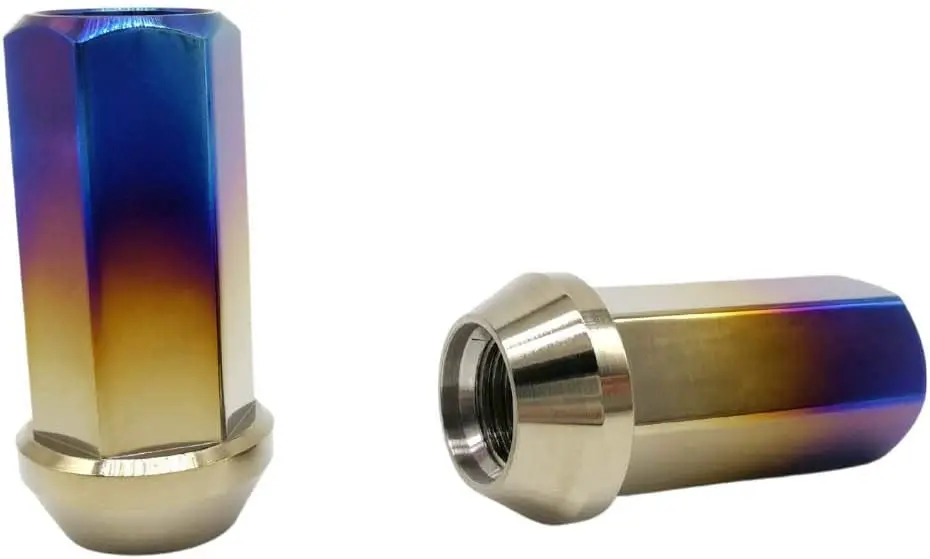
Hardware: BMW uses lug bolts, thread M14 x 1.25. Match bolt seat type to the wheel manufacturer. If spacers are used, select extended bolts of the correct length and seat. Start bolts by hand, torque to the BMW specification in a crisscross pattern, and re-torque after 50 to 100 miles.
Offset basics: Reducing offset pushes the wheel outward, increasing poke and reducing inner clearance by the same amount. Increasing offset pulls the wheel inward. Use the calculator to visualize inner clearance to the strut and outer clearance to the fender.
Width changes: Increasing wheel width adds half the change to inner and half to outer edges. Confirm both sides with the calculator and by measuring on the vehicle.
Brake clearance: Caliper shapes differ by trim and package. Always test fit the wheel to confirm barrel and spoke clearance before mounting tires.
Tires: Choose a load index and speed rating that meet or exceed OEM. After modeling in the calculator, check lock-to-lock steering and full suspension compression for rubbing.
TPMS: Retain or program compatible sensors per OEM requirements for your model year.
How to verify your OEM specs
Driver-side door jamb tire placard for factory tire size, pressures, and often wheel size.
Owner’s manual for wheel, bolt, and hardware guidance.
BMW dealer or parts catalog using your VIN to confirm exact factory wheel and tire package and any brake package differences.
Measure twice before you buy
With your current wheels installed, measure available space:
Inner clearance: Measure from the inside edge of the current wheel/tire to the strut or liner. The calculator will show how much inner clearance you will gain or lose with a new width and offset.
Outer clearance: Measure from the outermost tire edge to the fender lip. Compare this to the calculator’s projected poke change.
Spacer guidance
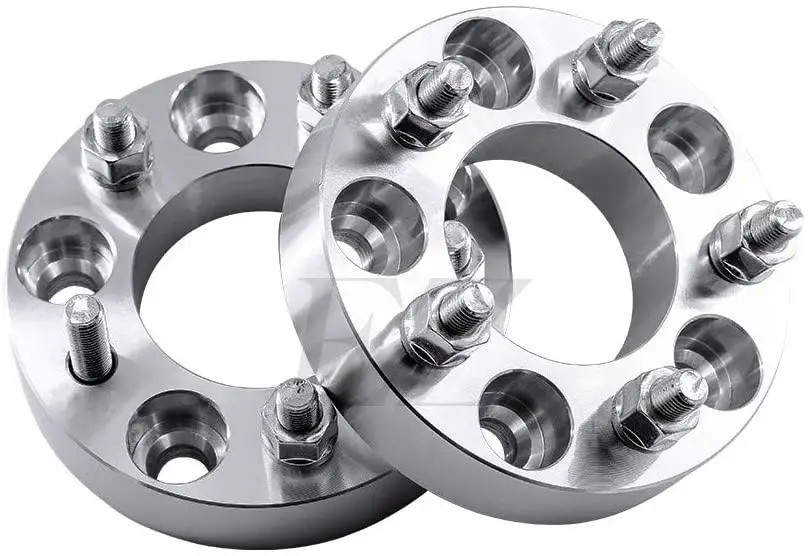
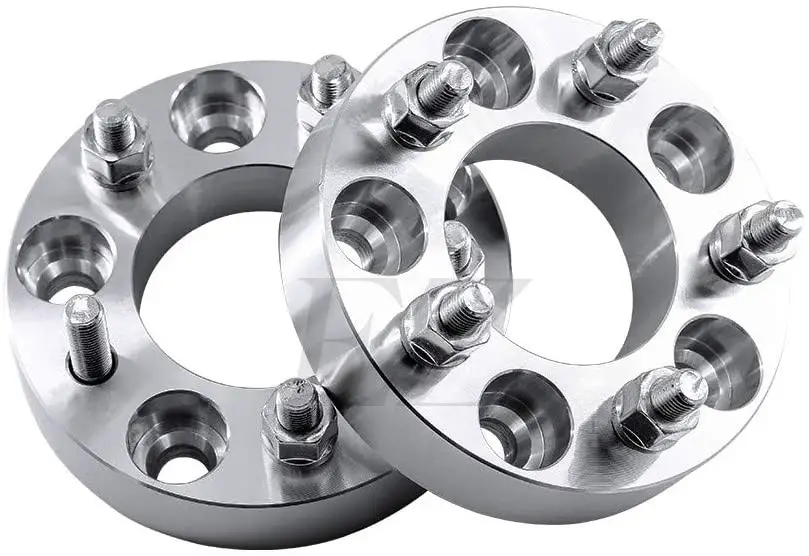
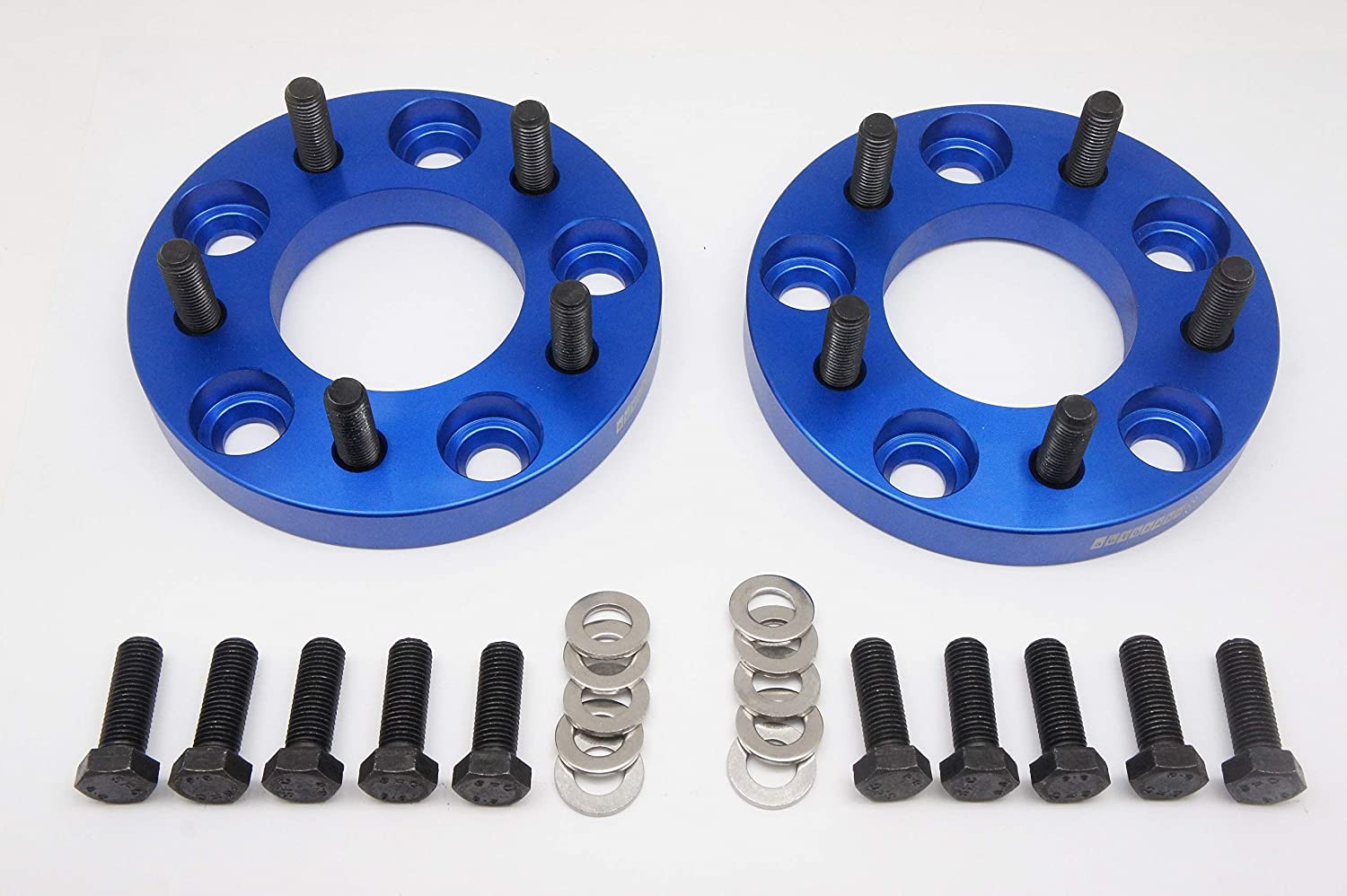
If a spacer is required to clear brakes or suspension, use hub-centric spacers with a 72.6 mm vehicle-side bore and the correct wheel-side lip. Match hardware length to spacer thickness and maintain proper thread engagement. Balance the wheel and spacer together if possible.