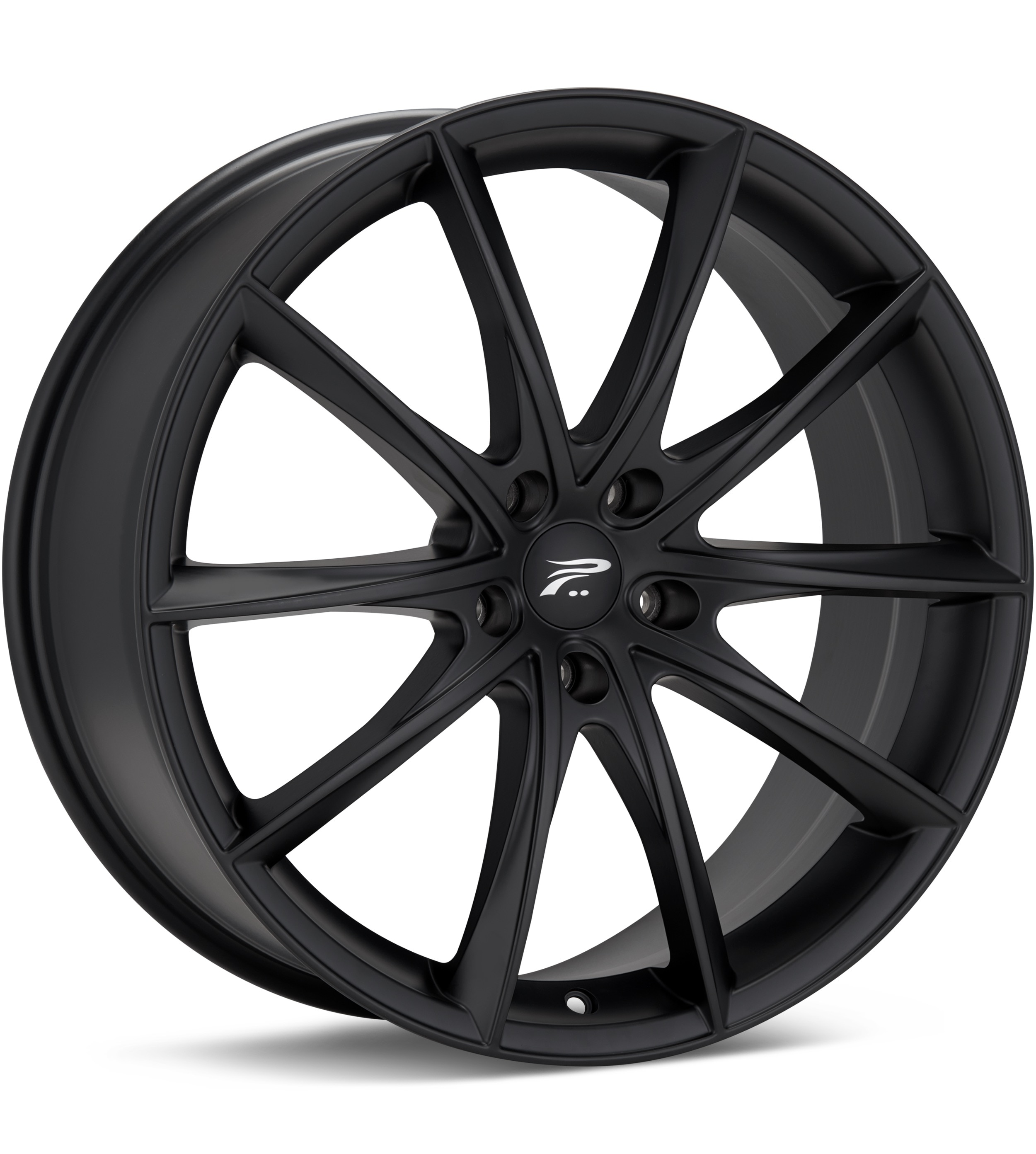
Platinum
Flux
Black
16 × 7″ · ET +40
$184.81
View at Tire Rack ↗Recorded OEM specifications for the 2007 Audi A3, donor years with overlapping ranges, and a calculator to compare a selected wheel. Range overlap is not a guaranteed fit.
Save these wheel specs to your Ownery garage
Baseline mounting dimensions used for interchange decisions.
Multiple OEM configurations exist for this vehicle. Fitment can vary by trim, brakes, and factory wheel package – confirm your exact setup before buying.
Thread-only product links are shopping examples, not verified fits. Seat style is not confirmed here. As an Amazon Associate we earn from qualifying purchases.
Selected size: 16 × 6.5″ · ET +50
Showing matching bolt patterns and offsets up to 20 mm lower. Confirm center bore, load rating, and clearance at Tire Rack.
Platinum
Black
16 × 7″ · ET +40
$184.81
View at Tire Rack ↗
Platinum
Machined w/Black Accent
16 × 7″ · ET +40
$197.12
View at Tire Rack ↗
Platinum
Gloss Black
16 × 7″ · ET +40
$175.81
View at Tire Rack ↗We may earn a commission when you buy through these links. Prices and availability may change.
These are vehicle-year records whose recorded OEM ranges overlap this 2007 Audi A3. Overlap is not a guarantee that a specific wheel will install. Selected-wheel comparison is in the calculator below.
Evaluated 134 donor years. Listed 24 eligible overlaps (not all evaluated years are compatible). Showing all listed.
Years grouped because recorded compatibility evidence is equivalent. Each year keeps its own page.
Approximate position vs the mid OEM package: outer change -1.17 mm, inner change -5.18 mm. This uses aggregated width/offset ranges, not a specific wheel.
Wheel width/offset data is incomplete.
Years grouped because recorded compatibility evidence is equivalent. Each year keeps its own page.
Approximate position vs the mid OEM package: outer change 7.18 mm, inner change -0.83 mm. This uses aggregated width/offset ranges, not a specific wheel.
Years grouped because recorded compatibility evidence is equivalent. Each year keeps its own page.
Approximate position vs the mid OEM package: outer change 7.18 mm, inner change -0.83 mm. This uses aggregated width/offset ranges, not a specific wheel.
Only years with evidence-based interchange relationships are listed. Adjacent years are not assumed compatible.
Compare a donor vehicle or custom wheel against this 2007 Audi A3. Use Compare in calculator on a donor row above to fill the donor side of this same calculator.
Compare wheel compatibility between two vehicles
2007 Audi A3





Example products matched to recorded thread, hub, or spacer dimensions. They are not verified fits. Confirm seat style, thickness, and clearance before ordering.
M14 x 1.5
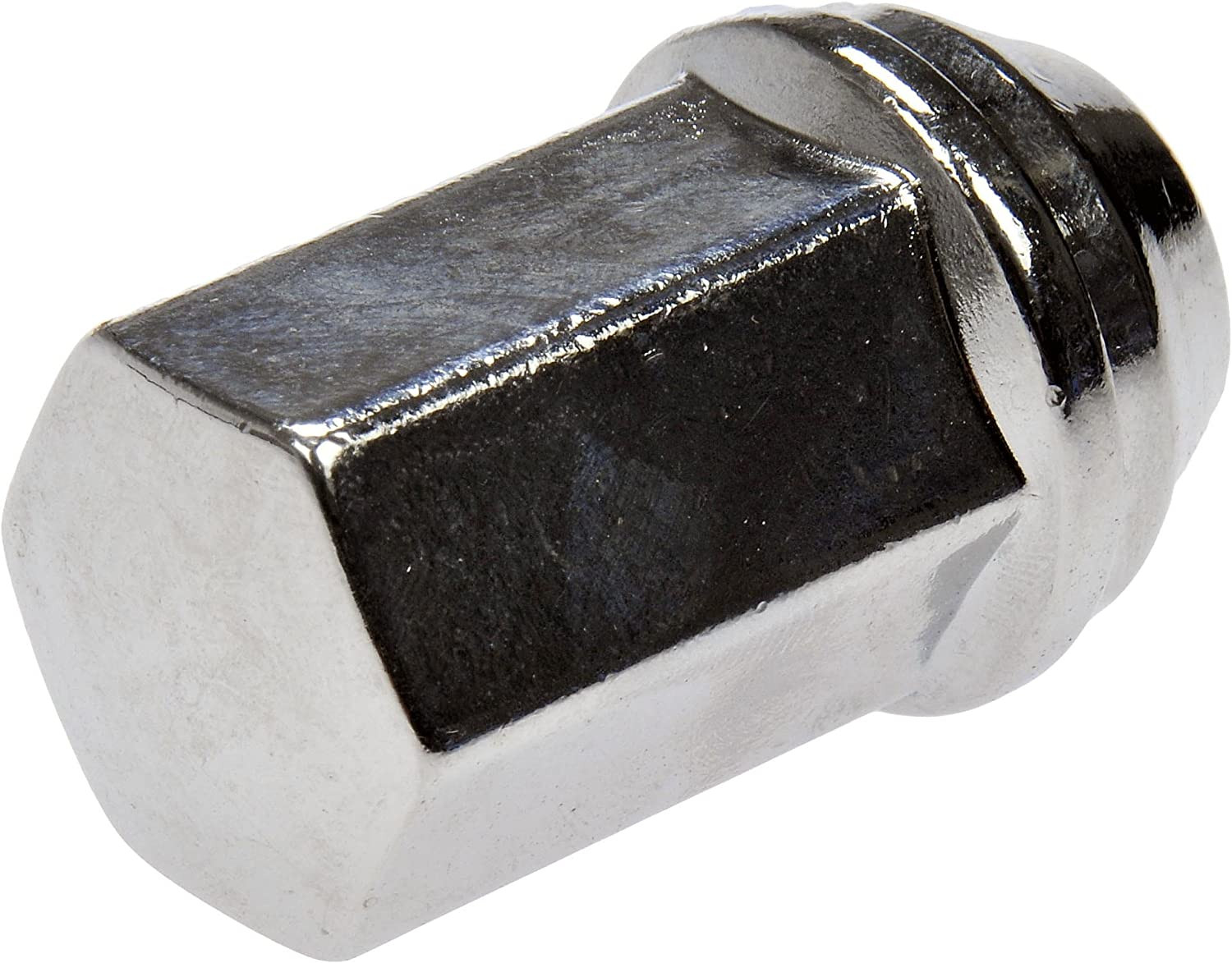
M14 x 1.5 · Thread match only; seat style is not verified
View on Amazon →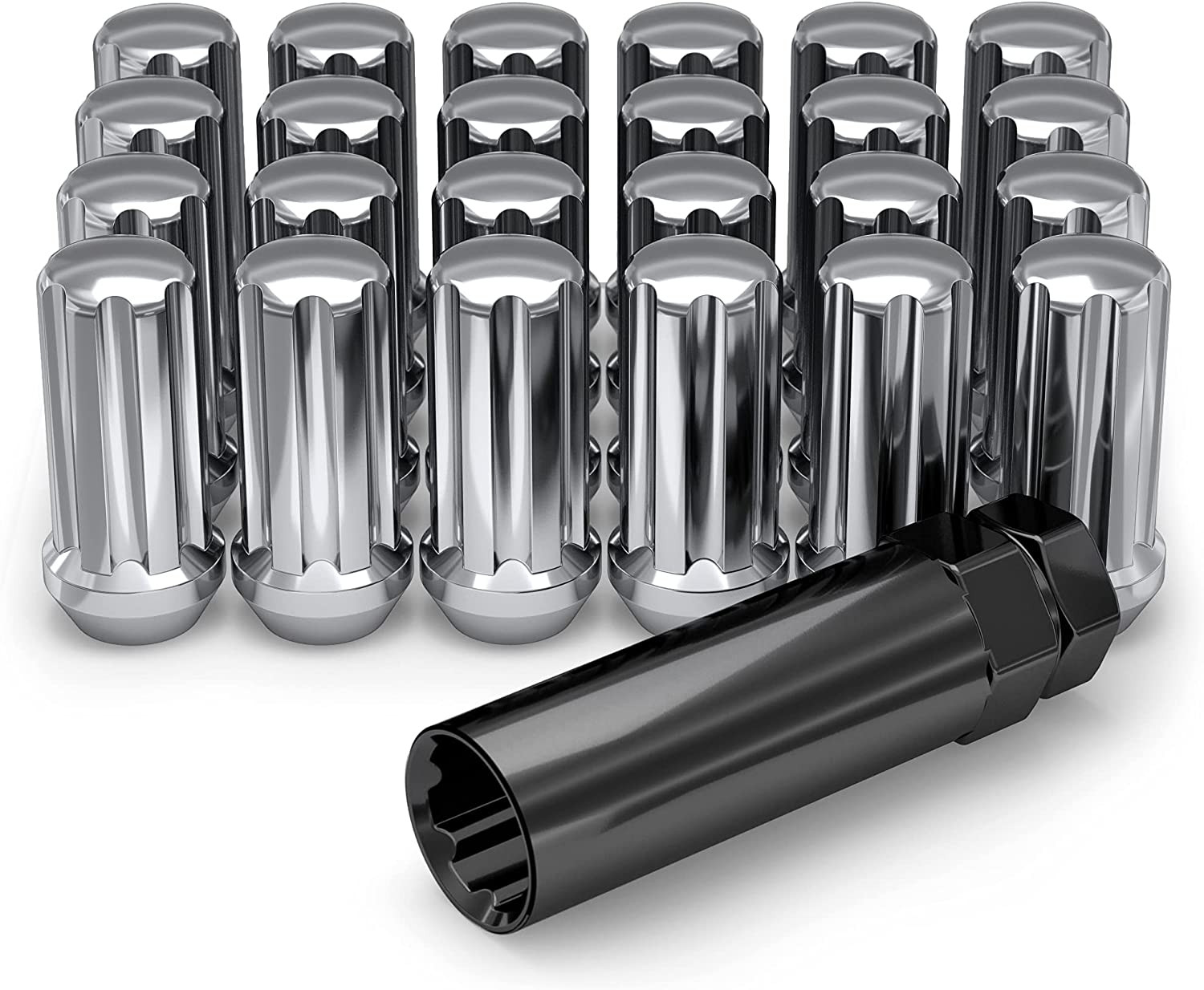
M14 x 1.5 · Thread match only; seat style is not verified
View on Amazon →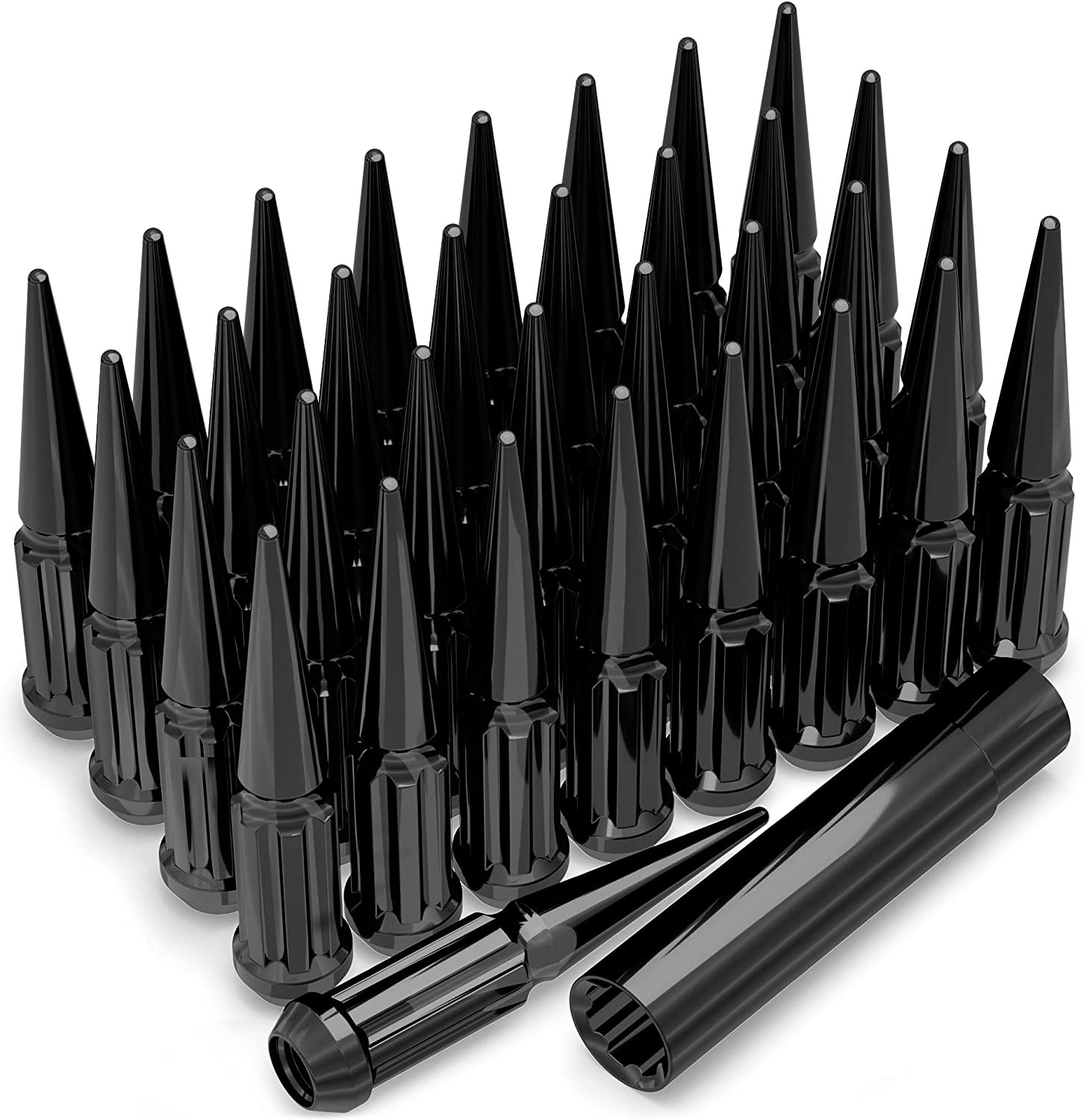
M14 x 1.5 · Thread match only; seat style is not verified
View on Amazon →As an Amazon Associate we earn from qualifying purchases. Product availability and pricing may change.
Solve the common problem of uncertainty when fitting different wheels or tires to a 2007 Audi A3. You will confirm OEM dimensions, use the on-page calculator to preview changes, and learn practical checks to avoid rubbing, poor centering, or unsafe fastening.
Gather the vehicle and wheel data before you begin. These are the confirmed OEM values for a 2007 Audi A3 that we will use.
| Specification | Value |
|---|---|
| Bolt pattern (studs x PCD) | 5x112 |
| Center bore (mm) | 57.1 |
| Thread size | M14 x 1.5 |
| Rim diameter (in) | 16 |
| Rim width (in) | 6.0 |
| Wheel offset (ET, mm) | 50 |
| Backspacing (in) | 4.97 |
| Tire size (section / aspect / R) | 205 / 55 / 16 |
| Tire overall diameter (approx) | 24.87 in (205/55R16) |
Tools recommended: tape measure, straight edge or string, jack and stands, torque wrench, lug socket, and caliper clearance inspection light.
Note about unknowns and assumptions. Some trim levels may change brake caliper size, lug seat type, or torque specification. If any value varies by trim, use the on-page calculator and OEM sources to confirm.
The likely issues are rubbing, incorrect bolt engagement, or vibration. Decide what you want changed: donor wheels, different rim width, offset, or a larger tire. Keep the problem visible while you test options.
Open the wheel/tire calculator on this page. Set "Installed on (your vehicle)" to the 2007 Audi A3 values listed above. This gives a baseline for comparisons.
In the calculator, use "Wheels from (donor vehicle)" or "Custom wheel size" to change rim diameter, width, and offset. Then change "Custom tire size" if you will alter section width or aspect ratio. The calculator updates overall tire diameter when you change rim diameter.
With the vehicle on stands, measure actual room for the wheel and tire. Measure from the hub face to the fender lip and from the brake caliper to the inner lip. Compare these to the calculator's backspacing result.
Verify thread size M14 x 1.5 matches the wheel. Confirm lug seat type by inspection; if the wheel uses a different seat, use matching lug nuts. If the wheel center bore is larger than 57.1 mm, plan hub-centric rings to eliminate runout. If the bore is smaller, do not force the wheel.
Mount the wheel, torque lug nuts to the OEM specification (look it up for your model and trim), and check thread engagement. Spin the wheel and inspect for rubbing at full lock, with suspension compressed if possible.
Use this checklist to validate safe fitment before driving.
If any of these fail, stop and address the specific issue before road testing.
Usually caused by too much negative offset or excessive rim width. Recheck backspacing numbers and reduce offset, choose a narrower rim, or add a correctly sized spacer after checking stud length.
Likely due to mismatch in center bore or dirt on the hub face. Use hub-centric rings for larger bores and clean mating surfaces. Rebalance after correcting centering.
Confirm lug nut type and stud length. If studs are too short for a spacer, upgrade studs or avoid excessive spacer thickness. Always use components rated for wheel loads.
If the wheel inner lip contacts the caliper, you must change wheel width or offset. Do not modify calipers to fit wheels. Confirm caliper size against any donor wheel brake package before committing.
You now have a clear process for confirming 2007 Audi A3 wheel fitment. Use the on-page calculator to simulate changes, then validate with physical measurements and OEM torque and spec references. Where values vary by trim, treat that as an assumption until you verify with manufacturer data.
If you need common fitment accessories, consider these tools and parts.
Follow the validation checklist before driving. If you want, provide the donor wheel dimensions and I will run through a focused fitment assessment using the calculator outputs.
Wheel interchange depends on more than bolt pattern. Where data is available, this site compares recorded OEM values:
A normal wheel spacer does not change bolt pattern. Hub rings cannot enlarge a wheel bore that is smaller than the hub. Brake clearance and tire package fitment still require vehicle-specific checks when not confirmed in the dataset.
