
Platinum
Genesis
Machined w/Black Accent
17 × 7.5″ · ET +40
$213.50
View at Tire Rack ↗Recorded OEM specifications for the 2016 Audi A3, donor years with overlapping ranges, and a calculator to compare a selected wheel. Range overlap is not a guaranteed fit.
Save these wheel specs to your Ownery garage
Baseline mounting dimensions used for interchange decisions.
Multiple OEM configurations exist for this vehicle. Fitment can vary by trim, brakes, and factory wheel package – confirm your exact setup before buying.
Thread-only product links are shopping examples, not verified fits. Seat style is not confirmed here. As an Amazon Associate we earn from qualifying purchases.
Selected size: 17 × 7.5″ · ET +43
Showing matching bolt patterns and offsets up to 20 mm lower. Confirm center bore, load rating, and clearance at Tire Rack.
Platinum
Machined w/Black Accent
17 × 7.5″ · ET +40
$213.50
View at Tire Rack ↗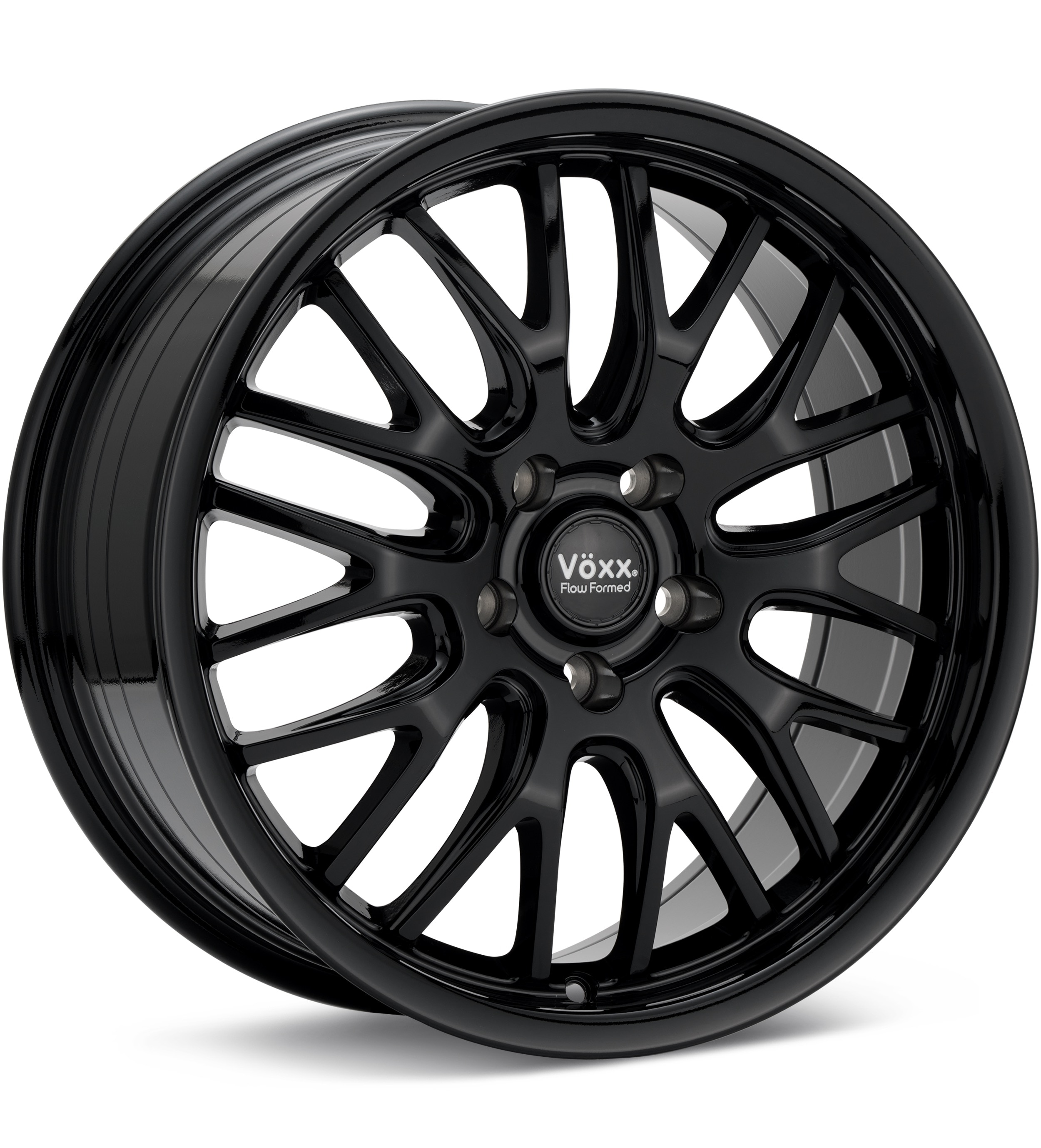
Voxx Road Wheels
Gloss Black
17 × 7.5″ · ET +40
$230.00
View at Tire Rack ↗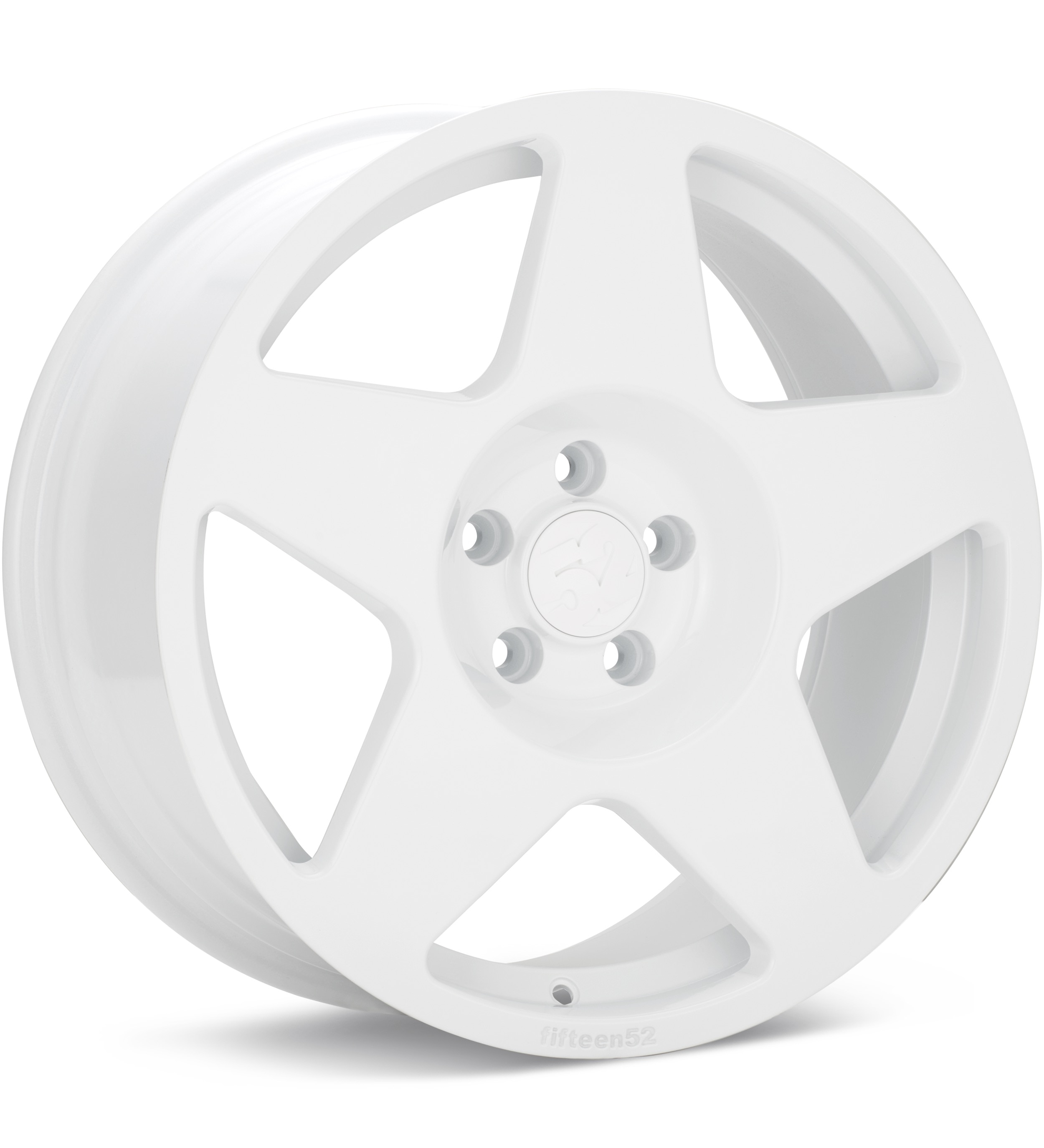
fifteen52
Gloss White
17 × 7.5″ · ET +40
$288.71
View at Tire Rack ↗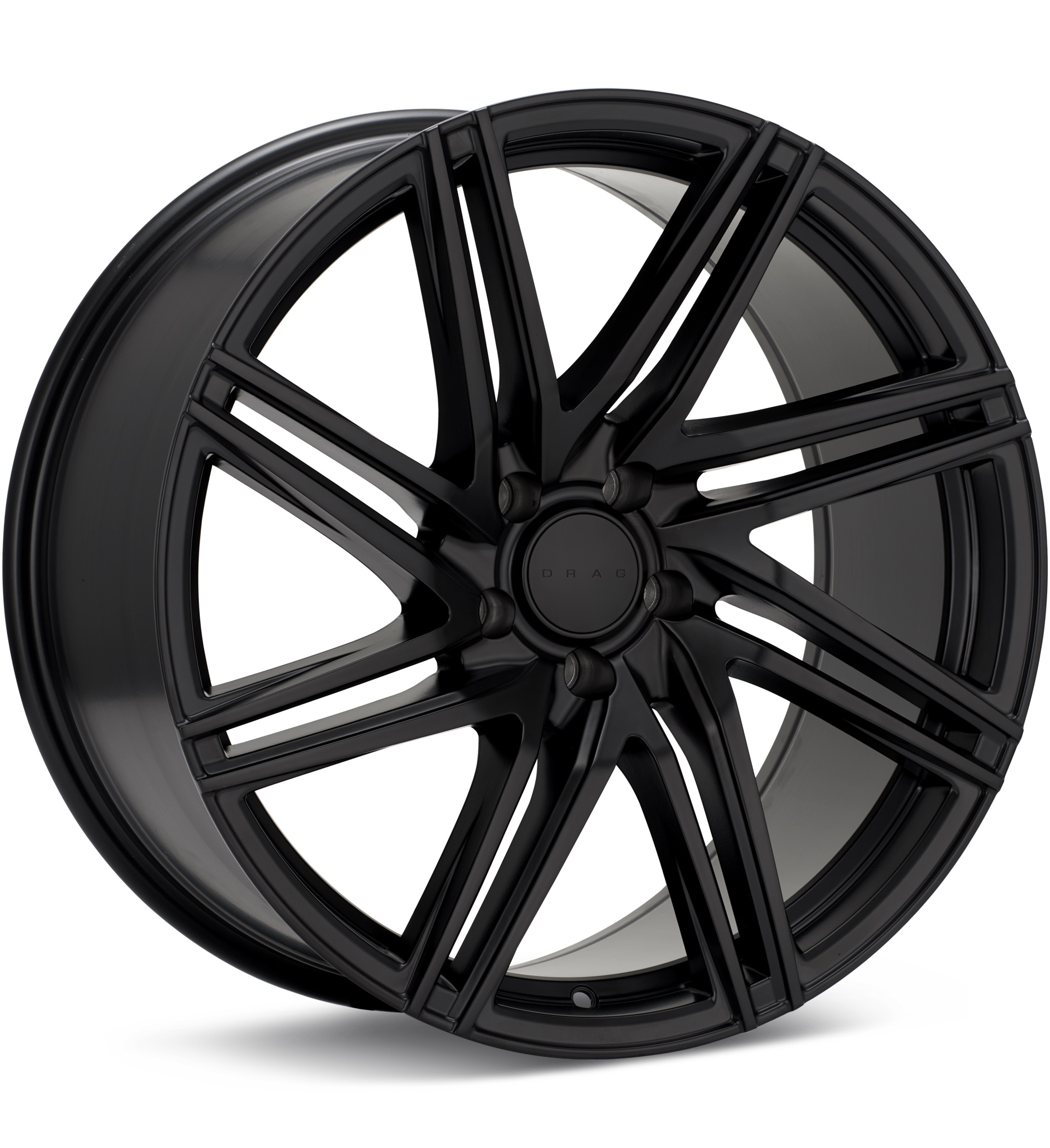
Drag
Flat Black
17 × 7.5″ · ET +38
$162.00
View at Tire Rack ↗We may earn a commission when you buy through these links. Prices and availability may change.
These are vehicle-year records whose recorded OEM ranges overlap this 2016 Audi A3. Overlap is not a guarantee that a specific wheel will install. Selected-wheel comparison is in the calculator below.
Evaluated 134 donor years. Listed 24 eligible overlaps (not all evaluated years are compatible). Showing all listed.
Years grouped because recorded compatibility evidence is equivalent. Each year keeps its own page.
Recorded OEM bolt pattern, center bore, and width/offset ranges overlap. This is not a guarantee that every wheel from the donor year fits this vehicle.
Wheel width/offset data is incomplete.
Years grouped because recorded compatibility evidence is equivalent. Each year keeps its own page.
Recorded OEM bolt pattern, center bore, and width/offset ranges overlap. This is not a guarantee that every wheel from the donor year fits this vehicle.
Recorded OEM bolt pattern, center bore, and width/offset ranges overlap. This is not a guarantee that every wheel from the donor year fits this vehicle.
Only years with evidence-based interchange relationships are listed. Adjacent years are not assumed compatible.
Compare a donor vehicle or custom wheel against this 2016 Audi A3. Use Compare in calculator on a donor row above to fill the donor side of this same calculator.
Compare wheel compatibility between two vehicles
2016 Audi A3





Example products matched to recorded thread, hub, or spacer dimensions. They are not verified fits. Confirm seat style, thickness, and clearance before ordering.
M14 x 1.5
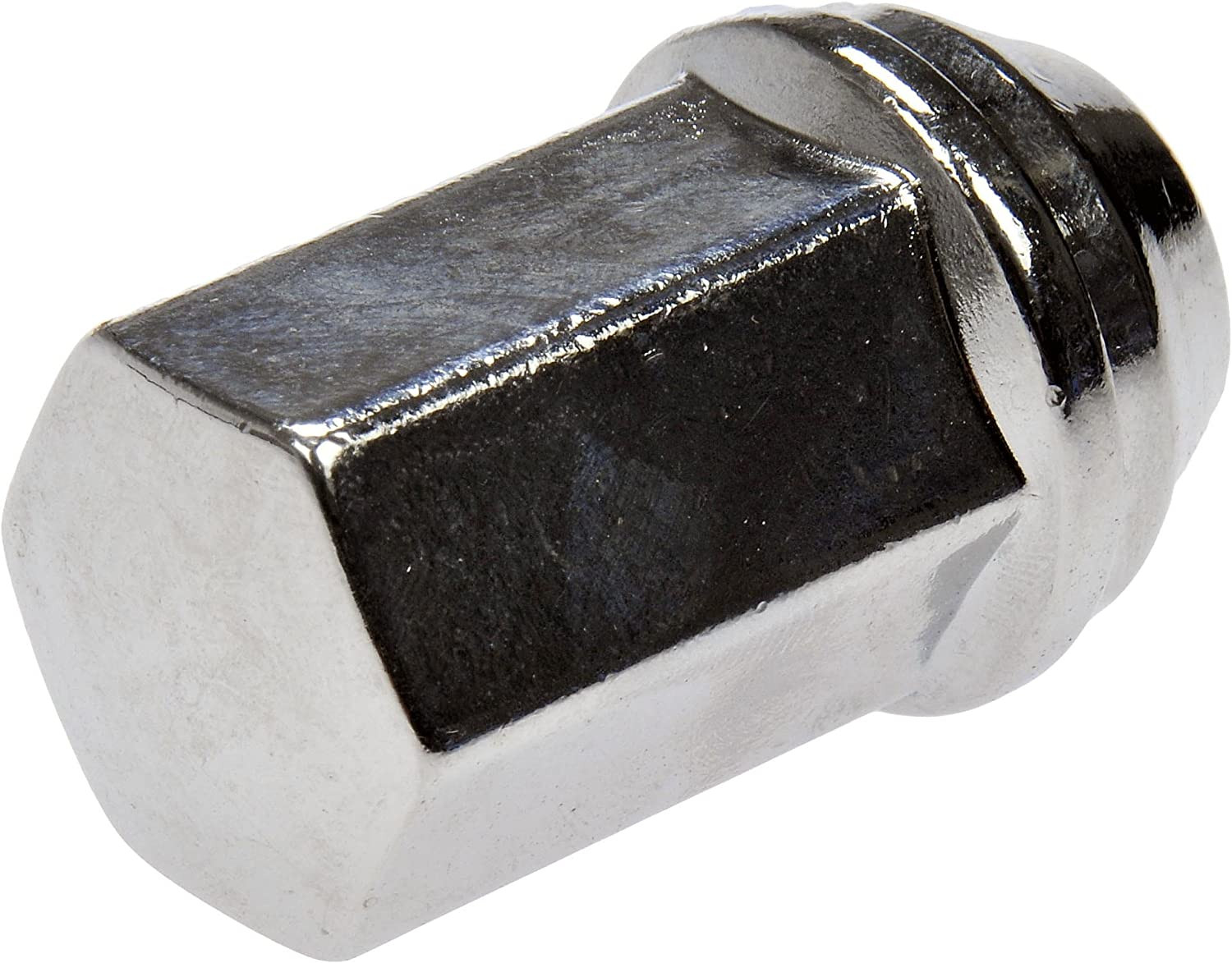
M14 x 1.5 · Thread match only; seat style is not verified
View on Amazon →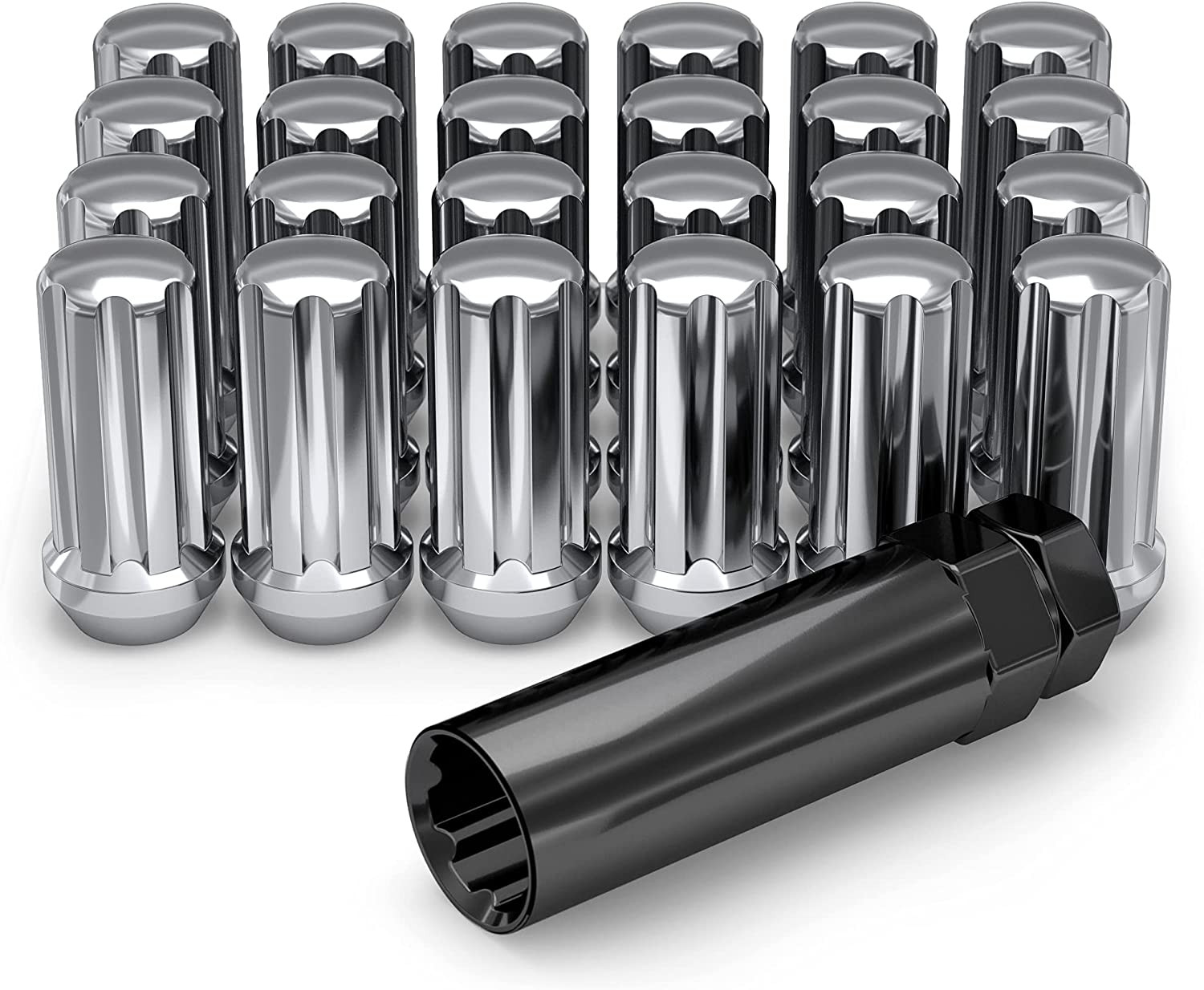
M14 x 1.5 · Thread match only; seat style is not verified
View on Amazon →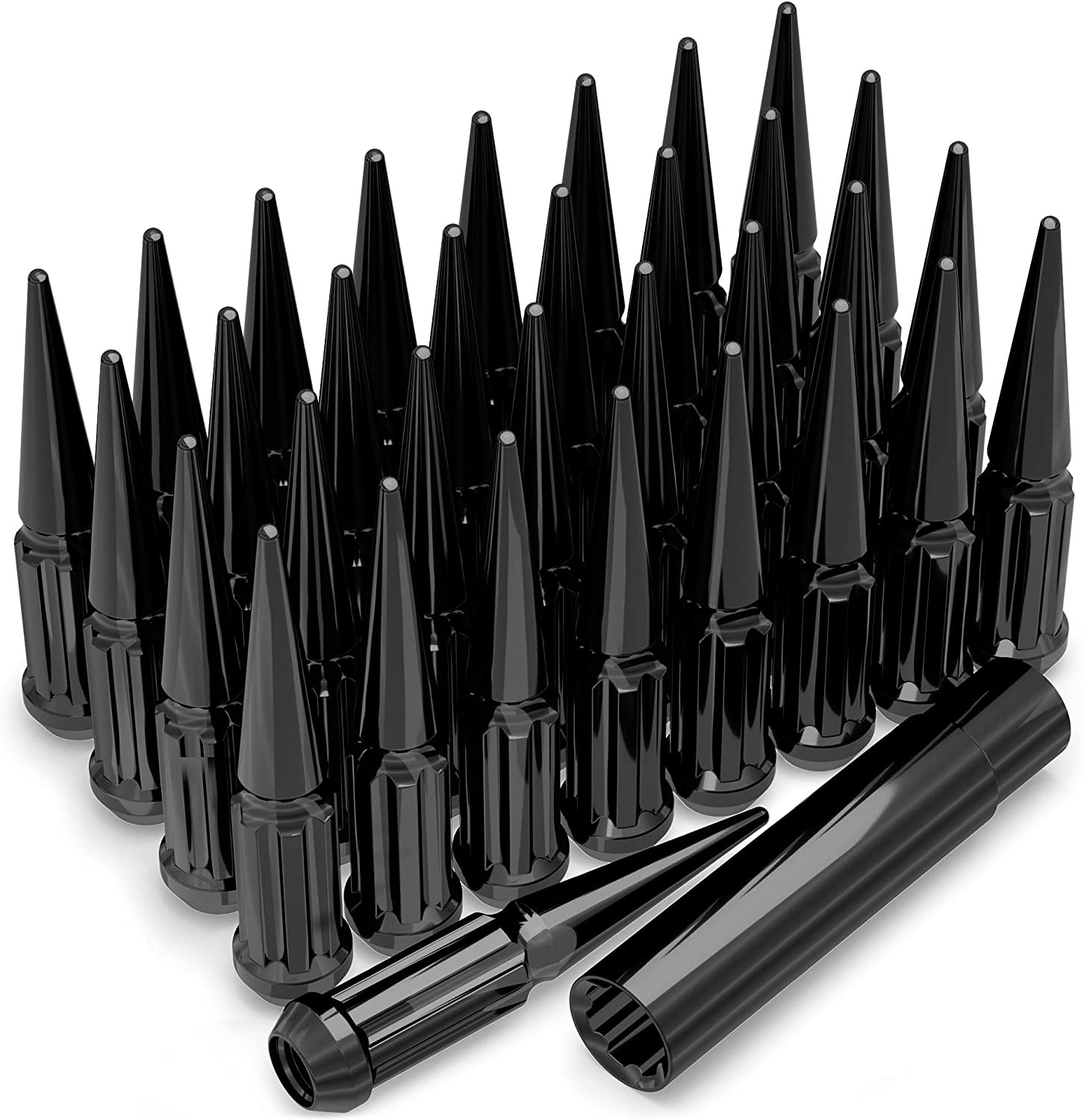
M14 x 1.5 · Thread match only; seat style is not verified
View on Amazon →As an Amazon Associate we earn from qualifying purchases. Product availability and pricing may change.
Starting point. When I set up a wheel swap on a 2016 Audi A3, I start with the factory baseline. Think of it as the home position that keeps clearances, alignment, and ride quality predictable. With that mental model in place, every change you test against the baseline gets easier to understand.
| Known OEM spec | 2016 Audi A3 |
|---|---|
| Bolt pattern (studs x PCD) | 5x112 |
| Center bore (mm) | 57.1 |
| Thread size | M14 x 1.5 |
| Rim diameter (in) | 17 |
| Rim width (in) | 7.5 |
| Wheel offset ET (mm) | 43 |
| Backspacing (in) | 5.44 |
| Tire size | 225/45R17 |
If your A3 has a different trim or package, some values can vary. Use the on-page calculator and your owner’s manual or an Audi dealer parts catalog to confirm your exact spec before buying parts.
My first move is a sanity check in the calculator. Set “Wheels from (donor vehicle)” to the OEM 17 x 7.5 ET43 with 225/45R17, then set “Installed on (your vehicle)” to the same. You should see a zero-change result across clearances. That simple pass tells you the inputs match your car’s baseline.
Next, try a tiny tweak. Change offset by a few millimeters or width by half an inch and watch the inner and outer clearance numbers update. A helpful rule of thumb: higher positive offset pulls the wheel inward, lower offset pushes it outward. Width changes split roughly half to each side around the wheel centerline. Seeing those numbers respond gives you a feel for how close you are to struts and fenders before you spend a dollar.
If an aftermarket wheel lists a larger center bore than 57.1 mm, plan on hub-centric rings so the wheel centers properly on the hub. Quick link if you need to shop: 57.1 hubcentric rings.
With that small win, you can expand. Use “Custom wheel size” and “Custom tire size” in the calculator to explore. Changing rim diameter will update tire diameter in the comparison, which helps you keep the overall rolling diameter near stock for speedometer accuracy.
Think of it as a balancing act between inner clearance, outer fender room, and tire diameter. If you keep the big three within comfortable margins on the screen, the real-world test fit usually goes smoothly.
Once you like a candidate setup in the calculator, refine the practical details I check in the bay:
I also keep a wheel hanger handy for Audi lug-bolt cars. It makes mounting safer and avoids cross-thread drama: wheel hanger alignment pin M14.
Before committing tires, I do a dry fit:
On the final install, torque fasteners to the value in your owner’s manual or service information. Re-torque after a short bedding period. A quality torque wrench pays for itself: torque wrench 1/2 inch drive.
TPMS details can vary by market and trim, so confirm requirements in your manual. If sensors are needed, match frequency and protocol or follow the relearn procedure specified by Audi.
Quick recap. Your 2016 Audi A3 baseline is 5x112, 57.1 mm center bore, M14 x 1.5 threads, and an OEM 17 x 7.5 ET43 wheel with 225/45R17 tires and 5.44 in backspacing. Use the wheelinterchange.com calculator to compare donor wheels against your car, then adjust custom wheel and tire sizes in small steps. Think of offset, width, and tire diameter as a three-way trade. Keep inner clearance safe, avoid excessive poke, and maintain an overall tire diameter close to stock.
If a value is unknown or your trim differs, confirm against the calculator outputs and OEM sources like the owner’s manual or an Audi parts catalog. With that process, you move from exploratory to resolved, and you can bolt up your A3’s next set with confidence.
Wheel interchange depends on more than bolt pattern. Where data is available, this site compares recorded OEM values:
A normal wheel spacer does not change bolt pattern. Hub rings cannot enlarge a wheel bore that is smaller than the hub. Brake clearance and tire package fitment still require vehicle-specific checks when not confirmed in the dataset.
