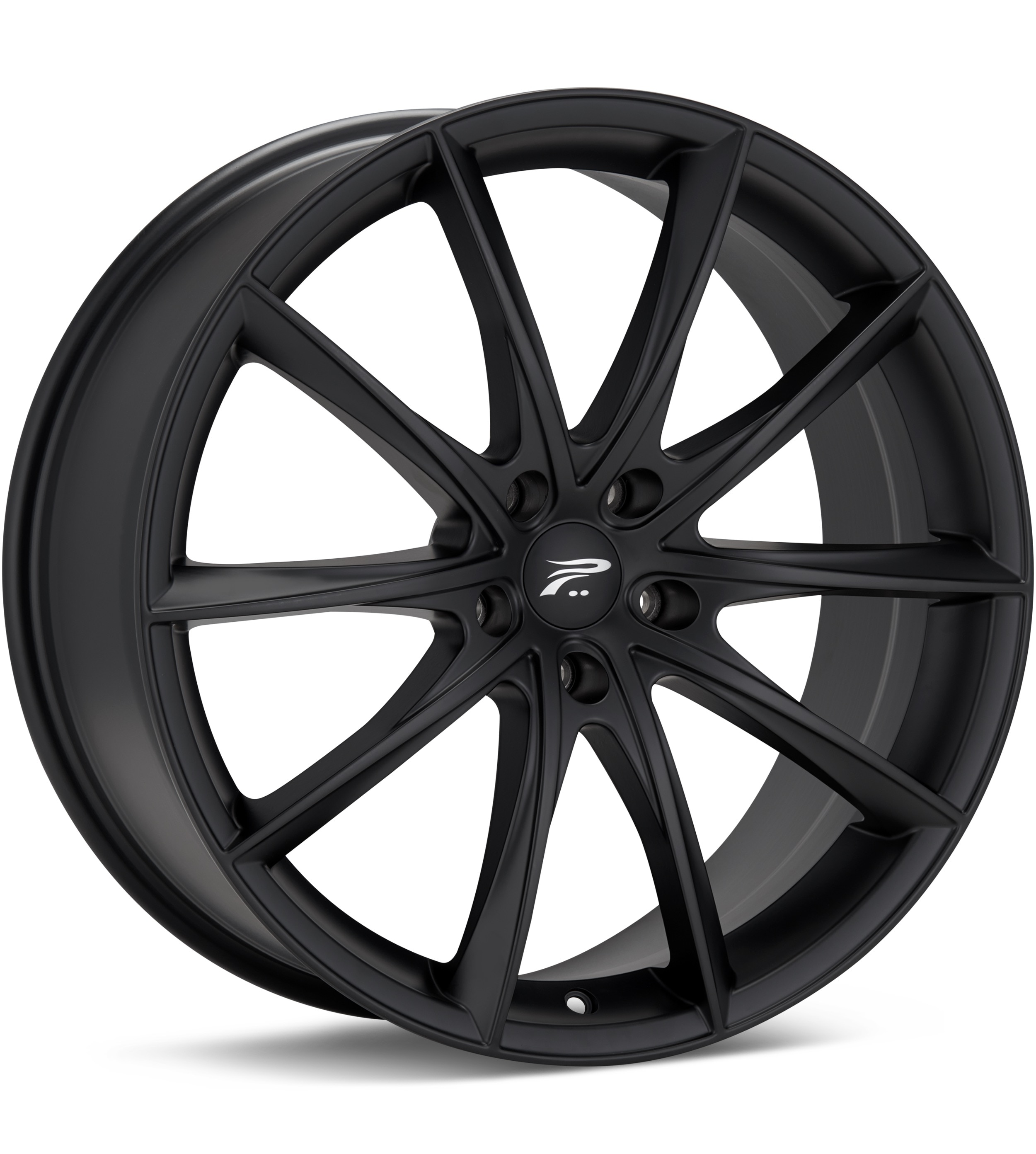
Platinum
Flux
Black
16 × 7″ · ET +40
$184.81
View at Tire Rack ↗Recorded OEM specifications for the 2013 Audi A3, donor years with overlapping ranges, and a calculator to compare a selected wheel. Range overlap is not a guaranteed fit.
Save these wheel specs to your Ownery garage
Baseline mounting dimensions used for interchange decisions.
Multiple OEM configurations exist for this vehicle. Fitment can vary by trim, brakes, and factory wheel package – confirm your exact setup before buying.
Thread-only product links are shopping examples, not verified fits. Seat style is not confirmed here. As an Amazon Associate we earn from qualifying purchases.
Selected size: 16 × 6.5″ · ET +50
Showing matching bolt patterns and offsets up to 20 mm lower. Confirm center bore, load rating, and clearance at Tire Rack.
Platinum
Black
16 × 7″ · ET +40
$184.81
View at Tire Rack ↗
Platinum
Machined w/Black Accent
16 × 7″ · ET +40
$197.12
View at Tire Rack ↗
Platinum
Gloss Black
16 × 7″ · ET +40
$175.81
View at Tire Rack ↗We may earn a commission when you buy through these links. Prices and availability may change.
These are vehicle-year records whose recorded OEM ranges overlap this 2013 Audi A3. Overlap is not a guarantee that a specific wheel will install. Selected-wheel comparison is in the calculator below.
Evaluated 134 donor years. Listed 24 eligible overlaps (not all evaluated years are compatible). Showing all listed.
Years grouped because recorded compatibility evidence is equivalent. Each year keeps its own page.
Recorded OEM bolt pattern, center bore, and width/offset ranges overlap. This is not a guarantee that every wheel from the donor year fits this vehicle.
Wheel width/offset data is incomplete.
Years grouped because recorded compatibility evidence is equivalent. Each year keeps its own page.
Approximate position vs the mid OEM package: outer change 3 mm, inner change -3 mm. This uses aggregated width/offset ranges, not a specific wheel.
Approximate position vs the mid OEM package: outer change 3 mm, inner change -3 mm. This uses aggregated width/offset ranges, not a specific wheel.
Only years with evidence-based interchange relationships are listed. Adjacent years are not assumed compatible.
Compare a donor vehicle or custom wheel against this 2013 Audi A3. Use Compare in calculator on a donor row above to fill the donor side of this same calculator.
Compare wheel compatibility between two vehicles
2013 Audi A3





Example products matched to recorded thread, hub, or spacer dimensions. They are not verified fits. Confirm seat style, thickness, and clearance before ordering.
M14 x 1.5
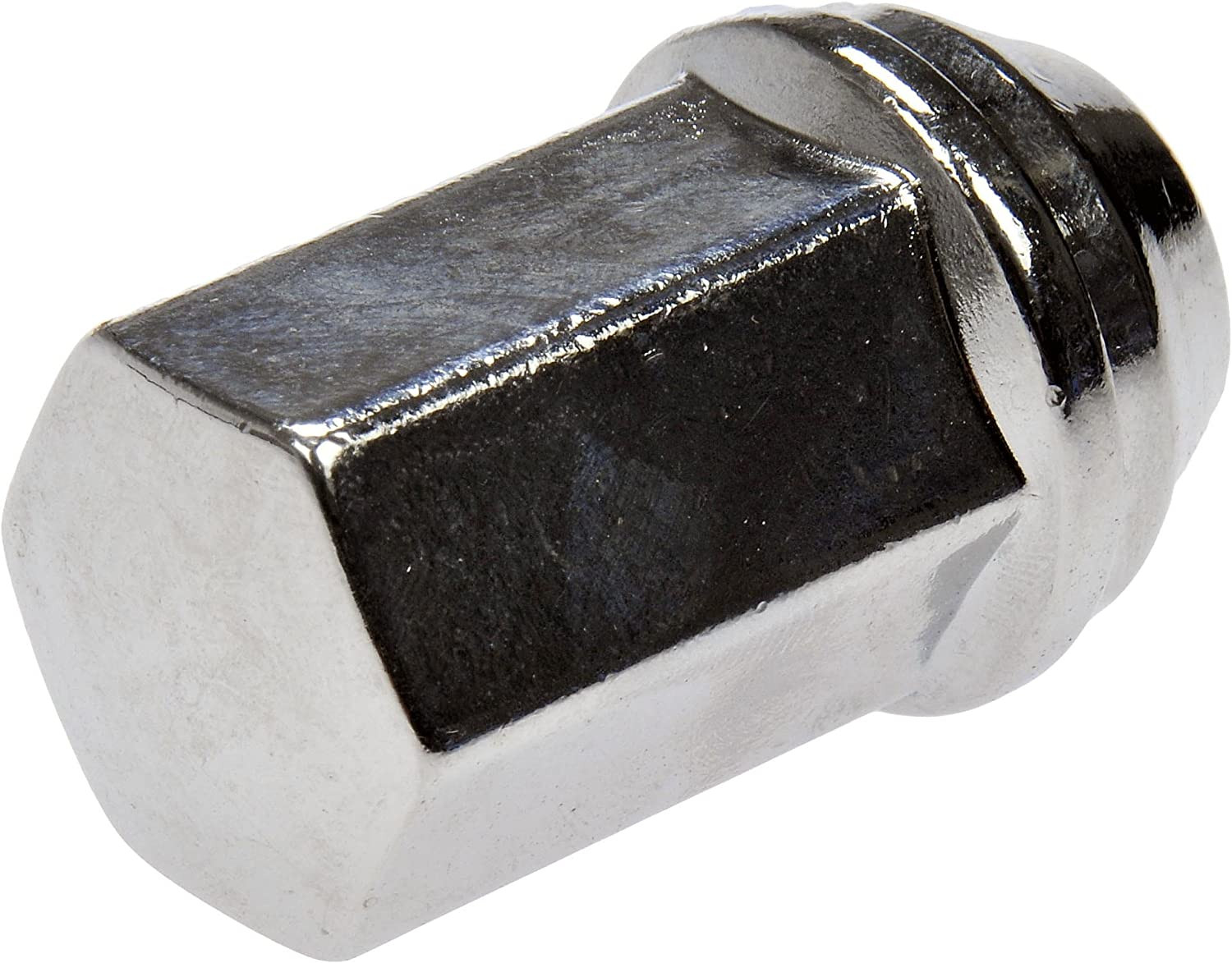
M14 x 1.5 · Thread match only; seat style is not verified
View on Amazon →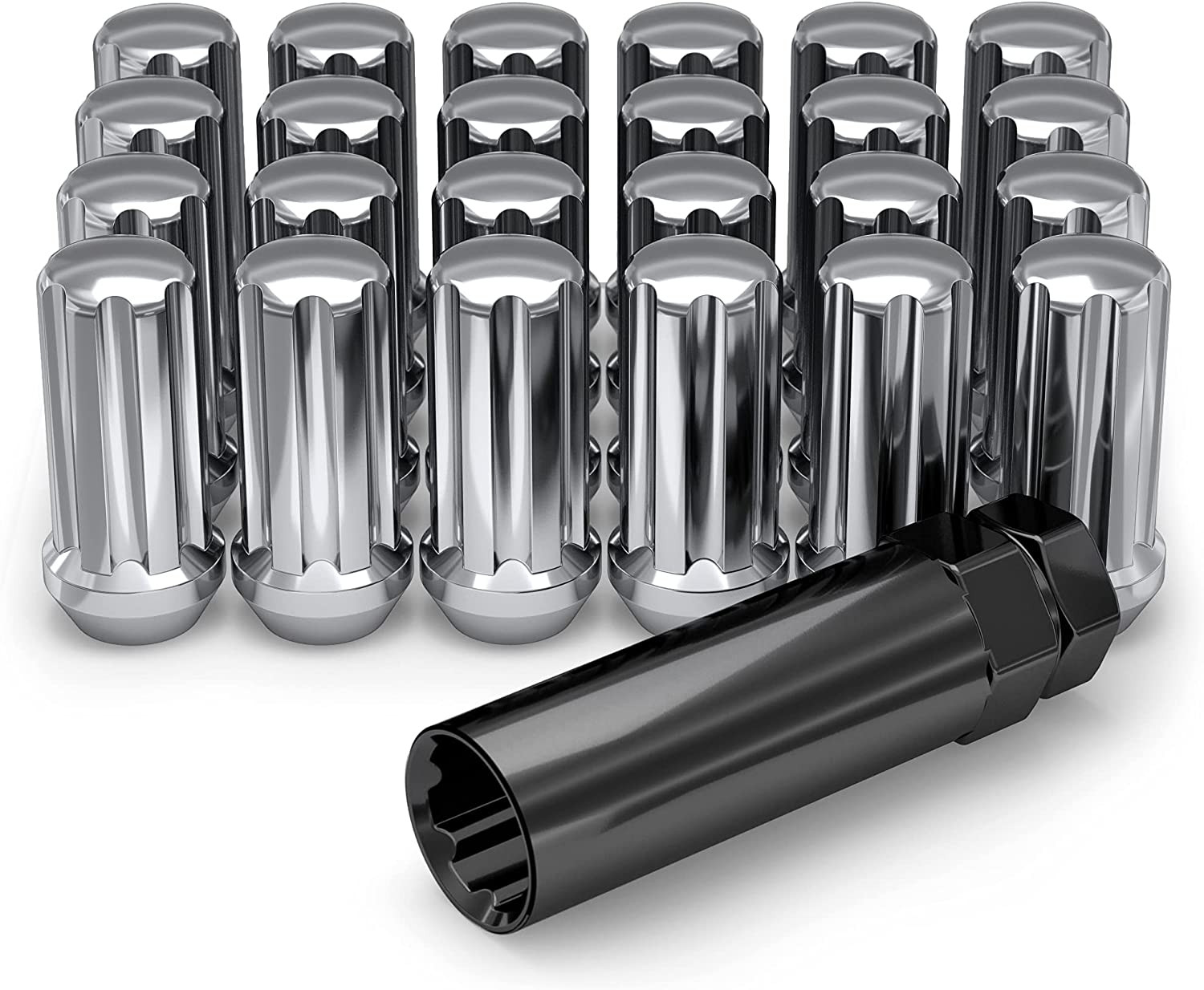
M14 x 1.5 · Thread match only; seat style is not verified
View on Amazon →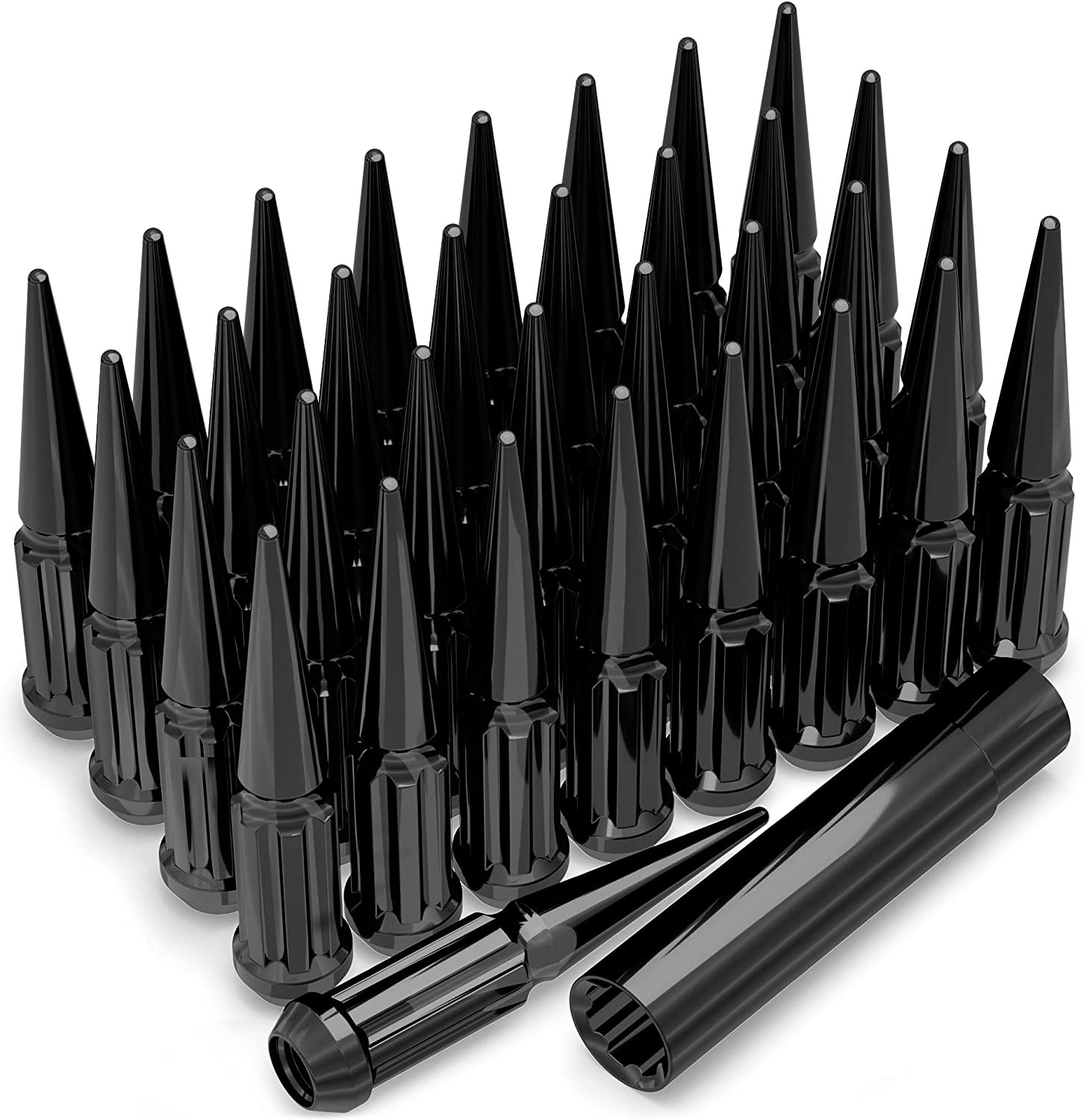
M14 x 1.5 · Thread match only; seat style is not verified
View on Amazon →As an Amazon Associate we earn from qualifying purchases. Product availability and pricing may change.
I will assess whether replacement or aftermarket wheels and tires will fit a 2013 Audi A3 using the supplied OEM fitment data and the on‑page calculator. The goal is to present practical, safety‑first options and a clear method to confirm fitment before purchasing.
The assessment relies on the OEM fitment values you provided and on adjustable inputs in the page calculator. If any value is unknown or varies by trim, that limitation is stated and a method to confirm is given.
| Specification | OEM value (provided) | Notes / how to confirm |
|---|---|---|
| Bolt pattern (studs x PCD) | 5x112 | Fixed. Confirm by measuring studs or reviewing the vehicle placard or dealer literature. |
| Center bore (mm) | 57.1 | Use hub‑centric rings if aftermarket wheel bore is larger; verify with wheel spec sheet and measurement. |
| Thread size | M14 x 1.5 | Torque wrench and correct lug nuts are required. Verify lug seat type on the vehicle or OEM wheel. |
| Rim diameter / width (in) | 16 x 6.0 | Calculator can model other diameters and widths; physically inspect for brake clearance when changing diameter. |
| Wheel offset (ET, mm) | 50 | If offset varies by trim, confirm on your VIN documentation or measure backspacing on the wheel. |
| Backspacing (in) | 4.97 | Provides the same information as offset and helps detect fitment interference in tight wheel wells. |
| Tire (section / aspect / R) | 205 / 55 / 16 | The calculator updates overall diameter when rim diameter changes; confirm speedometer effect if diameter changes. |
Consider four practical paths. Each has tradeoffs in fitment, handling, and cost.
I will compare each option against the baseline OEM fitment to make interpretation of risk and benefit clear.
| Factor | Keep OEM 16x6 ET50 | Aftermarket same size | Larger diameter / wider wheel | Spacers / lower offset |
|---|---|---|---|---|
| Fitment certainty | Highest. Evidence based on OEM values and vehicle history. | High if bolt pattern/CB/offset match; check hub centricity. | Moderate; brakes and suspension may limit clearance and rubbing risk increases. | Lower; increases load on studs and can change scrub radius and handling. |
| Handling and ride | As designed by the manufacturer. | Similar if equivalent width and offset are used. | Can improve grip but may raise rolling resistance and alter speedometer calibration. | May increase steering feedback and stress on wheel bearings. |
| Required verification | Minimal. Confirm tire load rating and speed rating. | Confirm lug seat type and use hub rings if bore differs. | Use the calculator to check overall diameter and test clearance under full lock and compression. | Confirm spacer material and stud engagement, and consider longer wheel bolts when needed. |
This comparison shows interpretation of likely outcomes, not absolute results. The on‑page calculator provides numerical evidence for a chosen custom size and highlights limitations before purchase.
Based on the evidence and practical constraints, I recommend beginning with one of two approaches.
For tools and small parts, consider a calibrated torque wrench and hub centric rings to ensure correct installation and hub alignment. Example searches for those items are included for convenience.
Torque wrench search: amazon: torque wrench Hub centric rings search: amazon: hub centric rings
I present the primary risks and how to mitigate them so you can evaluate tradeoffs with evidence rather than assumption.
These risks are presented as a hypothesis of likely outcomes, backed by interpretation of the provided OEM data. Use the page calculator and OEM sources to reduce uncertainty before committing to a purchase.
Wheel interchange depends on more than bolt pattern. Where data is available, this site compares recorded OEM values:
A normal wheel spacer does not change bolt pattern. Hub rings cannot enlarge a wheel bore that is smaller than the hub. Brake clearance and tire package fitment still require vehicle-specific checks when not confirmed in the dataset.
