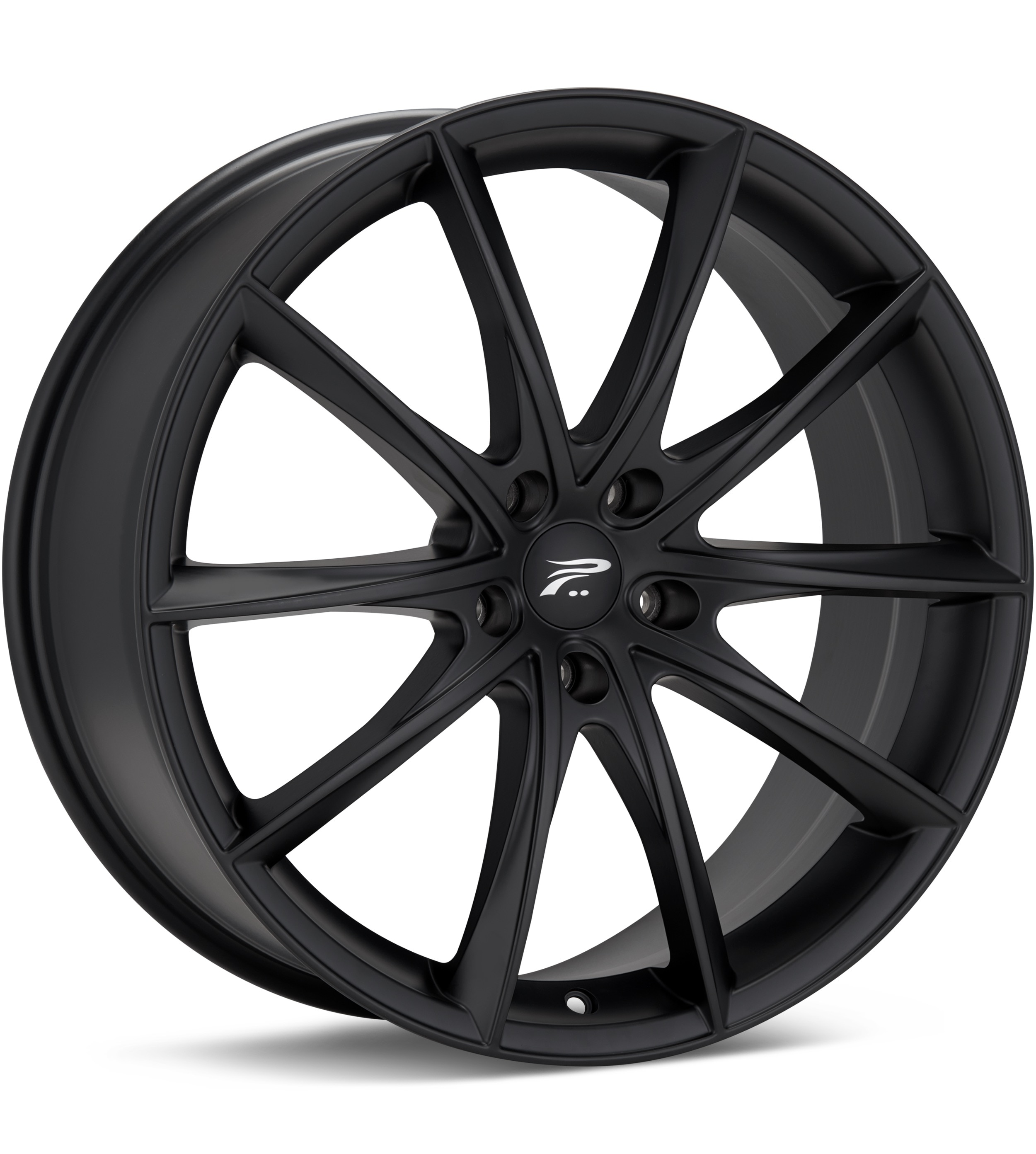
Platinum
Flux
Black
16 × 7″ · ET +40
$184.81
View at Tire Rack ↗Recorded OEM specifications for the 2002 Audi A4, donor years with overlapping ranges, and a calculator to compare a selected wheel. Range overlap is not a guaranteed fit.
Save these wheel specs to your Ownery garage
Baseline mounting dimensions used for interchange decisions.
Multiple OEM configurations exist for this vehicle. Fitment can vary by trim, brakes, and factory wheel package – confirm your exact setup before buying.
Thread-only product links are shopping examples, not verified fits. Seat style is not confirmed here. As an Amazon Associate we earn from qualifying purchases.
Selected size: 16 × 7″ · ET +42
Showing matching bolt patterns and offsets up to 20 mm lower. Confirm center bore, load rating, and clearance at Tire Rack.
Platinum
Black
16 × 7″ · ET +40
$184.81
View at Tire Rack ↗
Platinum
Machined w/Black Accent
16 × 7″ · ET +40
$197.12
View at Tire Rack ↗
Platinum
Gloss Black
16 × 7″ · ET +40
$175.81
View at Tire Rack ↗We may earn a commission when you buy through these links. Prices and availability may change.
These are vehicle-year records whose recorded OEM ranges overlap this 2002 Audi A4. Overlap is not a guarantee that a specific wheel will install. Selected-wheel comparison is in the calculator below.
Evaluated 151 donor years. Listed 24 eligible overlaps (not all evaluated years are compatible). Showing all listed.
Years grouped because recorded compatibility evidence is equivalent. Each year keeps its own page.
Approximate position vs the mid OEM package: outer change -2.18 mm, inner change -4.18 mm. This uses aggregated width/offset ranges, not a specific wheel.
Years grouped because recorded compatibility evidence is equivalent. Each year keeps its own page.
Dataset suggestionHub-centric rings ≈ 66.5 → 57.1 mm – not a verified installation requirement.
Hub-centric rings of about 66.5 → 57.1 mm mm may be relevant if the wheel bore is larger than the hub; they cannot enlarge a smaller bore. Approximate position vs the mid OEM package: outer change -3.18 mm, inner change -3.18 mm. This uses aggregated width/offset ranges, not a specific wheel.
Years grouped because recorded compatibility evidence is equivalent. Each year keeps its own page.
Dataset suggestionHub-centric rings ≈ 66.5 → 57.1 mm – not a verified installation requirement.
Hub-centric rings of about 66.5 → 57.1 mm mm may be relevant if the wheel bore is larger than the hub; they cannot enlarge a smaller bore. Approximate position vs the mid OEM package: outer change -3.18 mm, inner change -3.18 mm. This uses aggregated width/offset ranges, not a specific wheel.
Years grouped because recorded compatibility evidence is equivalent. Each year keeps its own page.
Approximate position vs the mid OEM package: outer change -4.18 mm, inner change -2.18 mm. This uses aggregated width/offset ranges, not a specific wheel.
Approximate position vs the mid OEM package: outer change 0.83 mm, inner change -7.18 mm. This uses aggregated width/offset ranges, not a specific wheel.
Only years with evidence-based interchange relationships are listed. Adjacent years are not assumed compatible.
Compare a donor vehicle or custom wheel against this 2002 Audi A4. Use Compare in calculator on a donor row above to fill the donor side of this same calculator.
Compare wheel compatibility between two vehicles
2002 Audi A4





Example products matched to recorded thread, hub, or spacer dimensions. They are not verified fits. Confirm seat style, thickness, and clearance before ordering.
M14 x 1.5
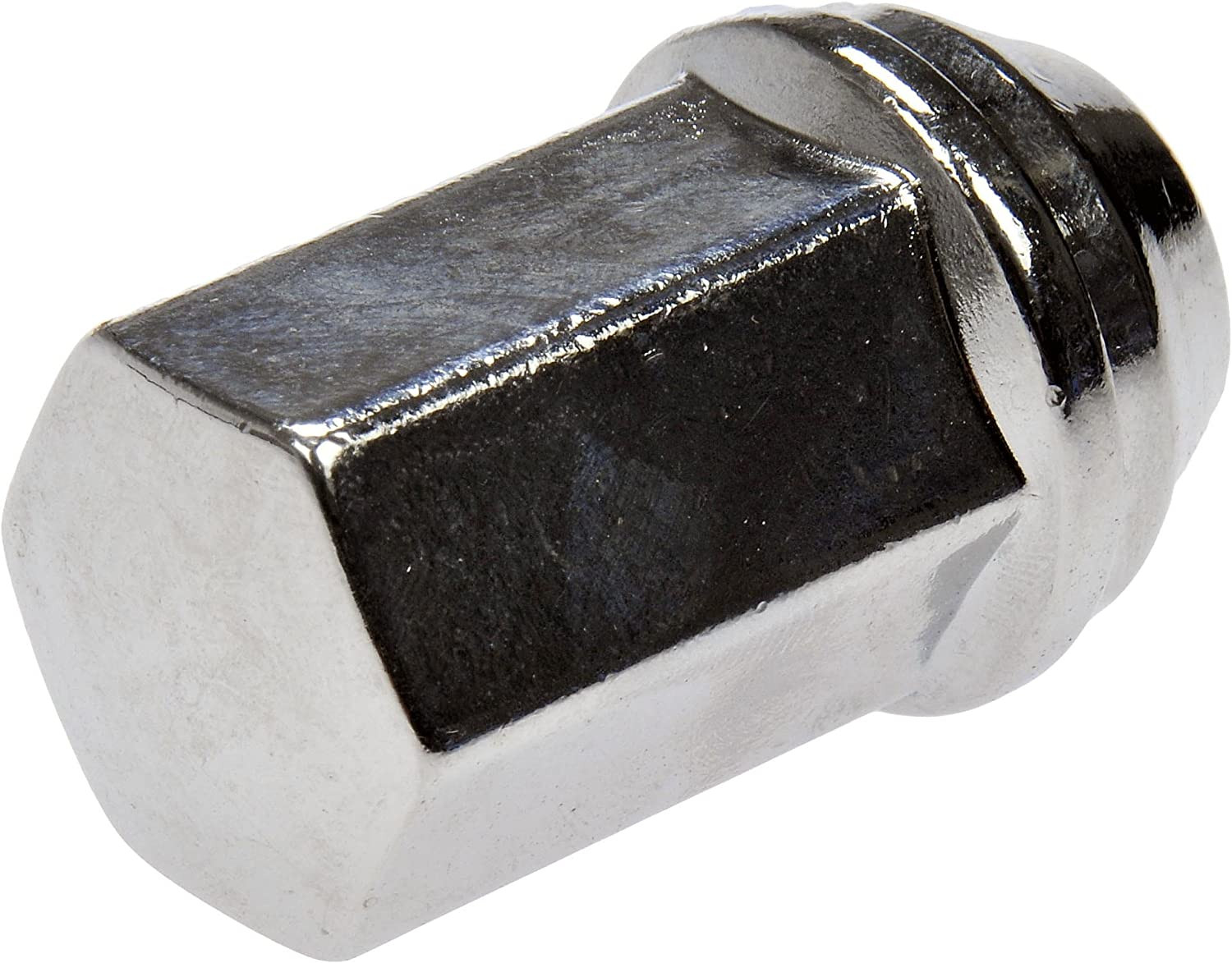
M14 x 1.5 · Thread match only; seat style is not verified
View on Amazon →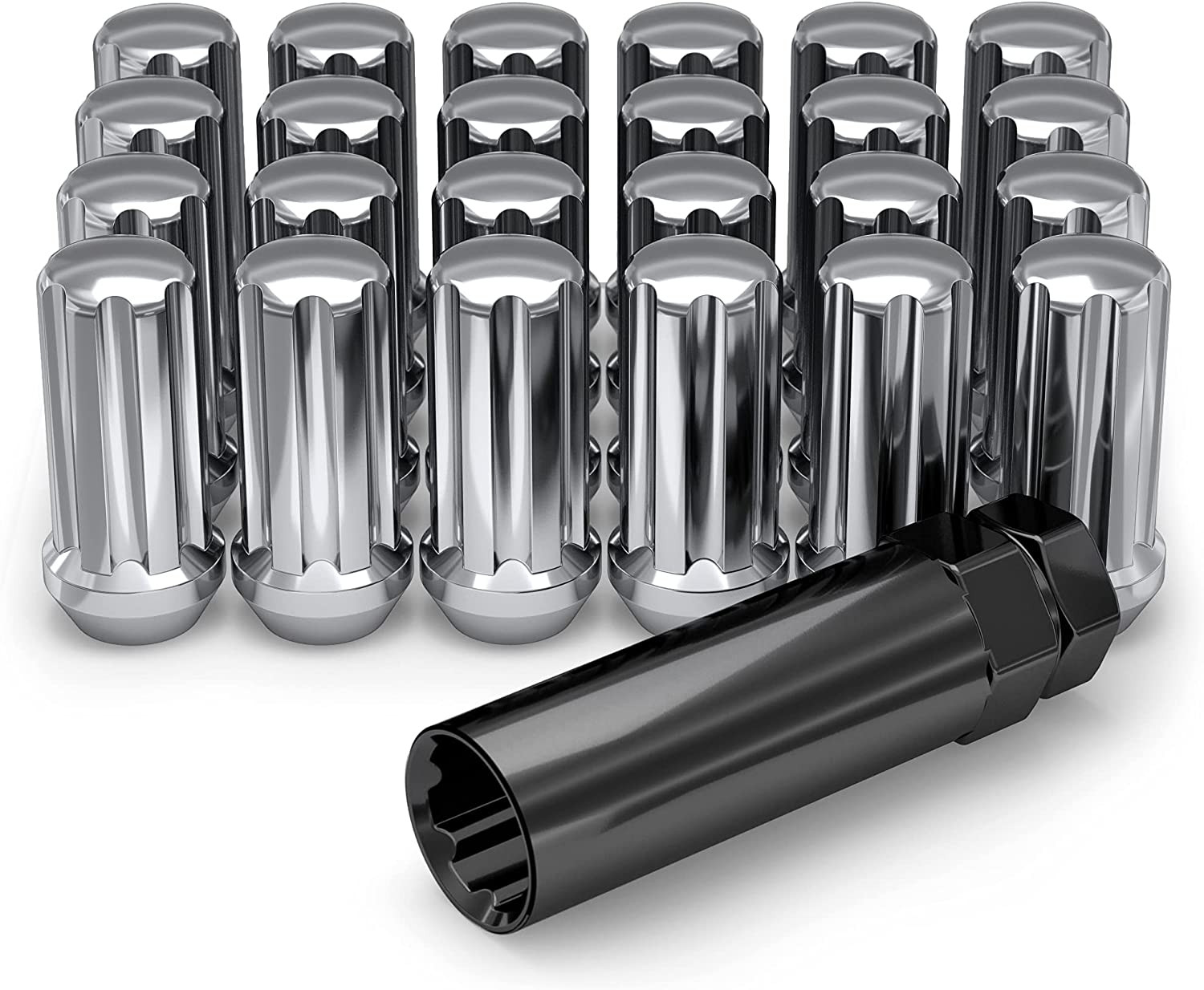
M14 x 1.5 · Thread match only; seat style is not verified
View on Amazon →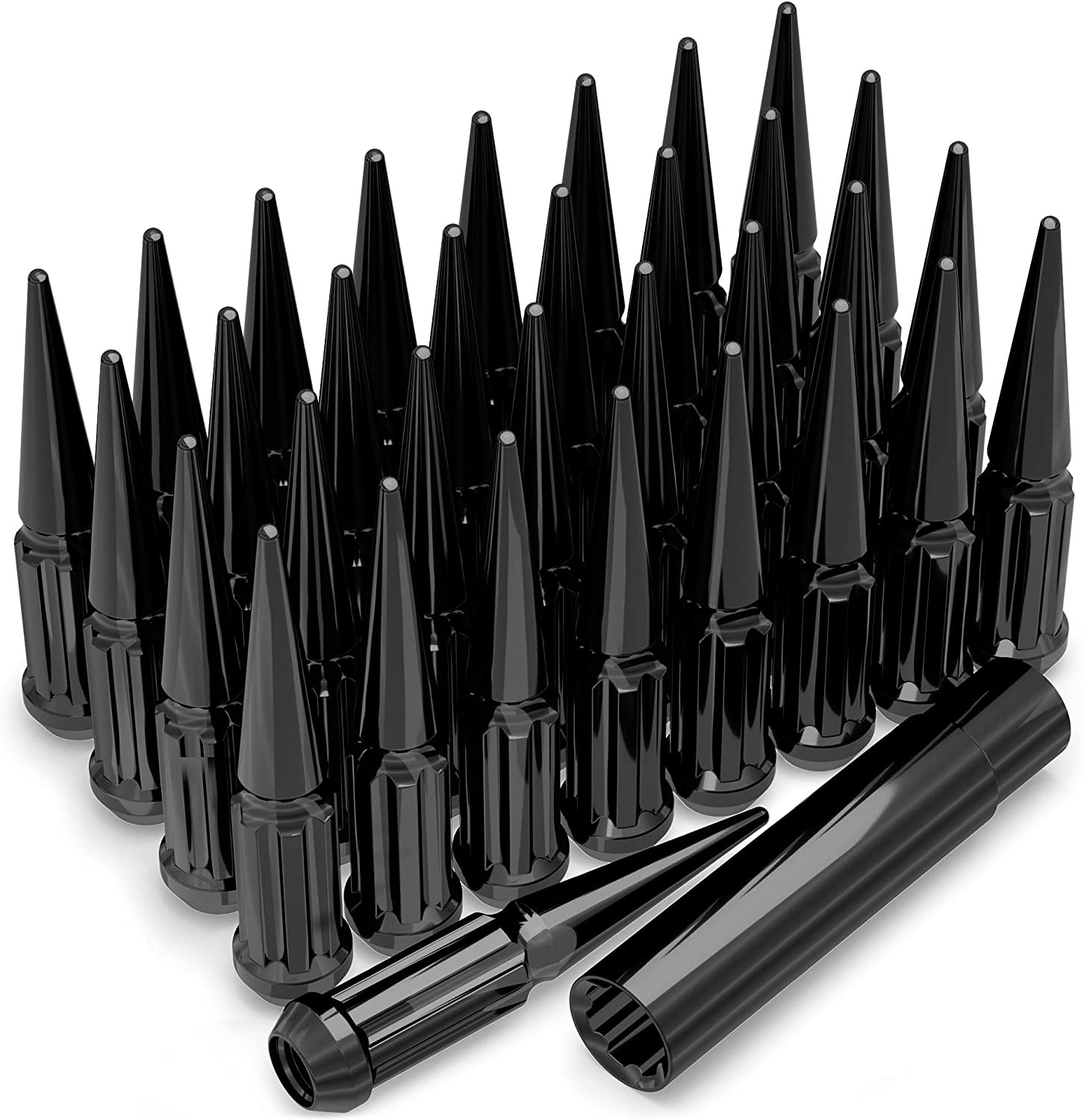
M14 x 1.5 · Thread match only; seat style is not verified
View on Amazon →Vehicle hub 57.1 mm
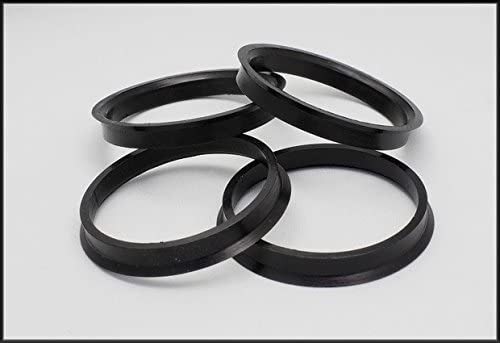
OD 66.5 mm · ID 57.1 mm
View on Amazon →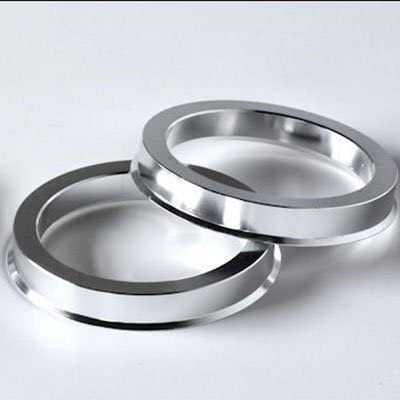
OD 66.5 mm · ID 57.1 mm
View on Amazon →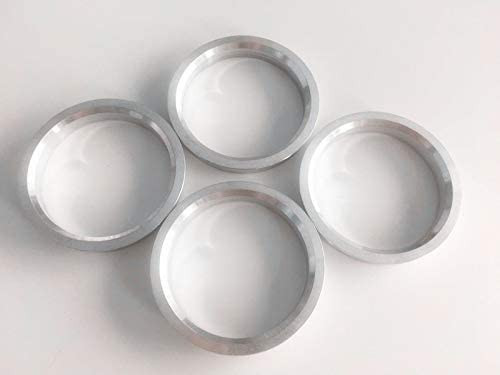
OD 66.5 mm · ID 57.1 mm
View on Amazon →As an Amazon Associate we earn from qualifying purchases. Product availability and pricing may change.
You want wheels that bolt on safely, clear your brakes, and drive without vibration or rubbing. The problem is that specs vary by trim and by aftermarket wheel design. This page shows you how to validate wheel fitment for a 2002 Audi A4 using known OEM specs and the on-page calculator, so you can make confident choices under real-world constraints.
Known OEM fitment for the 2002 Audi A4. Values not listed may vary by trim. Use the door-jamb label, owner’s manual, and the calculator to confirm.
| Bolt pattern | 5x112 |
| Center bore | 57.1 mm |
| Thread size | M14 x 1.5 |
| Rim diameter | 17 in |
| Rim width | 7.5 in |
| Wheel offset | ET45 |
| Backspacing | 5.52 in |
| Tire size example | 205/55R16 noted. This suggests some trims used 16 inch tires. Confirm your factory size on the door-jamb or manual. |
Assumption: Your suspension and brakes are stock. If you have big brakes, coilovers, or spacers, measure clearances and validate with the calculator.
Helpful tools:
Step 1. Identify your baseline. Check the driver door-jamb for factory tire size and confirm existing wheel specs if still stock. The data above shows 5x112 bolt pattern, 57.1 mm center bore, and M14x1.5 threads. The wheel example listed is 17x7.5 ET45 with 5.52 in backspacing. The tire example listed is 205/55R16, which indicates sizes varied by trim. Treat this as a starting point and validate your exact setup.
Step 2. Open the on-page calculator. Set Installed on to 2002 Audi A4. This anchors the comparison to your car’s hub and fender geometry.
Step 3. Compare a donor wheel. In Wheels from, pick a donor vehicle or enter Custom wheel size. Input rim diameter, width, and offset for the candidate wheel. If you know the tire, set Custom tire size as well. The calculator updates tire diameter when you change rim diameter, which helps you track speedometer impact.
Step 4. Read the clearance deltas. Focus on two numbers:
Step 5. Keep overall tire diameter reasonable. A common guideline is to keep within about 2 percent of stock overall diameter for speedometer accuracy and suspension geometry. Use the calculator’s tire diameter output for validation.
Step 6. Validate bolt pattern, center bore, and hardware. Your car is 5x112 with a 57.1 mm hub. Wheels with a larger bore can be used with 57.1 rings. Wheels with a smaller bore will not fit. Threads are M14x1.5. Many Audi applications use ball-seat hardware, but seat style can vary by wheel. Match the seat type to the wheel, not the car, and ensure proper length especially if spacers are used.
Step 7. Check brake and spoke clearance. Even if diameter and offset look good, spoke design can contact calipers. The calculator’s inner clearance is a guide, but real-world spoke shape matters. Plan for a visible margin between caliper and spokes or barrel.
Step 8. Consider spacer impacts. Spacers reduce inner interference and increase outer poke. If you add a spacer, verify hardware length and thread engagement. A common engineering guideline is thread engagement roughly equal to bolt diameter, but follow OEM or wheel manufacturer recommendations for your hardware.
Before driving, perform a dry run:
You now have the key constraints for the 2002 Audi A4 and a method to validate changes. Start with the known specs, use the calculator to model trade-offs in width, offset, and tire size, and confirm hub fit and hardware. When you combine calculator results with a careful test-fit, you remove the guesswork and end up with a safe, vibration-free setup that suits your goals.
Wheel interchange depends on more than bolt pattern. Where data is available, this site compares recorded OEM values:
A normal wheel spacer does not change bolt pattern. Hub rings cannot enlarge a wheel bore that is smaller than the hub. Brake clearance and tire package fitment still require vehicle-specific checks when not confirmed in the dataset.
